Why Flood Vents Prevent Foundation Collapse in Flood Zones
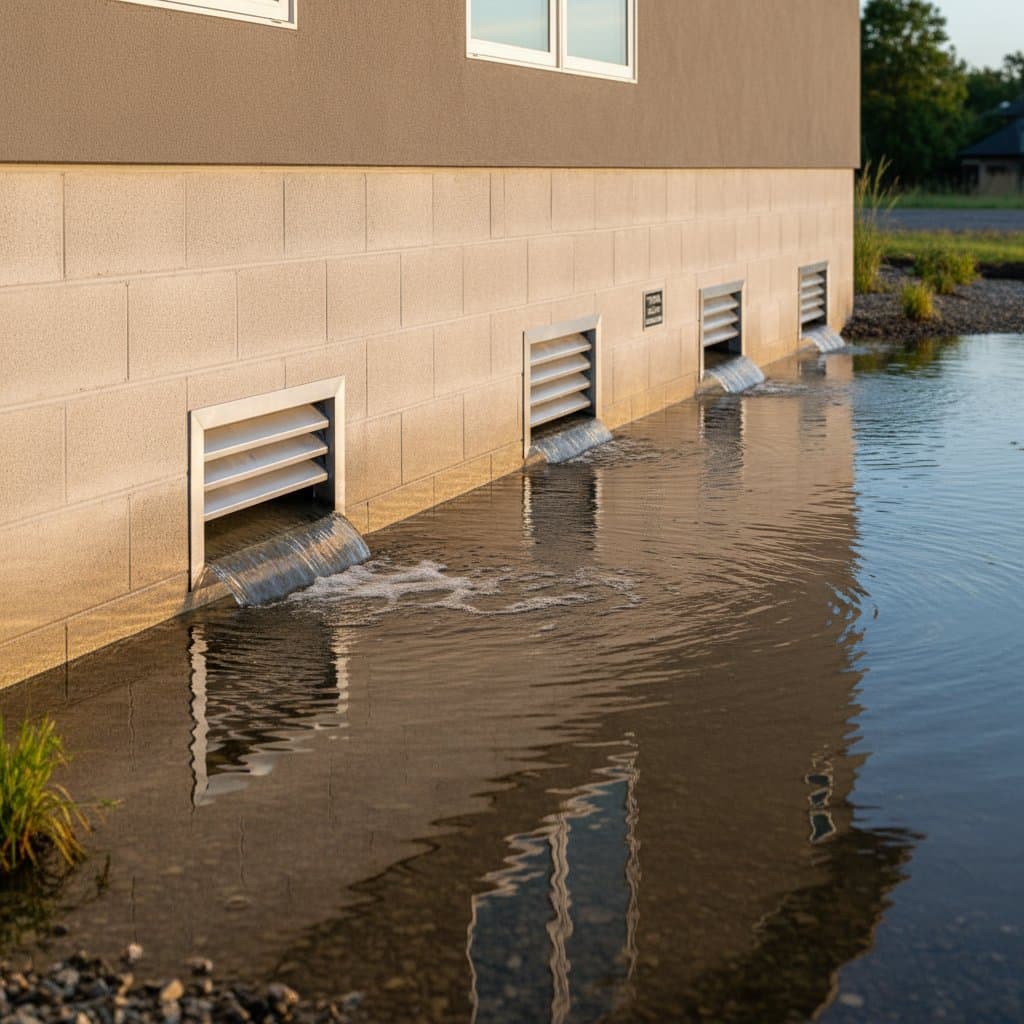
Flood vents serve as essential components in safeguarding homes located in flood-prone areas. These devices allow water to flow through a building's foundation during flooding events, thereby equalizing hydrostatic pressure on both sides of the walls. Without such equalization, the immense force of floodwaters can exert uneven pressure, leading to structural failures like cracks, buckling, or complete collapse of the foundation.
Homeowners in flood zones face significant risks from rising waters, which often carry debris and exert lateral forces capable of compromising even sturdy constructions. Foundation collapse not only endangers lives but also results in costly repairs and potential total loss of property. Flood vents address these threats directly by providing a controlled pathway for water ingress and egress, preserving the integrity of the structure.
The Mechanics of Hydrostatic Pressure and Flood Damage
Hydrostatic pressure builds when water accumulates outside a building while the interior remains dry. This pressure differential can reach thousands of pounds per square foot, overwhelming foundation walls designed primarily for vertical loads. In severe cases, walls bow inward or fail entirely, compromising the entire home's stability.
Flood vents mitigate this by permitting water to enter the enclosed space under the structure. As water levels rise outside, vents open automatically or manually, allowing floodwaters to flow in and balance the pressure. This process prevents the destructive forces that lead to collapse, ensuring the foundation withstands the flood without catastrophic damage.
Engineered flood vents, compliant with standards set by the Federal Emergency Management Agency (FEMA), feature durable materials like corrosion-resistant polymers or galvanized steel. These vents include mechanisms such as buoyant flaps or breakaway panels that activate at specific water levels, typically between six inches and one foot. Such design ensures reliable performance during unexpected inundation.
Meeting FEMA 2026 Compliance Standards
The National Flood Insurance Program (NFIP) mandates specific elevation and floodproofing requirements for properties in special flood hazard areas. Starting in 2026, updated FEMA guidelines will enforce stricter criteria for new constructions and substantial improvements in flood zones. Compliance involves incorporating flood vents into the building envelope to qualify for flood insurance coverage.
Properties equipped with properly installed flood vents can achieve a reduction in base flood elevation requirements. For instance, homes with at least two vents per enclosed area, providing a minimum of 200 square inches of net open area per 100 square feet of enclosure, meet NFIP technical bulletins. This compliance not only averts penalties but also secures eligibility for insurance discounts of up to 30 percent on premiums.
Failure to adhere to these standards results in higher insurance costs or denial of coverage altogether. Homeowners must consult local floodplain administrators to verify site-specific requirements, ensuring vents align with elevation certificates and elevation data. Proactive integration of flood vents positions properties ahead of regulatory changes, offering long-term financial protection.
Strategic Installation and Placement for Optimal Protection
Effective installation begins with a thorough assessment of the property's flood risk zone and foundation design. Professionals recommend placing vents at the lowest points of foundation walls, spaced no more than 10 feet apart along the perimeter. This configuration guarantees even pressure distribution across the entire enclosed area.
During installation, ensure vents remain unobstructed by landscaping or structural elements. Crawl spaces or basements require vents on all sides to facilitate complete water flow, preventing pockets of high pressure. For slab-on-grade foundations, retrofit options involve cutting precise openings and securing vents with mounting flanges and sealants.
Hire certified installers familiar with FEMA-approved products to avoid common pitfalls, such as improper sealing that could lead to water damage from everyday moisture. Post-installation, conduct a pressure test to confirm functionality, simulating flood conditions to verify automatic operation. Proper placement enhances the vents' ability to protect against foundation collapse while maintaining the home's overall usability.
- Evaluate the foundation layout and identify all enclosed areas.
- Select FEMA-compliant vents rated for the expected flood depth.
- Measure and mark vent locations to ensure adequate coverage.
- Cut openings and install vents securely, following manufacturer guidelines.
- Seal edges to prevent pest intrusion or unnecessary water entry during minor rains.
- Document the installation for insurance and compliance records.
Ongoing Maintenance to Sustain Performance
Regular maintenance extends the lifespan and reliability of flood vents, crucial in variable coastal or riverine environments. Inspect vents annually, or after any flood event, for debris accumulation, corrosion, or mechanical failures. Clear any blockages promptly to restore full operability.
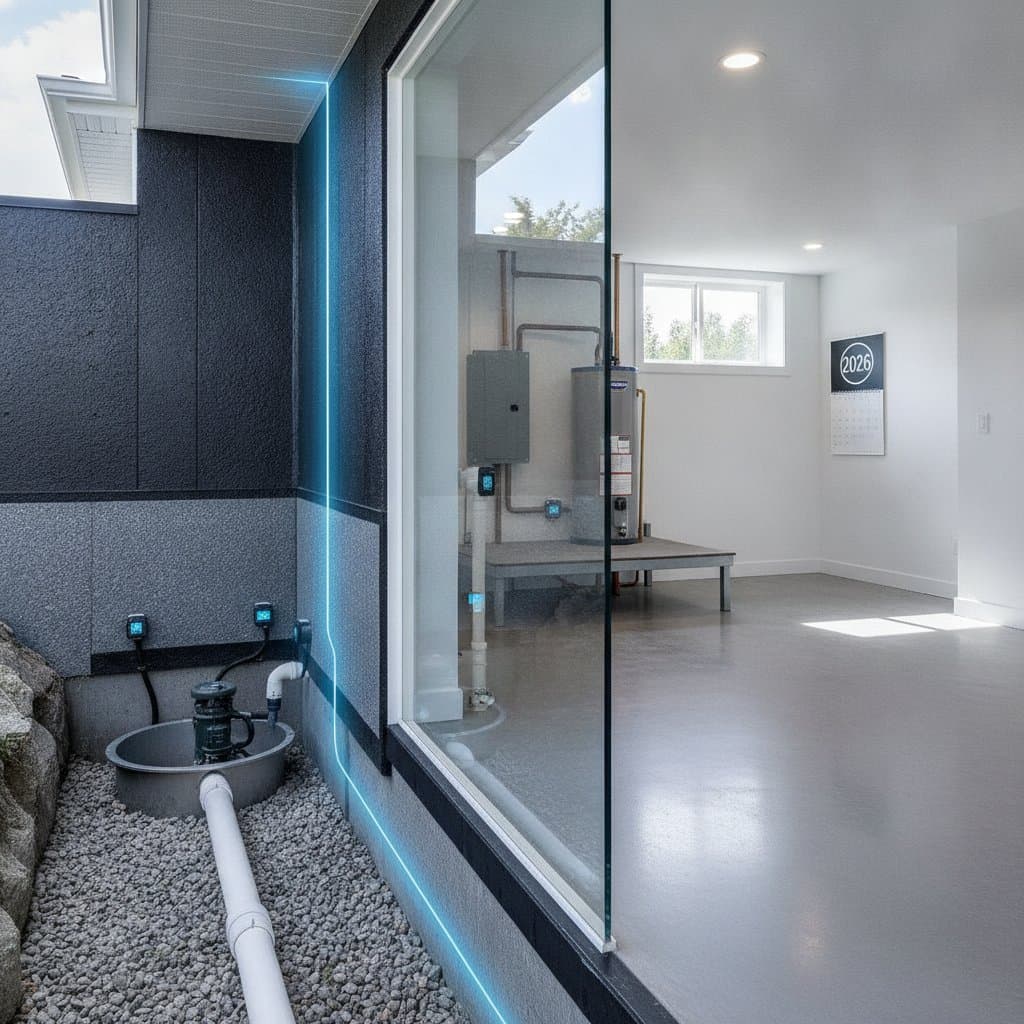
In areas prone to heavy sediment, install mesh screens over vents to filter out larger particles without impeding flow. Lubricate moving parts on mechanical vents to ensure smooth activation during emergencies. For electrical smart vents, verify battery backups and wiring integrity to support remote monitoring capabilities.
Homeowners should integrate vent checks into routine home maintenance schedules, alongside gutter cleaning and foundation inspections. Addressing minor issues early prevents performance degradation that could contribute to foundation vulnerabilities. Consistent upkeep ensures vents remain a dependable line of defense against flood-induced collapse.
Long-Term Benefits and Cost-Effective Strategies
Investing in flood vents yields substantial returns through reduced repair costs and insurance savings. A single foundation collapse can exceed $50,000 in remediation, whereas vents cost between $150 and $300 each, with installation adding $500 to $2,000 depending on the home size. These upfront expenses pale in comparison to potential losses.
Beyond financial advantages, flood vents promote resilient home design, allowing crawl spaces to dry out quickly after floods and minimizing mold growth risks. Properties with compliant venting systems often retain higher market values in flood-prone communities, appealing to buyers seeking secure investments. Insurance providers recognize this proactive approach by offering premium reductions that accumulate over time.
Communities benefit collectively as widespread adoption of flood vents decreases overall flood damage claims, potentially lowering regional insurance rates. Homeowners gain peace of mind knowing their foundations stand fortified against nature's forces. Embracing these solutions transforms flood zones from high-risk liabilities into manageable living environments.