
AI Cuts Renovation Permit Wait from Weeks to Days
AI driven permit tools shrink renovation approval times from weeks to days by automating code checks, flagging errors, and providing real time status updates for homeowners and contractors.

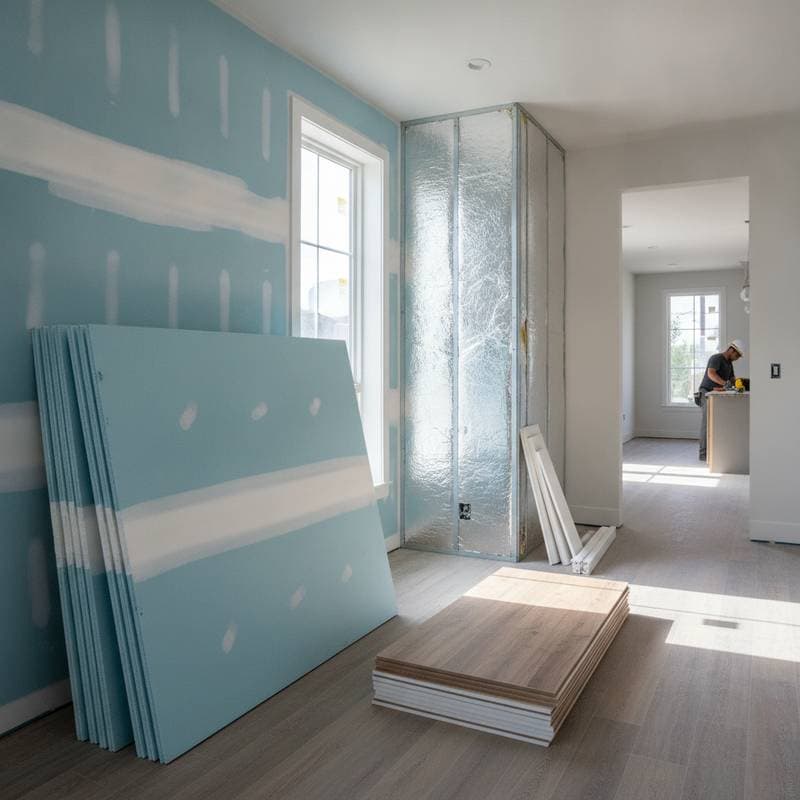
Select mold-resistant drywall, cement board, antimicrobial paint, foam insulation, waterproof flooring, and epoxy grout to limit growth in humid climates. Cost ranges, room-by-room guidance, and upkeep practices help homeowners protect structures and indoor air quality.
AI driven permit tools shrink renovation approval times from weeks to days by automating code checks, flagging errors, and providing real time status updates for homeowners and contractors.
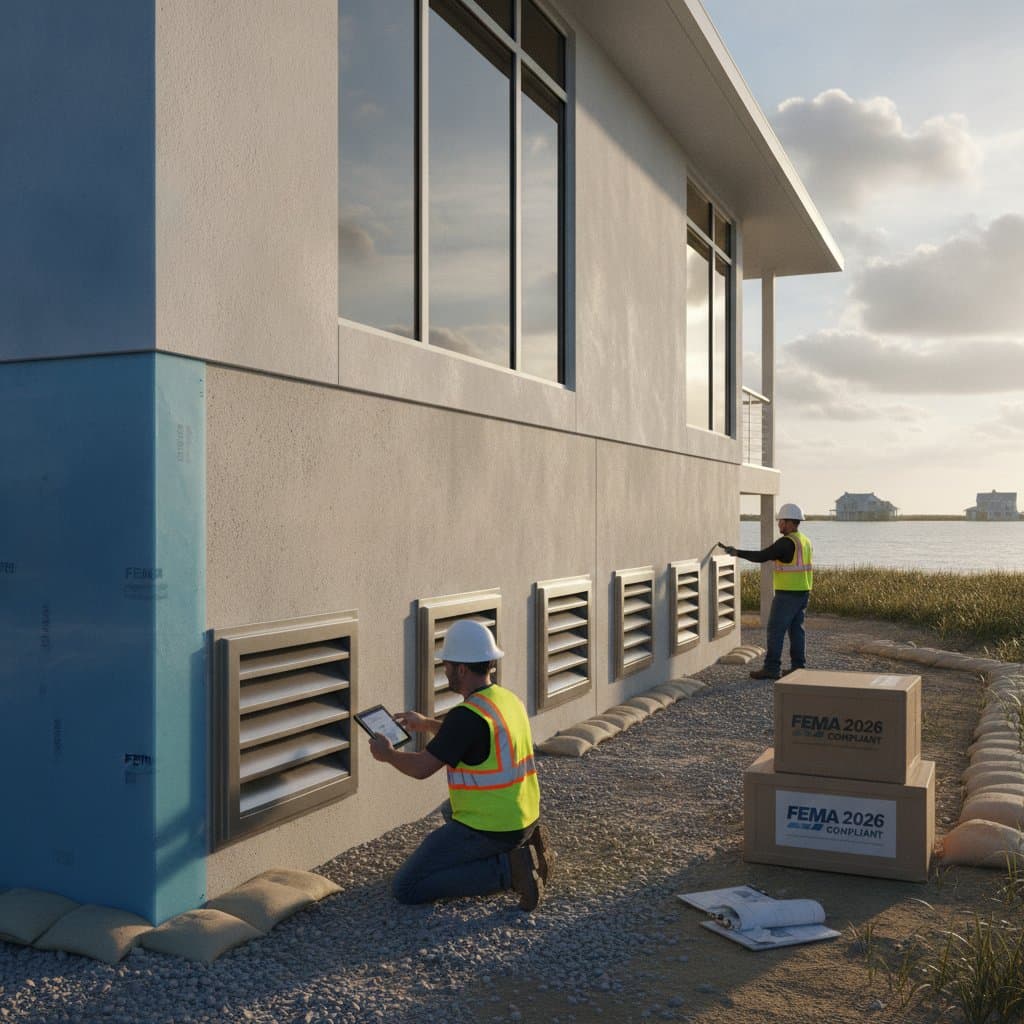
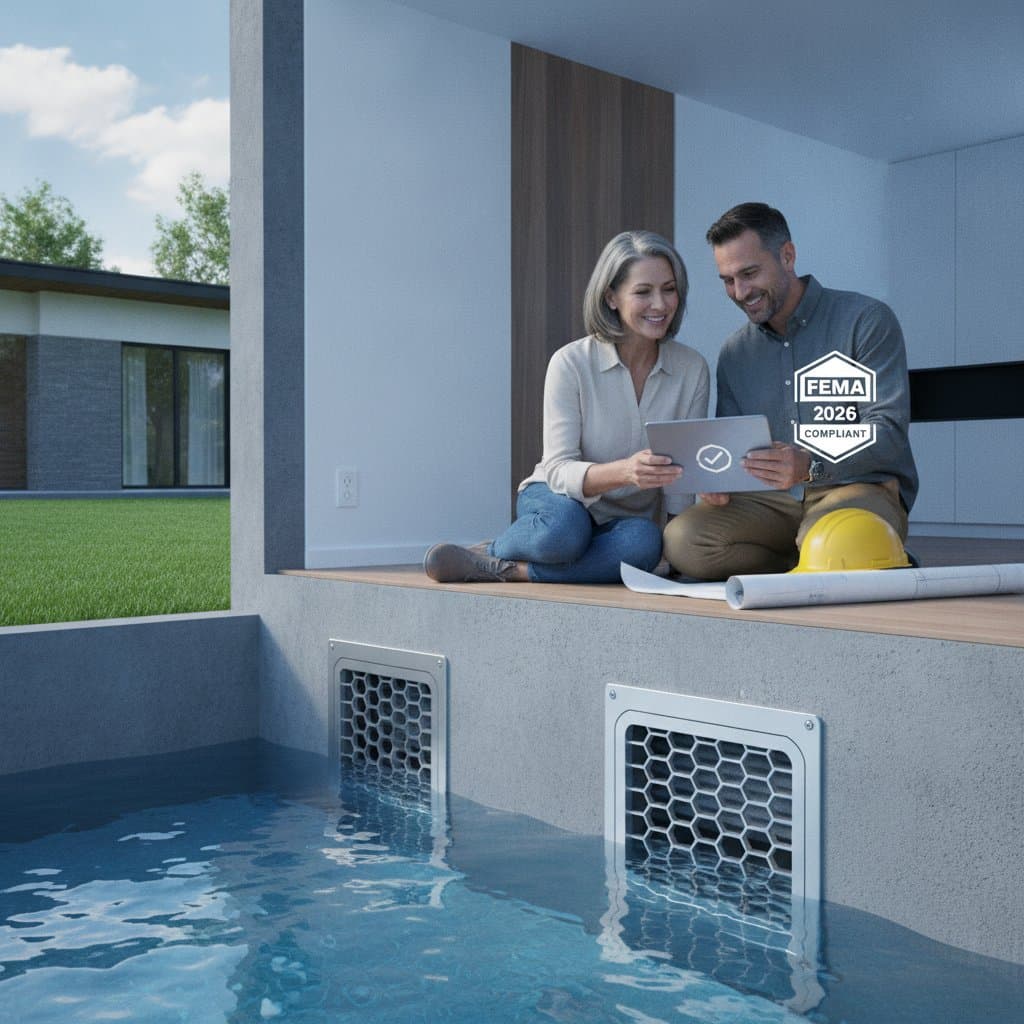
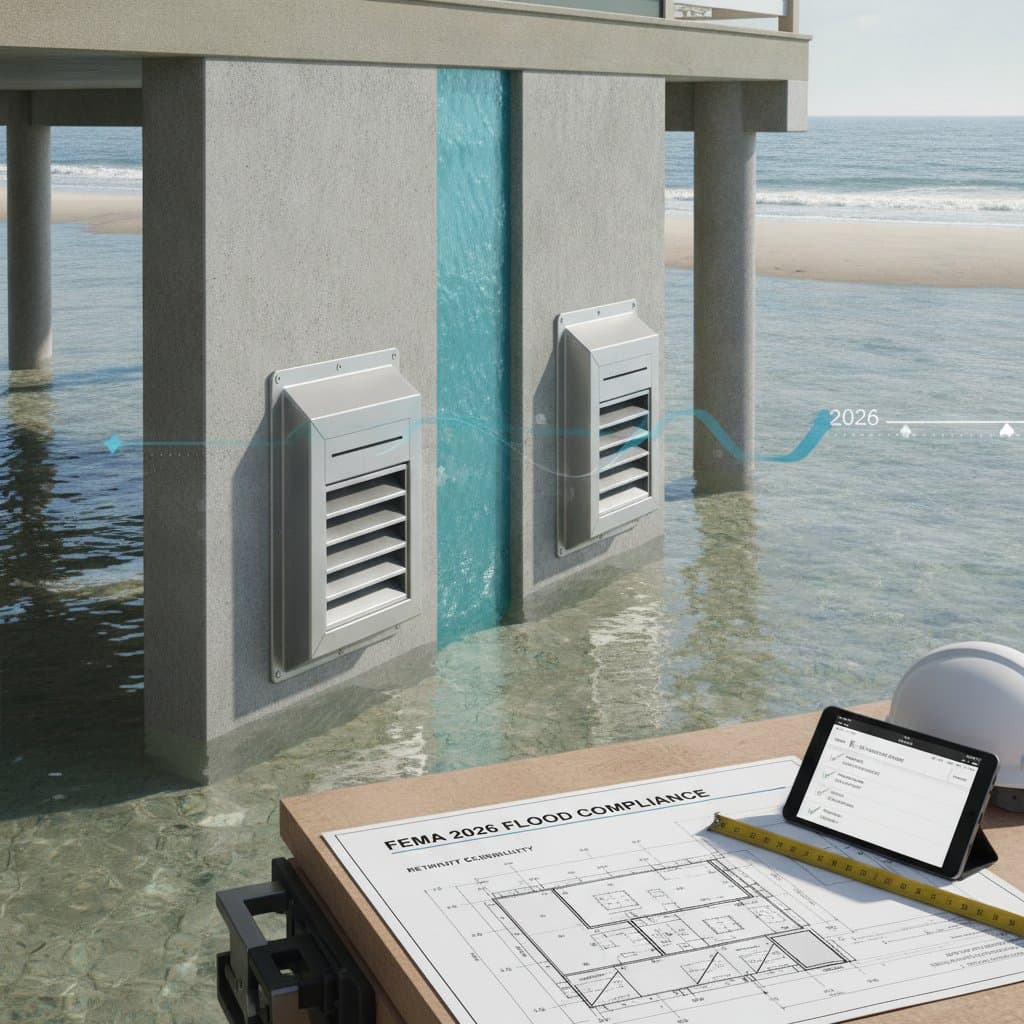
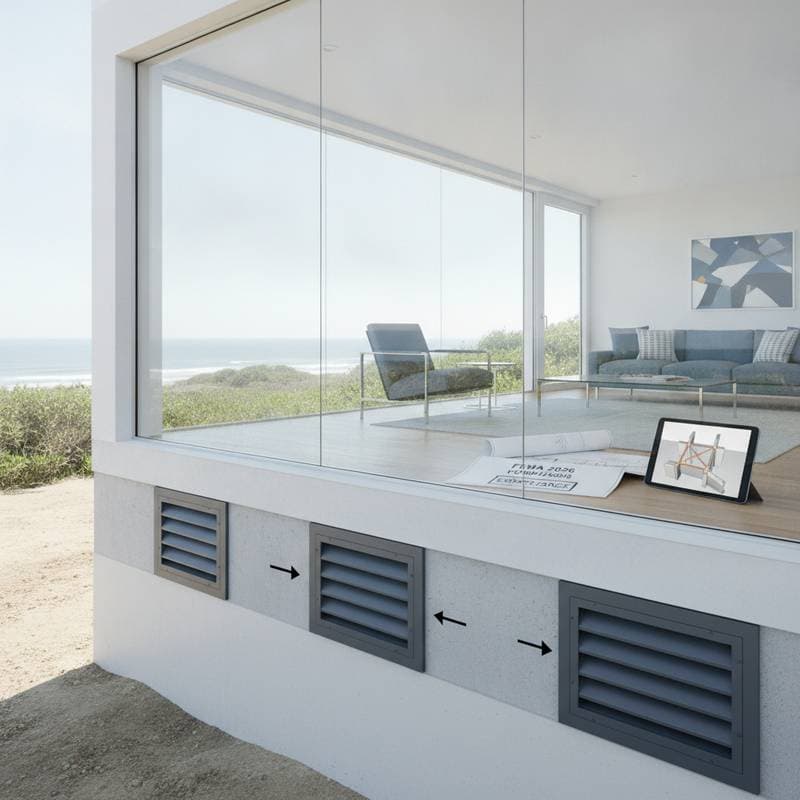
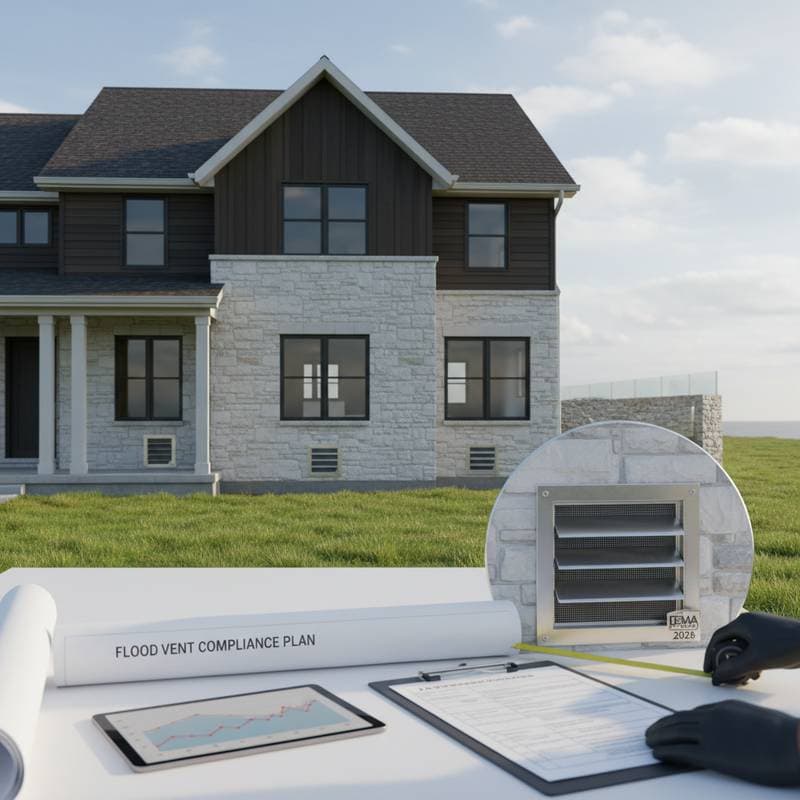
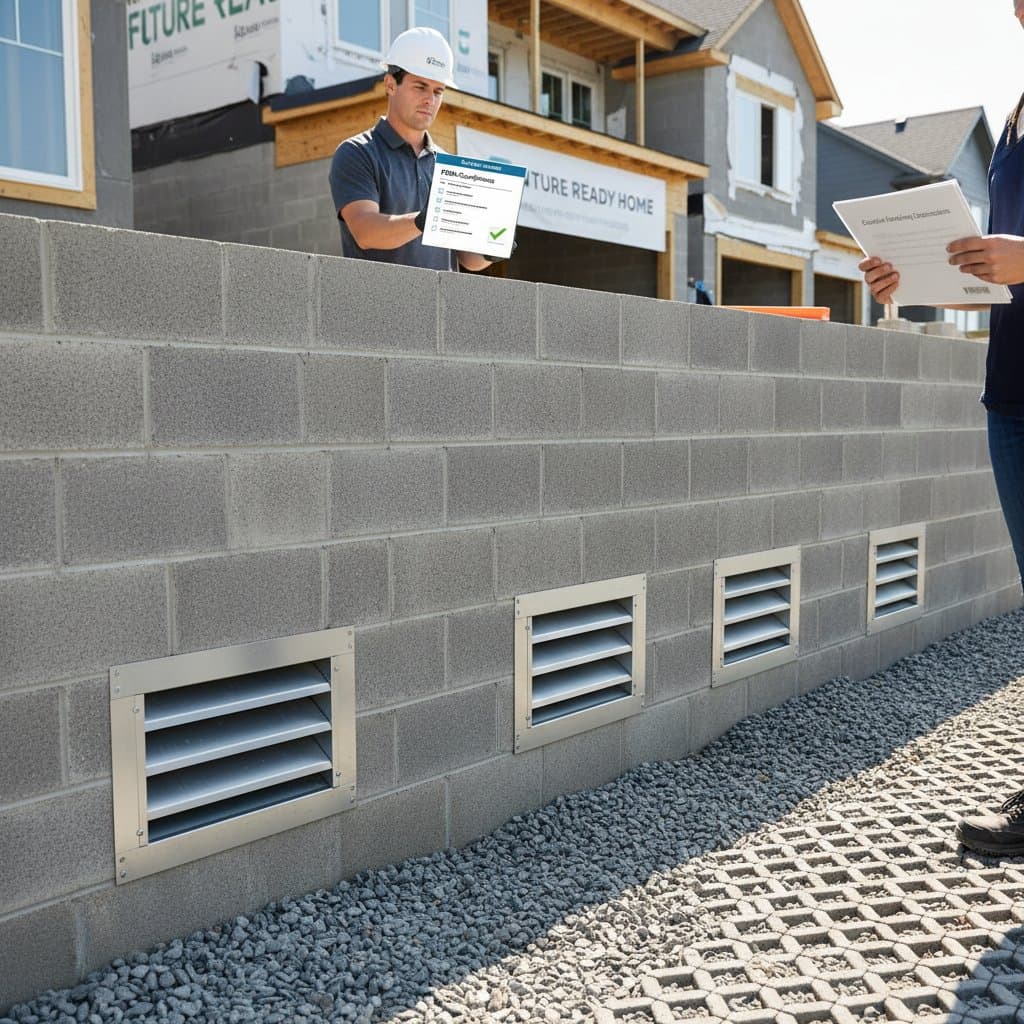
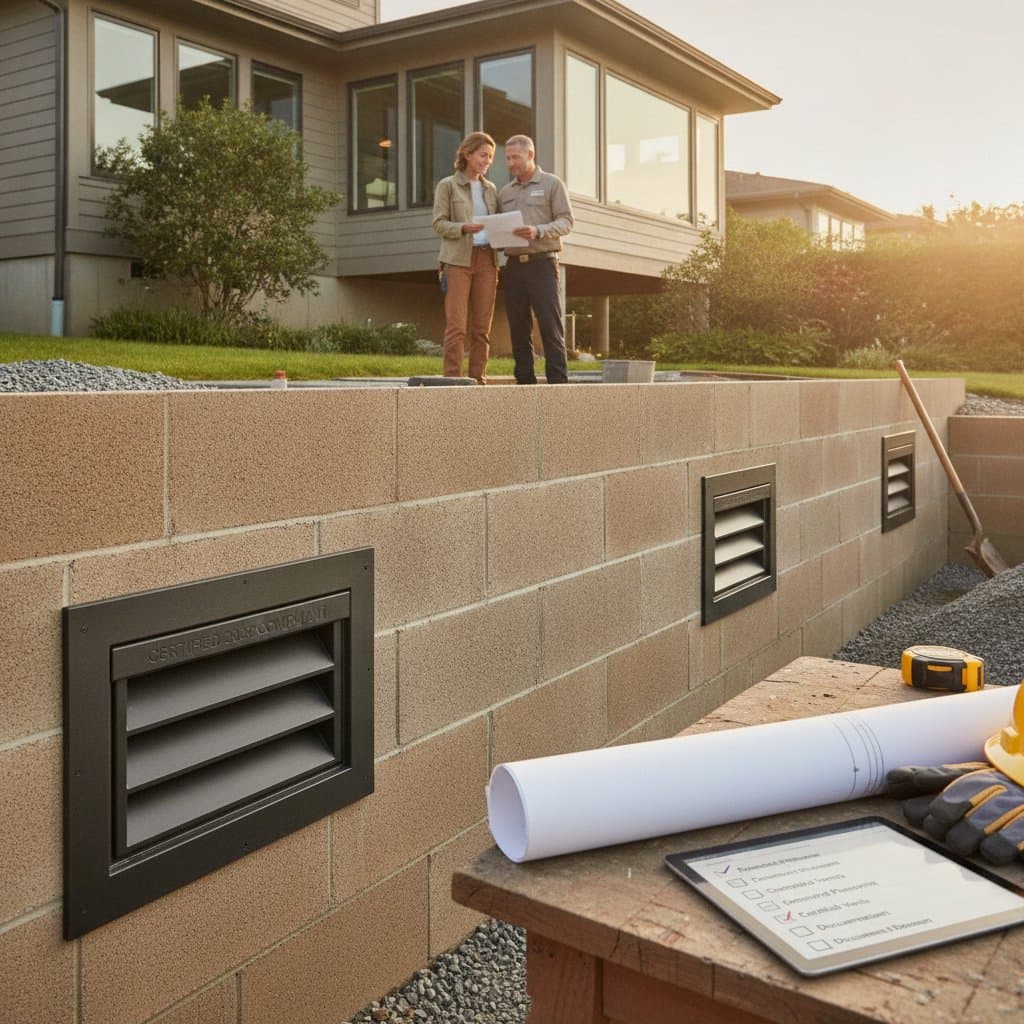
FEMA 2026 flood vent rules introduce stricter certification, labeling, and installation requirements that influence insurance rates and property transactions. This guide covers compliant vent features, real costs, and maintenance practices that protect foundations and support long-term savings.
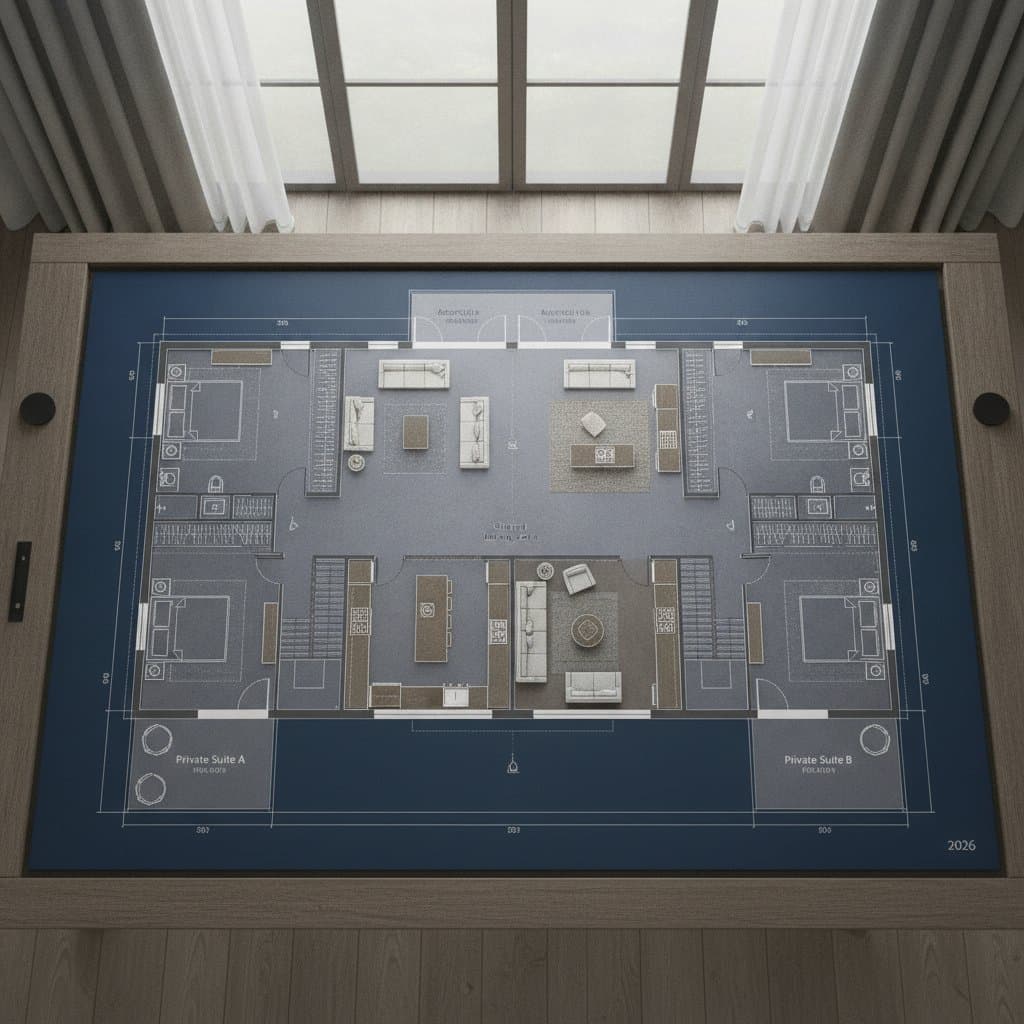
Multigenerational living is reshaping home design for 2026. Families seek layouts that blend privacy, flexibility, and connection across generations while reducing costs and strengthening relationships.
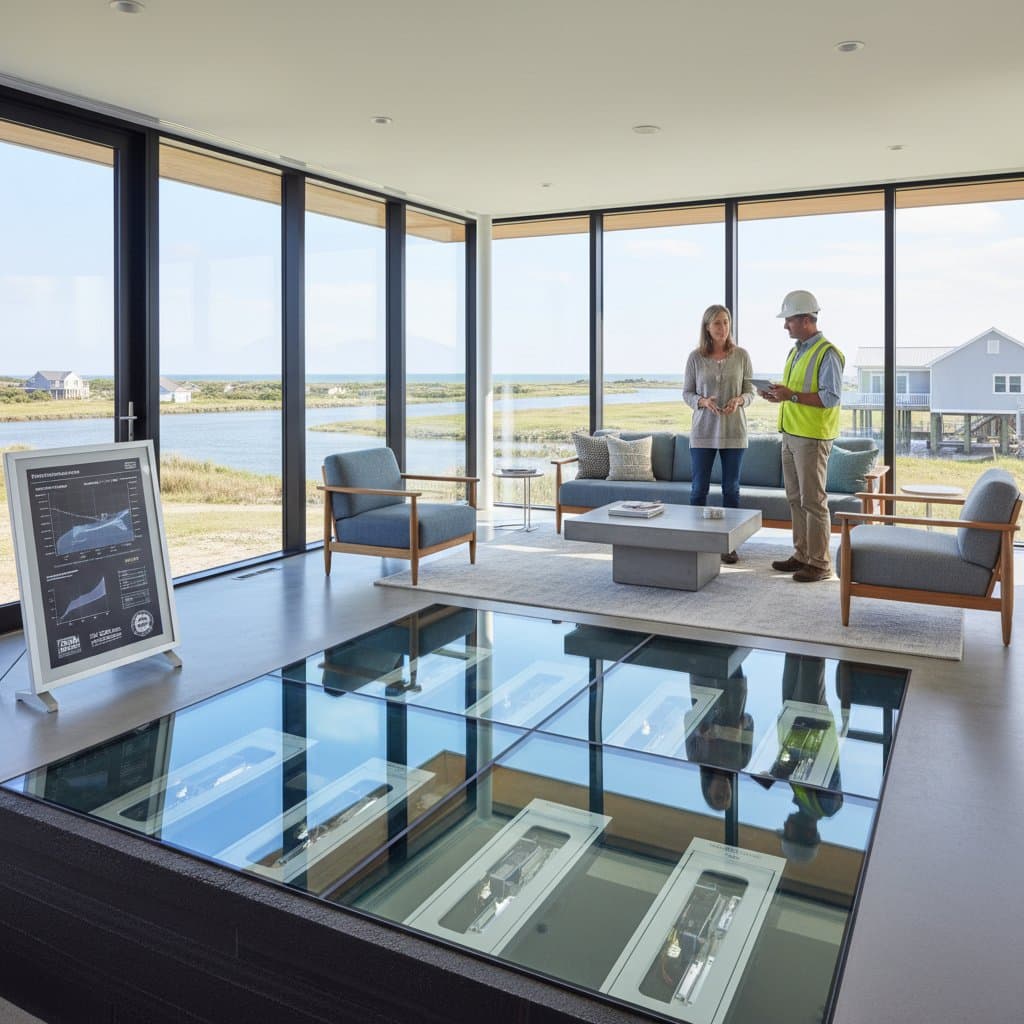
FEMA 2026 updates shift flood vent and wet proofing standards toward verified performance. Homeowners and builders face stricter certification, sizing, and documentation rules that improve resilience and insurance outcomes.
FEMA 2026 updates require certified flood vents, stricter documentation, and durable wet proofing materials. Homeowners and builders must verify compliance, improve drainage, and maintain records to boost safety and property value.
Transform your bathroom in three days with modular pods. These factory-built units arrive ready to install and deliver speed, quality, and predictable costs while cutting renovation time by 70 percent.
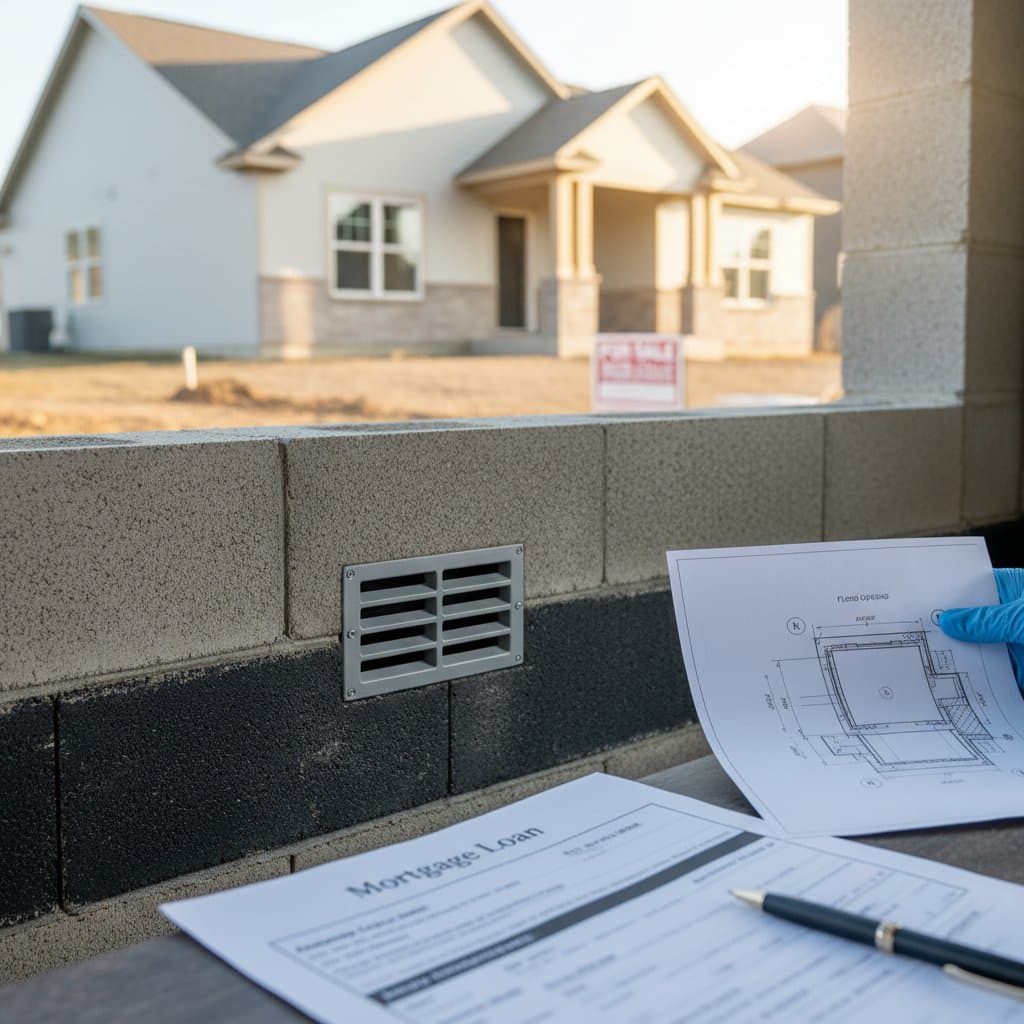
Effective January 2026, homes in flood zones must feature compliant flood vents and wet-proofing for mortgage approval. This guide explains identification, installation options, maintenance tips, and cost-saving strategies to enhance property resilience and meet lending criteria.
Reconstruct post-flood with mold-resistant materials to secure structural integrity, promote healthy air, and boost property value. Explore drywall innovations, sealed insulations, resilient floors, plus costs, regulations, and pro tips for a fortified, moisture-repellent living space.
FEMA's 2026 floodplain management revisions introduce stricter requirements for engineered flood vents and effective wet-proofing to bolster home protection against flooding. These measures enhance structural integrity, cut down on repair expenses, and could lead to insurance savings. Property owners in high-risk areas must evaluate their setups promptly to maintain value, prioritize safety, and sidestep expensive modifications down the line.
Navigate 2026 home upgrades that bypass permits and those that require them. Gain insights into local variations, essential precautions, and strategies to streamline projects while safeguarding your investment.
FEMA's 2026 revisions clarify flood vent and wet-proofing standards, easing compliance for homeowners. This guide covers selecting durable materials, routine upkeep, and expert intervention to avert damage, lower premiums, and enhance flood resilience.
FEMA's 2026 flood vent updates enhance resilience in flood zones by improving vent standards, materials, and wet-proofing integration. Explore compliance essentials, property assessments, DIY upgrades, and professional strategies to safeguard your home and reduce risks effectively.
FEMA introduces stricter 2026 standards for flood vents and wet-proofing in high-risk areas. Homeowners must install certified vents, use durable materials, and follow precise guidelines to achieve compliance, secure flood insurance, and minimize costs from water damage.
The 2026 FEMA flood vent code revisions introduce rigorous standards for testing, certification, and installation to enhance flood resilience in vulnerable homes. Homeowners who act promptly can sidestep expensive upgrades, maintain insurance coverage, and minimize flood damage risks. Explore detailed changes, cost factors, savings strategies, and proactive measures to safeguard your investment.
Biophilic design weaves natural elements into homes, creating serene spaces that connect residents to the outdoors. It improves air quality, sharpens focus, and restores emotional equilibrium with features like abundant light, lush plants, and earthy textures. These accessible enhancements cultivate a vibrant, healing atmosphere in any living environment.
The 2026 FEMA flood vent updates establish mandatory standards for wet-proofing, influencing safety, insurance eligibility, and building codes. Homeowners benefit from certified vents that enable automatic pressure equalization, with installation costs influenced by material and location. Proactive steps, including regular maintenance, ensure long-term property protection and potential premium reductions.
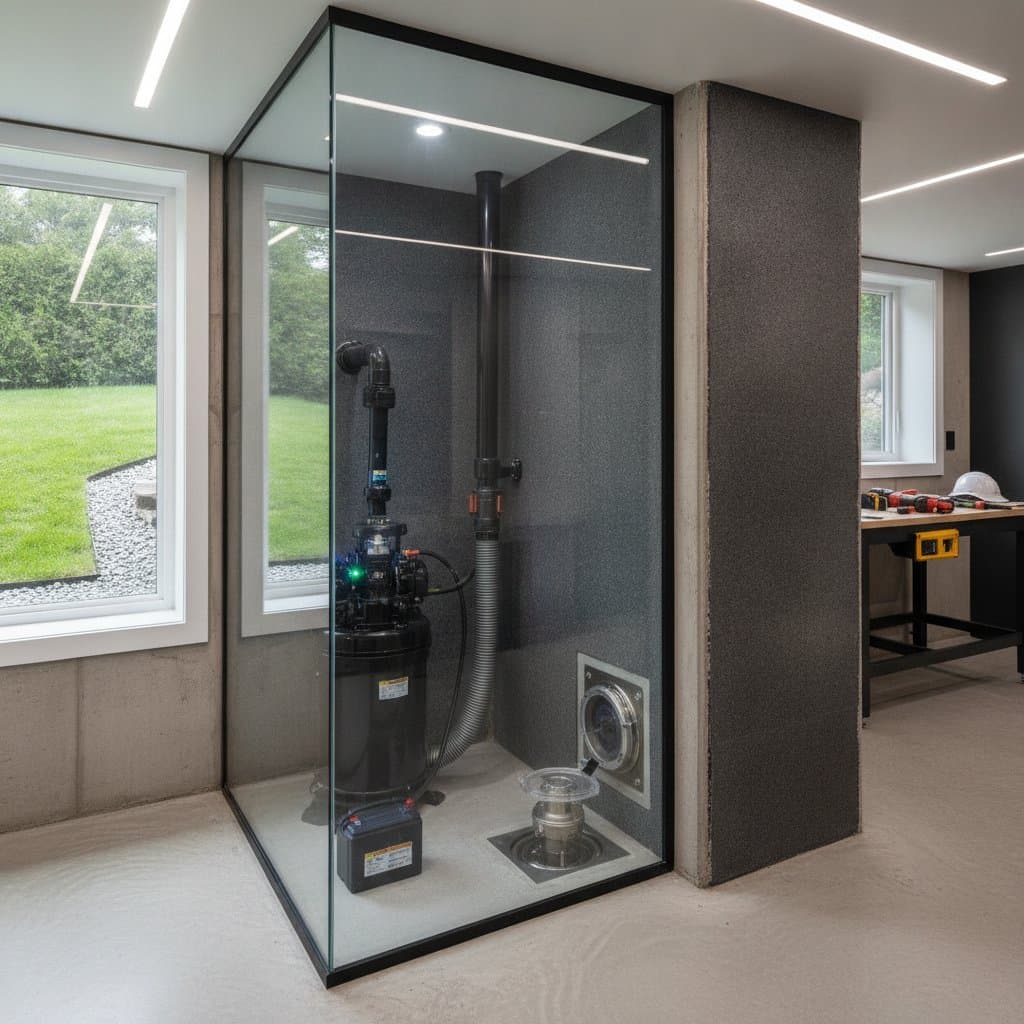
2026 building codes elevate basement flood safeguards with mandatory flood vents, superior waterproofing, and enhanced drainage. Homeowners benefit from actionable maintenance, affordable upgrades, and expert guidance to ensure dryness, safety, and code adherence while preserving home value.
The 2026 building codes introduce rigorous moisture control and ventilation requirements for home construction. Selecting certified mold-resistant materials enhances health, maintains property value, and reduces long-term expenses. Options spanning drywall to insulation promote superior air quality, structural integrity, and energy efficiency for forward-thinking homeowners.
The 2026 building codes elevate mold-resistant drywall to a near-mandatory status, influencing renovation budgets and material choices. These stricter moisture and air quality regulations prevent expensive repairs, enhance home value, and promote healthier living spaces. Discover the implications for costs, compliance, and proactive planning.