Understanding 2026 Flood Insurance Requirements for Basements
Homeowners with basements face new insurance standards that take effect in 2026. These rules require proof that basements can resist water intrusion before policies receive approval or renewal. Preparation now prevents coverage gaps and supports long-term property protection.
This guide outlines the reasons for the changes. It provides concrete steps for compliance. Readers will learn maintenance routines, decision criteria for professional services, and documentation practices that satisfy insurers.
Core Maintenance Tasks
Routine upkeep forms the foundation of flood resistance. Focus on these five areas before any major projects.
- Clean gutters and extend downspouts so water exits at least six feet from the foundation.
- Grade soil to slope away from the house at six inches over the first ten feet.
- Fill wall and floor cracks with hydraulic cement, then apply an epoxy topcoat.
- Test the sump pump monthly by adding water to the basin until activation occurs.
- Add a battery backup unit sized to run the pump for at least eight hours.
Perform these tasks in sequence. Begin at the roofline and finish at the lowest interior point.
Choosing Between DIY and Professional Work
Homeowners can complete surface-level tasks safely. Larger interventions require licensed contractors.
Suitable for DIY:
- Gutter cleaning and downspout extensions
- Minor crack sealing under one-quarter inch wide
- Sump pump testing and filter cleaning
- Application of waterproof masonry paint on dry walls
Require professionals:
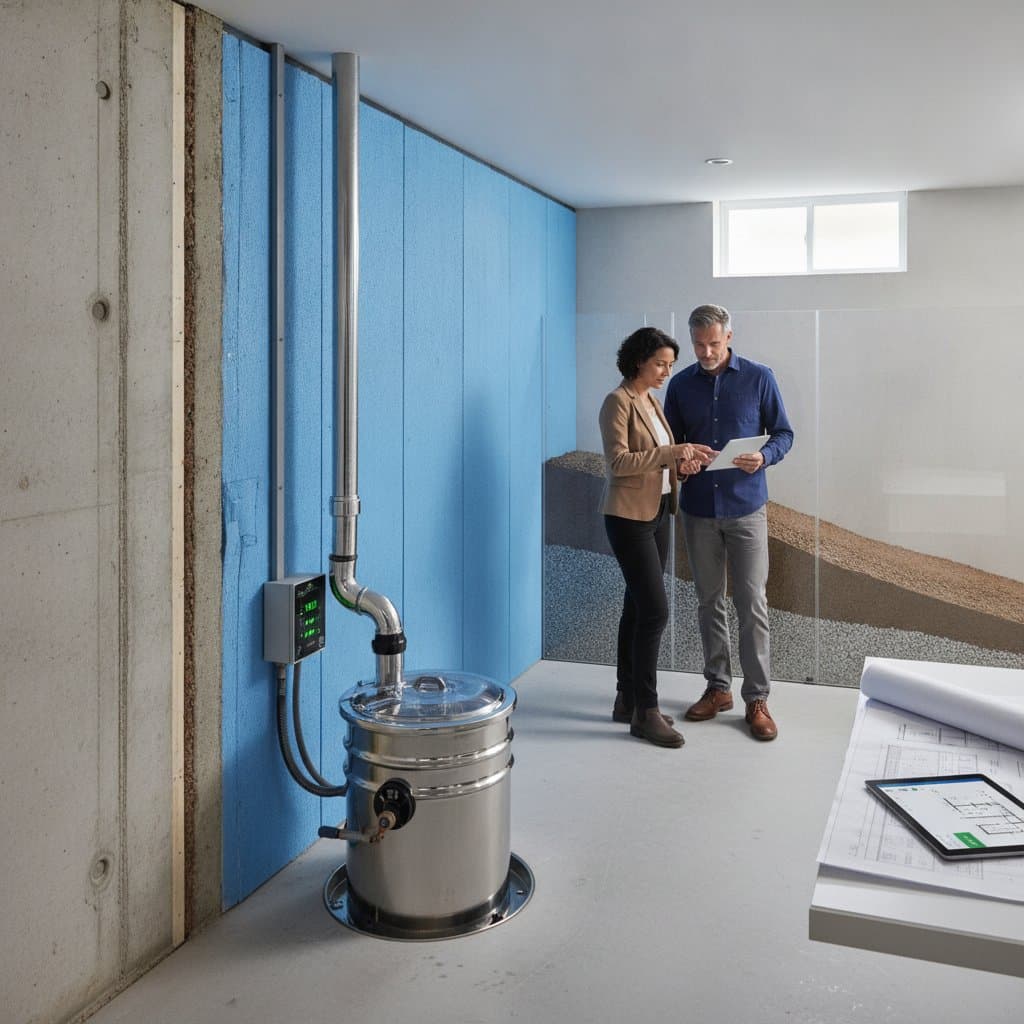
- Installation of interior French drains or exterior excavation
- Structural crack repair wider than one-quarter inch
- New sump pump placement or electrical upgrades
- Full membrane waterproofing systems
Structural concerns, electrical work, or heavy equipment use always call for expert involvement. Improper repairs can create safety risks and disqualify insurance claims.
Indicators That Warrant Professional Inspection
Certain conditions signal the need for outside evaluation. Contact a certified waterproofing contractor when any of the following appear.
- Water continues to enter after basic sealing
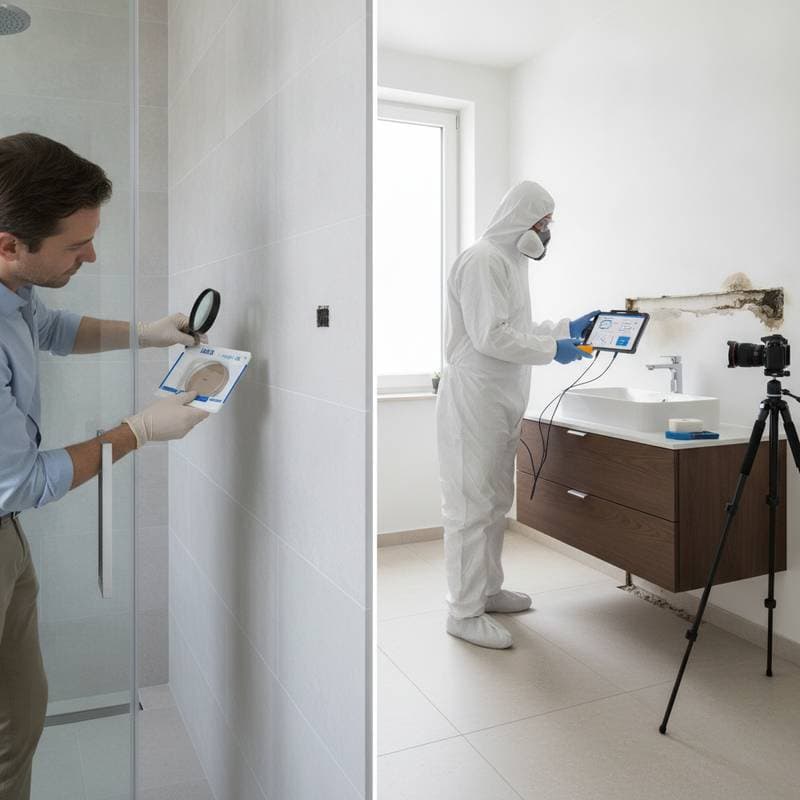
- Mold covers more than ten square feet
- The sump pump cycles repeatedly without heavy rain
- Foundation walls show horizontal cracks or inward bowing
- Stains reappear on walls within weeks of treatment
Contractors supply written reports, photographs, and material receipts. These documents satisfy upcoming insurance verification requirements.
Reasons for the Insurance Changes
Flood losses represent the largest source of residential claims. Insurers now shift focus toward prevention. Homeowners must demonstrate that basements meet minimum water-resistance standards through inspection reports or completed work records.
Properties that comply often qualify for reduced premiums. Dry basements also limit mold growth, preserve indoor air quality, and protect structural elements from long-term deterioration.
Daily Habits That Reduce Risk
Small ongoing actions complement major repairs. Adopt these practices to maintain compliance.
- Place battery-powered water sensors near floor drains and water heaters.
- Store items on elevated plastic shelving rather than directly on concrete.
- Operate a dehumidifier to keep relative humidity below 55 percent.
- Examine visible plumbing lines for drips during each seasonal inspection.
- Clear yard drains and storm grates of leaves and sediment quarterly.
Consistent habits lower claim frequency and support favorable insurance terms.
Sustaining Protection and Capturing Savings
After initial upgrades, schedule quarterly checks of pumps, seals, and drainage paths. Keep dated photographs and receipts in a dedicated folder for each inspection cycle. Insurers frequently offer renewal discounts when records show ongoing maintenance.
A dry basement reduces repair costs, improves resale value, and provides reliable protection against future mandates.