Best Waterproof Floors That Survive Real Floods
Flood

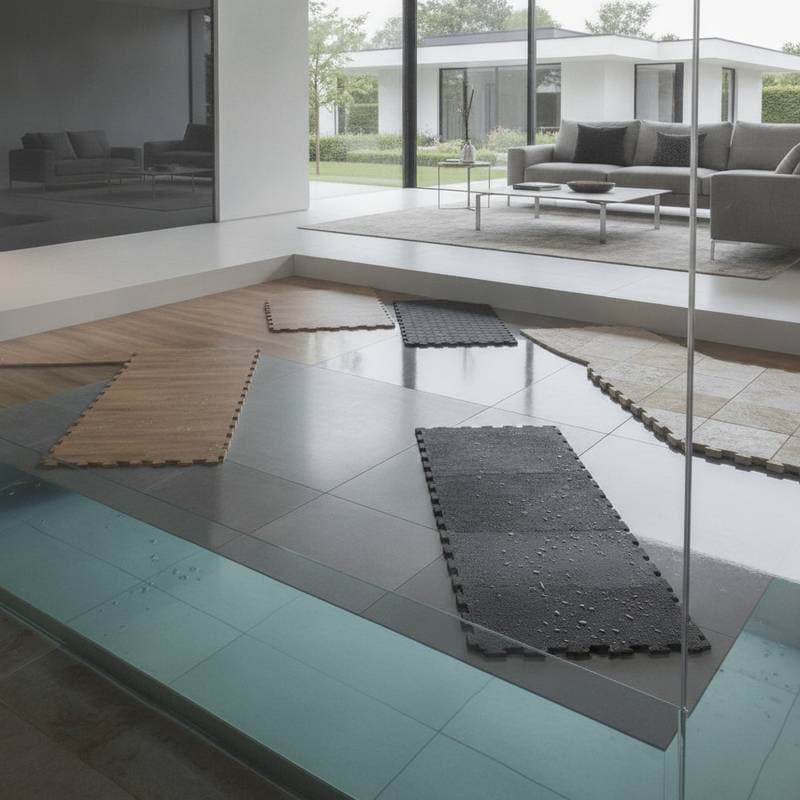
Best Waterproof Floors That Survive Real Floods

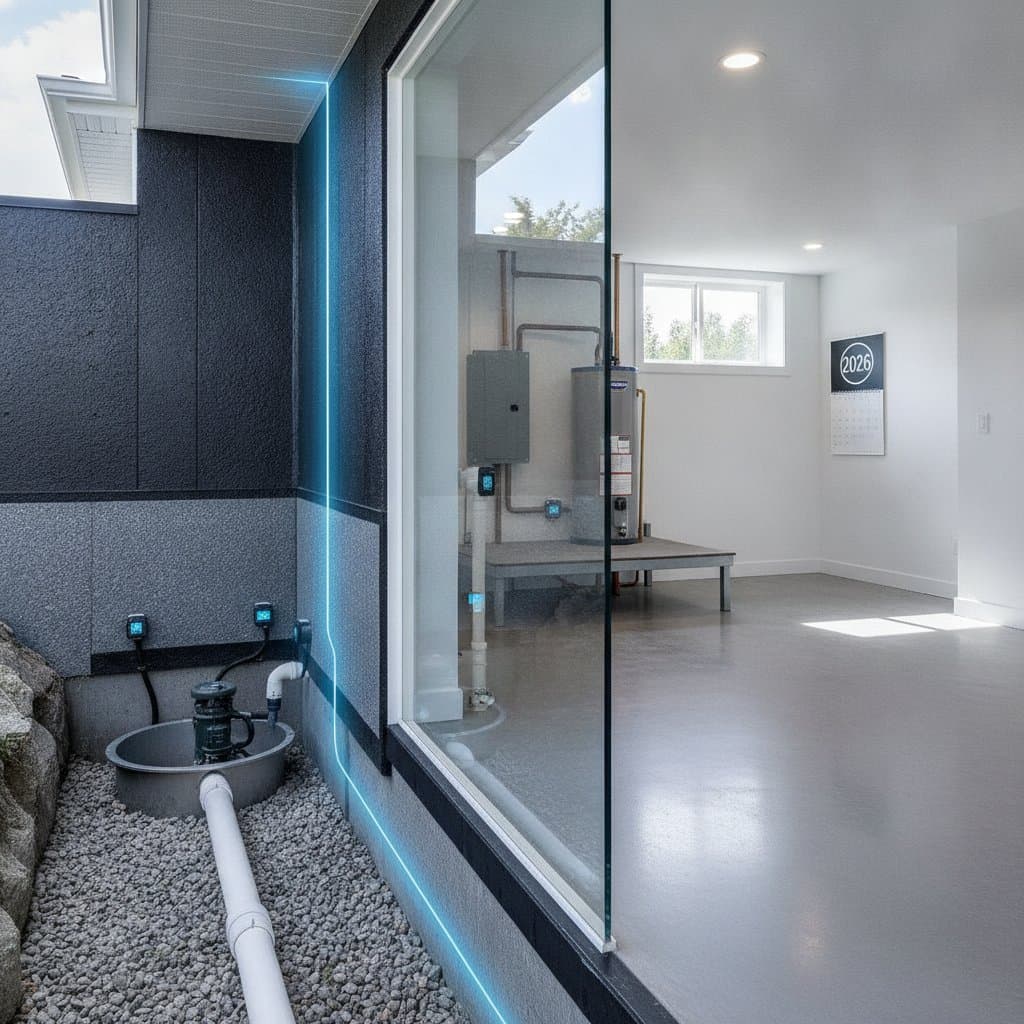
Homeowners gain lasting protection with flood resistant flooring materials suited to wet conditions. Options such as luxury vinyl plank, porcelain tile, epoxy, sealed concrete, and rubber each balance performance, cost, and maintenance needs. Practical guidance covers selection, savings methods, and care routines that preserve value.

By Becca RobertsJune 17, 2026
Read Article

More articles tagged #Flood

Explore our collection of flood related content

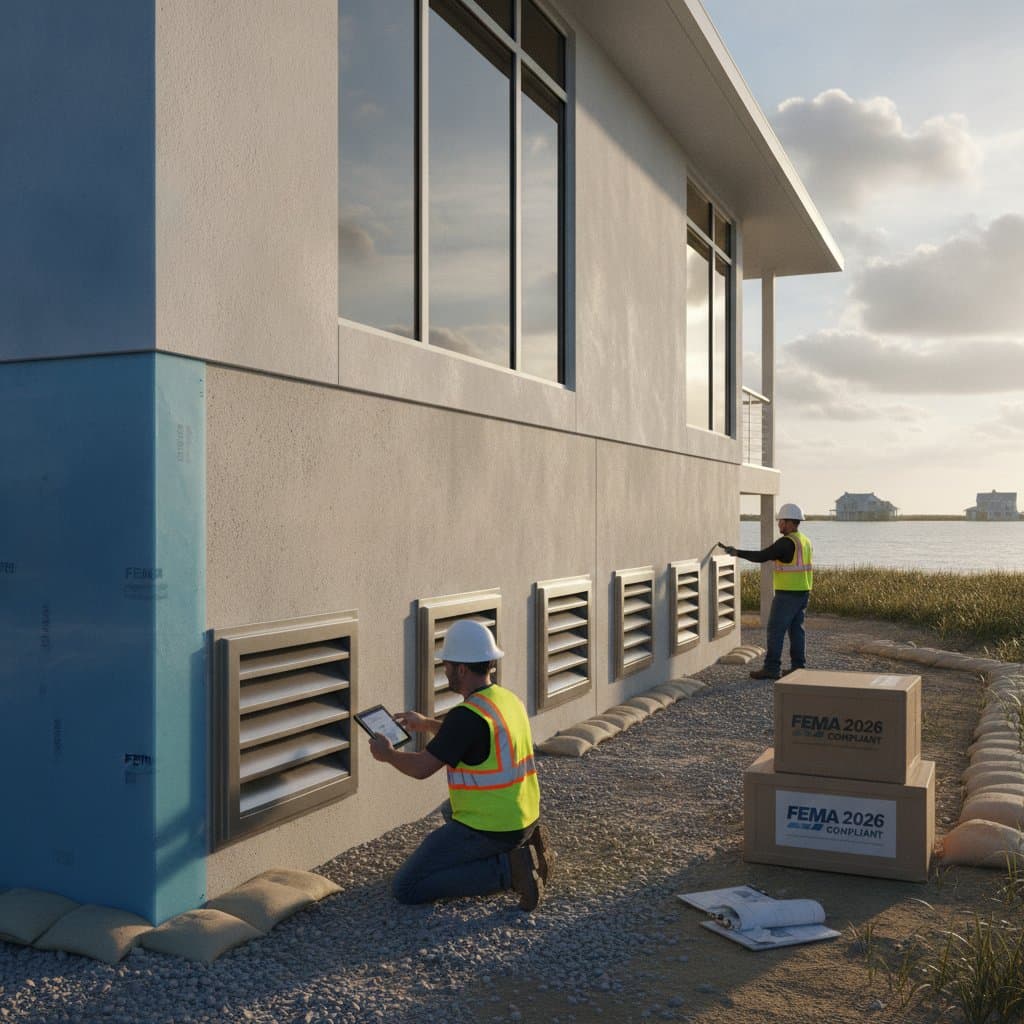
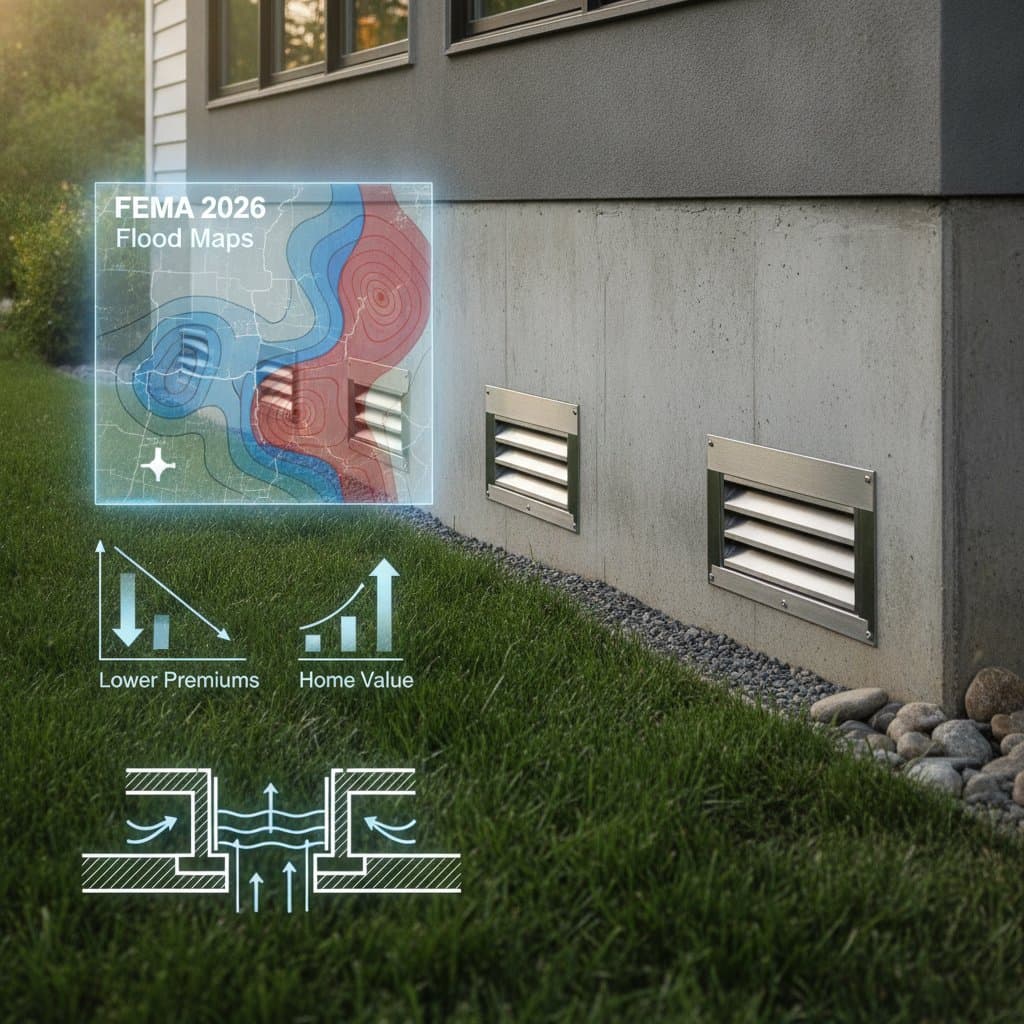
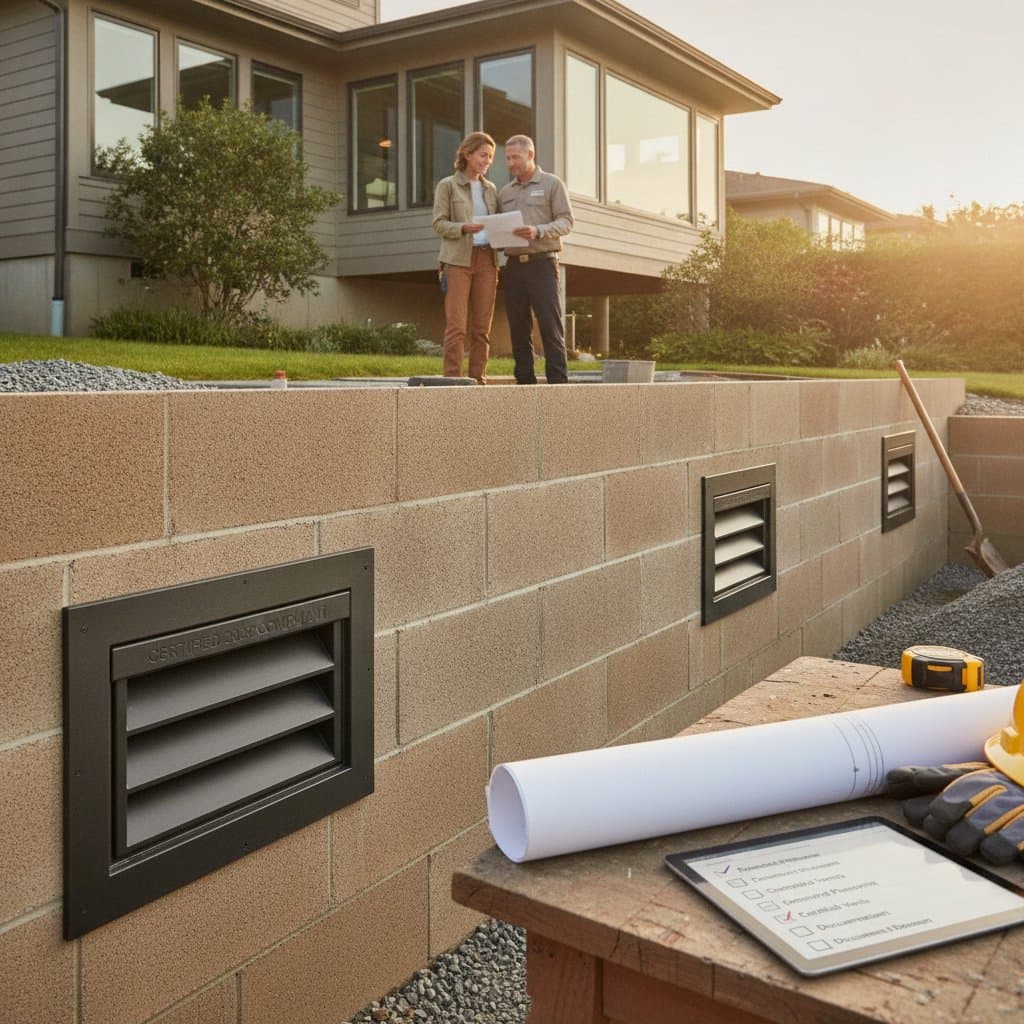
FEMA's New Flood Vent Rules Change Foundation Design

FEMA's New Flood Vent Rules Change Foundation Design

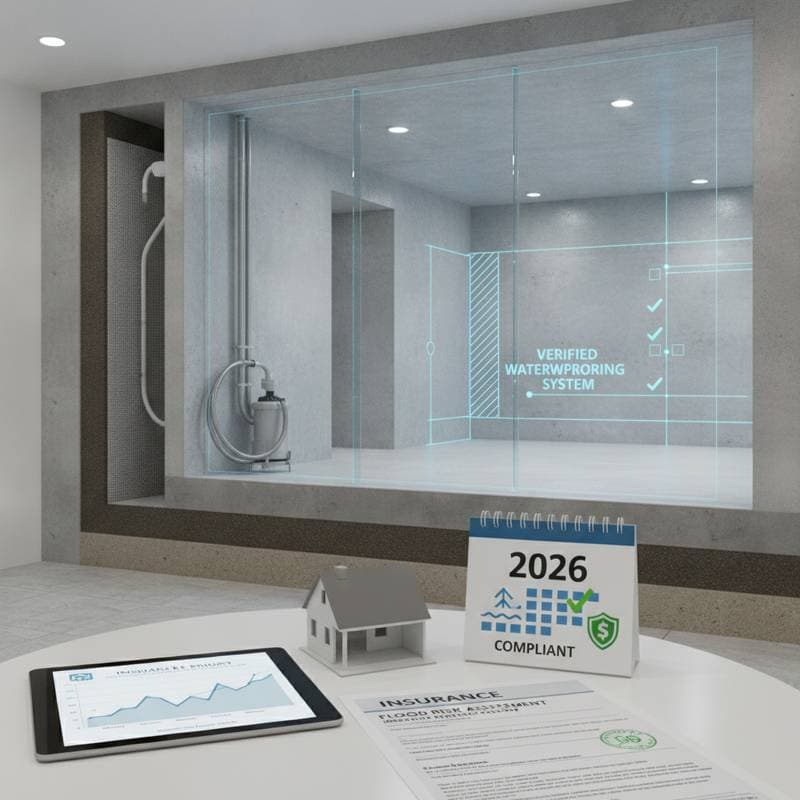
FEMA 2026 code updates introduce stricter standards for flood vents and wet-proofing. Homeowners gain clearer compliance rules, certified materials, and design strategies that reduce damage and insurance costs.

JoAnn SouzaJun 15
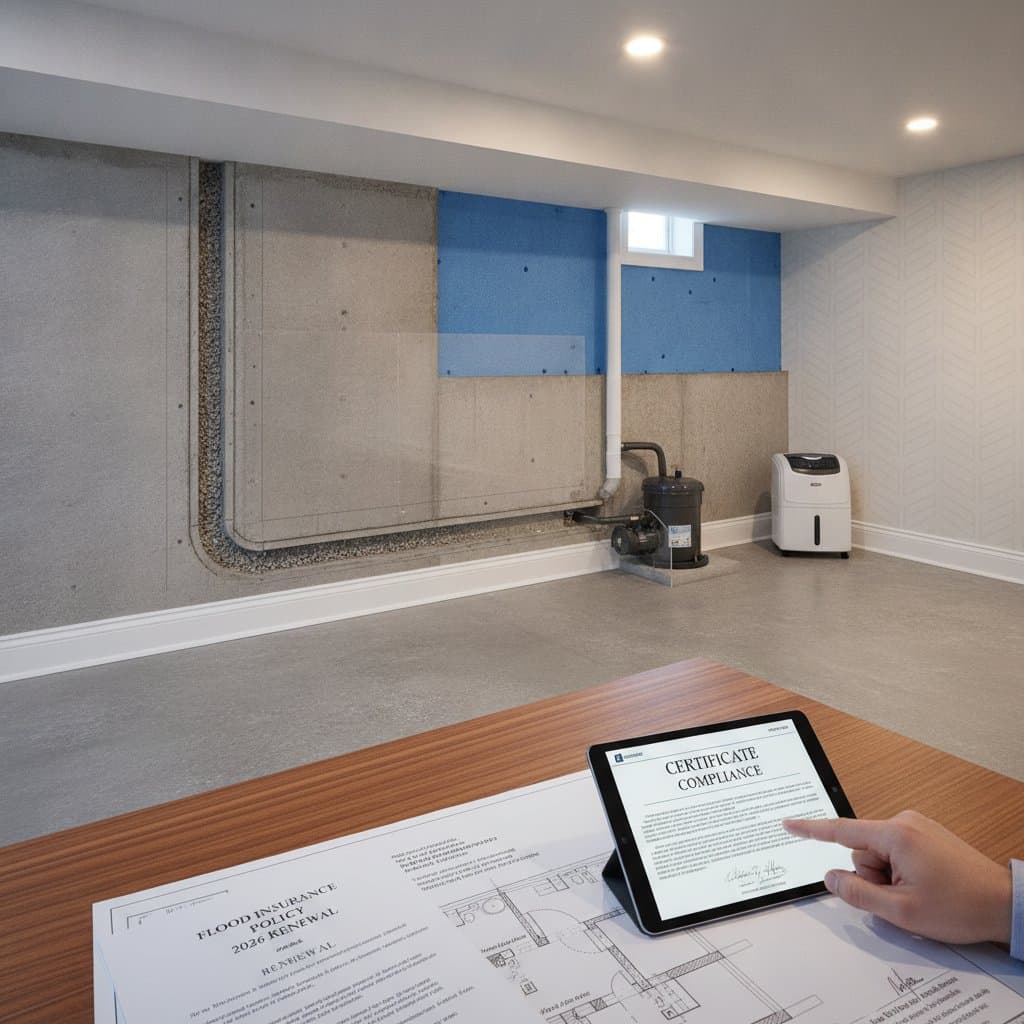
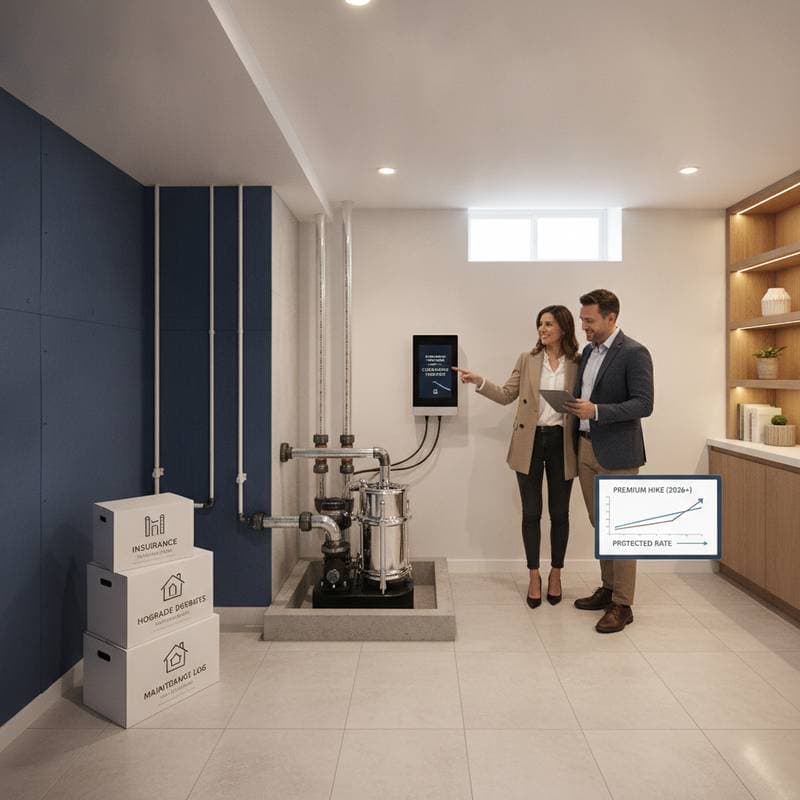
Flood-Resistant Floors That Cut Insurance Premiums

Flood-Resistant Floors That Cut Insurance Premiums

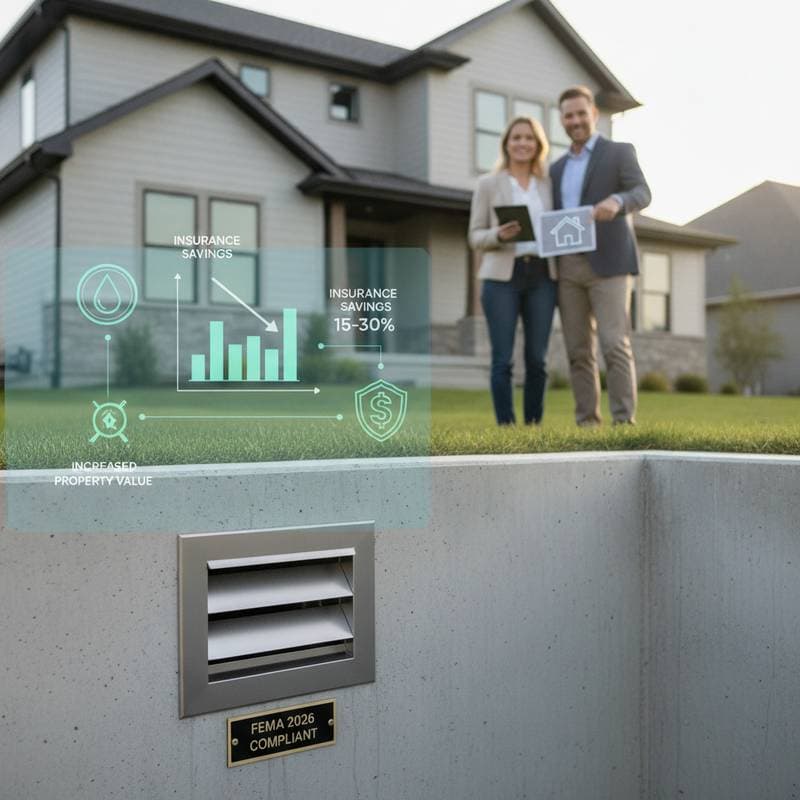
Protect your home and your wallet with flood-resistant flooring that withstands water damage and lowers insurance premiums. From vinyl and tile to sealed concrete and epoxy, these durable options reduce risk, add value, and offer peace of mind.

Nicole BarkerJun 12

Flood-Proof Floors That Cut Insurance Premiums

Learn about 2026 flood-proof flooring innovations that shield homes from water damage and lower insurance costs. Options like luxury vinyl plank, ceramic tile, sealed concrete, and engineered stone provide durability, cost savings, and reliability. Gain insights on installation, return on investment, and strategies approved by insurers for resilient upgrades.

4 min read
By Stacy Cadri

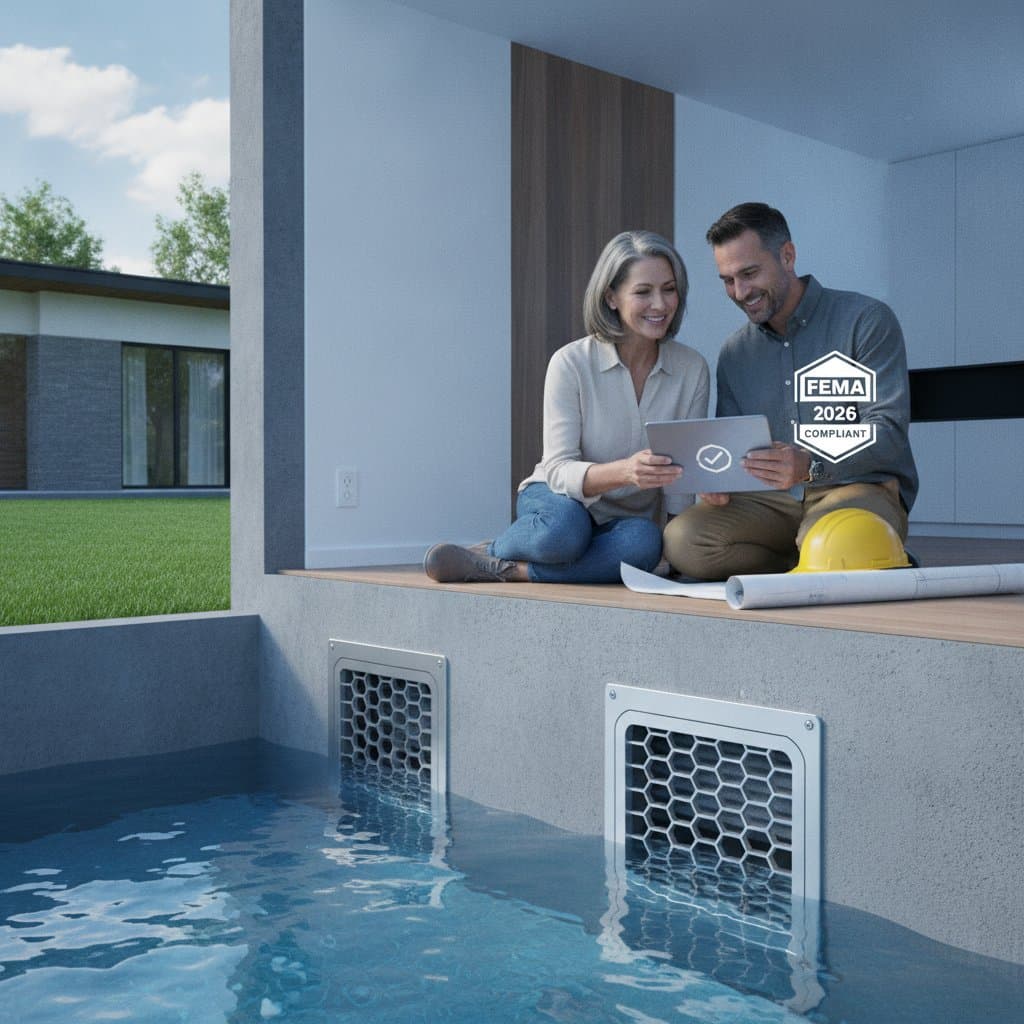
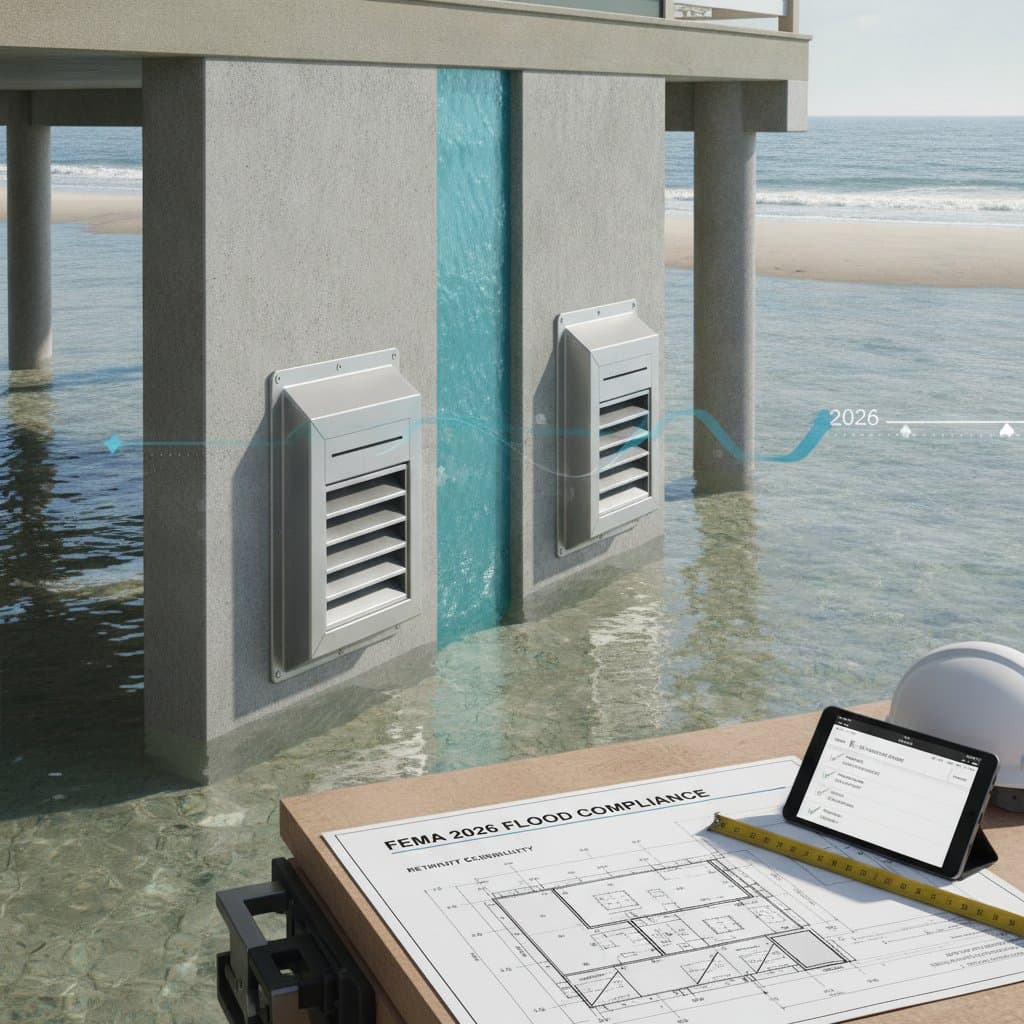
FEMA's 2026 Flood Rules: Vents and Wet-Proofing Essentials

FEMA's 2026 floodplain management revisions introduce stricter requirements for engineered flood vents and effective wet-proofing to bolster home protection against flooding. These measures enhance structural integrity, cut down on repair expenses, and could lead to insurance savings. Property owners in high-risk areas must evaluate their setups promptly to maintain value, prioritize safety, and sidestep expensive modifications down the line.

5 min read
By Kelly Alyse