
FEMA 2026 Flood Venting Rules Change Everything
Wet Proofing

FEMA 2026 Flood Venting Rules Change Everything

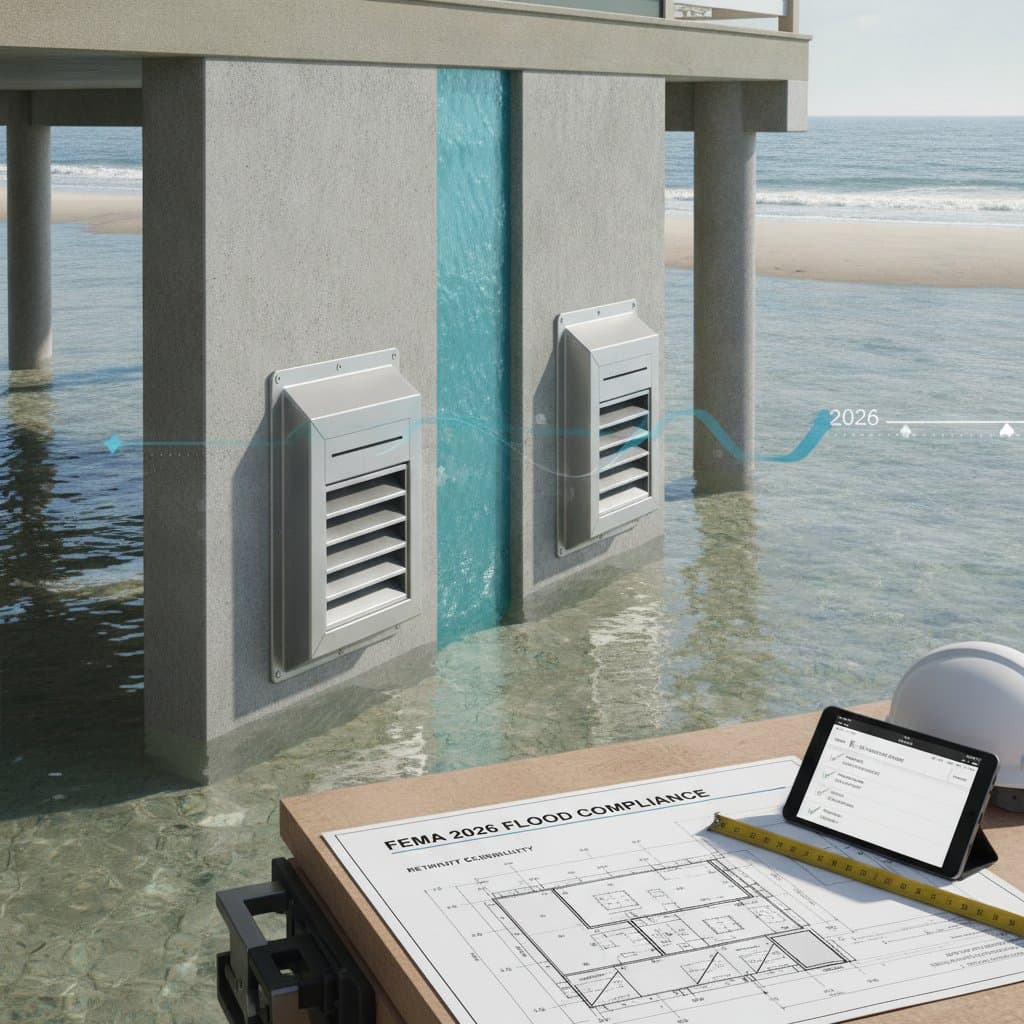
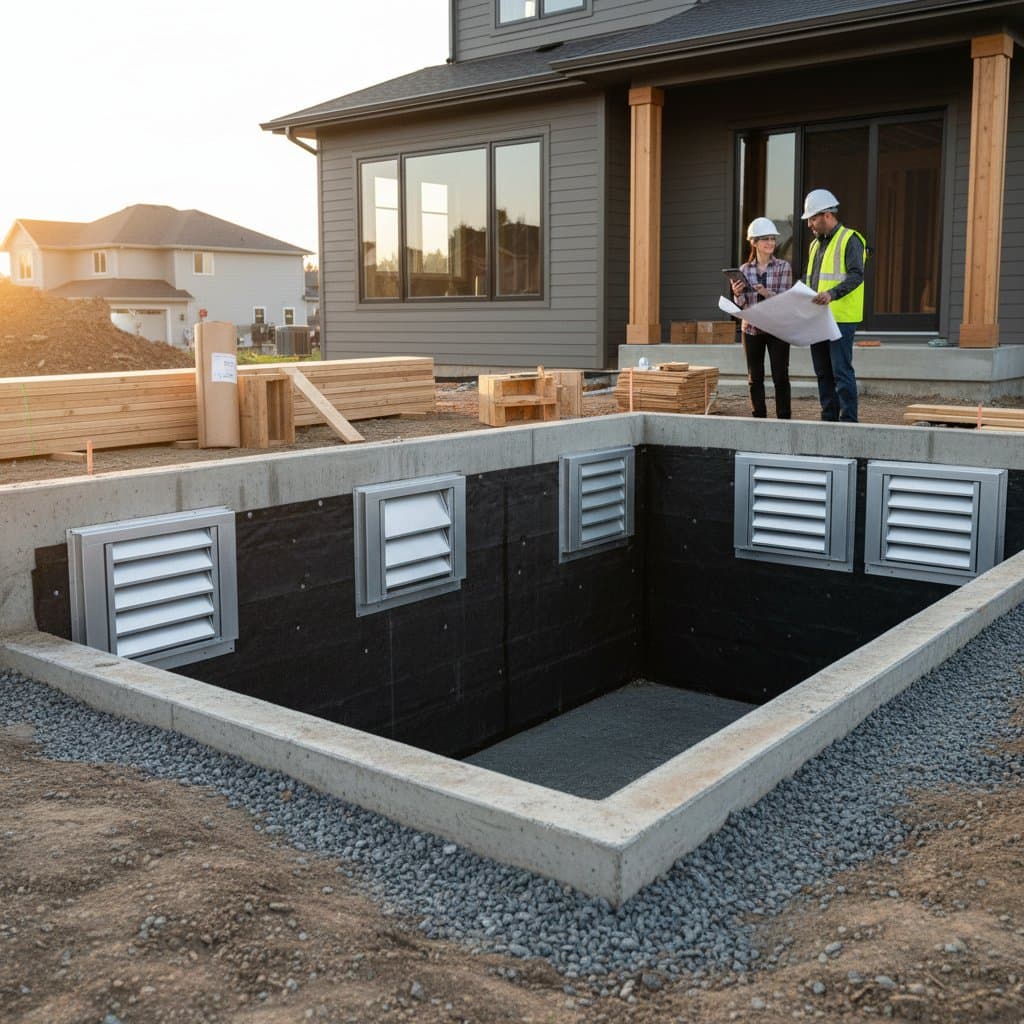
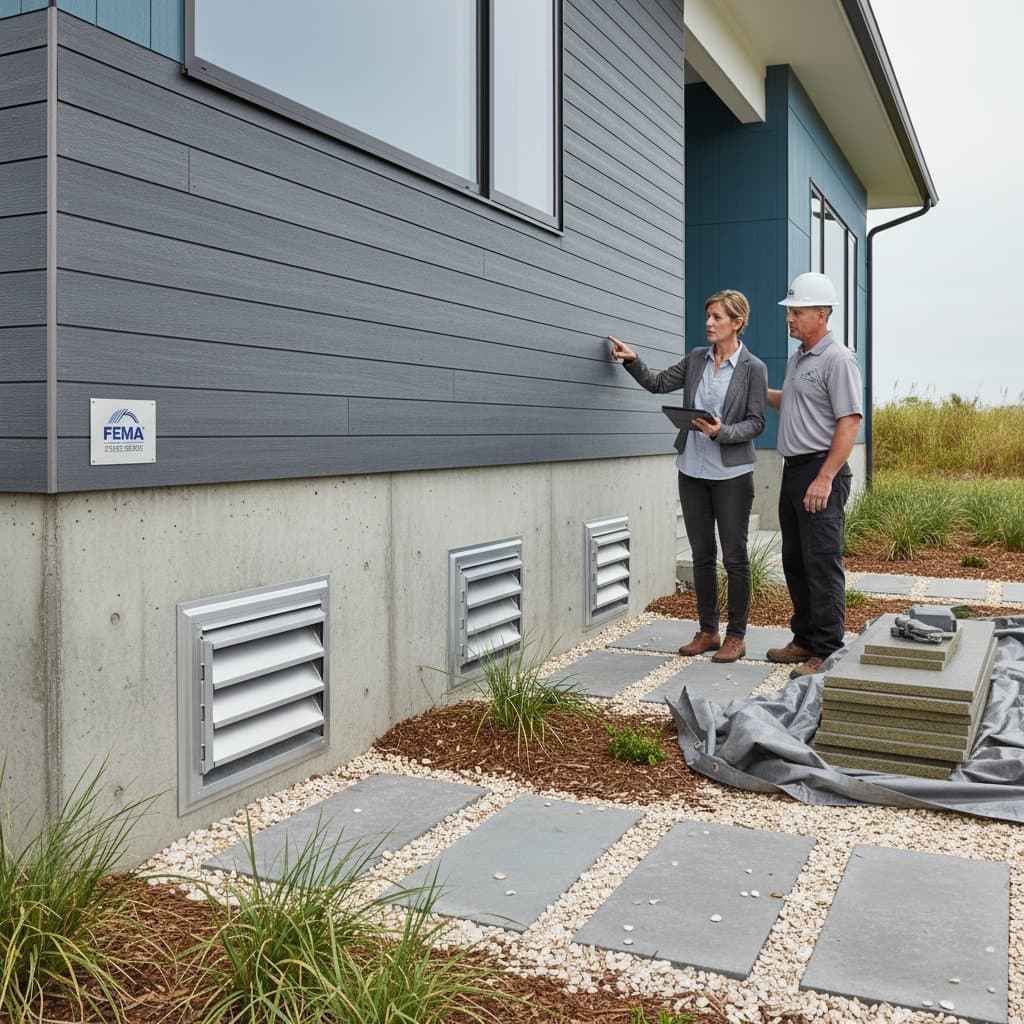
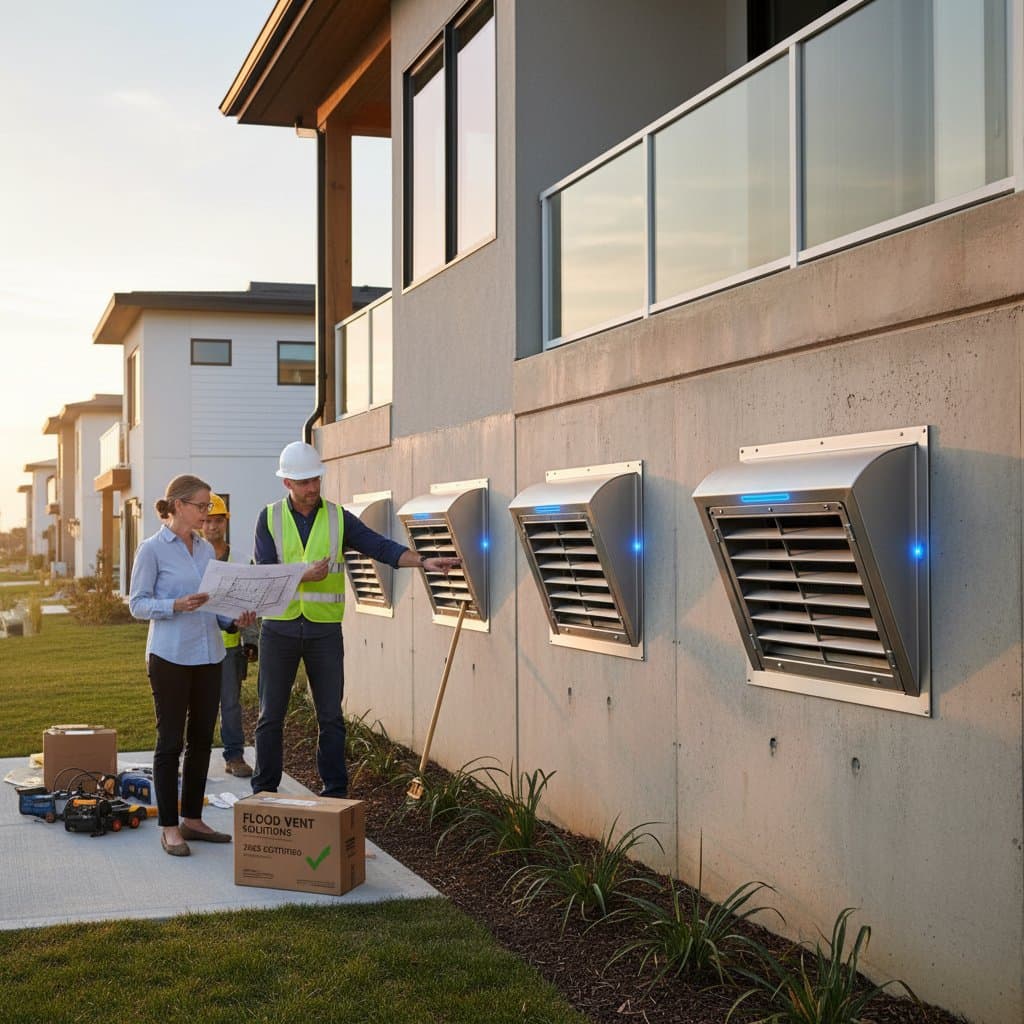
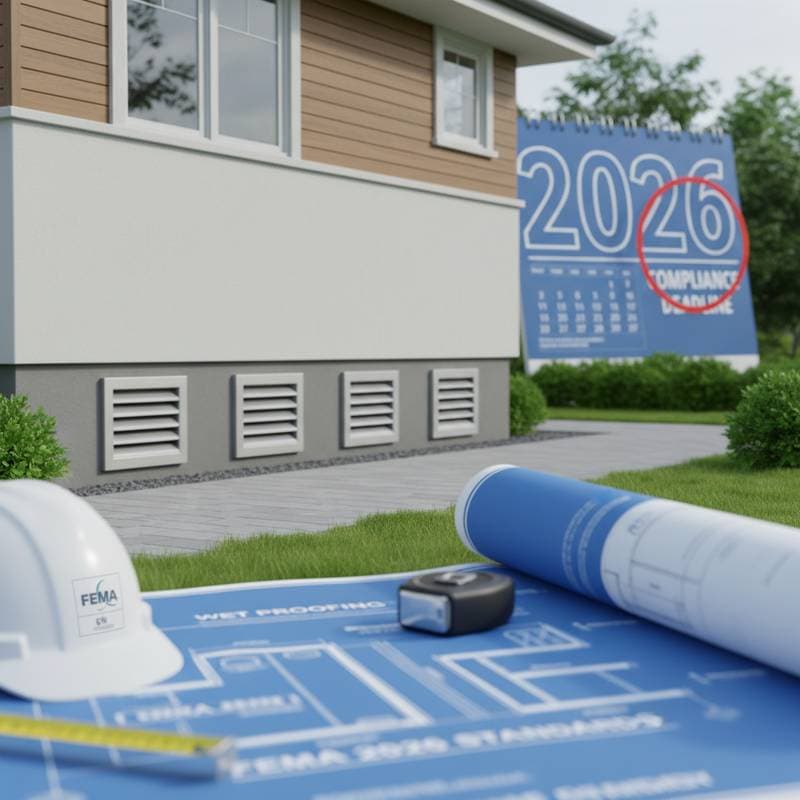
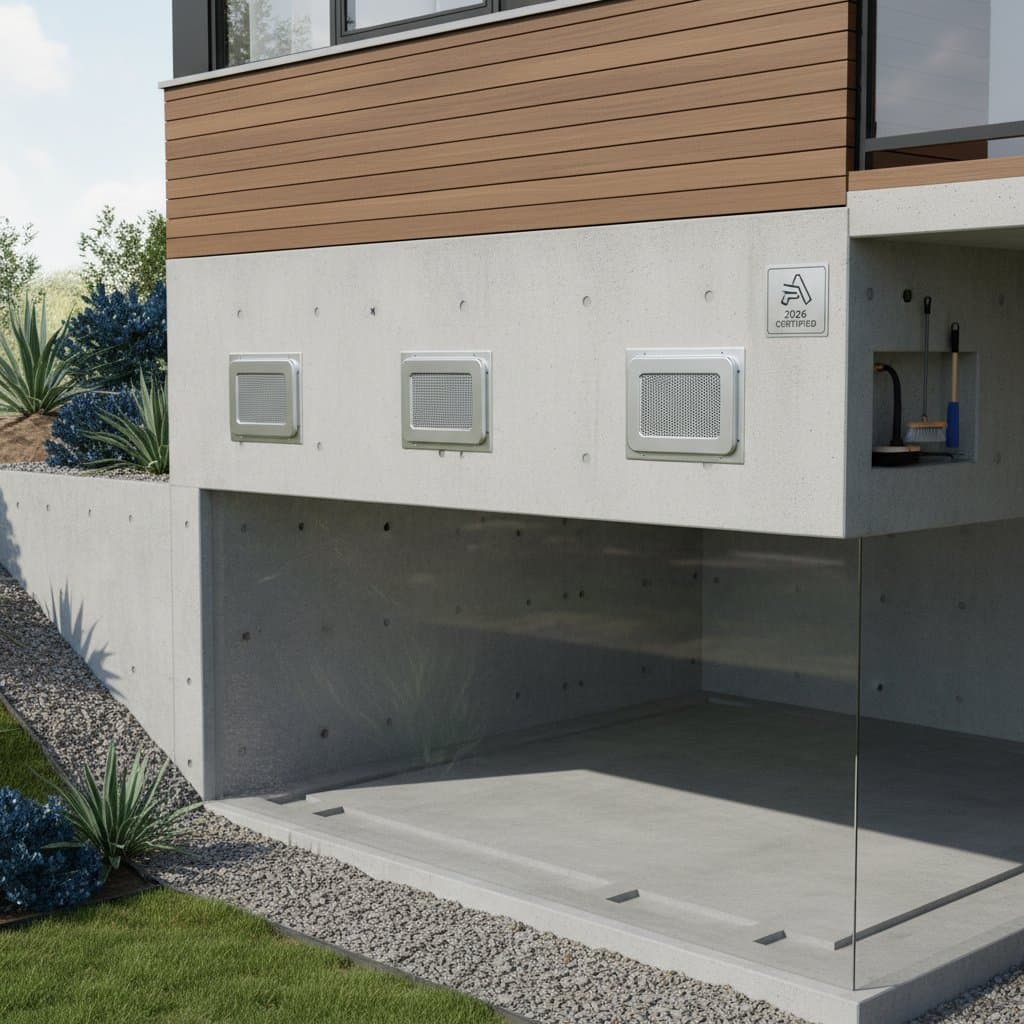
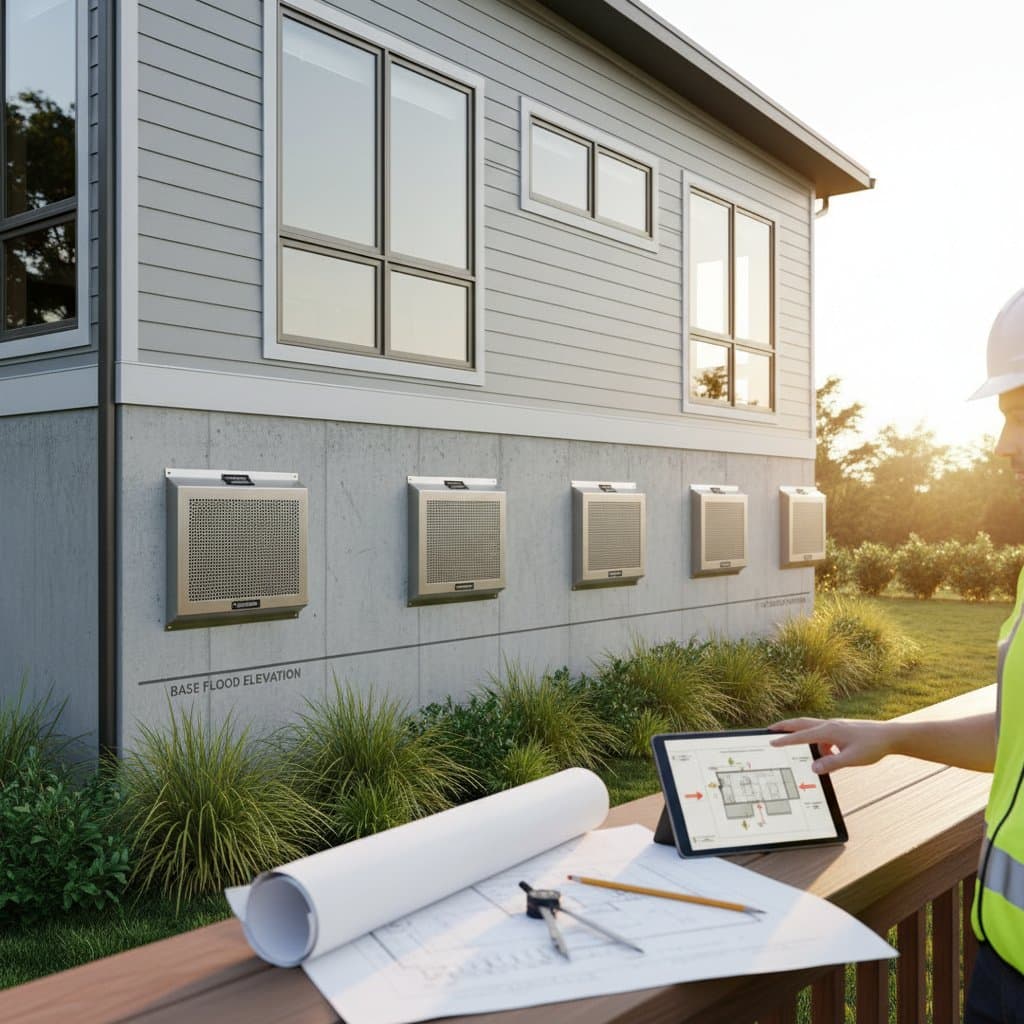
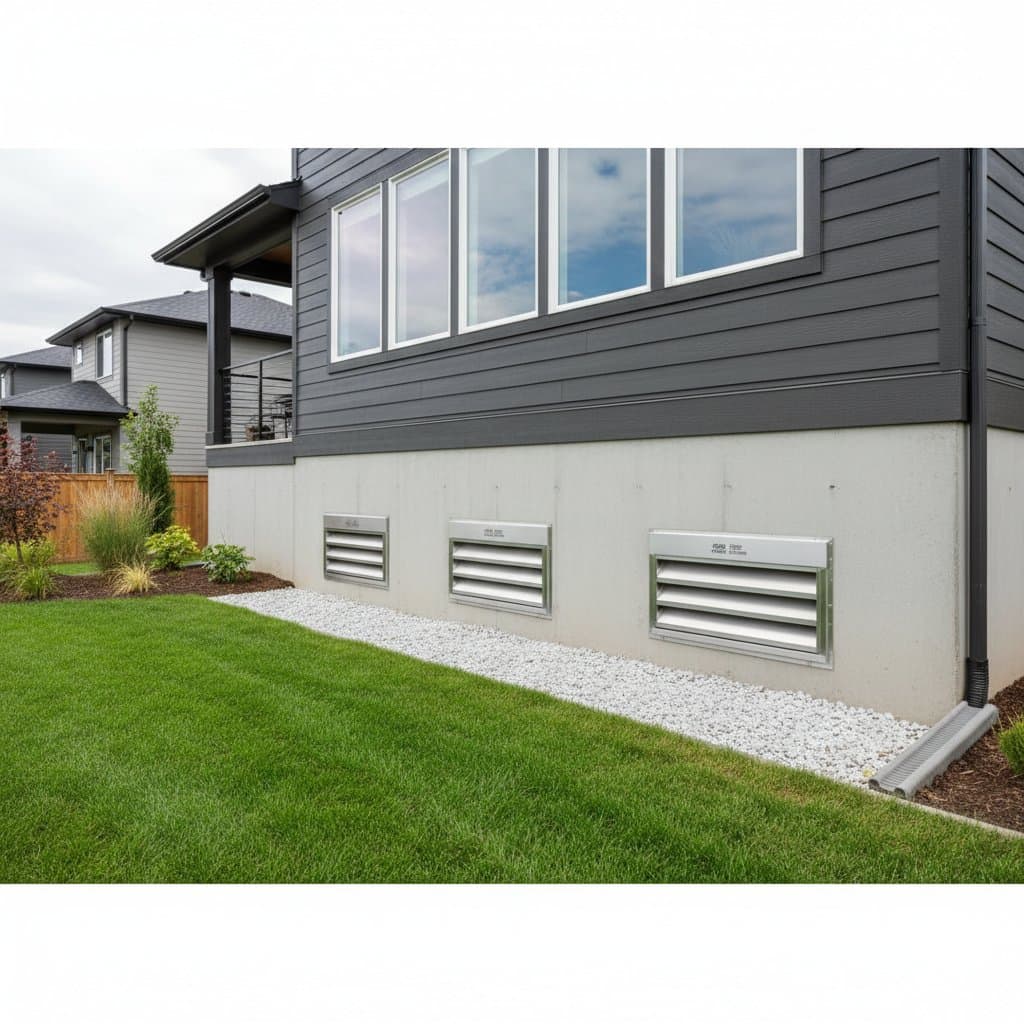
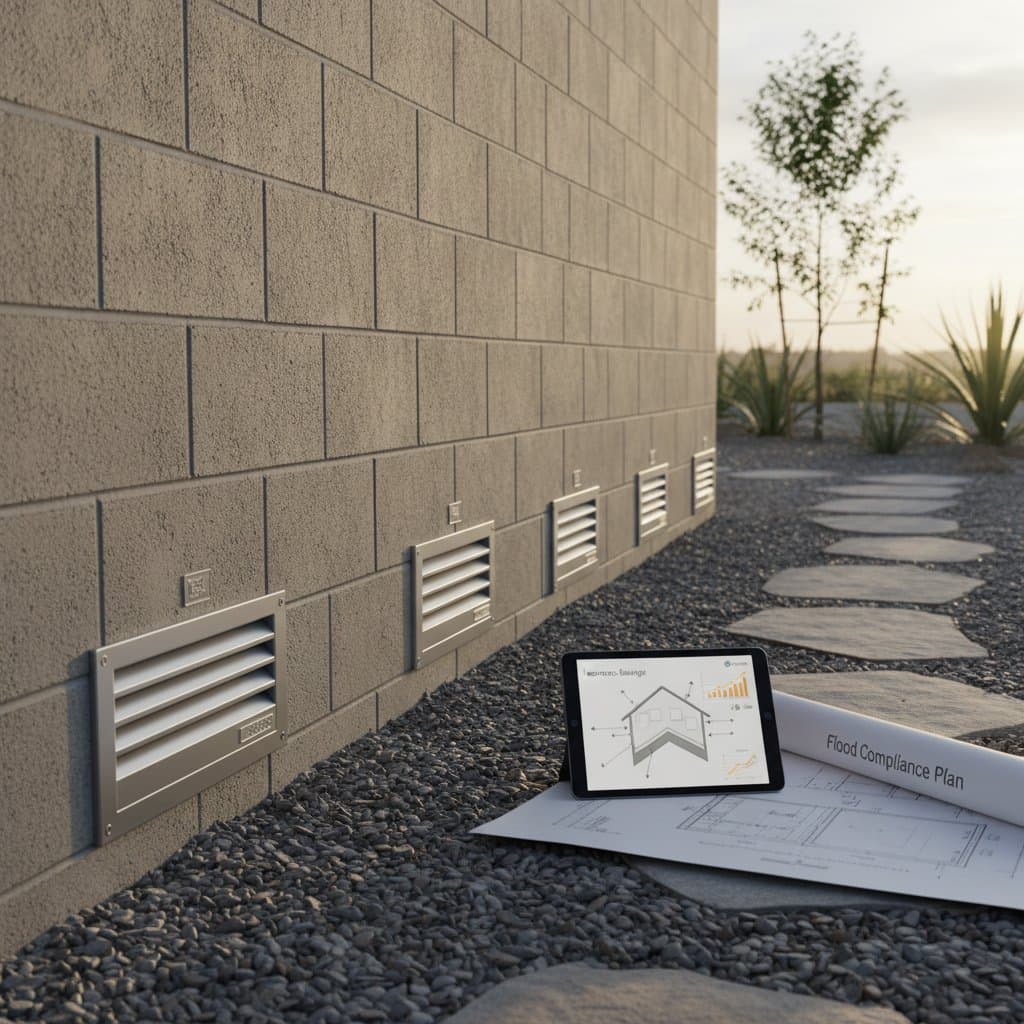
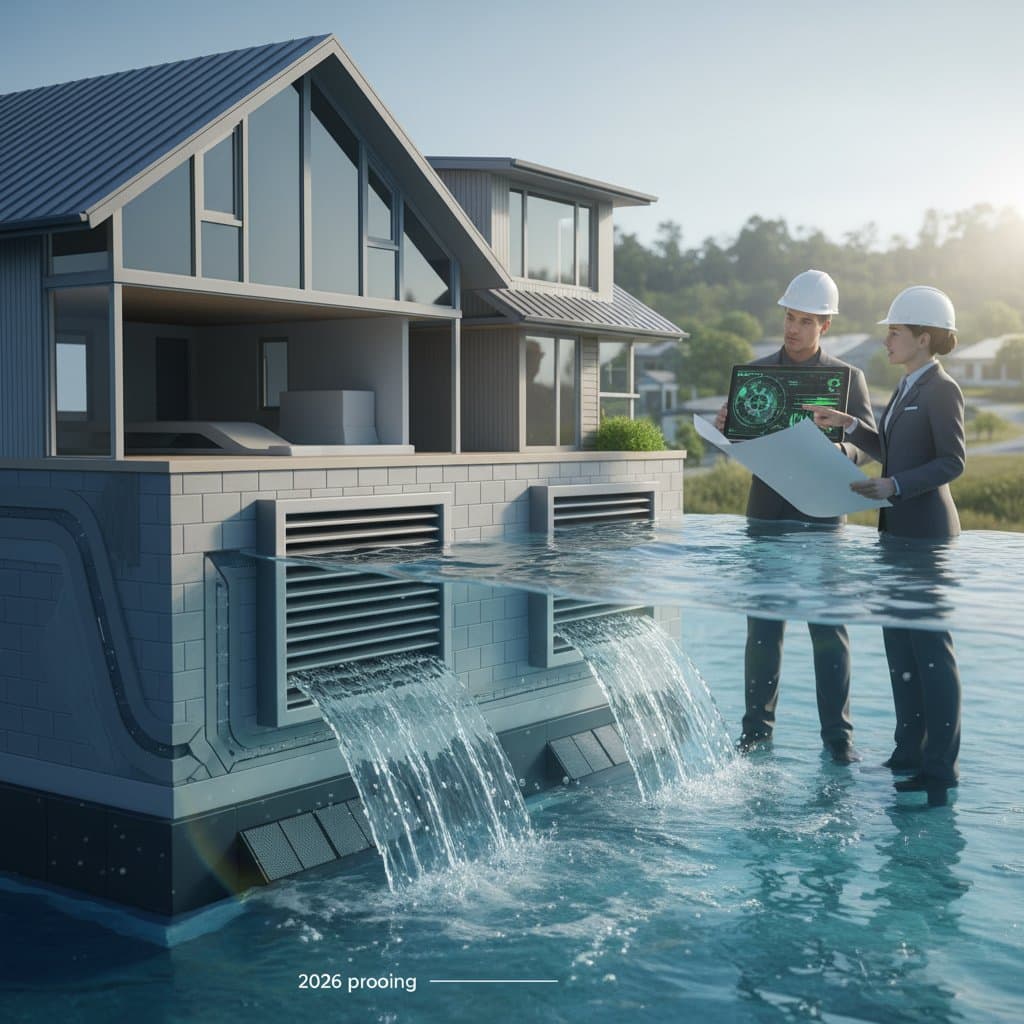
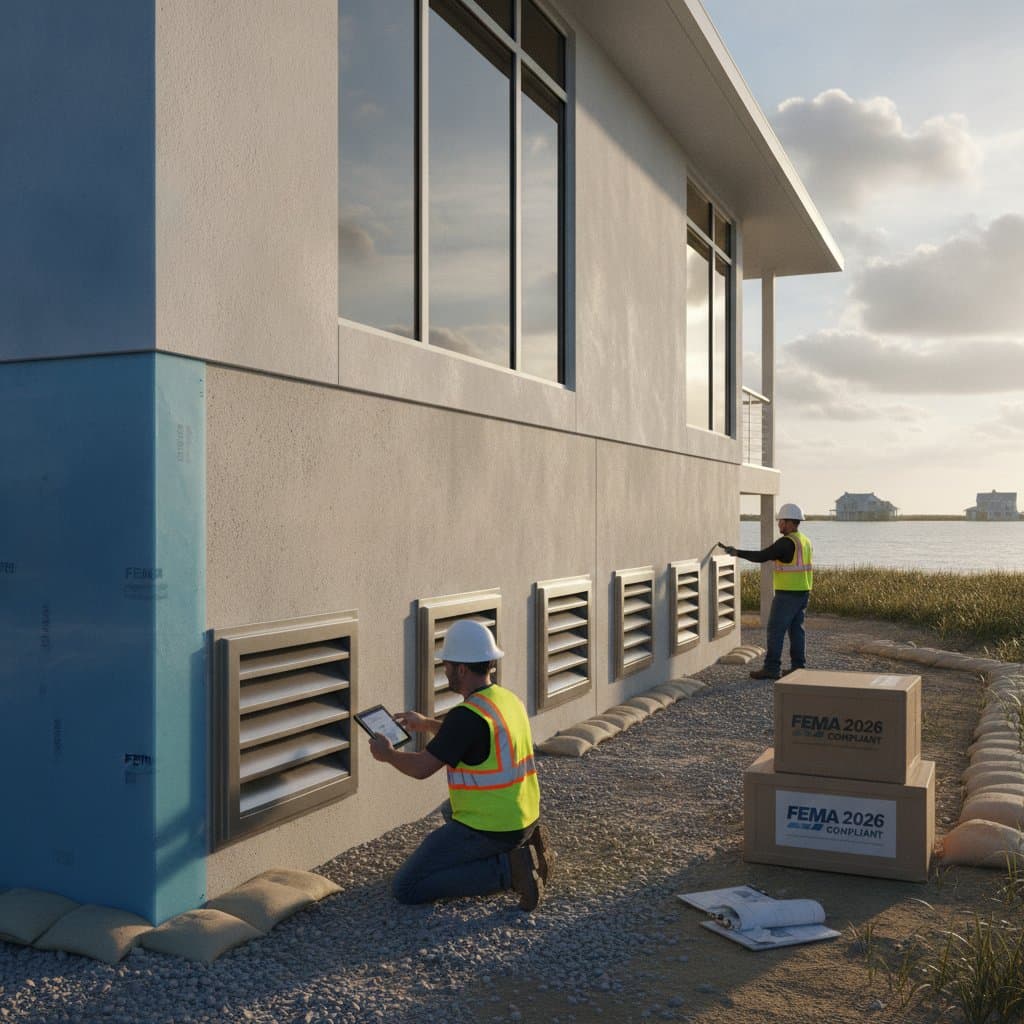
FEMA's 2026 flood regulations introduce performance-driven standards for venting and wet proofing, emphasizing pressure equalization, material strength, and energy synergy. Builders and homeowners must adapt to these shifts for enhanced resilience in coastal, riverine, and inland flood areas, balancing compliance with cost efficiencies and retrofit options.

By Charlie McCannFebruary 28, 2026
Read Article

More articles tagged #Wet Proofing

Explore our collection of wet proofing related content

FEMA's 2026 Flood Vent Rules Could Raise Your Premiums

FEMA's 2026 Flood Vent Rules Could Raise Your Premiums

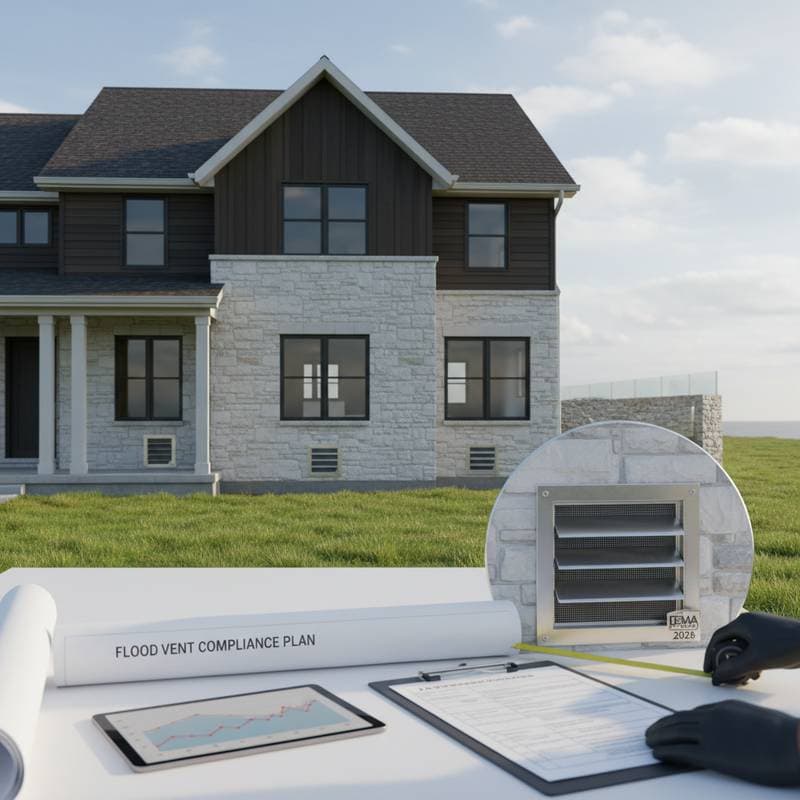
FEMA's 2026 flood vent rules introduce stricter standards for certified vents, installation, and inspections in flood-prone areas. These changes aim to enhance home protection but may elevate insurance premiums for non-compliant properties. Homeowners can mitigate expenses through proactive upgrades, smart budgeting, and maintenance to achieve compliance and potential savings.

Cody GautsonFeb 18
Flood Vents Cut Insurance Premiums by 30 Percent

Flood Vents Cut Insurance Premiums by 30 Percent

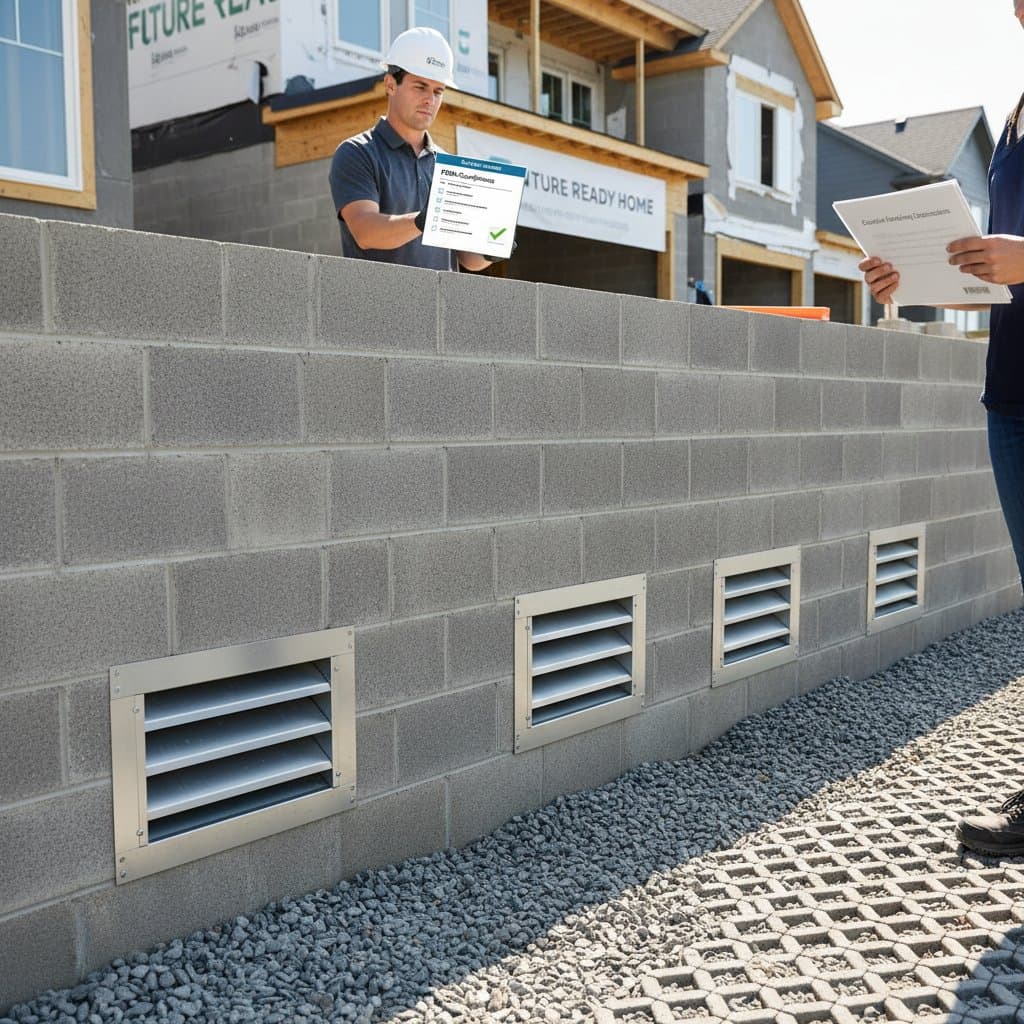
FEMA's upcoming 2026 regulations require flood vents for homes in flood zones to ensure compliance and minimize damage. These installations not only protect foundations but also qualify for insurance discounts of up to 30 percent. Explore installation costs, professional advice, and maintenance strategies to prepare your home effectively.

Katlyn PolinoFeb 17

FEMA's 2026 Flood Vent Rules: What Homeowners Must Know

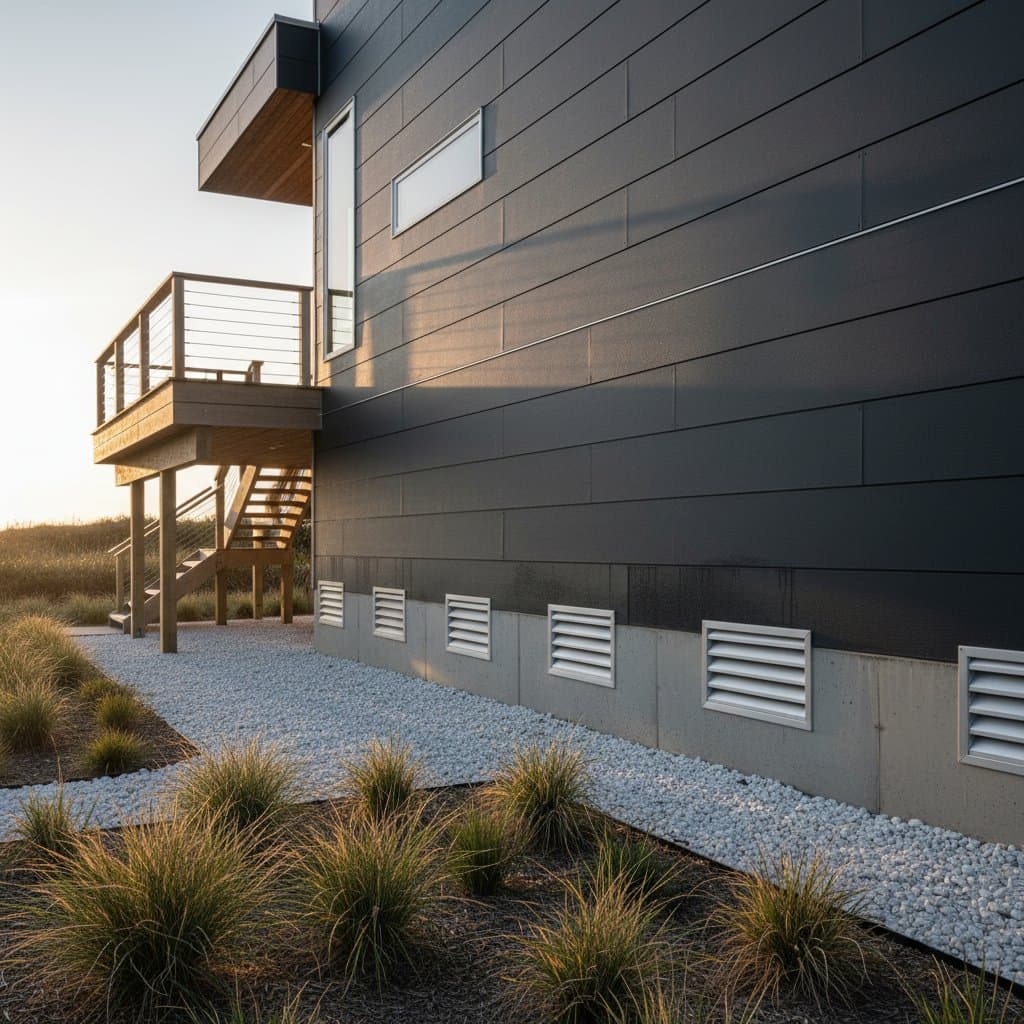
FEMA's 2026 flood vent requirements introduce advanced, certified designs that optimize pressure equalization, enhance corrosion resistance, and streamline inspections. Homeowners benefit from explicit compliance guidelines, durable materials, and opportunities for insurance premium reductions. Proactive preparation secures safer foundations, minimizes maintenance needs, and provides enduring protection amid evolving flood resilience standards.

5 min read
By Kelly Alyse