Cut Water Bills With Recirculation Tax Credits
Key Takeaways
- Homeowners can claim upcoming drought related tax credits by installing or upgrading water recirculation and greywater systems.
- These systems reduce water waste, lower utility bills, and may qualify for both state and federal incentives.
- Modern recirculation technology fits easily into new builds or retrofits, making it a smart, eco conscious investment.
How Does a Water Recirculation System Work?
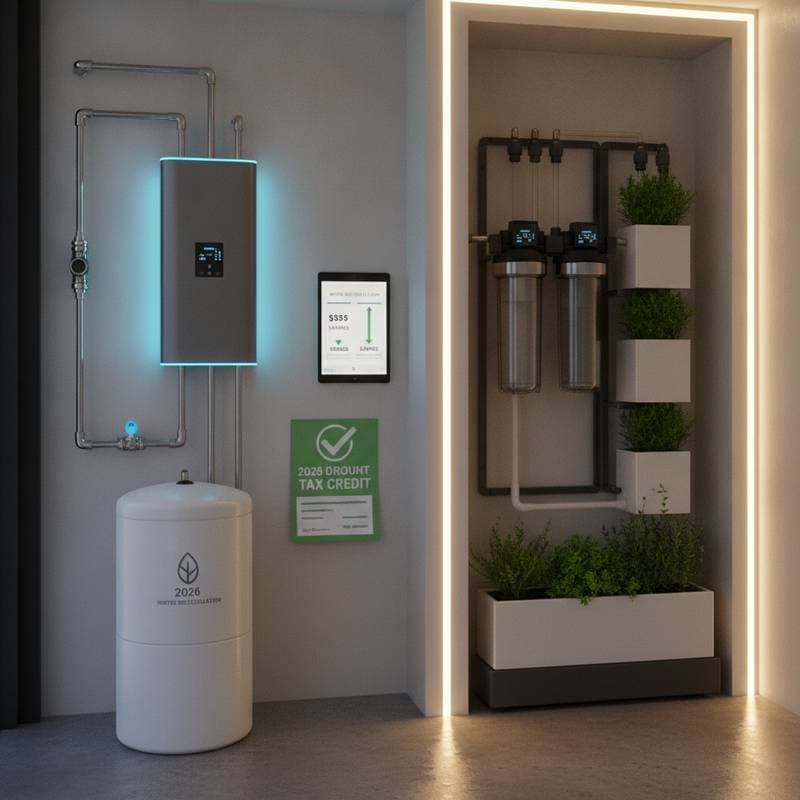
A recirculation system keeps water moving through plumbing lines so hot water arrives instantly without sending cooled water down the drain. Every time a tap runs cold while waiting for heat, that flow represents lost water and energy. A pump returns the unused water to the heater until the target temperature is reached.
Two primary configurations exist. Dedicated loop systems circulate water continuously through a dedicated return pipe. Demand controlled systems activate only on command or via motion sensors, circulating water solely when needed. The demand controlled option typically uses less energy and qualifies for higher incentive levels.
| System Type | Water Savings | Energy Use | Best For |
|---|---|---|---|
| Dedicated Loop | Moderate | Higher | Large homes with long pipe runs |
| Demand Controlled | High | Lower | Smaller homes or retrofits |
| Greywater Reuse | Very High | Low | Outdoor irrigation and laundry reuse |
Which Upgrades Qualify for Drought Tax Credits?
Systems that measurably reduce potable water consumption through recirculation or reuse qualify for credits, rebates, or cost offsets. Eligibility hinges on documented efficiency gains. A certified recirculation pump that cuts standby losses by at least 80 percent meets most program thresholds. Greywater setups must satisfy filtration and safety codes for approved reuse.
Common qualifying installations include hot water recirculation pumps equipped with smart timers or motion sensors, greywater irrigation systems tied to laundry or bathroom drains, rainwater harvesting tanks with overflow controls, and smart plumbing controls that track flow and temperature.
| Upgrade Type | Average Cost Range | Estimated Credit | Payback Time |
|---|---|---|---|
| Hot Water Recirculation | $500 - $1,500 | 20% - 30% | 2 to 4 years |
| Greywater System | $2,000 - $6,000 | 25% - 35% | 4 to 6 years |
| Combined System | $3,000 - $8,000 | 30% - 40% | 3 to 5 years |
Actual savings vary with household size, local water rates, and specific incentive rules.
How to Claim Drought Tax Credits for Water Recirculation
Keep receipts, verify system certification, and submit the required form with the annual tax return. Follow these steps for a smooth claim process.
- Review program rules through the state tax or environmental department.
- Install a qualifying system that satisfies efficiency and building code standards.
- Retain all purchase records, serial numbers, and installer documentation.
- Submit the credit form with the yearly tax filing or via an approved online portal.
- Store records for at least three years in case of audit.
Multiple eligible systems may be combined for larger total credits. Separate rebates for low flow fixtures or smart irrigation controllers can often stack with recirculation incentives.
Homeowner FAQ
Will a recirculation system really lower my water bill?
Yes. Reusing water that would otherwise run down the drain while waiting for hot water can conserve thousands of gallons annually. Most households observe smaller utility statements within a few billing cycles.
Can I install a system myself and still get the credit?
Some programs accept do it yourself work when approved guidelines are followed and certification proof is supplied. Other programs require a licensed installer. Confirm local rules before beginning work.
Do these systems need a lot of maintenance?
Pumps and valves require inspection once or twice each year. Filters should be replaced according to manufacturer directions. Greywater systems benefit from periodic cleaning to avoid sediment buildup.
Are there any downsides to greywater use?
Properly filtered greywater is safe for irrigation, yet it cannot accept kitchen or toilet waste. Systems perform best with biodegradable, low sodium soaps.
Can I get both state and federal credits?
Many jurisdictions allow a federal credit alongside a state rebate or deduction when each program criteria are satisfied.
Maximizing Long Term Water Savings
Schedule annual system checks to maintain peak performance. Track monthly water use before and after installation to quantify results. Combine recirculation with other approved efficiency measures to accelerate payback and strengthen overall household resilience.