Flood

#Flood - Page 6

Continue exploring articles tagged with Flood

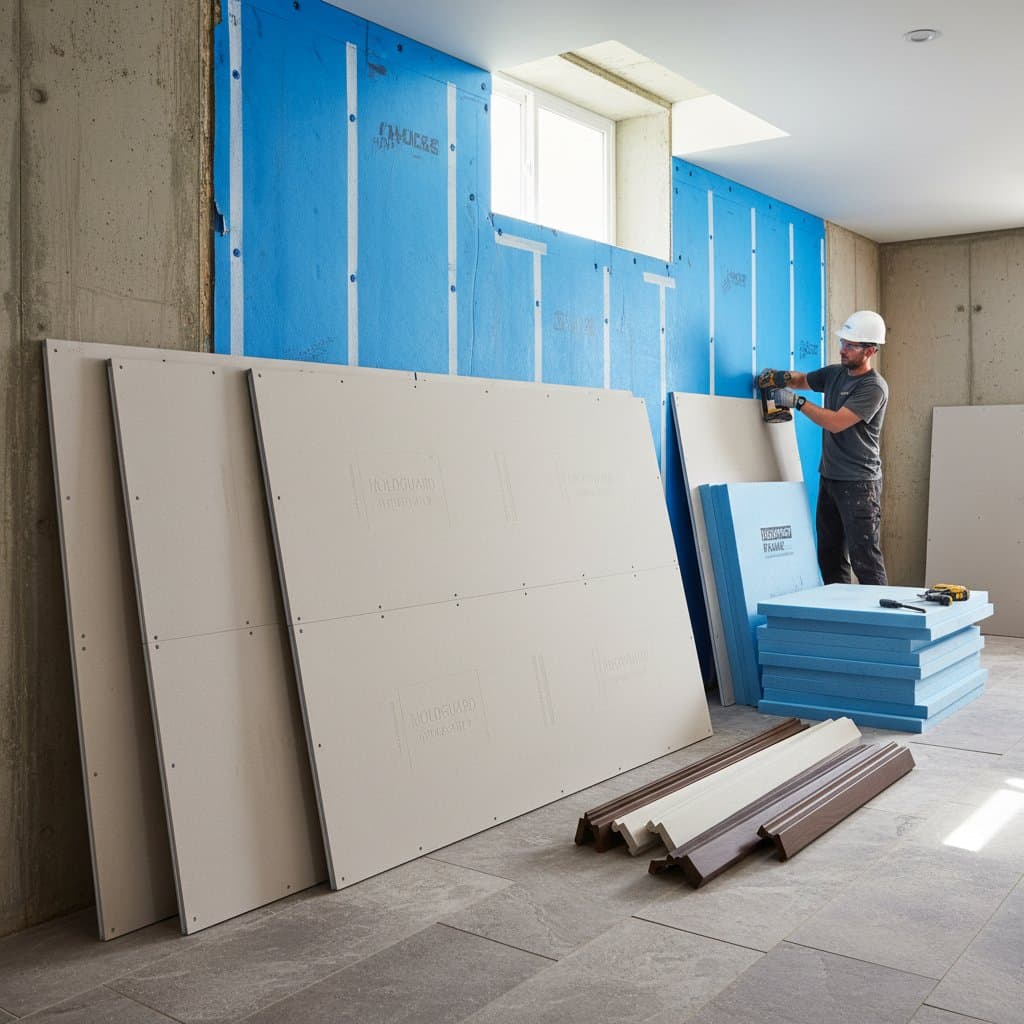
Basement Waterproofing Adds Value Through 2026

Basement waterproofing protects your home's foundation, eliminates mold risks, and enhances resale value. Costs typically range from $3,000 to $12,000, with options like interior drainage or exterior membranes suited to specific needs. Discover professional inspection strategies, maintenance advice, and budgeting tips to safeguard your property and appeal to 2026 buyers.

5 min read
By Becca Roberts

Green Loans Cut Flood Protection Costs by 40%

Increasing flood risks drive up insurance and repair expenses for homeowners. The 2026 Green Loans program offers low-interest financing for essential upgrades like waterproofing and elevation, potentially saving up to 40 percent on protection costs. These loans enhance resilience, qualify for insurance discounts, and preserve property value against future storms.

5 min read
By Becca Roberts

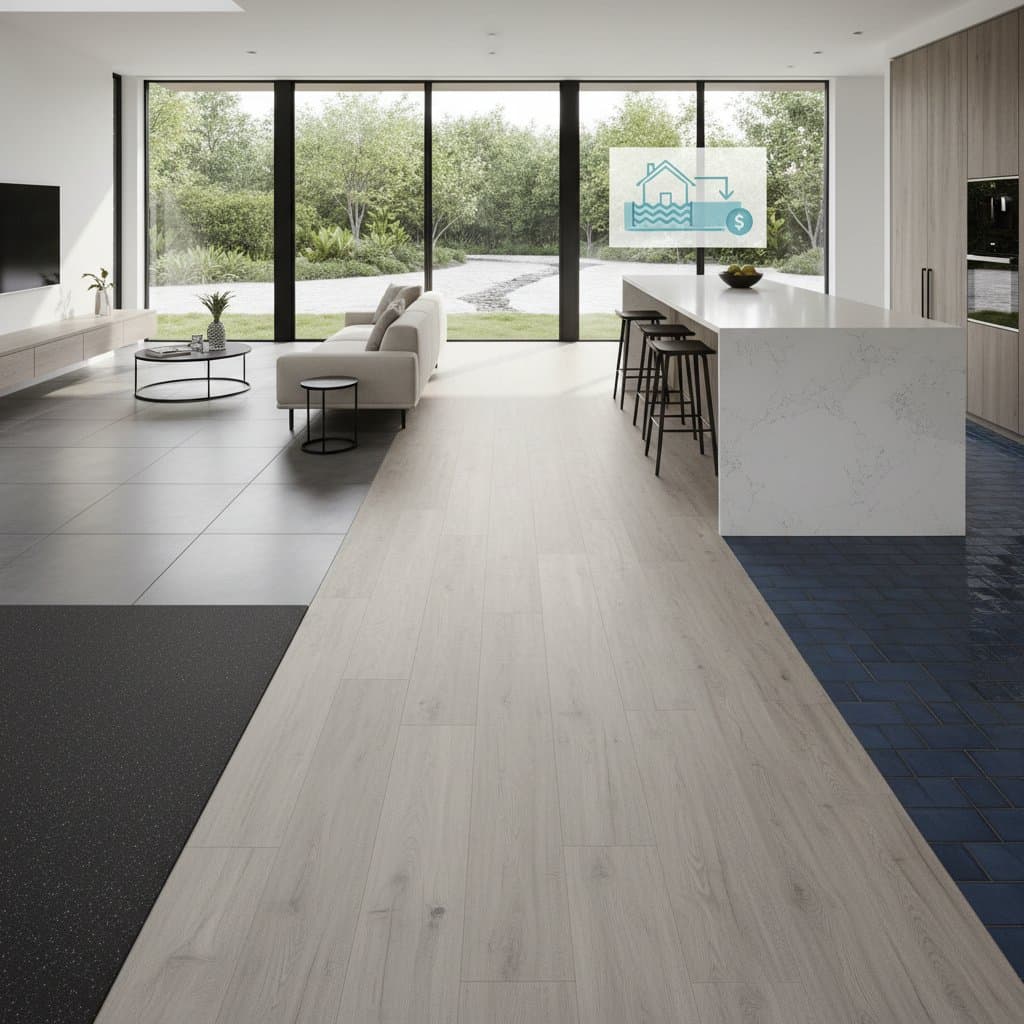
Flood-Proof Flooring Cuts Insurance Premiums in 2026

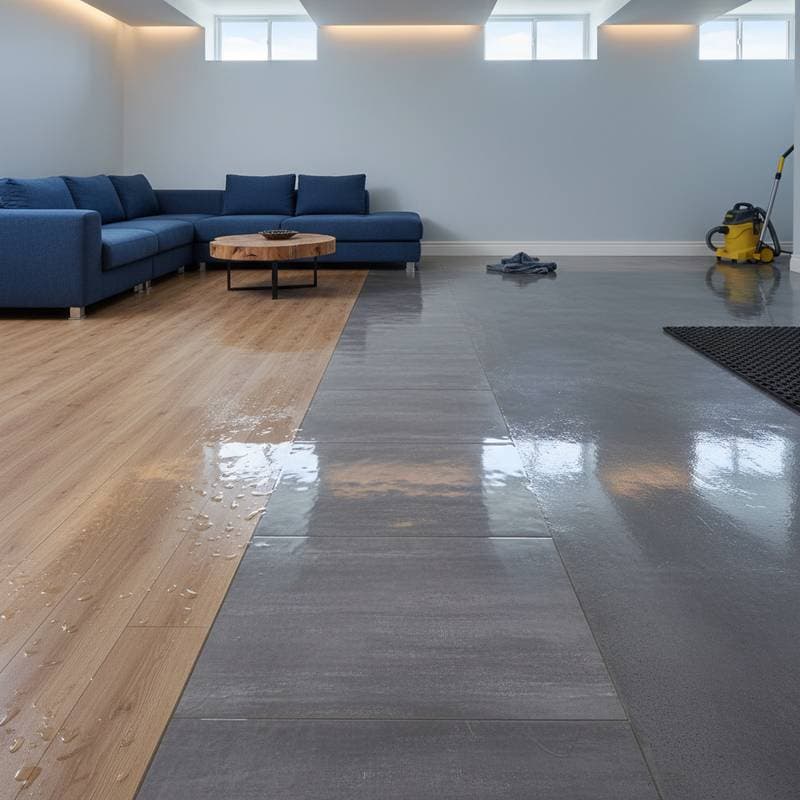
Learn how installing flood-proof flooring safeguards your property from water damage and secures insurance premium reductions. Delve into resilient materials such as luxury vinyl, porcelain tile, polished concrete, and waterproof engineered floors that offer both durability and design versatility. Understand the steps for installation, documentation, and upkeep to maximize discounts, extend home lifespan, and boost market value in flood-prone areas.

6 min read
By Kelly Alyse

2026 Flood Rules Put Basements Under the Microscope

The 2026 insurance regulations elevate basement waterproofing to a necessity. Inspectors require evidence of preventive measures such as sealed foundations, functional sump pumps, and regular maintenance records. These enhancements not only secure insurance coverage but also improve living conditions, health, and property value. Discover effective upgrades to mitigate risks and enhance your home.

3 min read
By JoAnn Souza

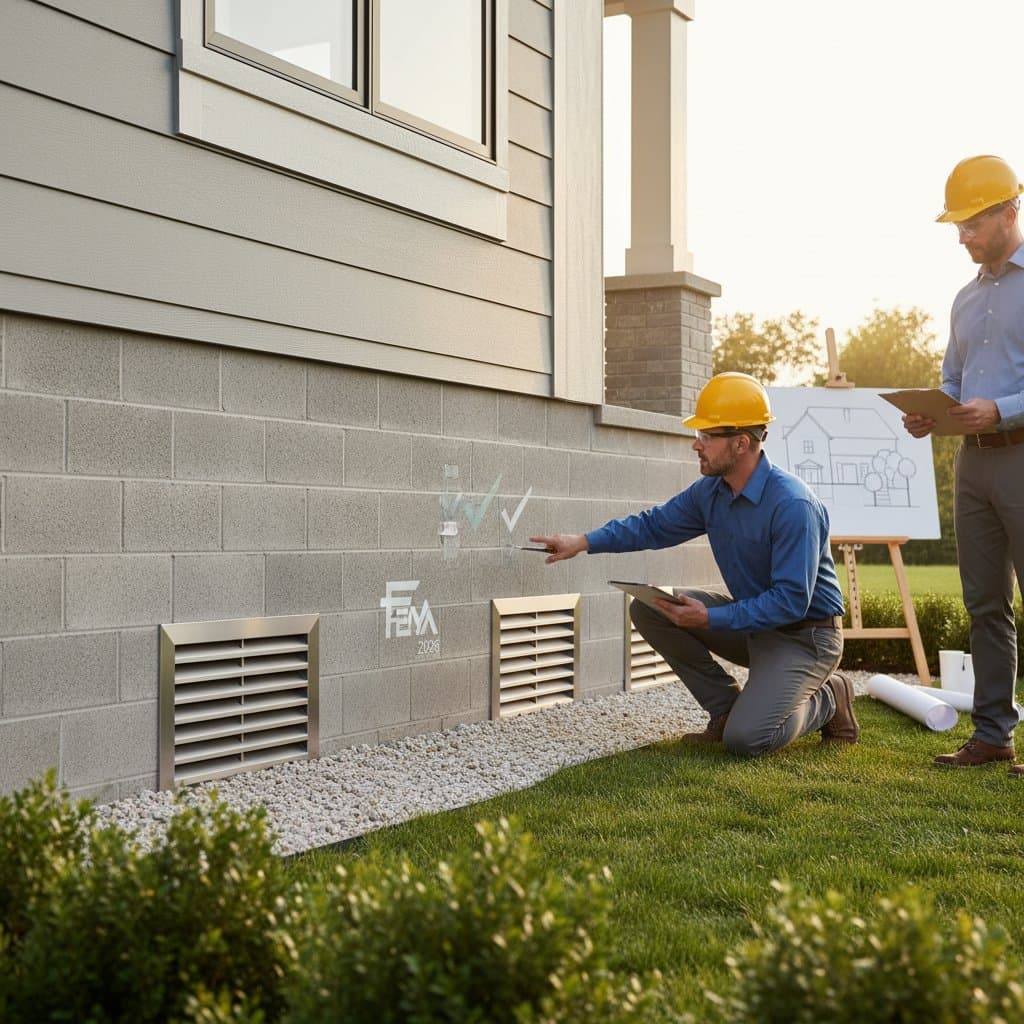
FEMA Flood Vents Cut My Insurance 15 Percent

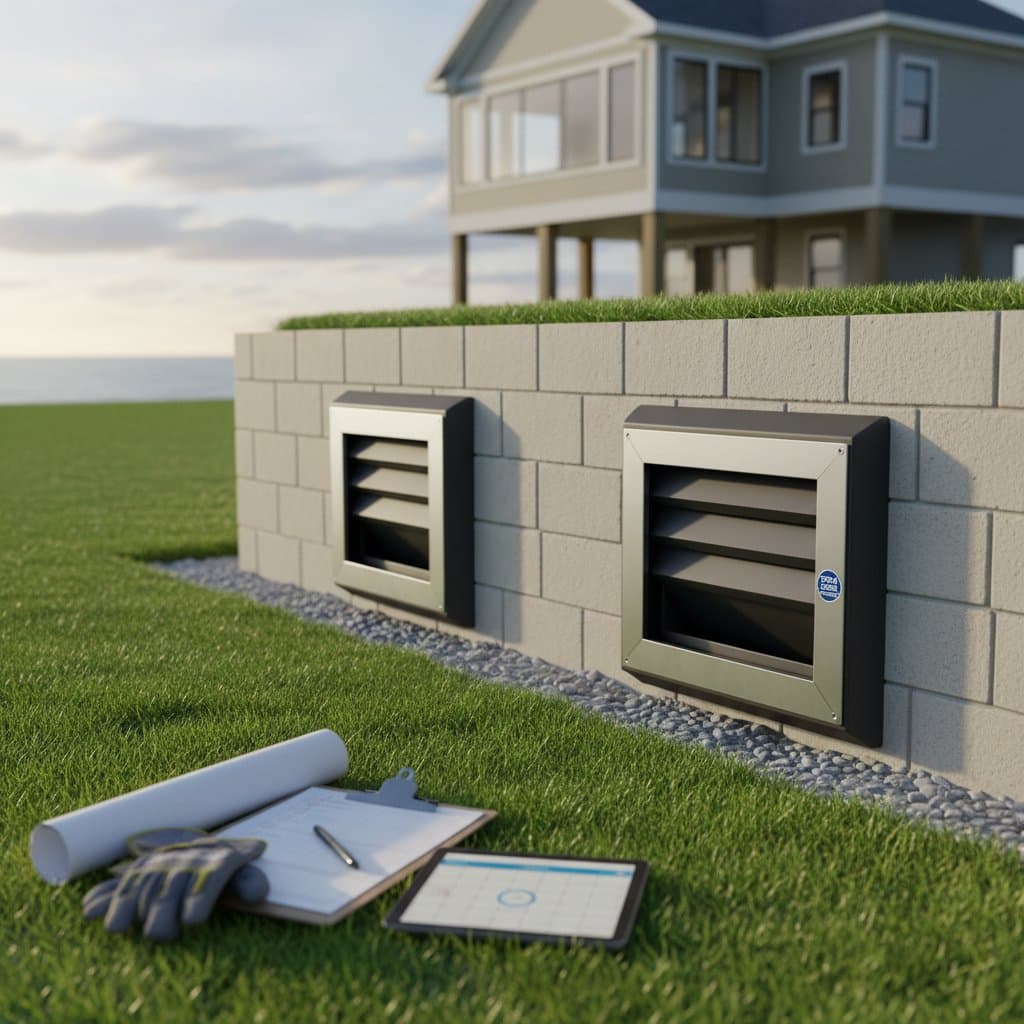
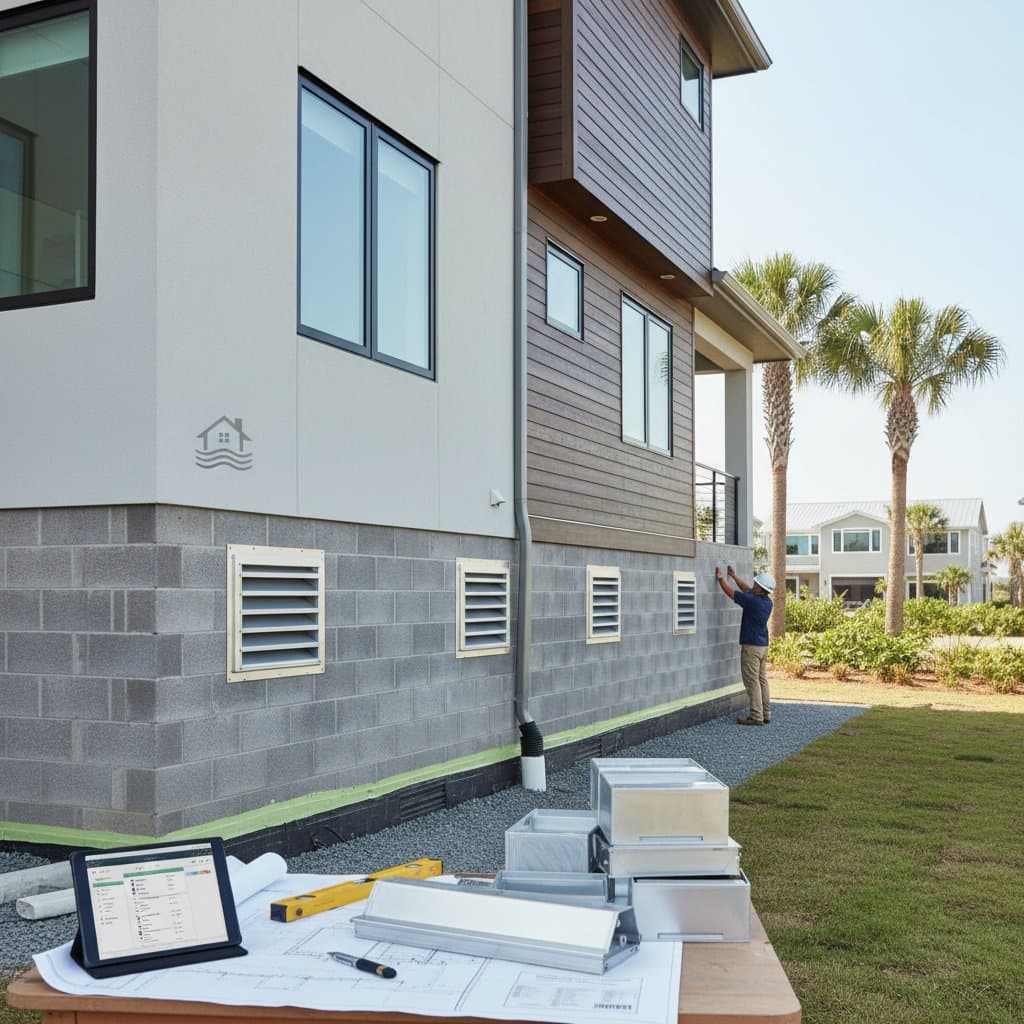
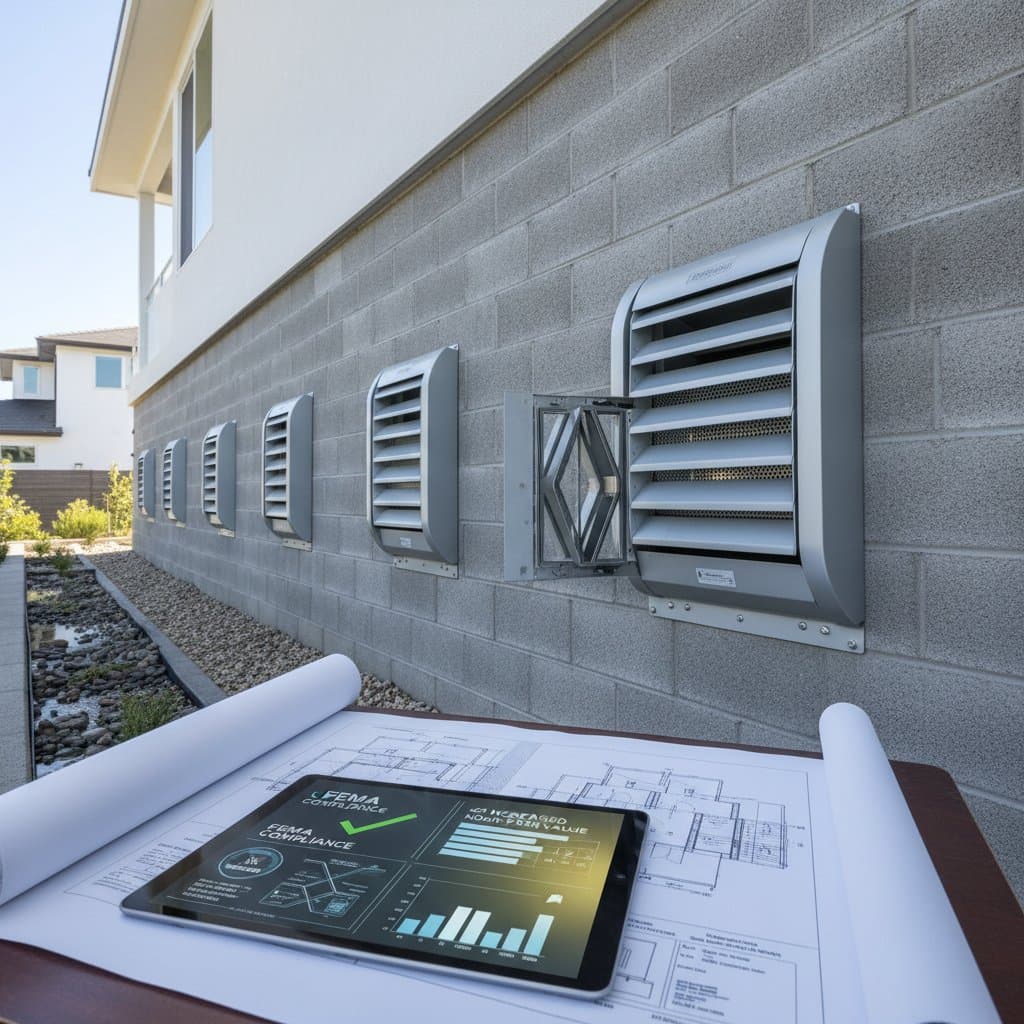
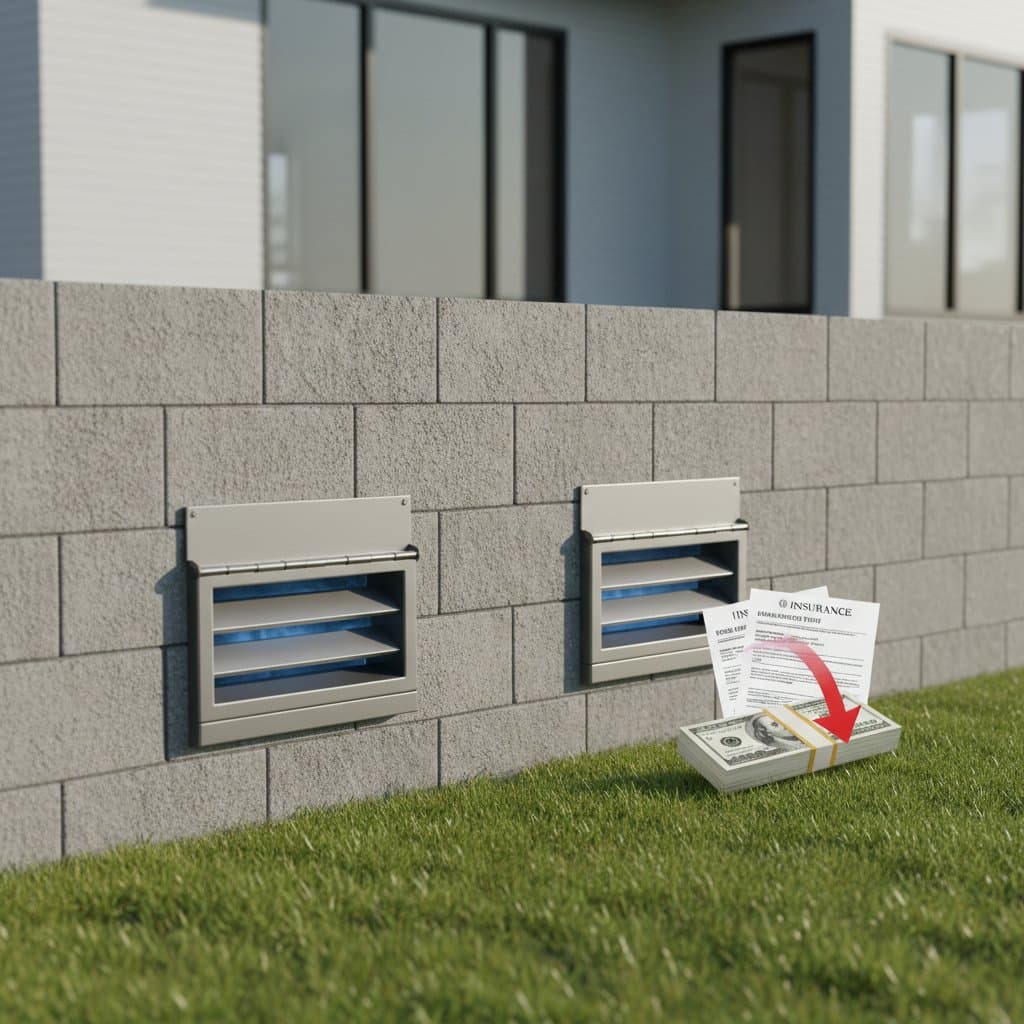
The 2026 FEMA flood code updates introduce stricter requirements for flood vents, wet-proofing, and foundation designs. Homeowners in flood-prone areas must address compliance to avoid higher costs and insurance risks. Upgrading to certified flood vents and moisture-resistant materials can improve safety, cut premiums by up to 15 percent, and preserve property value ahead of the changes.

4 min read
By Stacy Cadri

Flood-Proof Floors That Lower Insurance Claims

Examine 2026 innovations in flood-resistant flooring that shield properties from water intrusion, decrease insurance claims, and enhance interior aesthetics. Options such as rigid core vinyl and sealed concrete endure moisture while preserving visual elegance. Identify selections that offer superior longevity, minimize restoration expenses, and sustain home allure post-flood.

5 min read
By Kelly Alyse

Smart Water Diversion Stops Yard Flooding Fast

Convert a flood-vulnerable yard into a resilient space using 2026's advanced water diversion approaches. This guide covers drainage assessment, selection of efficient solutions such as French drains and rain gardens, and guidance on whether to undertake projects independently or engage professionals. Safeguard your foundation, enhance property worth, and cultivate a durable, weather-resistant outdoor environment throughout the seasons.

4 min read
By Stacy Cadri

FEMA's 2026 Flood Vent Rules Change Compliance

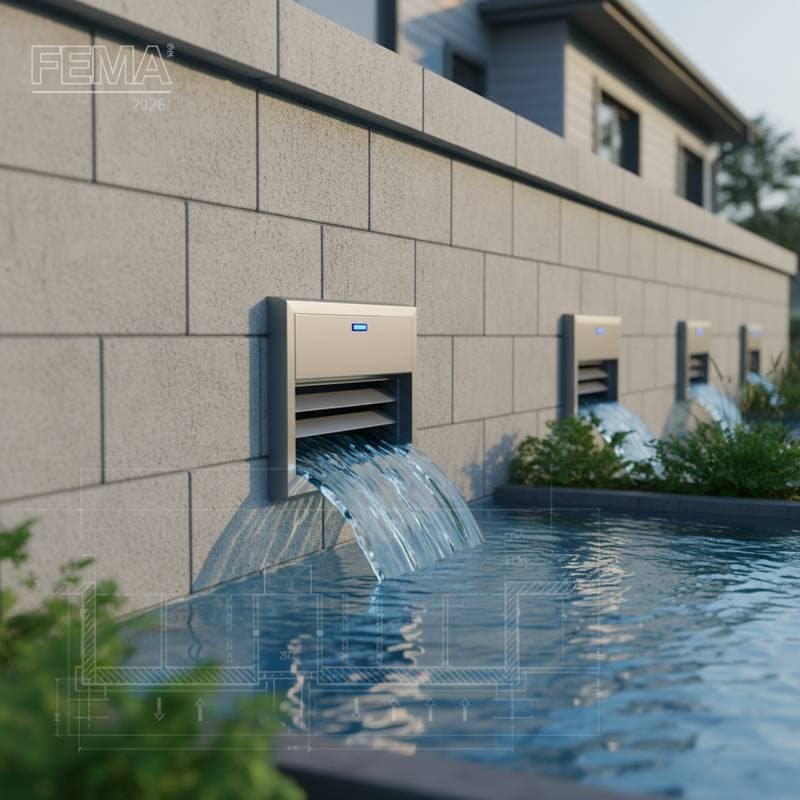
FEMA's 2026 flood vent standards elevate requirements for automatic, certified vents that equalize hydrostatic pressure and reduce structural flood damage. Homeowners in designated flood zones must address compliance to avoid higher insurance costs and ensure property resilience. Key details on placement, materials, and upgrades provide practical guidance for effective implementation.

4 min read
By Katlyn Polino