Understanding 2026 FEMA Flood Vent Requirements
FEMA updates its flood vent standards every few years to improve building resilience in high-risk areas. Starting in 2026, these rules emphasize engineered openings that allow floodwaters to flow through enclosed spaces beneath elevated structures. Compliance helps prevent structural damage and qualifies properties for significant insurance discounts through the National Flood Insurance Program.
Homeowners must ensure vents meet specific size and functionality criteria. Each vent needs to provide at least 200 square inches of net open area per 100 square feet of enclosed space. Automatic vents, which open under water pressure, simplify compliance compared to mechanical alternatives.
Local floodplain managers enforce these standards alongside FEMA guidelines. Properties in Special Flood Hazard Areas face mandatory retrofitting if vents fail to meet the updated specifications. Early assessment prevents fines and elevates your home's market value.
Benefits of Compliant Flood Vents
Installing FEMA-compliant vents reduces hydrostatic pressure on foundations during floods. This design feature equalizes water levels inside and outside crawl spaces or garages, minimizing wall cracks and foundation shifts. Beyond physical protection, compliance unlocks insurance savings of up to 30 percent on premiums.
Insurers recognize certified vents as proactive risk mitigation. Homeowners report average annual savings of several hundred dollars after upgrades. These vents also enhance resale appeal, as buyers prioritize flood-resistant features in vulnerable regions.
Long-term resilience extends to preventing mold growth and electrical hazards post-flood. Properties with proper venting recover faster, cutting restoration expenses and downtime.
Selecting the Right Flood Vents
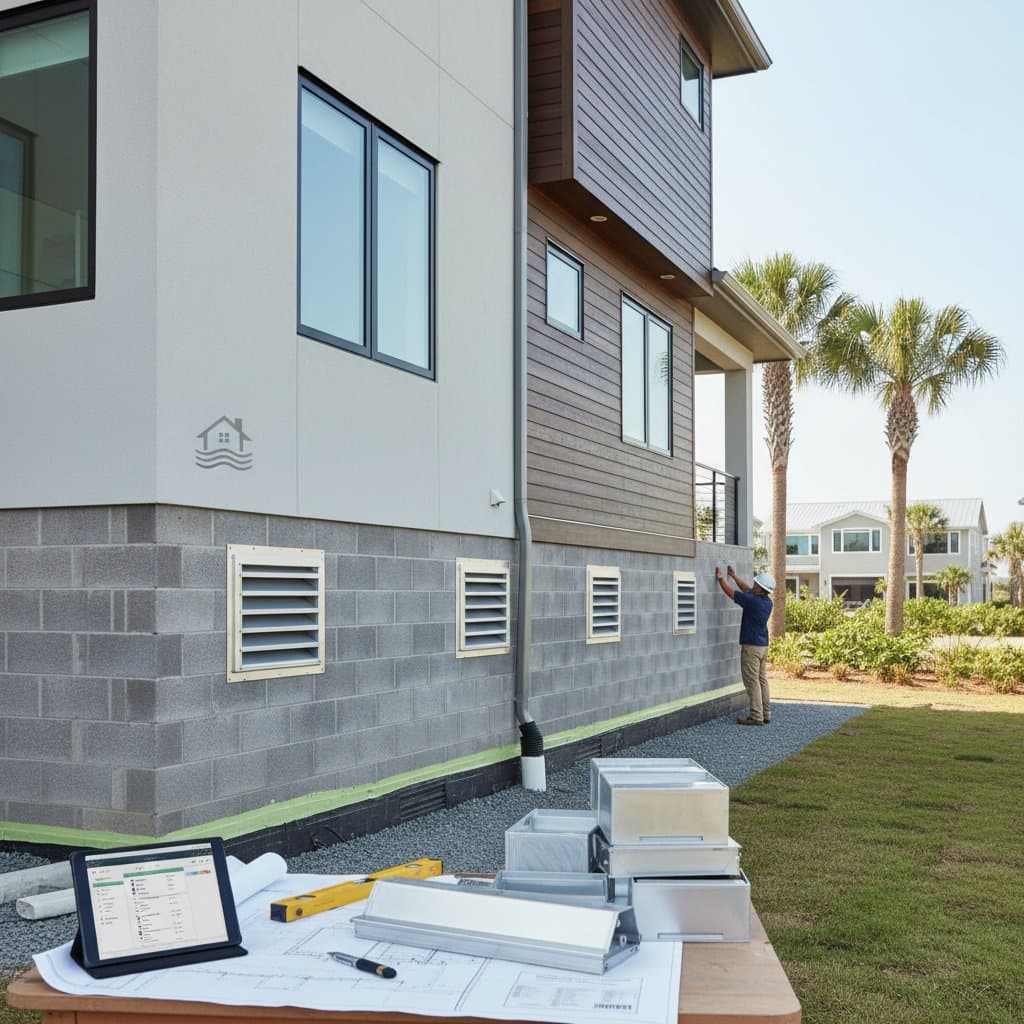
Choose vents based on your home's foundation type and local climate. Engineered flood vents from reputable manufacturers feature corrosion-resistant frames and automatic flaps. These units install into existing foundation walls without major modifications.
Material Quality
Stainless steel or galvanized aluminum vents withstand harsh environments better than plastic options. Steel models resist impacts from floating debris, while aluminum offers lighter weight for easier handling. Both materials endure saltwater exposure in coastal zones.
Avoid low-grade plastics that degrade under UV light or freeze-thaw cycles. Certified vents carry labels from the International Code Council Evaluation Service, confirming adherence to FEMA Technical Bulletin 1 standards.
Cost Considerations
Initial costs range from 150 to 300 dollars per vent, depending on size and material. A typical four-vent setup for a 1,000-square-foot crawl space totals around 1,200 dollars, excluding labor. Factor in potential rebates from local governments or insurers to offset expenses.
To obtain accurate pricing, consult multiple suppliers and compare warranties. Request quotes from licensed contractors experienced in FEMA-compliant installations and familiar with regional building codes.
DIY vs Professional Installation
Flood vent projects vary in complexity, but professional involvement ensures reliability. Certified installers verify site-specific needs, such as soil type and elevation, to optimize performance.
Tasks Suitable for DIY
Homeowners can manage preparatory steps to save on labor.
- Clear debris from potential vent locations and inspect for structural integrity.
- Measure existing openings or mark new ones using a level and tape measure.
- Apply waterproof caulk around edges to seal against water infiltration.
These actions require basic tools like a utility knife and caulking gun.
Professional Responsibilities
Experts handle structural alterations to maintain safety and compliance.
- Precisely cut openings in concrete or block walls using specialized saws.
- Secure engineered vent systems with anchors rated for flood forces.
- Prepare elevation certificates and as-built drawings for FEMA documentation.
- Confirm alignment with updated floodplain maps and municipal ordinances.
Professional certification validates the work for insurance purposes and avoids voided policies. Expect labor fees of 200 to 500 dollars per vent, with total projects averaging 2,000 dollars.
Inspection and Maintenance Practices
Regular upkeep preserves vent effectiveness and extends lifespan. Neglect leads to blockages that compromise flood pathways.
Schedule inspections biannually, ideally before rainy seasons. Examine for accumulated sediment, rust spots, or animal intrusions that hinder operation.
Test functionality by simulating water flow: press flaps or floats to confirm smooth movement without sticking. Rinse components with fresh water and mild soap, steering clear of abrasives that damage finishes.
For metal vents, apply rust-inhibiting primer to any bare areas annually. Keep records of all checks, including photos and dates, to support insurance claims or home sales.
Prompt repairs, such as replacing warped flaps, prevent minor issues from escalating during events.
Taking Action to Protect Your Home
Begin by reviewing your property's flood zone status through FEMA's online mapping tool or local planning office. Evaluate current vents against 2026 criteria; non-compliant setups demand immediate attention.
Contact a vetted contractor for a site visit and compliance audit. Discuss options like smart vents with sensors for remote monitoring in high-risk areas.
Investing in these upgrades fortifies your home against water threats while optimizing financial protection. Proactive steps today yield peace of mind and cost efficiencies tomorrow.