Understanding FEMA's Updated Flood Vent Requirements
Rising floodwaters test the integrity of a home's foundation. FEMA's revised flood vent standards, effective in 2026, strengthen these critical elements to perform reliably during storms. Homeowners in flood-prone regions benefit from these changes through reduced damage risks and lower insurance costs.
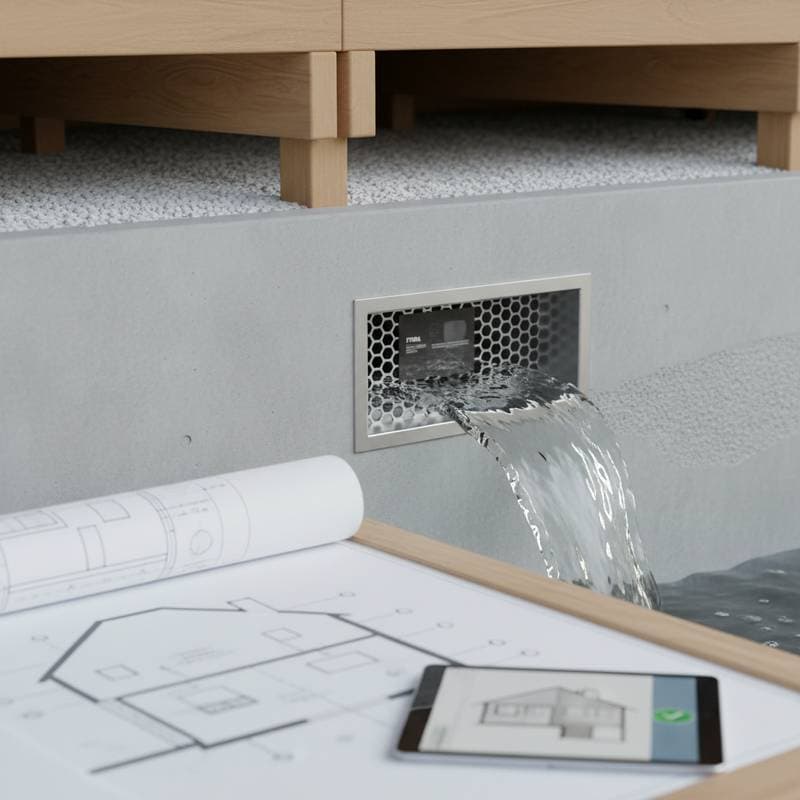
Properties located in Special Flood Hazard Areas, or those undergoing foundation-related renovations, must adhere to these rules. Flood vents transition from optional features to essential components. They enable floodwater to flow through enclosed areas such as crawl spaces, garages, and basements without causing structural harm.
Challenges with Pre-Existing Foundation Designs
Homes constructed before standardized flood vent guidelines often featured sealed crawl spaces. These enclosures aimed to block drafts and pests, creating an appearance of neatness. However, during floods, the trapped water generated intense pressure, leading to cracked walls and buckled floors.
Certain modern constructions incorporated vents that prioritized aesthetics over functionality. These units resembled flood vents but failed to facilitate adequate water movement due to inadequate design or lack of certification. Post-storm assessments frequently revealed sediment accumulation, distorted structural elements, and unforeseen repair expenses concealed within exterior walls.
Essential Specifications for Flood Vents
The updated FEMA guidelines emphasize several core aspects of flood vent design and installation:
-
Certification Requirements
Vents require independent testing and certification to verify flood performance. Standard air vents or ornamental covers do not meet the criteria. Engineered solutions, including those with automatic louvers, establish the minimum acceptable standard. -
Sizing Calculations
The aggregate vent area corresponds directly to the enclosed area's square footage. Insufficient venting retains water, whereas excess openings may affect insulation or structural integrity. Revised guidelines include a streamlined chart that outlines flow rates based on vent configurations. -
Strategic Positioning
Install vents near the base of walls, generally within one foot of the surrounding ground level, to permit unobstructed water ingress and egress. Elevated placement retains water below, and overly low positions increase vulnerability to debris obstruction. -
Record-Keeping Protocols
Maintain documentation of vent certifications and installation specifics. Authorities verify these records during inspections, particularly for elevation certificates tied to insurance eligibility. -
Material Standards
Select corrosion-resistant materials like stainless steel or high-density polymers to endure multiple flood exposures. Avoid painted steel, which corrodes with repeated moisture contact; opt for marine-grade aluminum for enhanced durability.
Impacts of Compliance on Home Protection and Costs
Uneven water pressure exerts formidable force on foundation walls. Effective venting balances hydrostatic forces, minimizing risks to the structure and overlying elements.
These standards directly affect flood insurance eligibility and rates. FEMA's National Flood Insurance Program offers premium reductions for properties meeting construction criteria. A compliant vented enclosure can distinguish between standard coverage and prohibitive surcharges.
Uniform guidelines reduce ambiguity for building officials and professionals. This clarity streamlines inspections, curtails disputes, and simplifies processes for property transactions or mortgage refinancings.
Integrating Vents into Daily Home Maintenance
Compliant flood vents extend benefits beyond regulatory adherence. Vented crawl spaces facilitate quicker drying after rainfall, curbing mold proliferation and damp smells. Consistent moisture control prolongs the lifespan of wooden supports and subflooring.
Consider supplementing vents with moisture detection devices or sump systems for comprehensive defense. Such integrations offer reassurance amid seasonal weather threats, embedding resilience into the home's core.
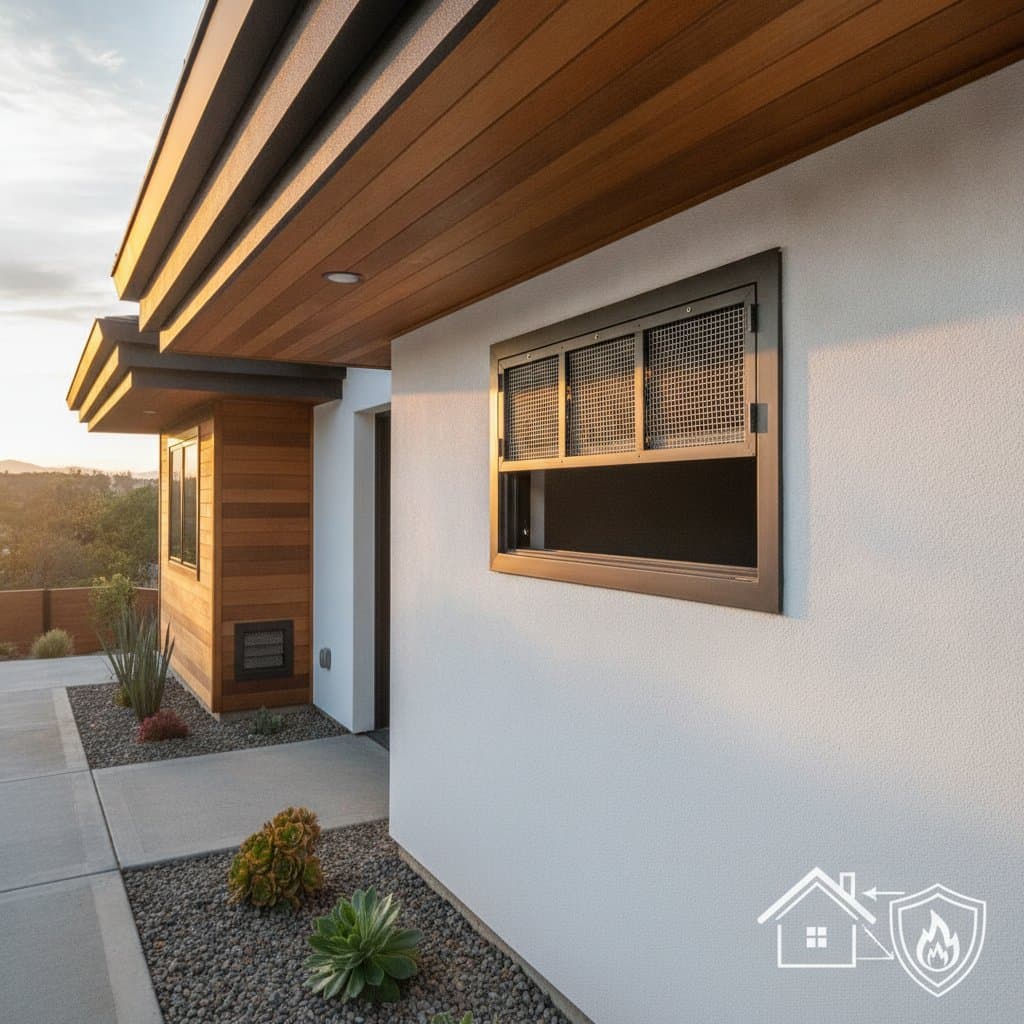
Advancements in aesthetics ensure vents integrate seamlessly with exterior finishes like siding or masonry. Homeowners preserve visual harmony while upholding safety protocols.
Cost Considerations and Implementation Strategies
Retrofitting homes with compliant flood vents represents a reasonable expense. Factors influencing total outlay include enclosure dimensions, material choices, and required vent quantities. Entry-level options provide cost-effective solutions, whereas advanced models featuring automated mechanisms demand higher initial investment but lower ongoing upkeep.
Incorporate vent installation during existing projects like elevations or waterproofing enhancements for optimal efficiency. Engage contractors experienced in flood zone regulations to align venting with overall site preparations.
Maintenance Practices for Sustained Performance
Post-installation, routine checks suffice to maintain vent efficacy. Inspect for obstructions from debris or foliage, and clear sediment following significant precipitation events. Certified designs typically feature mechanisms that seal upon drying, deterring pests while allowing necessary ventilation.
Upgraded property owners describe a shift toward proactive confidence during adverse weather. A foundation equipped to manage pressure and moisture transforms seasonal concerns into managed realities.
Steps to Achieve Foundation Compliance
Evaluate your property's foundation ventilation if it lies within a designated flood zone. Schedule a consultation with a certified professional versed in FEMA protocols. Request verification of product credentials prior to any work commencement.
Compliance extends beyond meeting codes; it fortifies your residence, financial stake, and lifestyle against flood uncertainties. Proactive measures yield enduring security and tranquility.