Fema

#Fema - Page 3

Continue exploring articles tagged with Fema

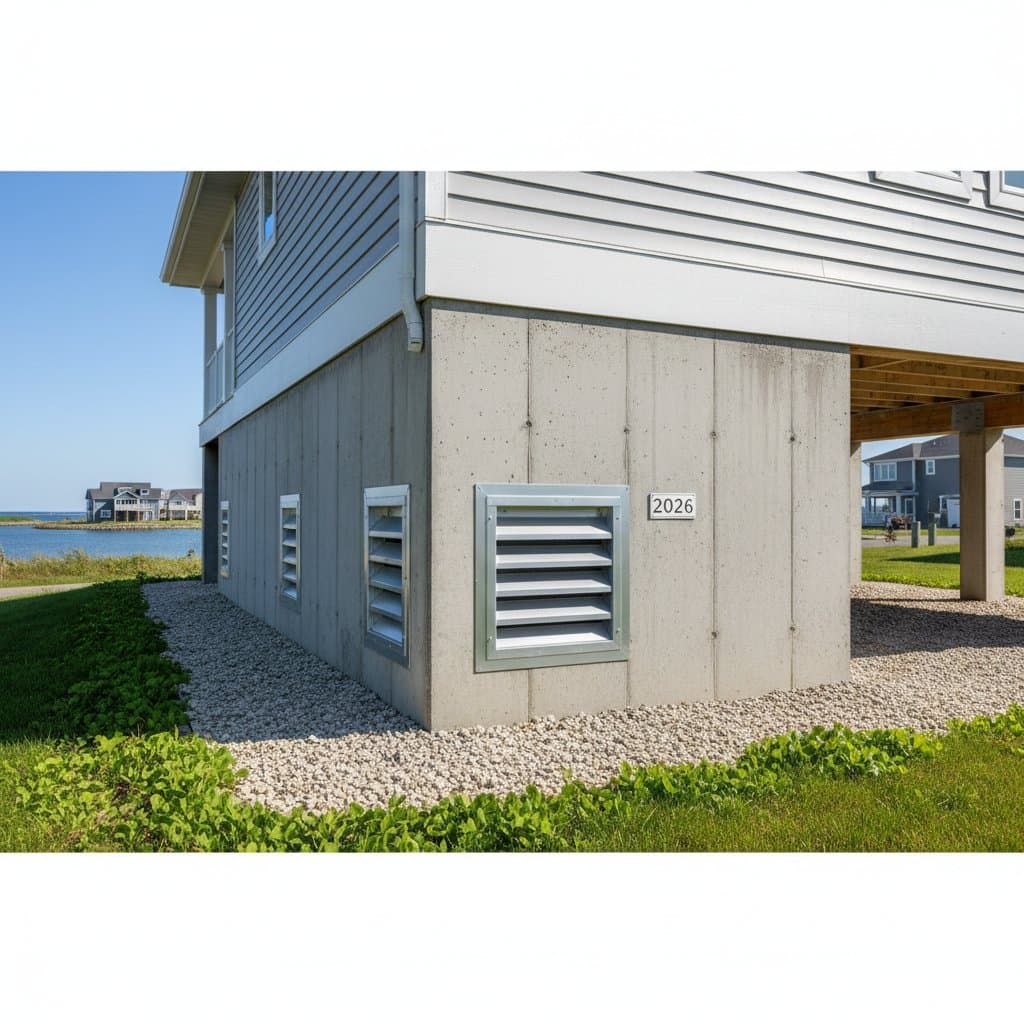
FEMA Flood Vents Now Required in All Flood Zones

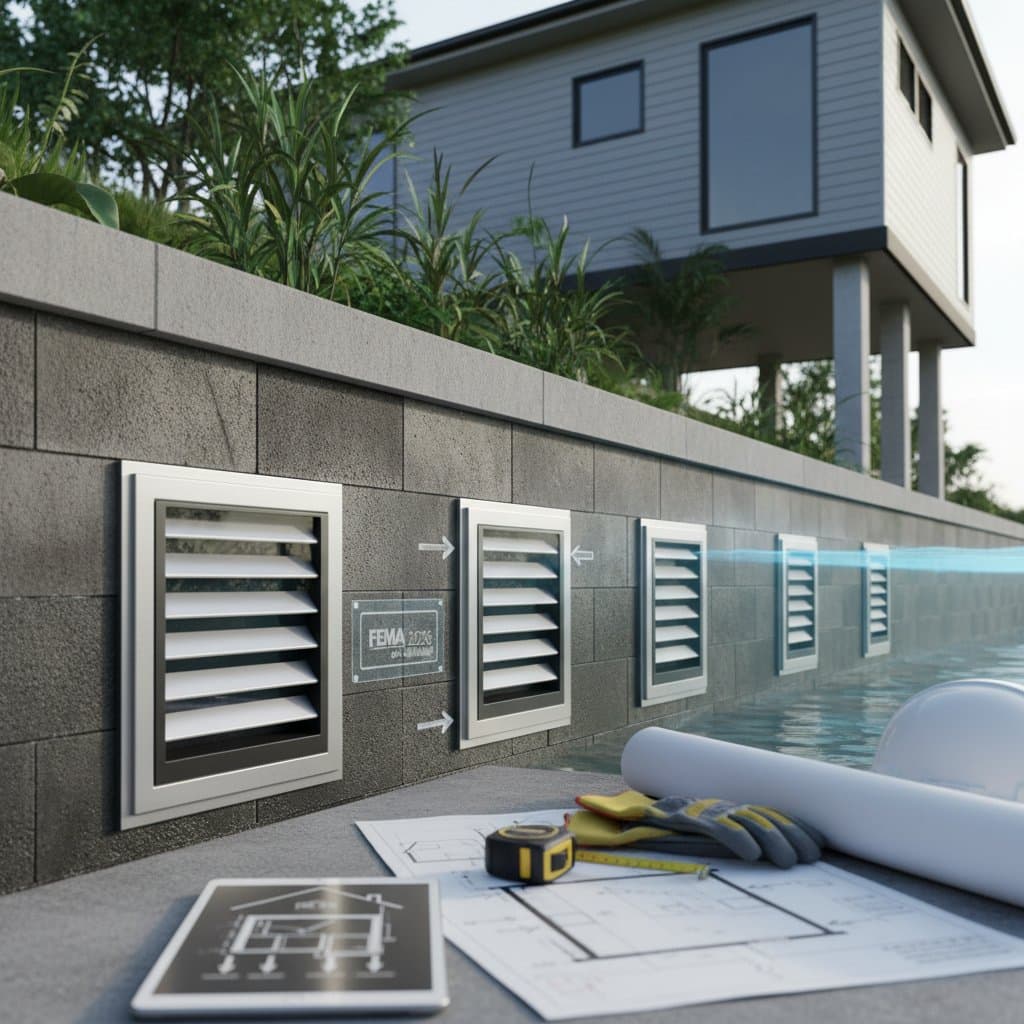
FEMA's 2026 updates to flood vent standards enhance foundation resilience for homes in flood zones. These certified, properly sized, and strategically placed vents mitigate pressure damage, ensure regulatory compliance, and reduce insurance expenses. Discover how these advancements provide robust flood protection and homeowner confidence.

4 min read
By JoAnn Souza

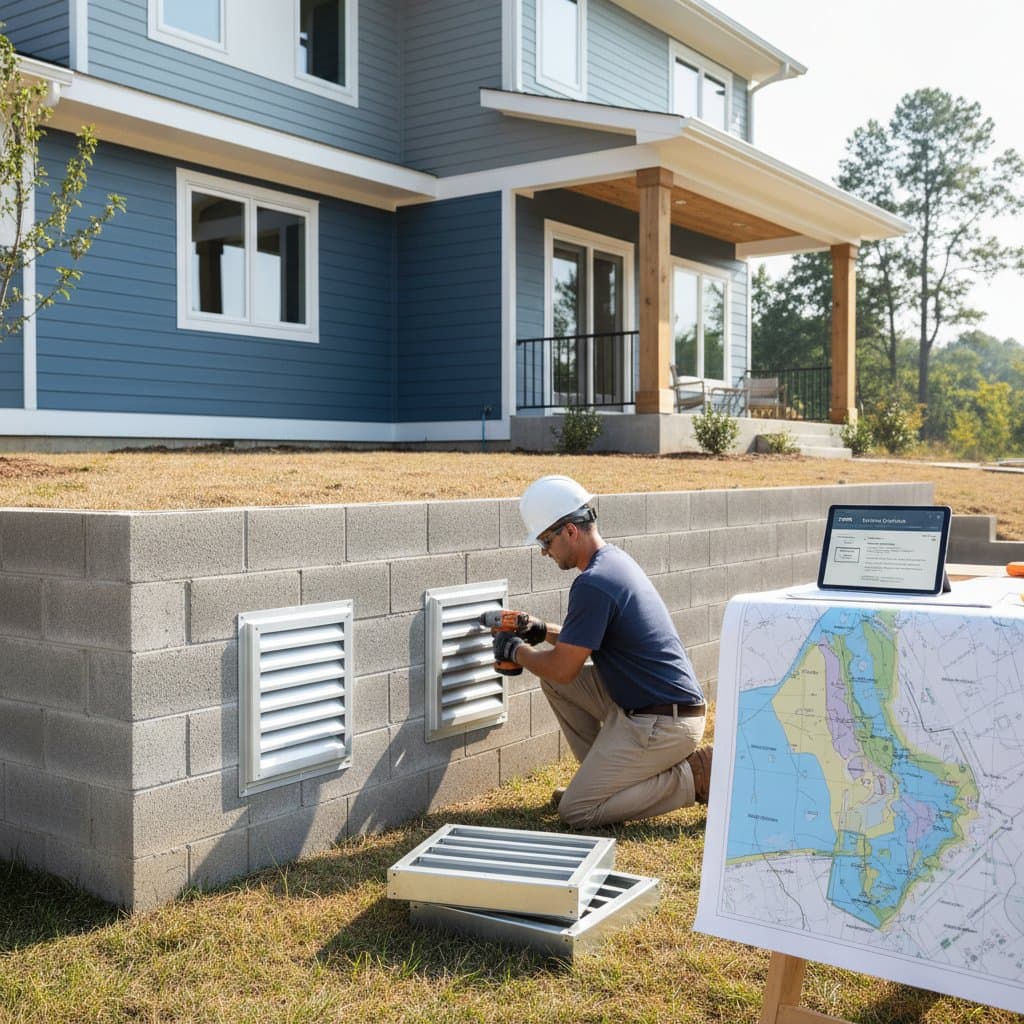
FEMA Flood Vent Certification Now Required for Insurance

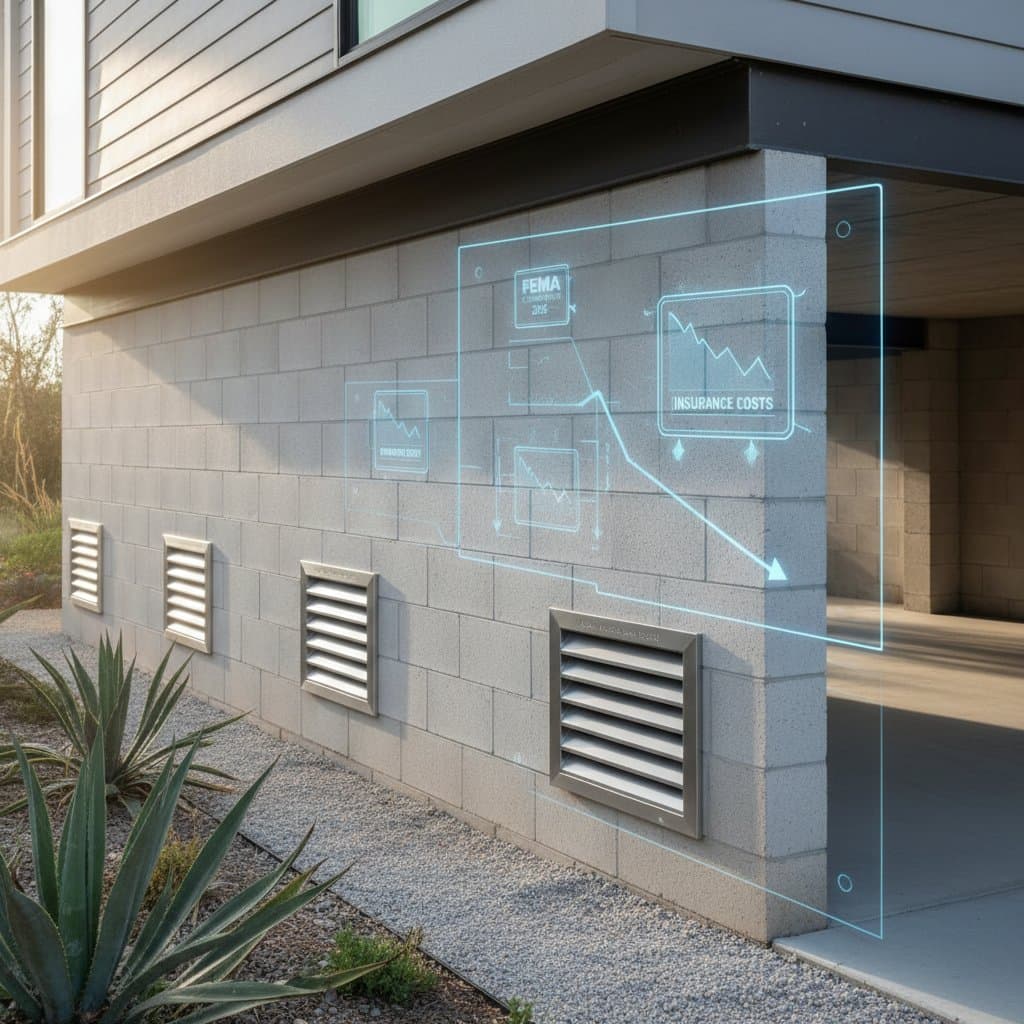
FEMA's 2026 flood vent certification mandates will enforce stricter standards for flood-prone properties, linking compliance directly to insurance eligibility and premiums. Proactive measures, including certified installations and timely upgrades, help avoid penalties, reduce costs, and enhance structural integrity. This guide details budgeting, material selection, and project timelines to ensure your home meets the new requirements.

5 min read
By Katlyn Polino

FEMA Loans Cut Flood Protection Costs by 60%

With escalating flood risks and insurance rates, FEMA's 2026 mitigation loans provide essential support for homeowners. Explore low-interest funding for elevation, drainage enhancements, and reinforcements that decrease premiums, avert damage, and enhance property value. Review eligibility criteria, expense details, and strategic planning tips to secure your home.

4 min read
By Katlyn Polino

Why Flood Vents Are Now Required Under FEMA Rules

FEMA's 2026 guidelines mandate flood vents for properties in high-risk flood areas to equalize water pressure, protect structural integrity, and ensure insurance coverage. These updates address increasing flood risks and aim to lower long-term repair expenses. Homeowners can achieve compliance through strategic installation, yielding significant financial and safety benefits.

5 min read
By Katlyn Polino

New FEMA 2026 Flood Vent Rules: Stay Compliant

The 2026 FEMA flood vent rules establish enhanced standards for vent design, installation, and certification to bolster flood protection for foundations in vulnerable areas. This comprehensive guide details the updates, inspection methods, upgrade options, and professional resources to help homeowners maintain compliance, cut insurance expenses, and secure their homes effectively.

4 min read
By Nicole Barker

FEMA's 2026 Flood Vent Rules: What Homeowners Must Know

FEMA's 2026 updates to floodplain management emphasize flood vents as a vital measure for protecting homes in flood-prone areas. These vents equalize hydrostatic pressure to minimize structural damage, potentially lowering flood insurance rates and increasing resale appeal. This guide covers compliance essentials, installation options, and strategies to ensure your property remains resilient.

4 min read
By Katlyn Polino

Why Flood Vents Are Now Required by FEMA in 2026

FEMA introduces mandatory flood vents for 2026 in designated flood zones to elevate home resilience. These specialized openings allow water to flow through foundations, minimizing structural damage and supporting lower insurance rates. Proper selection, installation by experts, and routine maintenance ensure your home adheres to standards while providing enduring protection against escalating flood threats.

5 min read
By Becca Roberts

FEMA Flood Vents Cut My Insurance 15 Percent

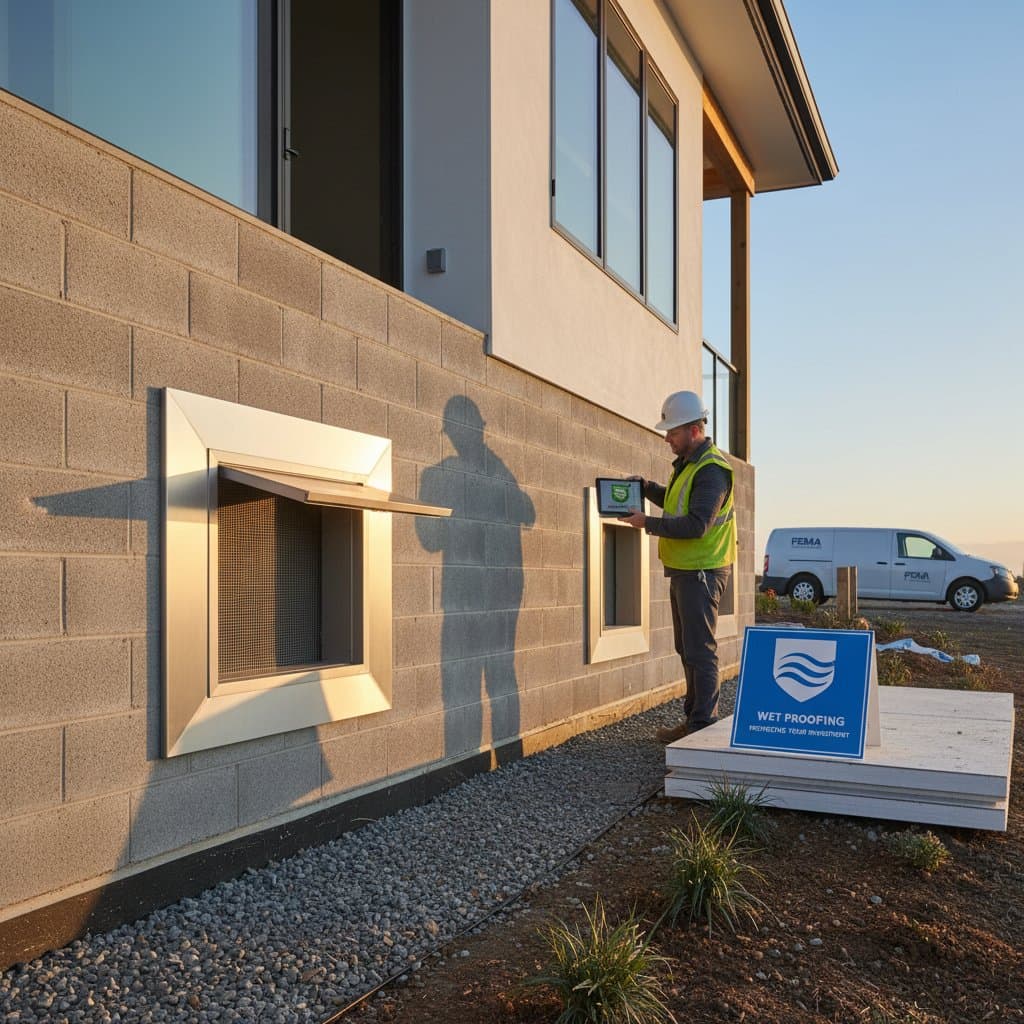
The 2026 FEMA flood code updates introduce stricter requirements for flood vents, wet-proofing, and foundation designs. Homeowners in flood-prone areas must address compliance to avoid higher costs and insurance risks. Upgrading to certified flood vents and moisture-resistant materials can improve safety, cut premiums by up to 15 percent, and preserve property value ahead of the changes.

4 min read
By Stacy Cadri

FEMA's 2026 Flood Vent Rules Change Compliance

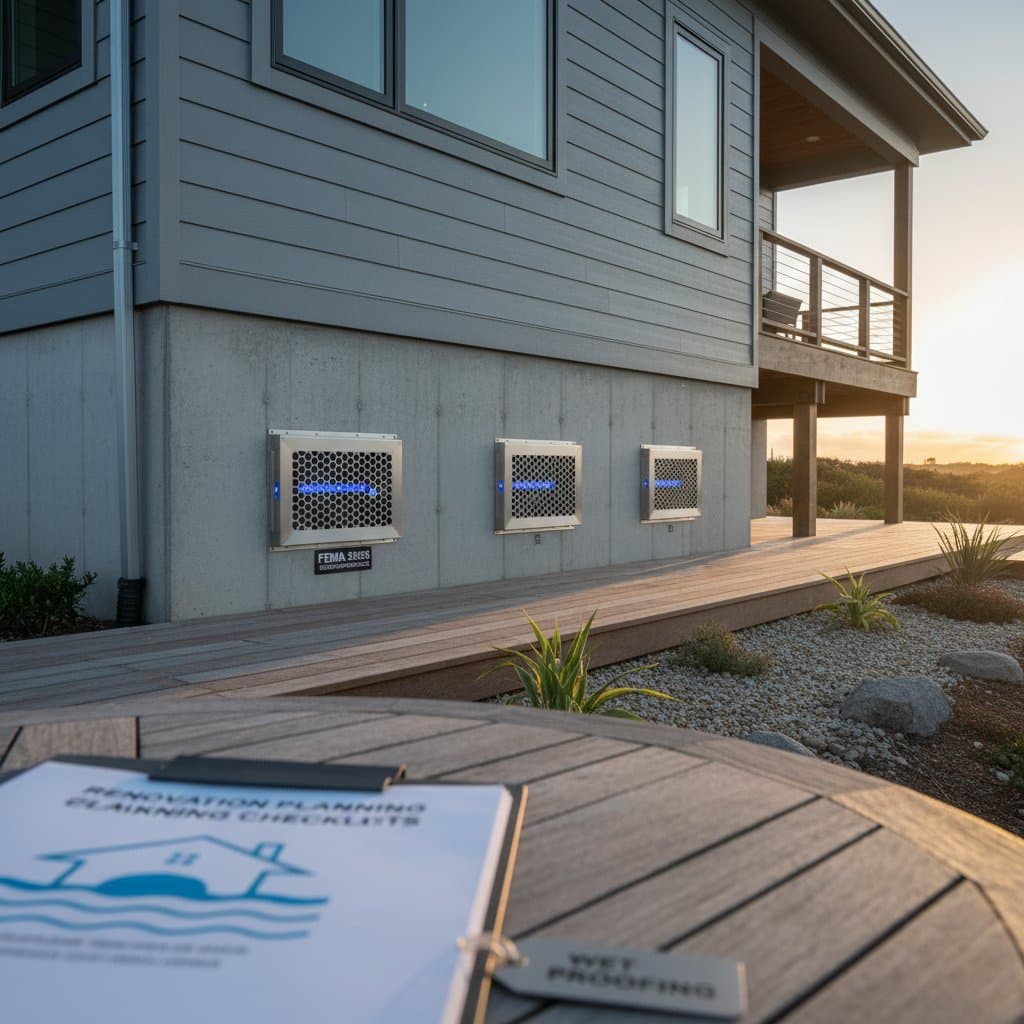
FEMA's 2026 flood vent standards elevate requirements for automatic, certified vents that equalize hydrostatic pressure and reduce structural flood damage. Homeowners in designated flood zones must address compliance to avoid higher insurance costs and ensure property resilience. Key details on placement, materials, and upgrades provide practical guidance for effective implementation.

4 min read
By Katlyn Polino