Flood-Proof Floors Cut Insurance Costs in 2026
Explore 2026 flood proof flooring choices that safeguard homes and reduce insurance expenses. Compare materials, costs, and maintenance steps for resilient results.

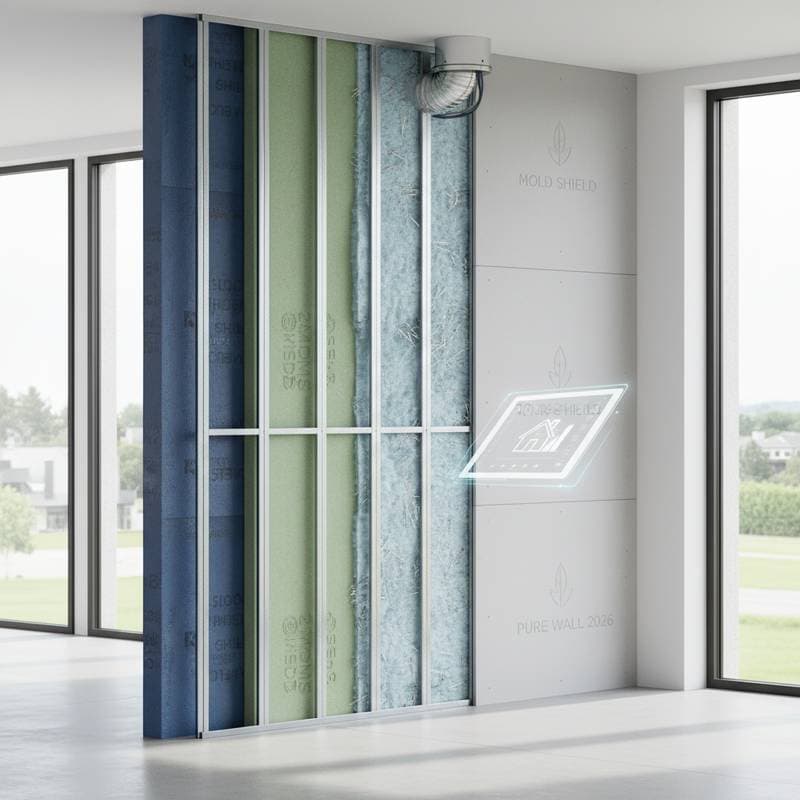
Select mold-resistant drywall, cement board, antimicrobial paint, foam insulation, waterproof flooring, and epoxy grout to limit growth in humid climates. Cost ranges, room-by-room guidance, and upkeep practices help homeowners protect structures and indoor air quality.
Explore our collection of materials related content
Explore 2026 flood proof flooring choices that safeguard homes and reduce insurance expenses. Compare materials, costs, and maintenance steps for resilient results.
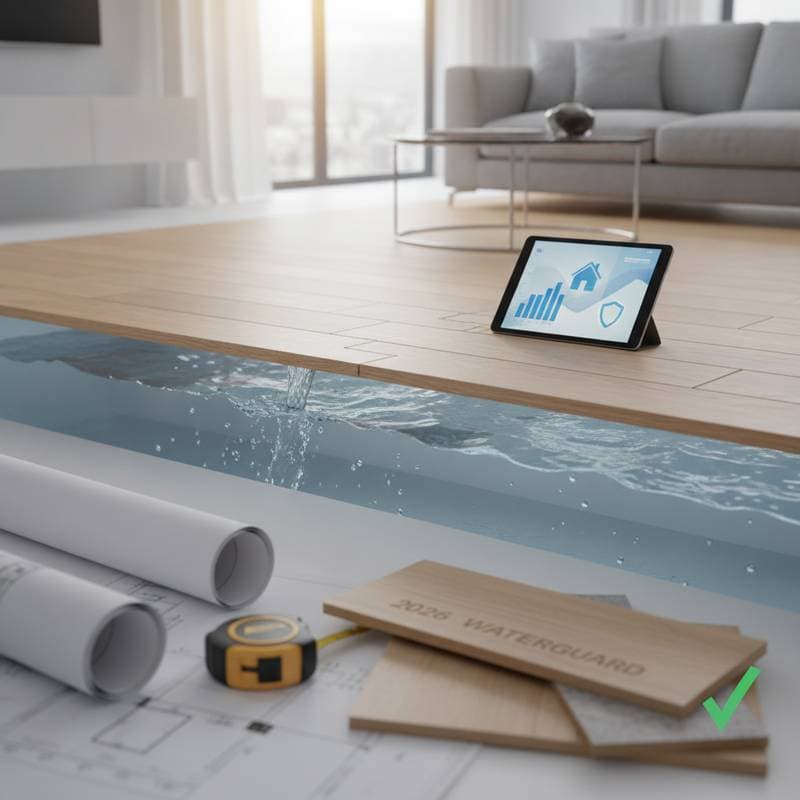
Flood proof flooring installed in 2026 protects homes from water damage, supports lower insurance premiums, and improves resale value. This guide covers material options, installation decisions, scheduling, compliance steps, and maintenance routines.
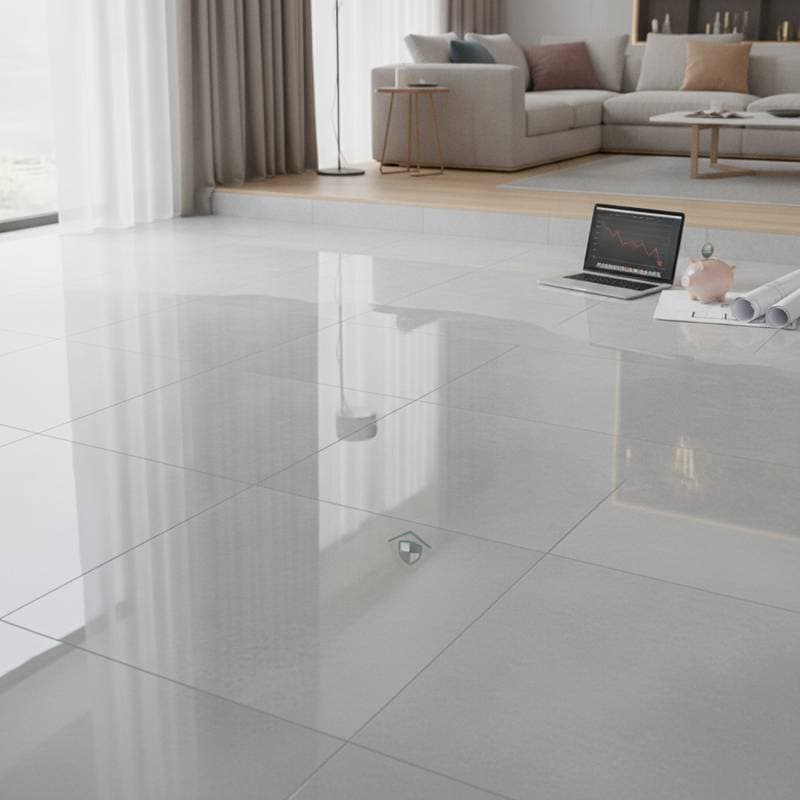
Insurance-approved flood-proof flooring combines durability and style. These materials withstand water exposure, simplify cleanup, and support faster insurance recovery in high-risk areas.
Insurance approved flood proof flooring protects homes from water damage while supporting design goals. Explore compliant materials, certified installation practices, and maintenance routines that preserve coverage and add lasting value.
Reconstruct post-flood with mold-resistant materials to secure structural integrity, promote healthy air, and boost property value. Explore drywall innovations, sealed insulations, resilient floors, plus costs, regulations, and pro tips for a fortified, moisture-repellent living space.
Learn about 2026 flood-proof flooring innovations that shield homes from water damage and lower insurance costs. Options like luxury vinyl plank, ceramic tile, sealed concrete, and engineered stone provide durability, cost savings, and reliability. Gain insights on installation, return on investment, and strategies approved by insurers for resilient upgrades.
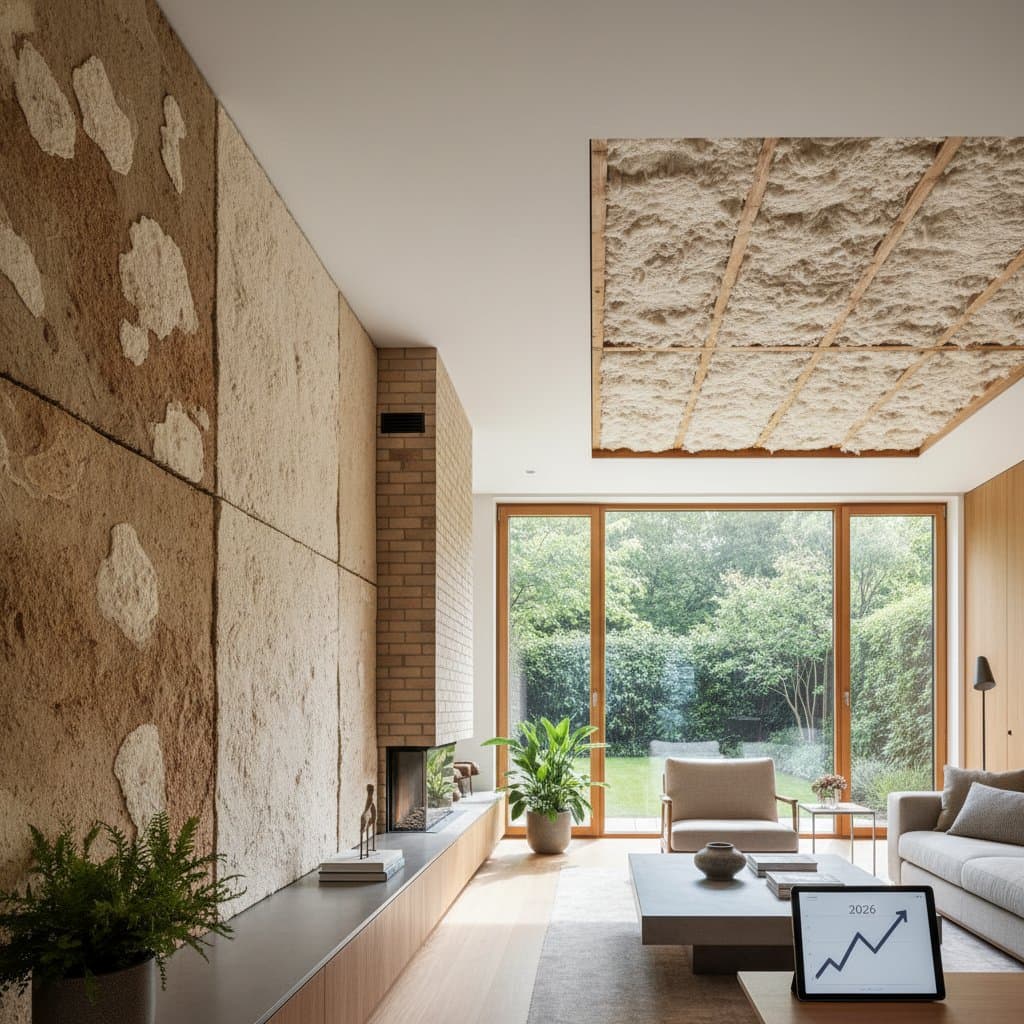
Mycelium insulation revolutionizes sustainable home improvements with superior thermal efficiency, fire resistance, and carbon-negative manufacturing. As prices stabilize and incentives grow, expect reduced energy expenses, improved air quality, and resale value increases of up to 5 percent by 2026, positioning this innovative material as a smart, profitable choice.
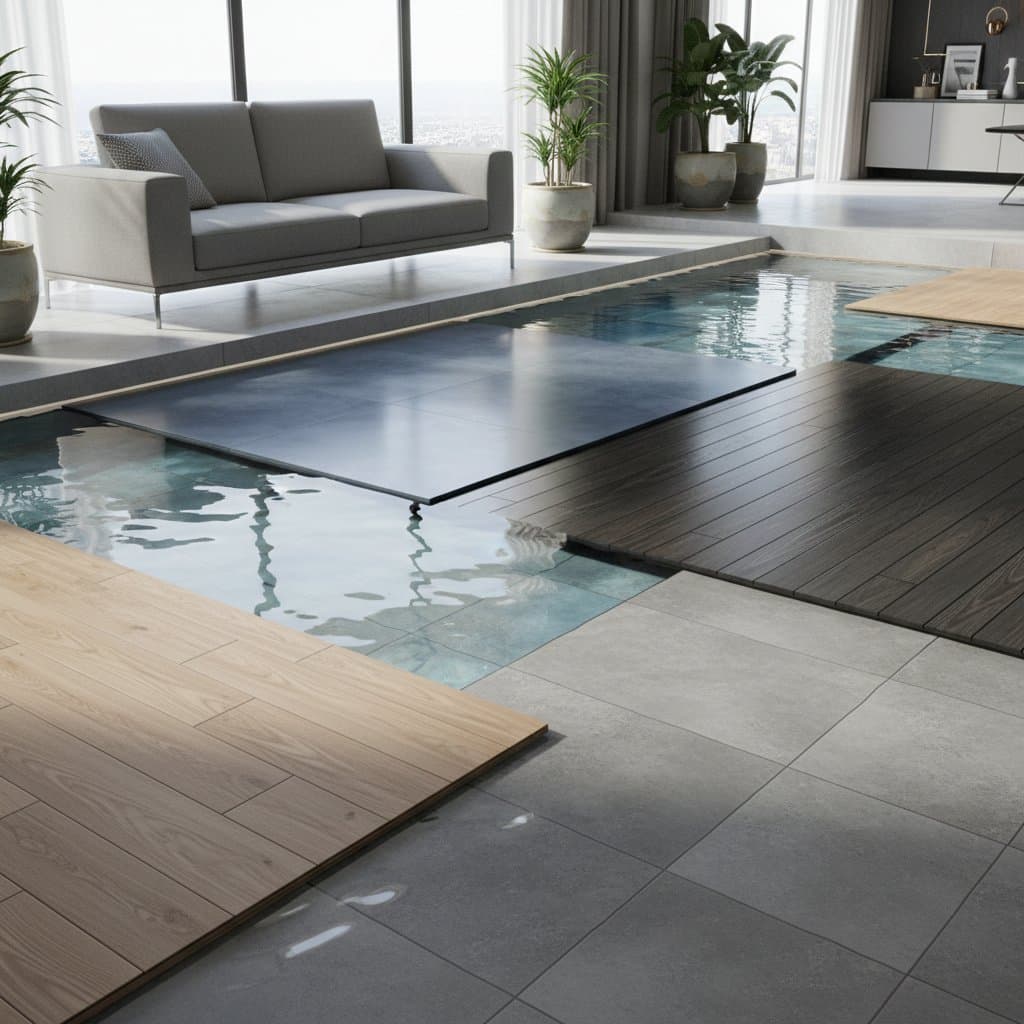
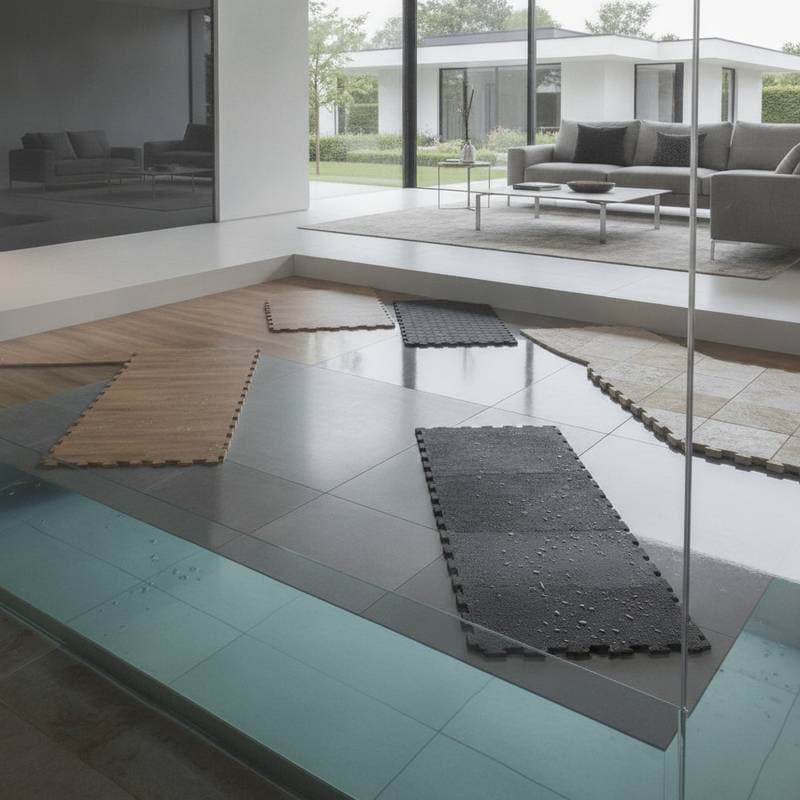
Uncover 2026's breakthrough flood-proof flooring innovations, including luxury vinyl with waterproof cores, sealed porcelain tiles, engineered polymers, reinforced rubber, and bamboo composites. These resilient, stylish choices combat moisture, minimize flood aftermath, and deliver long-term savings. Gain tips on selection, installation, and maintenance to secure your home investment.
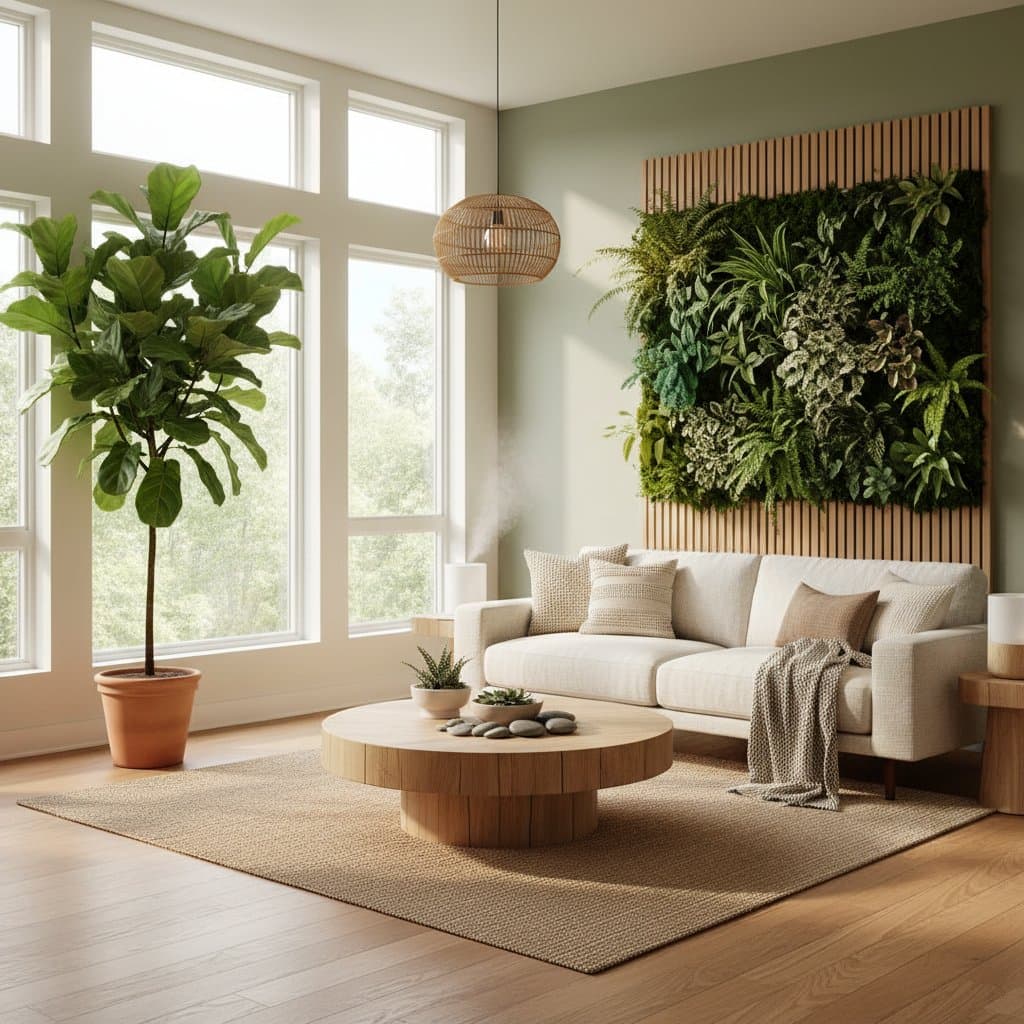
Biophilic design weaves natural elements into homes, creating serene spaces that connect residents to the outdoors. It improves air quality, sharpens focus, and restores emotional equilibrium with features like abundant light, lush plants, and earthy textures. These accessible enhancements cultivate a vibrant, healing atmosphere in any living environment.
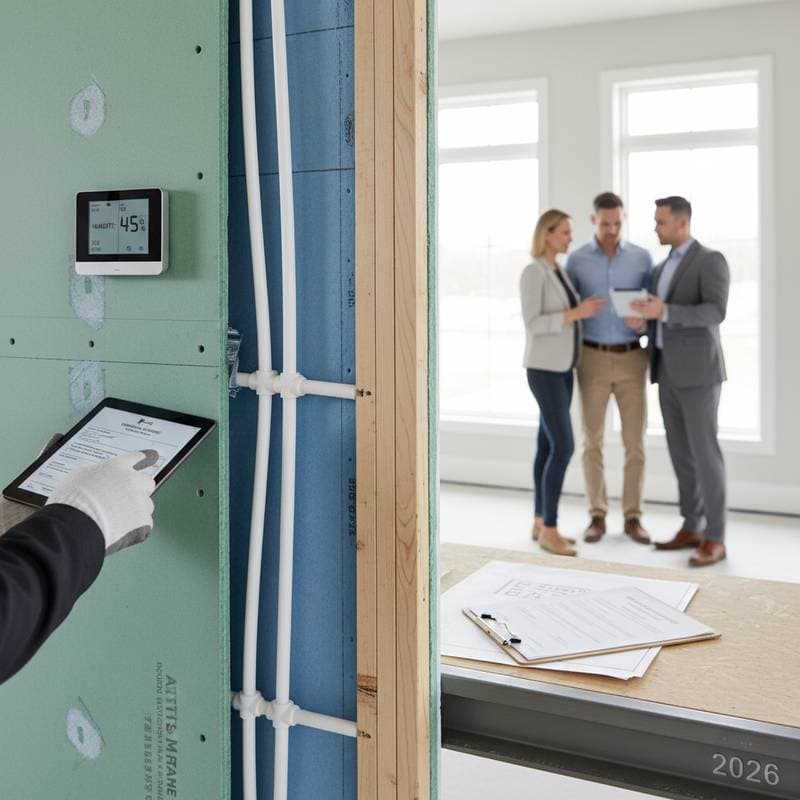
Starting in 2026, mold-resistant materials become mandatory for insurance coverage, driven by stricter moisture management rules. Homeowners need ASTM-compliant options, HVAC coordination, and thorough records to ensure eligibility, boost property value, and avoid expensive mold claims.
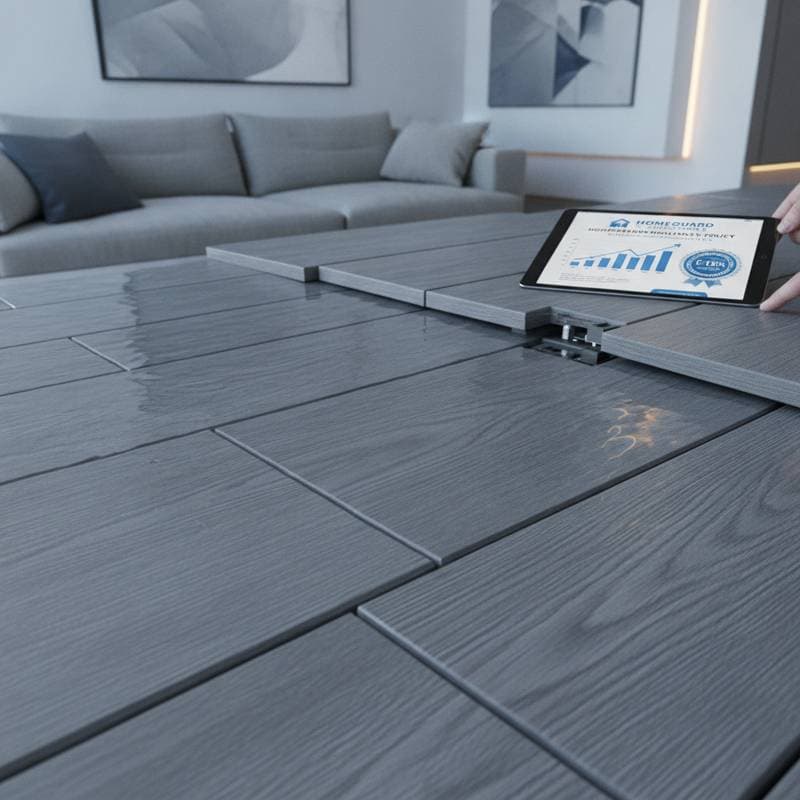
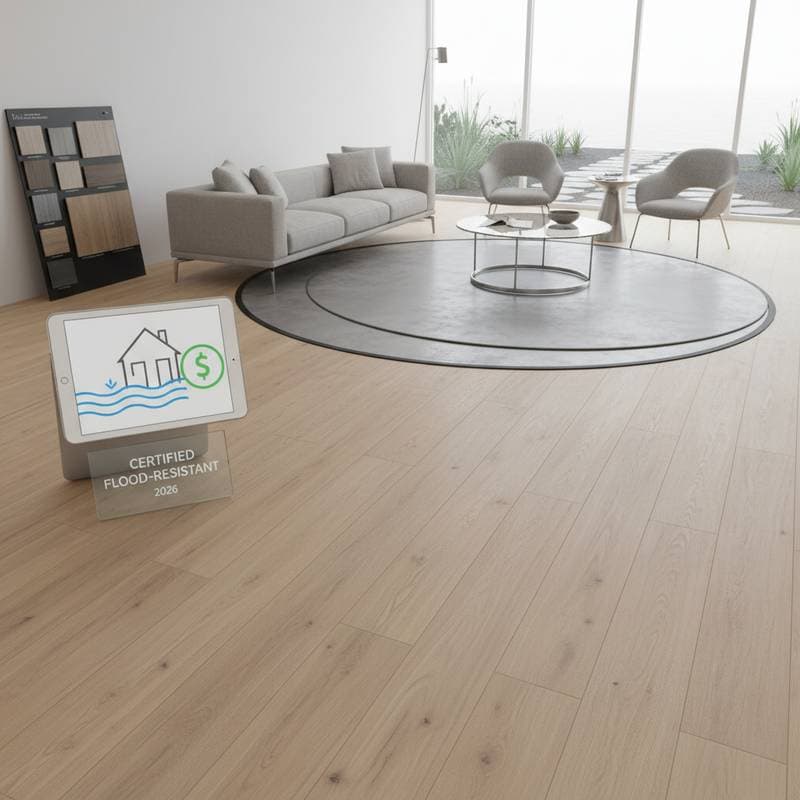
Flood-resistant flooring safeguards homes from water damage while qualifying for insurance discounts starting 2026. Certified options like luxury vinyl, porcelain tile, and polished concrete offer durability, style, and cost savings. Understand qualification criteria, certification processes, and why these floors represent a wise choice for resilient, attractive living areas.
The 2026 building codes introduce rigorous moisture control and ventilation requirements for home construction. Selecting certified mold-resistant materials enhances health, maintains property value, and reduces long-term expenses. Options spanning drywall to insulation promote superior air quality, structural integrity, and energy efficiency for forward-thinking homeowners.
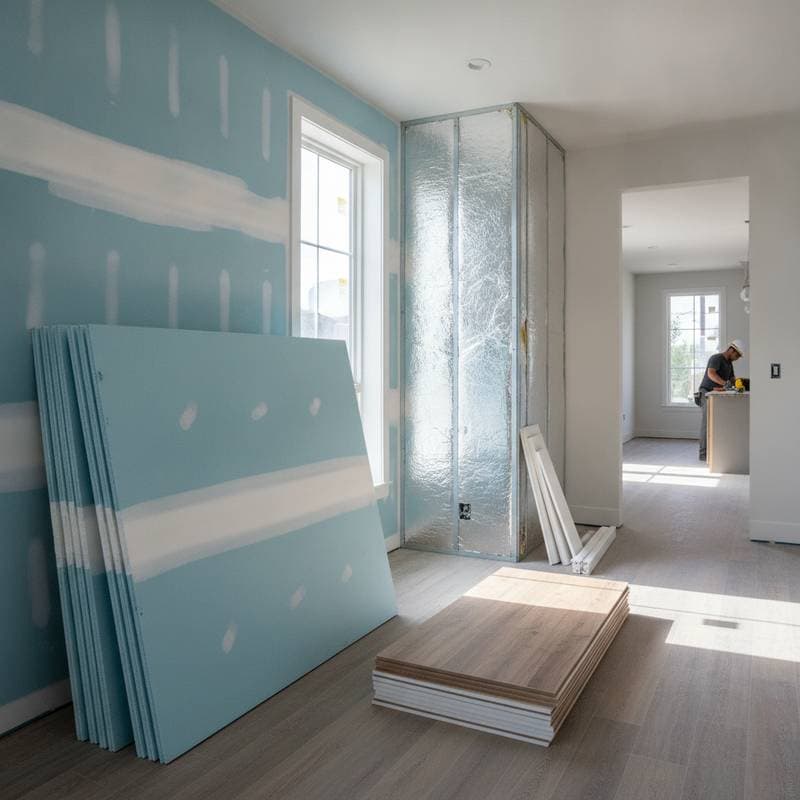
The 2026 building codes elevate mold-resistant drywall to a near-mandatory status, influencing renovation budgets and material choices. These stricter moisture and air quality regulations prevent expensive repairs, enhance home value, and promote healthier living spaces. Discover the implications for costs, compliance, and proactive planning.
Mushroom insulation, derived from mycelium, transforms sustainable home improvements. It provides excellent thermal efficiency, lasts 40 to 50 years, and achieves up to 25 percent energy savings, outperforming conventional options while minimizing environmental harm. Installation ranges from $4,000 to $9,000, delivering increased comfort, higher resale value, and eco-benefits by 2026.
In flood-vulnerable regions, certified flood-proof flooring qualifies homeowners for insurance savings. These systems block water, mold, and damage while adhering to FEMA and ASTM guidelines. Initial expenses yield lasting advantages, including swift flood recovery and stronger property value.
In 2026, flood-proof flooring transforms home resilience by offering waterproof materials that resist warping, inhibit mold, and minimize insurance claims. Options like luxury vinyl plank and ceramic tile provide style and durability, ensuring quick recovery from water events and long-term savings for homeowners facing variable weather.
Learn how installing flood-resistant flooring protects your home from water damage, reduces insurance premiums, and increases property value. This guide covers options like vinyl planks and epoxy-coated concrete, including costs, benefits, installation advice, and steps to secure insurer discounts through certified upgrades.
Modern flood-resistant flooring shields homes from water damage, cuts insurance costs, and boosts resilience. Delve into materials like vinyl, porcelain tile, and sealed concrete that offer style, durability, and practical installation tips for lasting protection.
Starting in 2026, building codes will enforce the use of mold-resistant materials to boost home durability and indoor air quality. Options such as fiberglass-faced drywall and coated sheathing combat moisture effectively, while also supporting energy savings. Builders and homeowners can prepare now by evaluating climate needs and verifying standards for lasting protection.