2026 Flood Proof Flooring Options That Lower Insurance Claims
Home renovation projects face rising costs, with water damage emerging as a primary concern for property owners. Flooding occurs more frequently in many regions, prompting insurance providers to adjust premiums based on risk factors. Flood proof flooring functions as a proactive measure that safeguards both structural integrity and insurance standing.
Current Market Pressures on Homeowners
Insurance companies increasingly offer reduced deductibles or preferred rates for properties equipped with water resistant materials. Some providers deny coverage for repeated claims when standard materials are reinstalled in vulnerable areas. Ground floor and basement renovations now require careful material selection to address these policy shifts.
Total ownership costs matter more than initial installation prices. Materials that withstand moisture prevent repeated replacements and associated expenses. Buyers in regions with increased rainfall actively seek waterproof flooring during property evaluations.
Decision Framework for Installation Methods
Homeowners can complete certain flood resistant projects independently while others demand professional expertise.
Suitable for Independent Installation
- Luxury vinyl tile systems with click lock mechanisms work well for those equipped with basic tools and a moisture barrier underlayment.
- Sealed concrete slabs accept modern waterproof sealers as a weekend task when low volatile organic compound products are applied with adequate ventilation.
Projects Requiring Licensed Installers
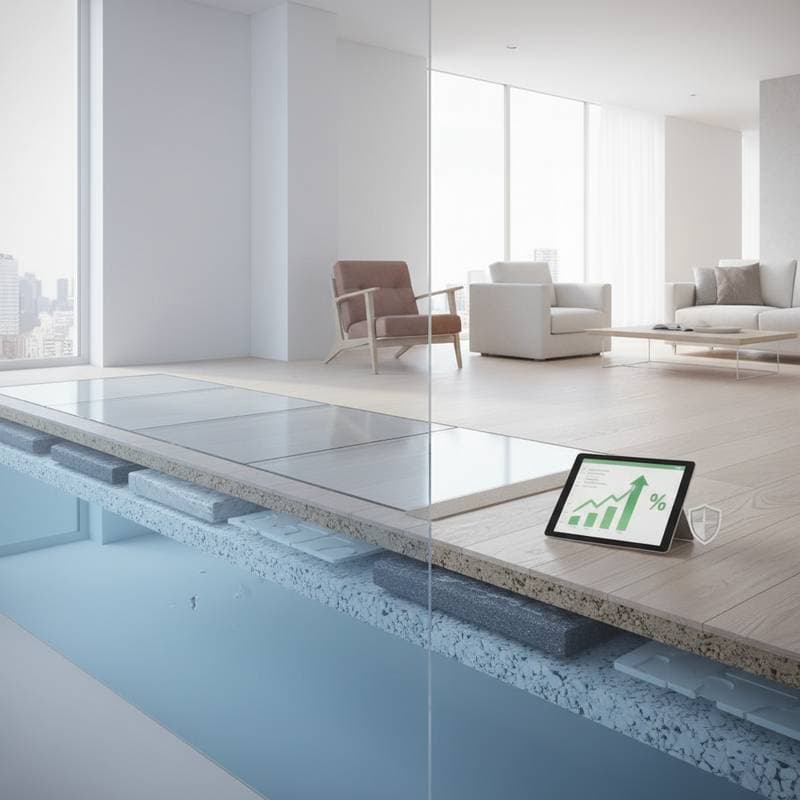
- Porcelain tile demands precise slope creation and underlayment work to eliminate water pockets.
- Engineered stone and rubber flooring need exact subfloor preparation to avoid trapped moisture that voids product warranties.
Regions with frequent basement flooding benefit from contractors experienced in integrated waterproofing. These specialists combine sump pump systems, membrane barriers, and perimeter sealing in coordinated efforts. Obtain multiple quotes from local providers to compare pricing and service quality.
Optimal Scheduling for Installation Projects
Moderate weather periods support proper curing of adhesives and sealers. Spring and early fall provide suitable humidity levels and temperature stability for most materials. Coastal and river adjacent properties should avoid peak storm seasons to minimize supply disruptions.
Plan projects at least eight weeks in advance. This timeline accommodates subfloor moisture testing and procurement of matching transition pieces.
Compliance and Safety Requirements
Flooring performance depends on the condition of the supporting surface. Conduct moisture tests on slabs or subfloors prior to installation to prevent lifting or discoloration. Local building codes in flood prone zones often mandate water resistant materials for basements and first floor work.
Previous flood damage requires complete removal of affected subfloor sections down to the joists. Residual moisture promotes mold growth that compromises both health and flooring longevity.
Key Professionals to Consult
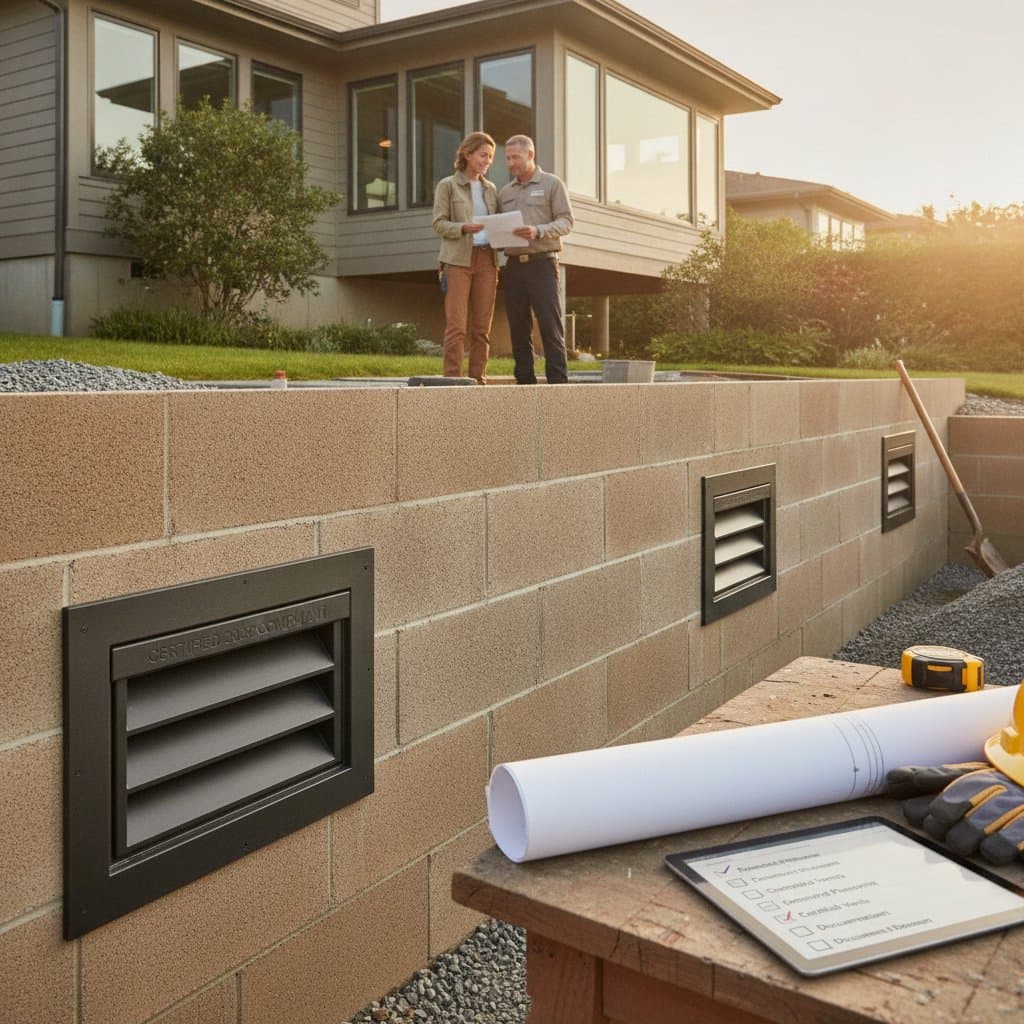
Flooring specialists verify material compatibility with existing subfloors and humidity conditions. Insurance agents identify potential premium adjustments tied to mitigation upgrades. Building inspectors confirm adherence to floodplain regulations. General contractors manage barrier installation and sealing details during the process.
Documentation of these upgrades supports insurance submissions that demonstrate reduced risk exposure.
Ongoing Maintenance Practices
Annual seal inspections protect concrete and tile grout surfaces. Indoor humidity maintained below 55 percent through dehumidifier use reduces moisture accumulation. Neutral cleaning products preserve protective coatings while intact baseboard caulking blocks seepage paths.
Standing water requires thorough drying within 48 hours. Vinyl and tile surfaces accept disinfection, yet trapped moisture beneath trim or underlayment needs verification.
Protection Outcomes for Property Value
Consistent application of these practices extends flooring performance across decades while supporting favorable insurance evaluations and market appeal.