Understanding Insurance Standards for Flooring
Insurance standards for flooring focus on documented resistance to water damage. These standards require materials and installation methods that limit moisture absorption and support quick recovery after exposure. Homeowners who select compliant options often qualify for adjusted premiums and smoother claims processes.
Compliance begins with third party testing that verifies performance under prolonged water contact. Manufacturers must provide certification reports that detail absorption rates and structural integrity. Without these documents, even durable products may fail to meet policy requirements.
Selecting Compliant Materials
Vinyl plank systems with rigid cores and attached underlayments offer strong water resistance when installed over properly prepared subfloors. Look for products tested to withstand submersion for at least 48 hours without delamination.
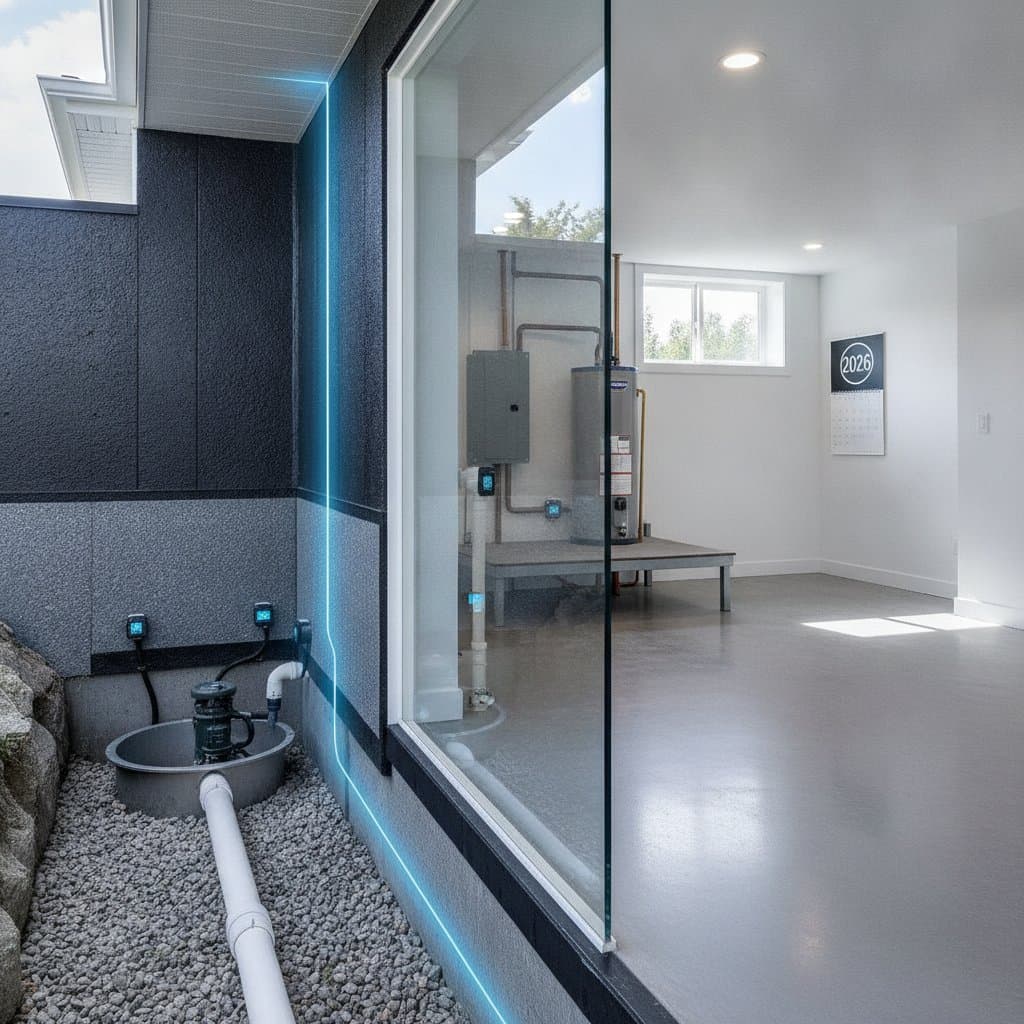
Porcelain tile paired with waterproof membranes creates a reliable barrier in kitchens and bathrooms. Sealed concrete finishes treated with epoxy or polyurethane coatings provide another option for basements and utility areas. Each material must carry explicit approval from recognized testing bodies before installation.
Installation Requirements for Coverage
Certified installers follow manufacturer specifications that include expansion gaps, seam sealing, and moisture barriers. These steps prevent water migration beneath the surface and preserve warranty eligibility.
Homeowners should request written confirmation of compliance from the installer. This record demonstrates that work meets insurer criteria and reduces the chance of claim denial.
Documentation and Record Keeping
Store all receipts, product specifications, and installation certificates in a secure digital folder. Photograph each stage of the project, including subfloor preparation and final sealing. These materials support claims and may qualify the property for premium discounts.
Proactive record keeping avoids disputes if flooding occurs later. It also confirms that the investment meets coverage adjustments or discount thresholds.
Maintenance Routines
Clean floors regularly with neutral pH solutions to avoid residue that weakens sealants. Inspect seams and edges each year, particularly after heavy rainfall. Reapply grout protectors or surface sealants according to manufacturer intervals to sustain water resistance.
Common Questions Answered
Will insurance approved flooring raise home value?
Yes. Buyers value documented flood resilience, especially in high risk zones. It indicates lower future maintenance costs and greater safety.
Can homeowners install flood proof flooring themselves?
Some vinyl systems allow DIY installation. Insurer approval, however, frequently requires certified labor. Review policy language before beginning work.
Does flood proof mean waterproof forever?
No. Even high performance materials can degrade after extended submersion. Routine inspections and timely resealing extend service life.
Are all waterproof floors insurance approved?
Approval depends on certified testing and adherence to specific insurer criteria rather than waterproof labeling alone.
How often should flood proof floors receive maintenance?
Concrete and tile surfaces need resealing every few years. Vinyl requires only regular cleaning. Always follow the care instructions supplied by the manufacturer.
Integrating Resilience with Design
Flood proof flooring now supports both protection and visual appeal. Wide plank vinyl replicates the look of white oak while meeting water resistance tests. Stone look tile creates spa style bathrooms that still satisfy insurance inspections. Matte epoxy coatings suit modern basements and home gyms without sacrificing performance.
When combined with raised baseboards, waterproof wall finishes, and improved drainage, these systems help homes recover faster from water events while maintaining style.