Build a Mold-Free Home After Floods Using Code-Compliant Materials
Flood recovery requires careful decisions about repairs, replacements, and preventive measures. Moisture from floods often remains hidden within walls, floors, and insulation long after surface water dries. The optimal moment to combat mold occurs during reconstruction, prior to installing new materials. Selecting mold-resistant products and employing moisture-resistant building methods safeguards the home's integrity, enhances indoor air quality, and minimizes future expenses.
Essential Facts for Flood Rebuilds
Understanding key statistics aids in planning a resilient recovery.
- Average cost for partial restoration: Between $20,000 and $60,000, influenced by damage extent and location.
- Standard timeline: From two to six months, varying with the scope of work.
- Expected material durability: Twenty to fifty years when maintained properly.
- Project complexity: Moderate to high; professional expertise is essential for mold removal and regulatory compliance.
These figures highlight the importance of strategic material choices to balance immediate needs with long-term benefits.
Detailed Cost Analysis for Mold-Resistant Rebuilds
Reconstruction following a flood exceeds basic repairs, as it involves thorough cleaning, removal of damaged elements, and fortified rebuilding. Expenses differ by geographic area and selected products, yet this overview provides a reliable estimate.
| Material or System | Cost per Square Foot | Mold Resistance Level | Expected Lifespan |
|---|---|---|---|
| Mold-resistant drywall | $0.60 to $0.90 | High | 30 years |
| Fiber cement siding | $5 to $10 | Very high | 50 years |
| Closed-cell spray foam insulation | $2 to $4 | High | 40 years |
| PVC trim and baseboards | $3 to $5 | High | 50 years |
| Concrete subfloor or backer board | $1.50 to $3 | Very high | 50+ years |
| Vapor barrier membranes | $0.25 to $0.75 | Moderate to high | 25 years |
Labor costs typically increase the total by 30 to 50 percent, based on project intricacy. Prior to reconstruction, mold remediation ranges from $2,000 to $6,000 and serves as a critical preliminary step to eliminate contaminants.
Recommended Mold-Resistant Materials for Flood-Affected Areas
Each component of the home's structure must actively deter mold during post-flood rebuilding. The following selections combine superior strength with effective moisture resistance, ensuring comprehensive protection.
1. Mold-Resistant Drywall
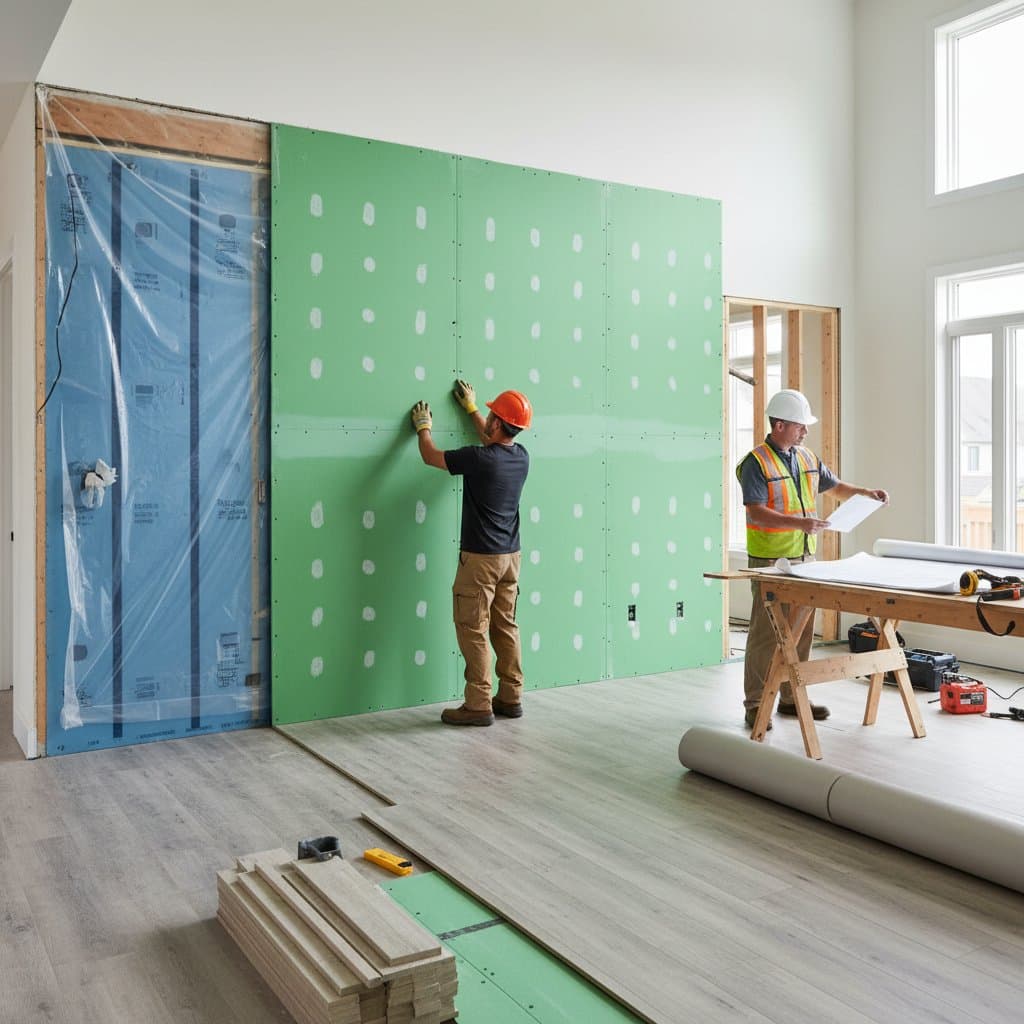
This type of drywall incorporates fiberglass matting rather than paper, which inhibits mold spore adhesion. It suits applications in lower-level walls, basements, and moisture-prone zones like bathrooms. Certain variants include built-in antimicrobial agents that halt mold proliferation even during brief water exposure, allowing for straightforward cleanup and reinstallation.
2. Closed-Cell Spray Foam Insulation
Applied as a liquid that expands to fill voids, this insulation forms a seamless barrier against moisture and drafts. Its closed-cell structure provides greater density compared to open-cell alternatives, serving dual roles as an efficient thermal barrier and a robust vapor retarder. Professionals apply it in a single step, eliminating seams where water might penetrate.
3. Cement Board
These rigid panels, made from cement composites, excel in wet environments such as behind shower tiles, in utility rooms, or along baseboards previously submerged. They repel water absorption and resist mold colonization, facilitating easy drying and sanitization after incidental leaks. Installers secure them with screws for a stable, long-lasting base.
4. Durable Waterproof Flooring Solutions
Options like luxury vinyl plank, porcelain tiles, or sealed concrete outperform traditional wood or carpet in areas susceptible to flooding. These surfaces withstand submersion, resist warping, and support thorough disinfection without structural compromise. Select interlocking or glued-down varieties for enhanced stability in high-traffic zones.
5. Synthetic Trim and Baseboards
Materials such as PVC or fiber-reinforced composites prevent expansion and mold development, unlike natural wood. They accept paint finishes seamlessly and maintain form amid elevated humidity levels. Cut and install them using standard woodworking tools for a professional appearance.
Advantages and Drawbacks of Mold-Resistant Materials
Upgrading to these specialized products involves weighing benefits against potential limitations. This evaluation enables informed decisions aligned with financial constraints, environmental conditions, and daily use patterns.
Advantages
- Cost efficiency over time: Diminished requirements for repeated mold treatments and surface refinishing.
- Improved air quality indoors: Lower presence of mold spores and associated irritants.
- Regulatory adherence: Alignment with current standards for moisture management.
- Enhanced market value: Appeal to prospective buyers seeking resilient features.
- Superior endurance: Products like cement board and PVC elements endure for decades with minimal upkeep.
Drawbacks
- Elevated initial investment: Premiums of 10 to 25 percent over conventional alternatives.
- Expert application needs: Items such as spray foam demand licensed specialists for optimal performance.
- Design constraints: Select moisture-resistant options offer reduced variety in patterns and hues.
Strategies to Reduce Expenses in Mold-Resistant Reconstructions
While flood restoration demands significant funds, targeted approaches can lower outlays while upholding standards.
- Combine material tiers strategically. Deploy premium selections in vulnerable spots, such as below-grade areas and wet rooms, while opting for basic types in arid interiors.
- Schedule work in favorable weather. Dry conditions accelerate drying processes, cutting down on dehumidification equipment rentals.
- Review insurance provisions. Numerous policies cover enhancements that mitigate recurrence, provided documentation demonstrates preventive intent.
- Negotiate volume discounts with suppliers. Purchasing insulation, panels, and coverings in bulk frequently secures reduced rates.
- Pursue community assistance programs. Local governments sometimes provide grants targeted at fortification against water intrusion and humidity control.
Implementing these tactics ensures fiscal prudence without compromising safety or efficacy.
Ongoing Maintenance Practices to Prevent Mold Recurrence
After completing the rebuild, vigilant care preserves the upgrades and averts mold threats. Focus on detecting and addressing concealed dampness through routine vigilance.
- Conduct yearly plumbing evaluations. Examine connections beneath fixtures, near heating units, and adjacent to major appliances for signs of seepage.
- Maintain exterior drainage systems. Clear debris from gutters and extend downspouts to direct runoff distant from the building's base.
- Employ humidity controls seasonally. Operate dehumidifiers to sustain levels under 50 percent in enclosed spaces.
- Monitor sealant integrity. Refresh caulk around bathing enclosures and window frames upon noticing gaps.
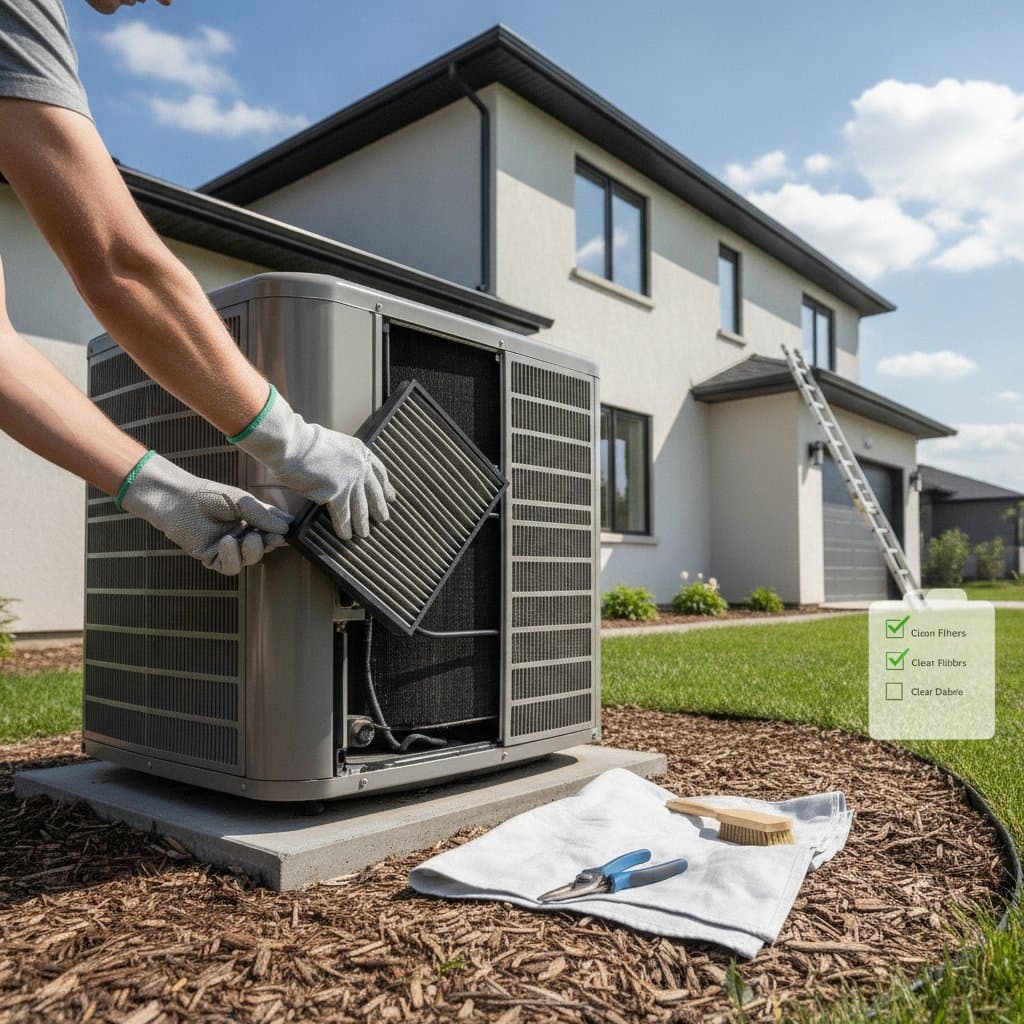
- Service air systems regularly. Replace HVAC filters each month to promote circulation and inhibit condensation within conduits.
These habits form a proactive defense, extending the lifespan of investments and safeguarding occupant well-being.
Steps to Initiate Your Resilient, Mold-Free Reconstruction
Post-flood rebuilding presents a chance to fortify the residence beyond its original state. Opt for materials verified for mold resistance, verify that workmanship complies with regional building codes, and collaborate with specialists versed in water management. Such deliberate choices yield enduring security for the physical framework, resident health, and asset worth.