Vents

#Vents - Page 4

Continue exploring articles tagged with Vents

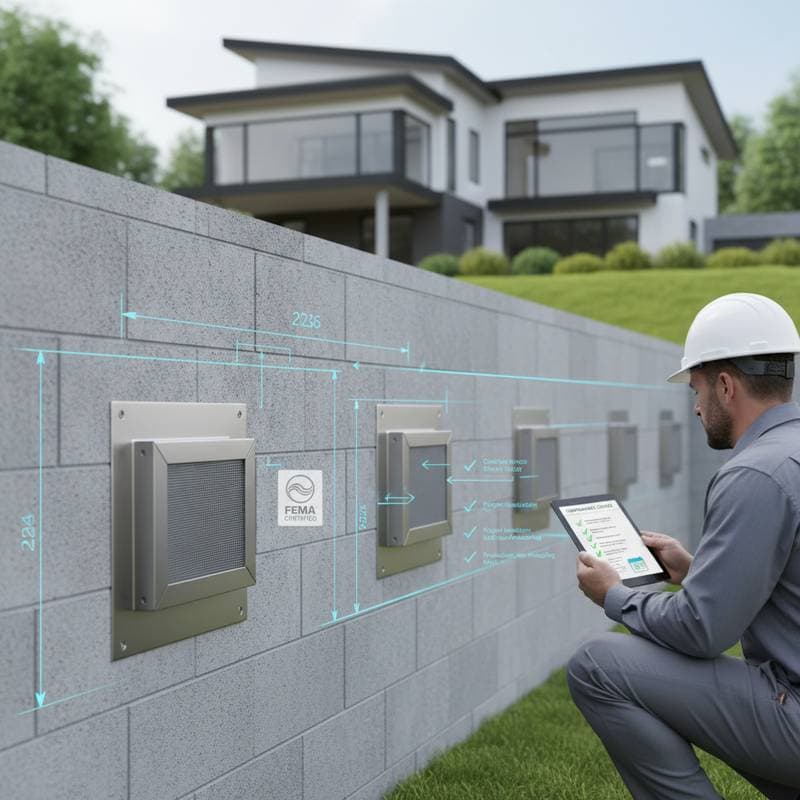
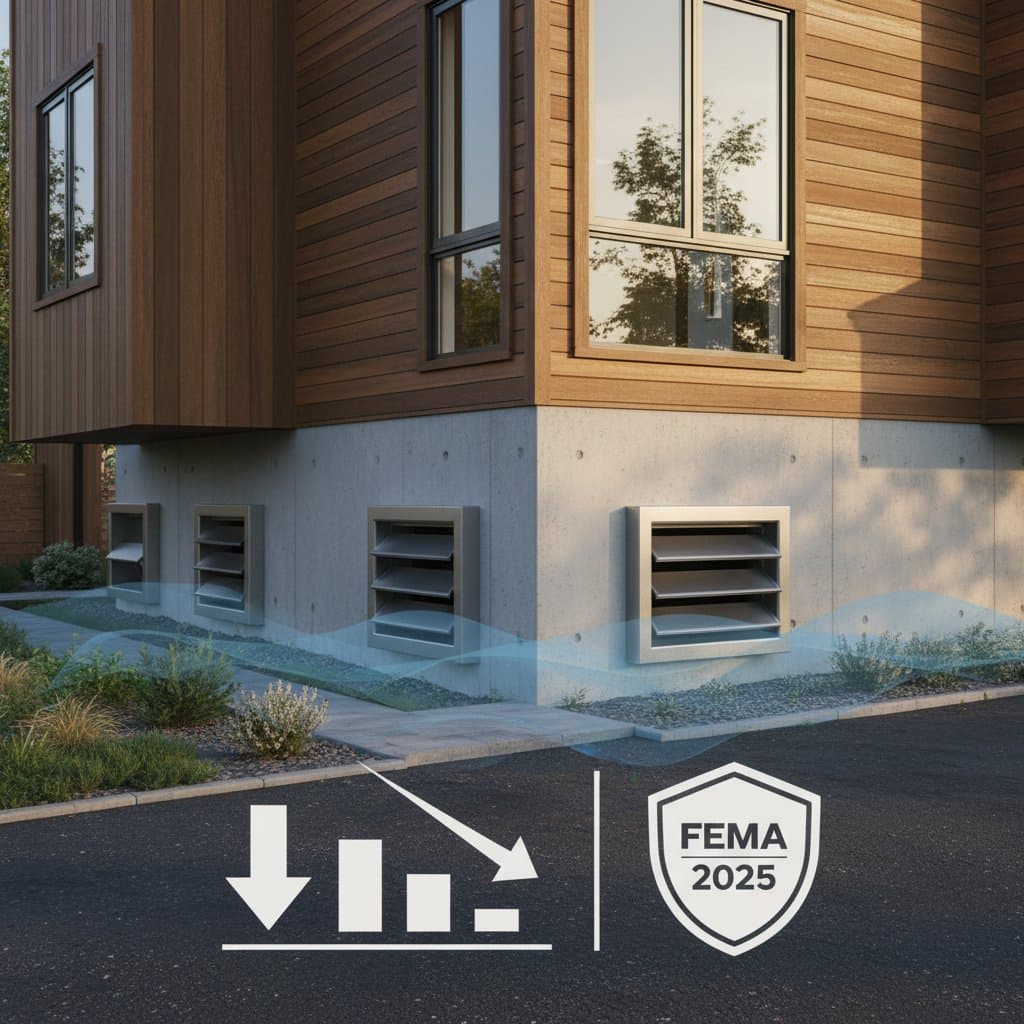
FEMA Flood Vents Cut My Insurance 15 Percent

The 2026 FEMA flood code updates introduce stricter requirements for flood vents, wet-proofing, and foundation designs. Homeowners in flood-prone areas must address compliance to avoid higher costs and insurance risks. Upgrading to certified flood vents and moisture-resistant materials can improve safety, cut premiums by up to 15 percent, and preserve property value ahead of the changes.

4 min read
By Stacy Cadri

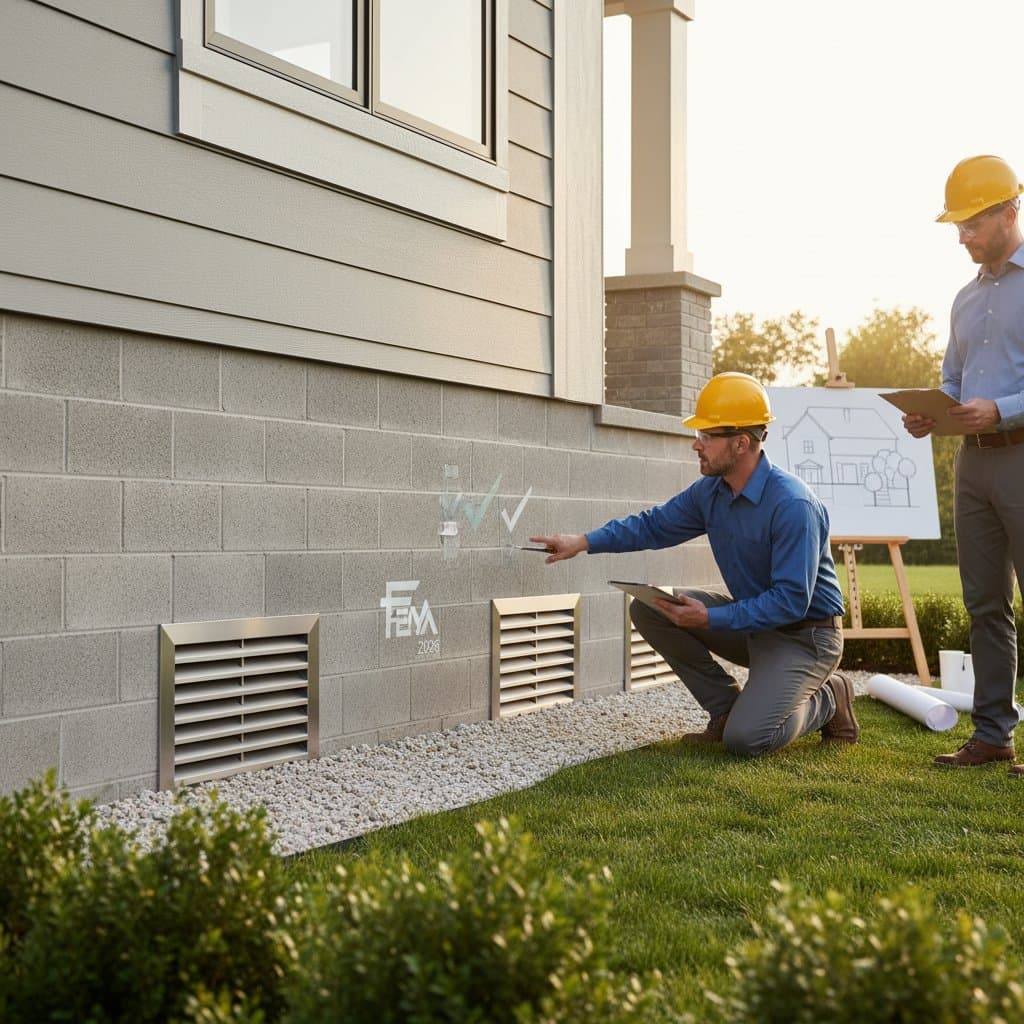
FEMA's 2026 Flood Vent Rules Change Compliance

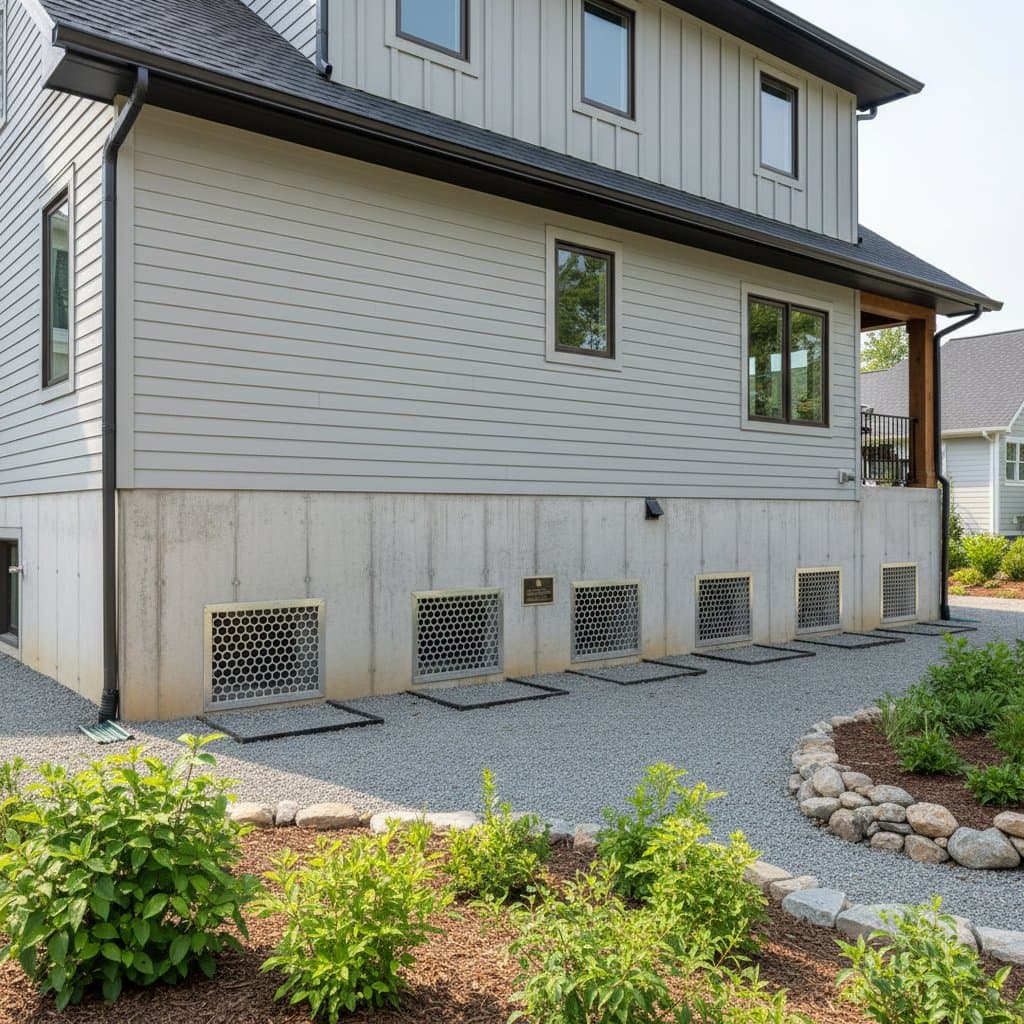
FEMA's 2026 flood vent standards elevate requirements for automatic, certified vents that equalize hydrostatic pressure and reduce structural flood damage. Homeowners in designated flood zones must address compliance to avoid higher insurance costs and ensure property resilience. Key details on placement, materials, and upgrades provide practical guidance for effective implementation.

4 min read
By Katlyn Polino

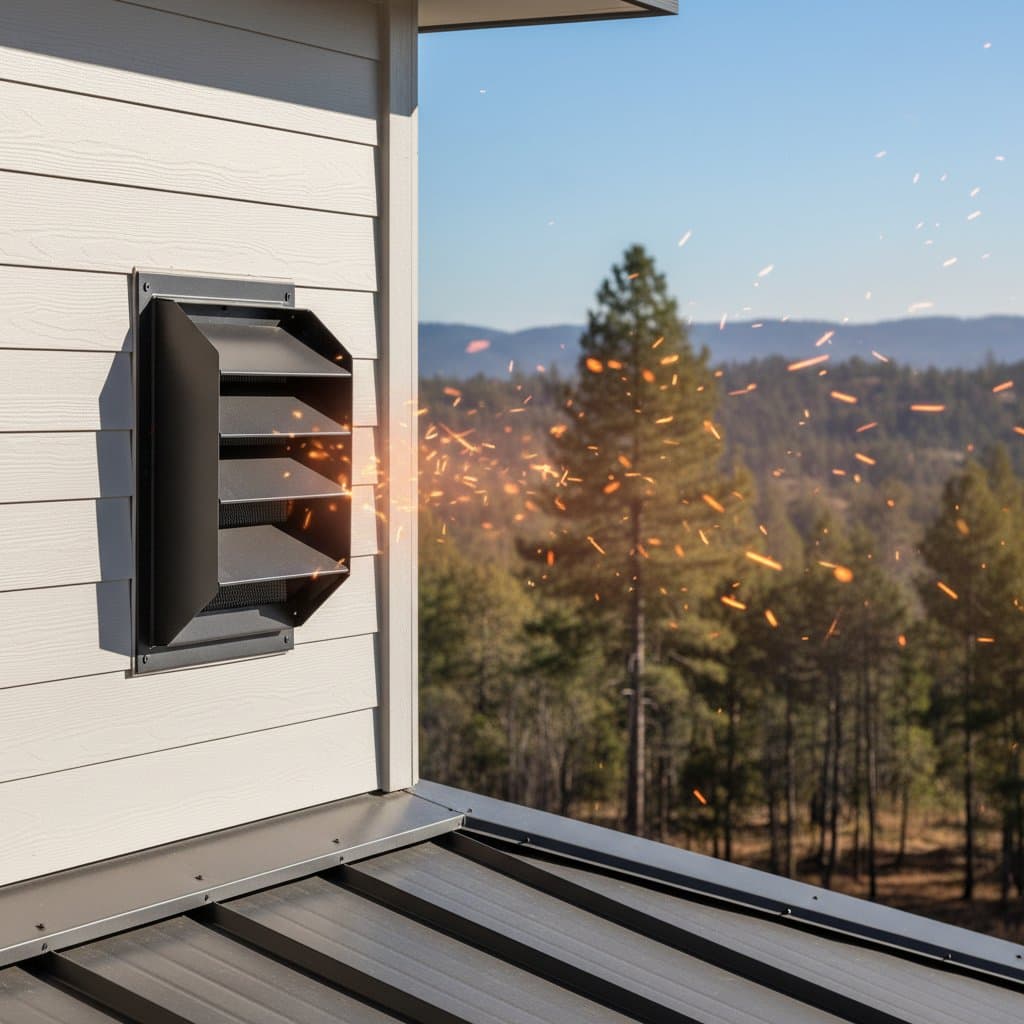
Embers Travel Miles: Harden Vents Before Spring Fires

Wildfire embers can ignite homes miles from the main fire front. This comprehensive guide details strategies to strengthen your home with ember-resistant vents, durable noncombustible materials, and optimized ventilation. Discover practical upgrades, ongoing maintenance tips, and regulatory compliance steps to boost protection, energy savings, and long-term resilience amid escalating wildfire risks and updating codes.

4 min read
By Charlie McCann

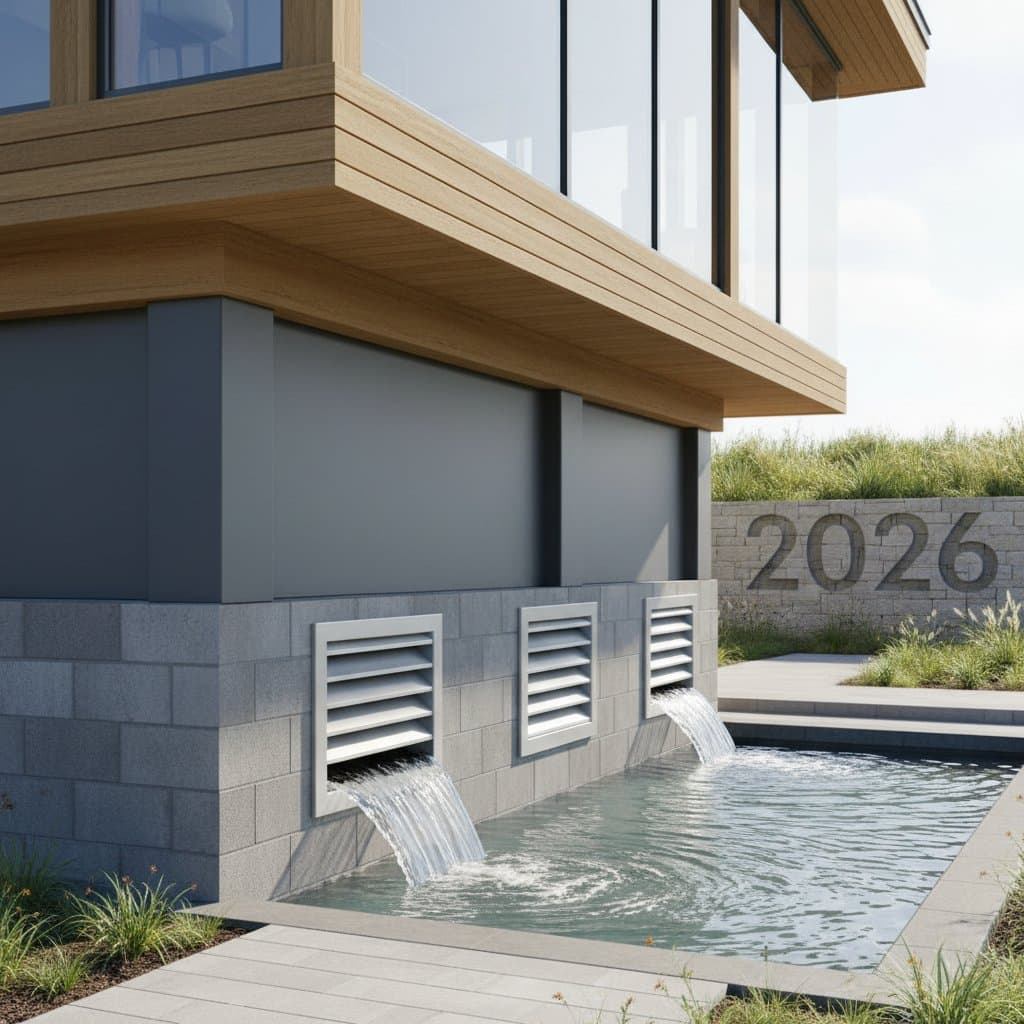
FEMA's New Flood Vent Rules Change Foundation Costs

FEMA's 2025 flood vent regulations introduce stricter standards for automatic equalization and net open area, influencing wet-proofing strategies, installation expenses, and insurance rates. Homeowners can achieve robust foundation protection, potential premium reductions, and higher property values by understanding these updates. Explore detailed requirements, cost estimates, and practical installation guidance to maintain FEMA compliance.

5 min read
By Katlyn Polino

FEMA Flood Vents Stop Foundation Collapse in Flood Zones

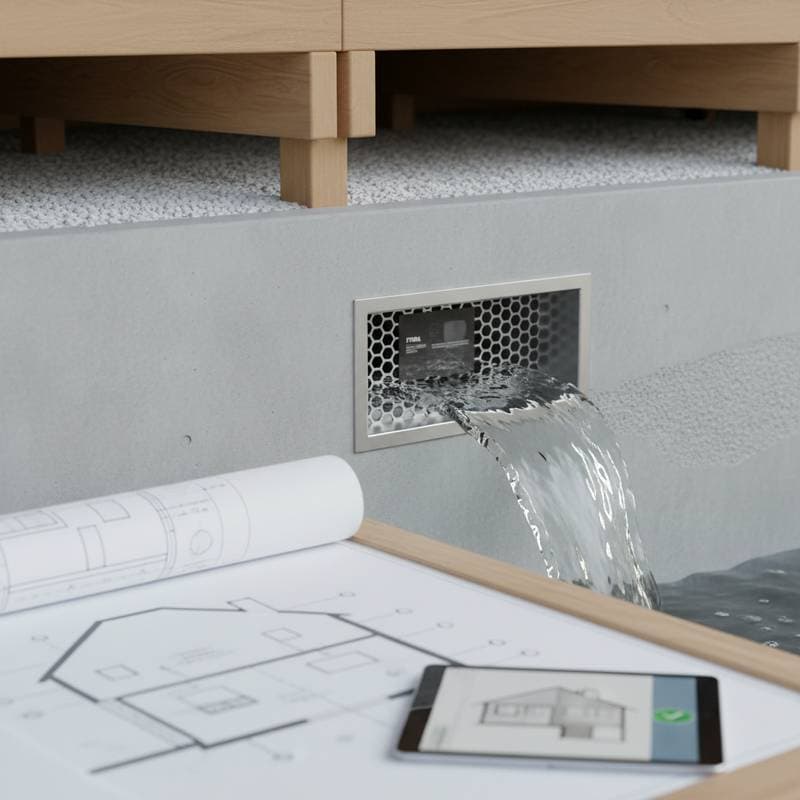
FEMA's 2025 flood vent standards enable homeowners to protect foundations, lower insurance premiums, and meet floodplain rules. Understand vent sizing, certification options, and installation methods to equalize water pressure, avoid structural failure, enhance property value, and achieve significant savings over time. Get insights on costs, DIY considerations, and expert advice for robust flood protection.

3 min read
By Cody Gautson

FEMA Now Prioritizes Resilience Over Resistance

FEMA's 2025 flood standards mark a pivotal change by prioritizing resilience over resistance in flood-prone areas. Homeowners face new rules on construction, insurance, and property upgrades. Learn essential steps, from elevation certificates to flood vents, to maintain value, lower premiums, and enhance safety amid evolving regulations.

4 min read
By Stacy Cadri

Why Flood Vents Prevent Foundation Collapse in Flood Zones

Flood vents provide essential protection for homes in flood zones by allowing water to flow through foundations, meeting 2025 FEMA standards, and lowering insurance costs. This comprehensive guide covers their functionality, compliance requirements, installation choices between DIY and professional services, associated expenses, and the substantial financial and safety advantages that position them as a wise investment for vulnerable properties.

5 min read
By Stacy Cadri

Flood Vents Cut Insurance Costs While Protecting Foundations

Certified flood vents play a crucial role in complying with 2025 insurance mandates, protecting foundations from water damage, and reducing premiums. Understand how these vents equalize hydrostatic pressure to avoid structural failure, along with installation expenses, options for DIY or professional services, and strategies for compliance, cost savings, and property protection.

4 min read
By Cody Gautson

Flood Vents Cut My Insurance 20% in Three Years

FEMA-compliant flood vents safeguard foundations, reduce insurance premiums by as much as 20 percent, and elevate home values. Installation costs range from $500 to $2,000 per vent, with many projects recouping expenses through savings in just a few years. Discover installation best practices, optimal timing, and certification steps for sustained financial and structural benefits.

5 min read
By Stacy Cadri