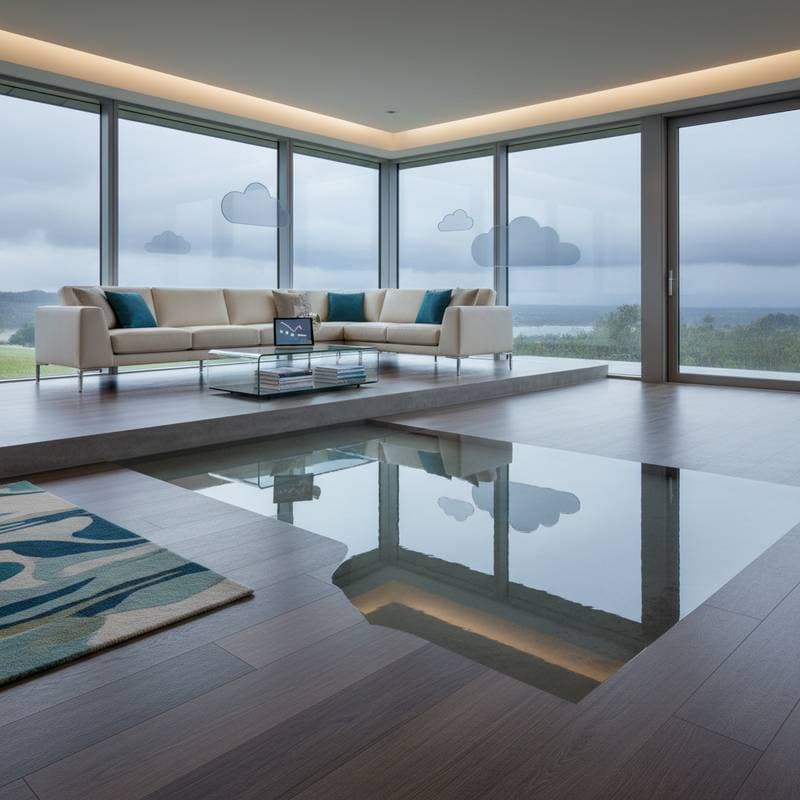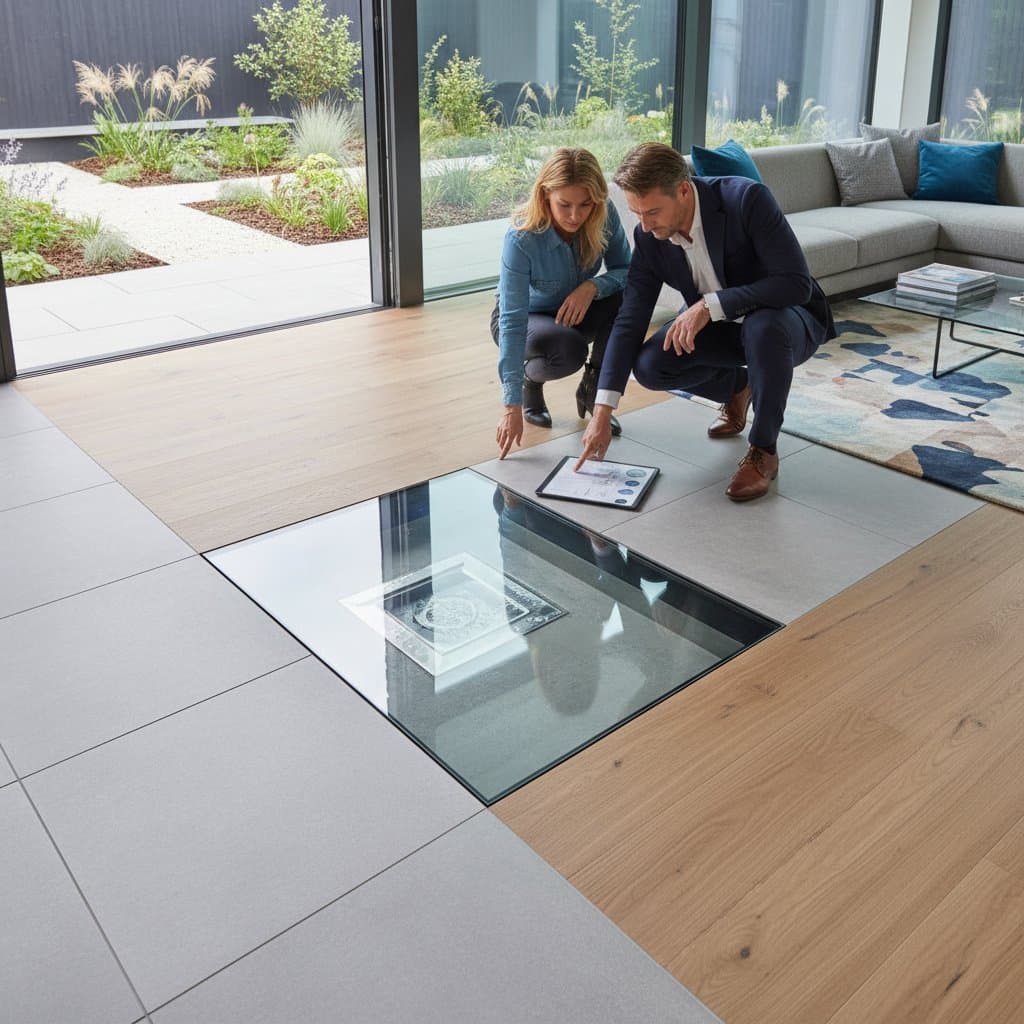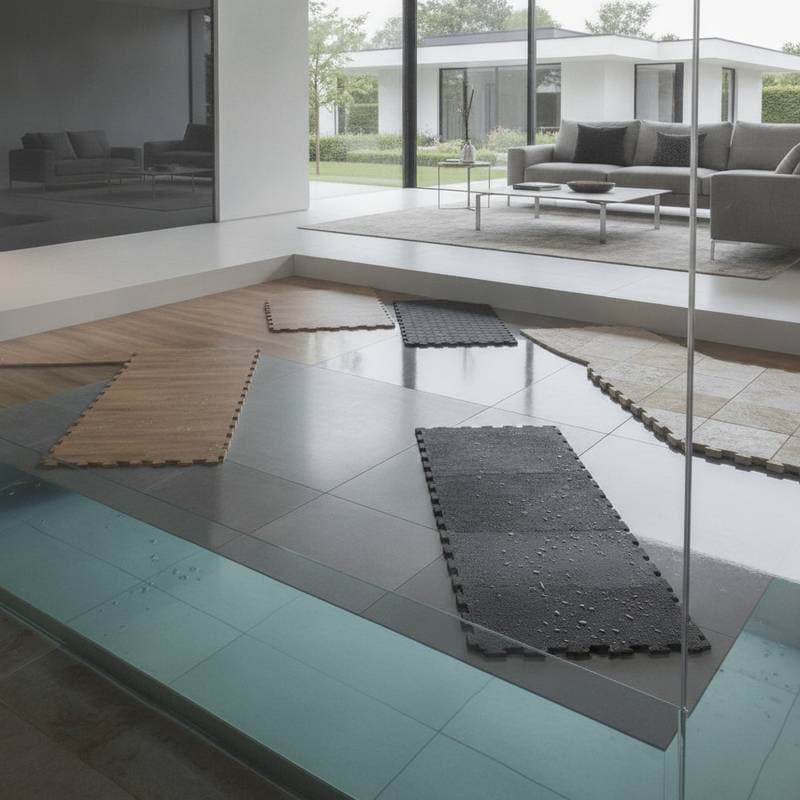
Flood-Proof Floors Cut Insurance Costs in 2026
Explore 2026 flood proof flooring choices that safeguard homes and reduce insurance expenses. Compare materials, costs, and maintenance steps for resilient results.

Protect your home and your wallet with flood-resistant flooring that withstands water damage and lowers insurance premiums. From vinyl and tile to sealed concrete and epoxy, these durable options reduce risk, add value, and offer peace of mind.
Explore our collection of resistant related content
Explore 2026 flood proof flooring choices that safeguard homes and reduce insurance expenses. Compare materials, costs, and maintenance steps for resilient results.
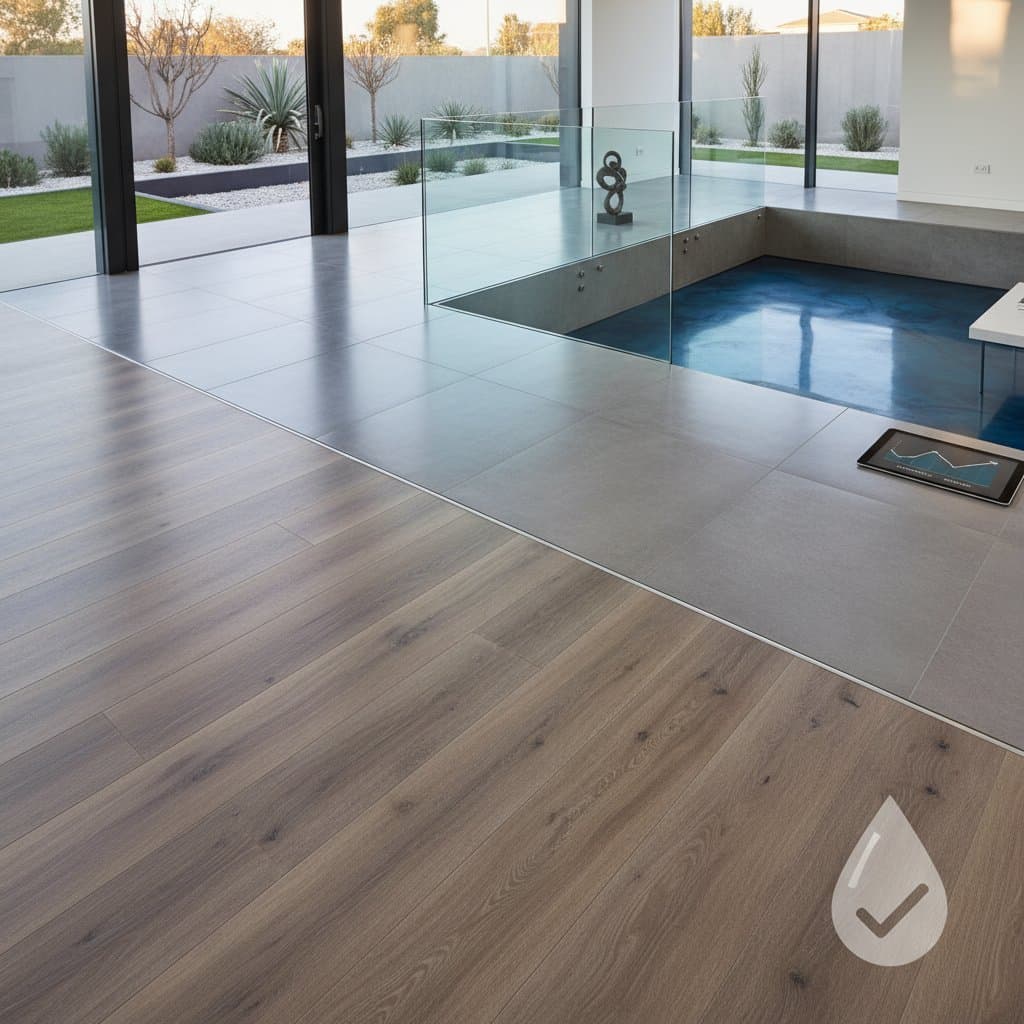
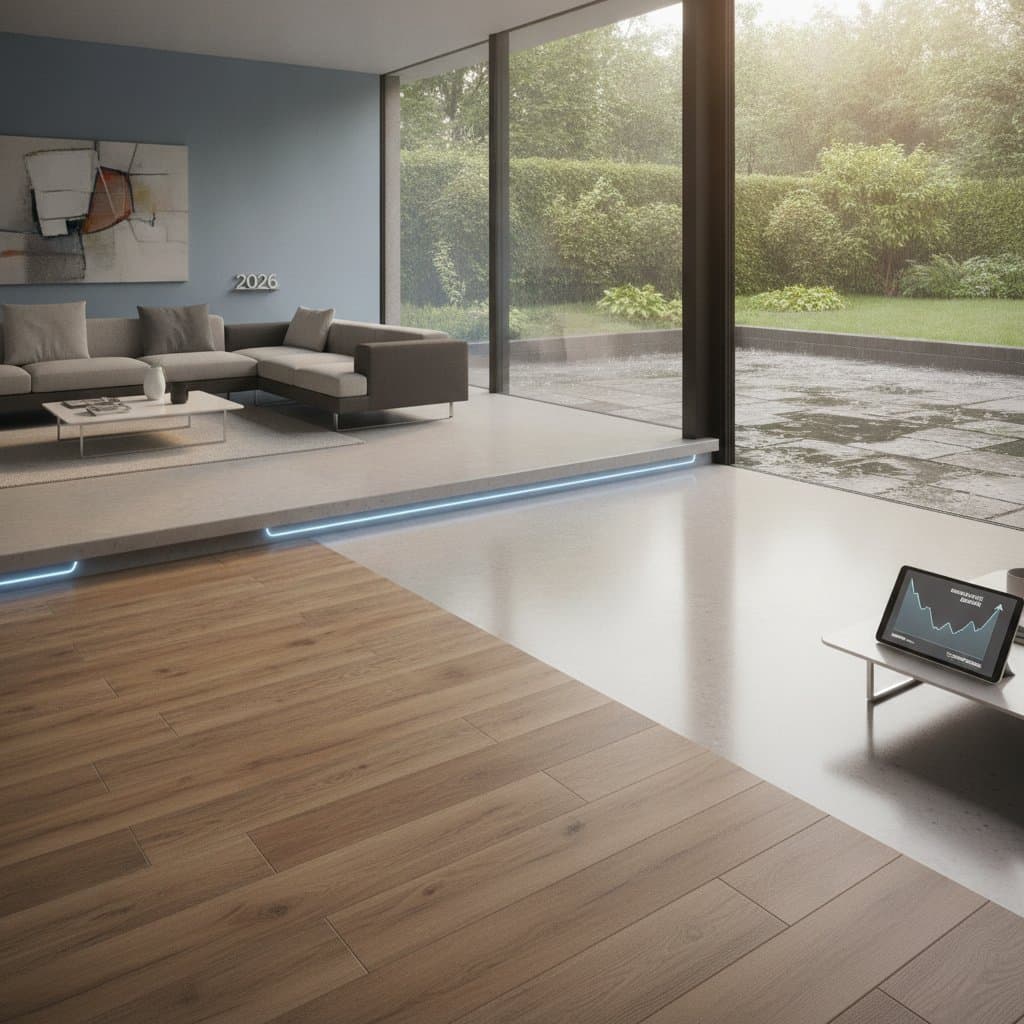
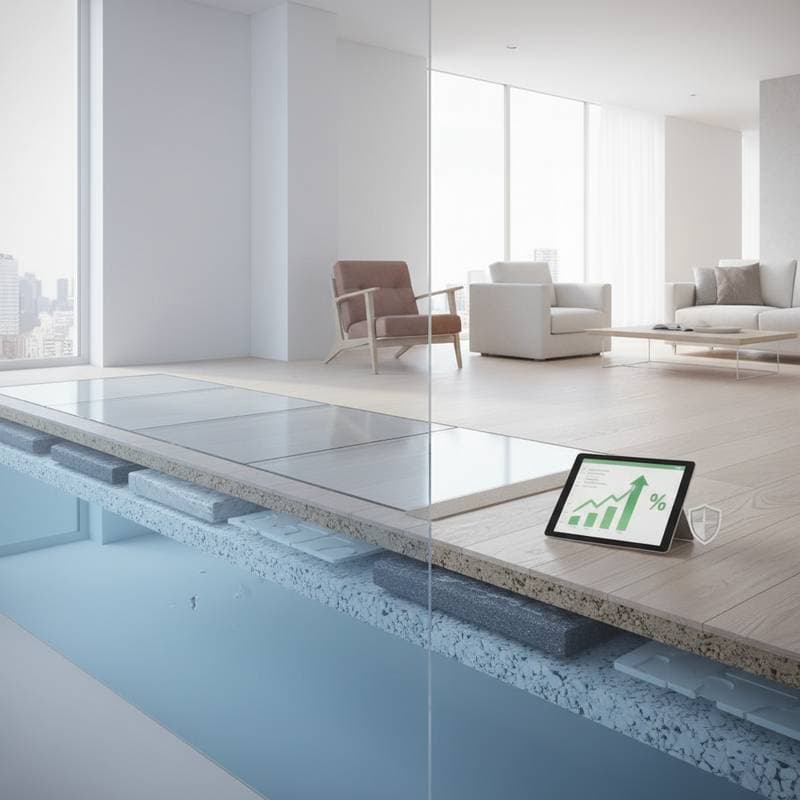
Flood proof flooring installed in 2026 protects homes from water damage, supports lower insurance premiums, and improves resale value. This guide covers material options, installation decisions, scheduling, compliance steps, and maintenance routines.
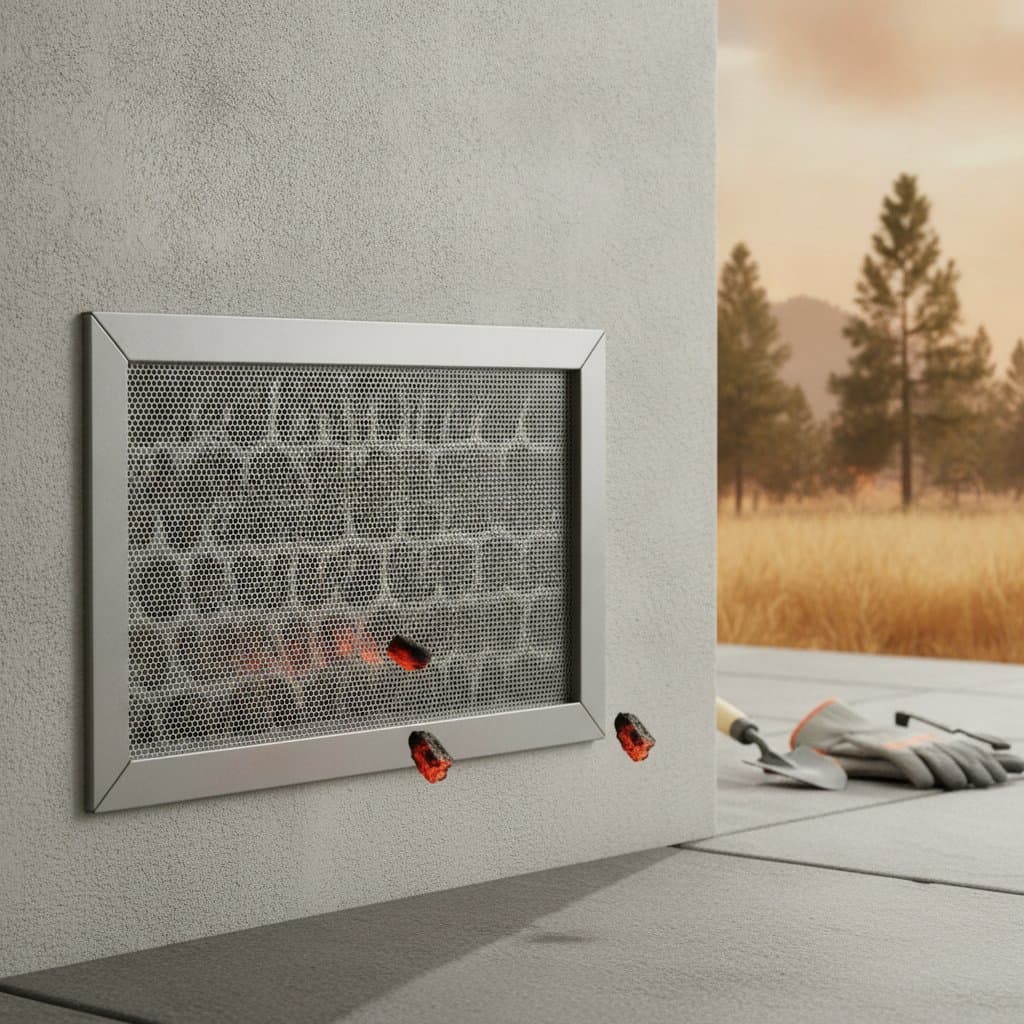
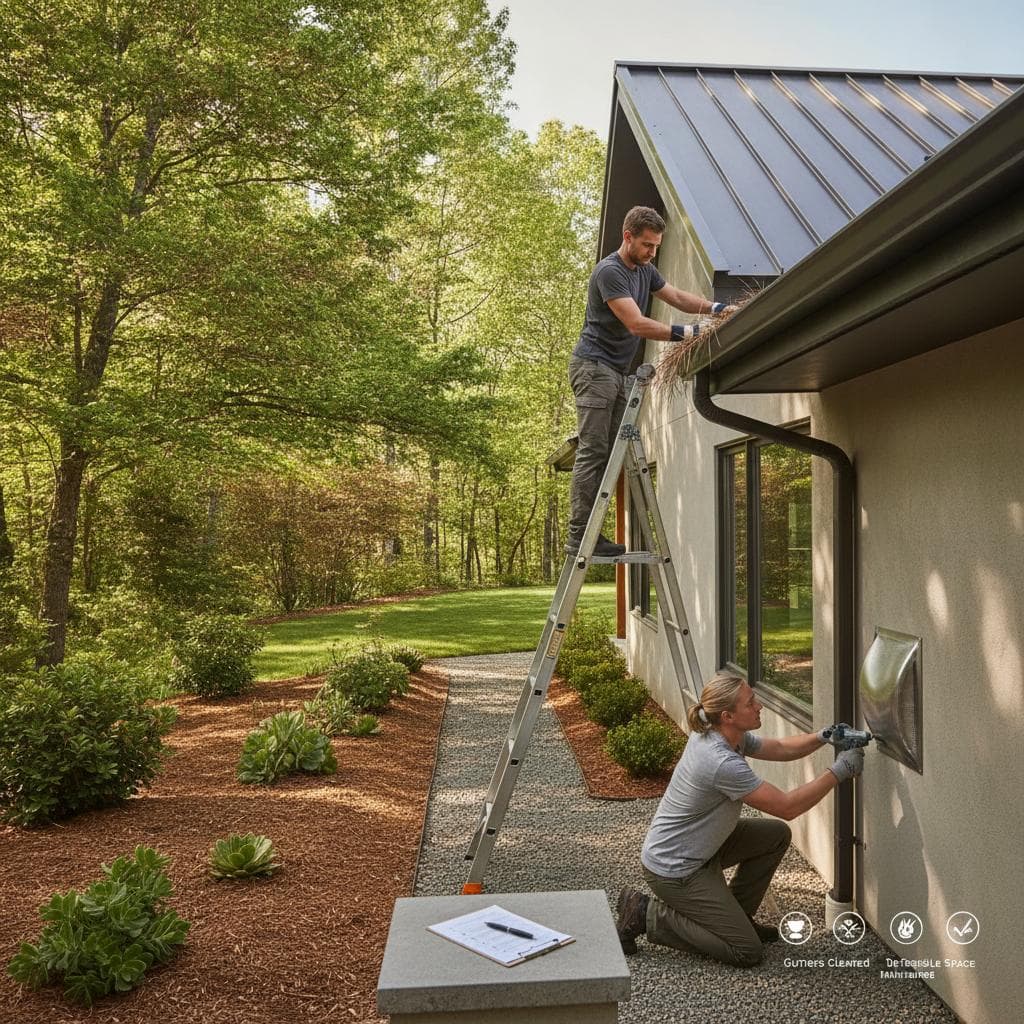
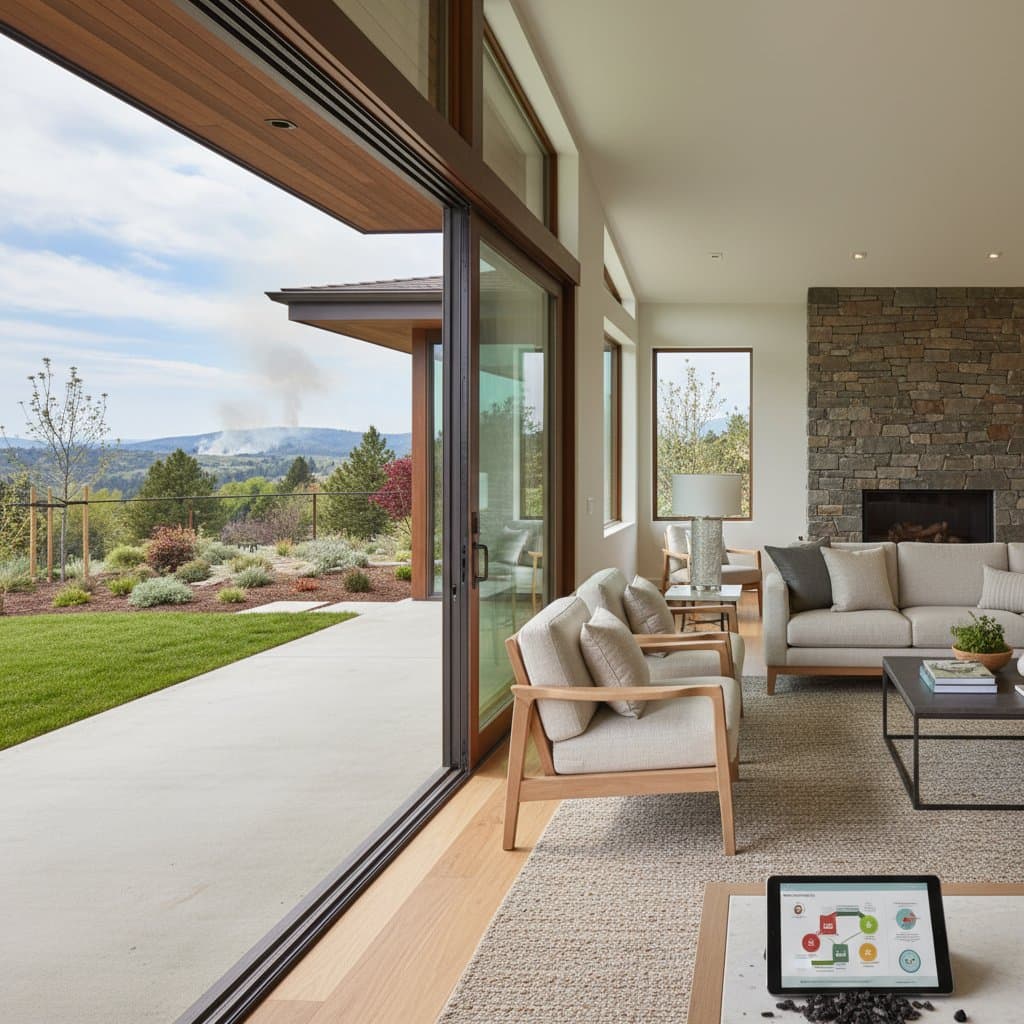
Embers travel farther than flames and ignite homes from the inside. This guide provides a focused spring checklist to seal openings, upgrade materials, and maintain vegetation so your property stands a better chance during wildfire season.
Insurance-approved flood-proof flooring combines durability and style. These materials withstand water exposure, simplify cleanup, and support faster insurance recovery in high-risk areas.
Insurance approved flood proof flooring protects homes from water damage while supporting design goals. Explore compliant materials, certified installation practices, and maintenance routines that preserve coverage and add lasting value.
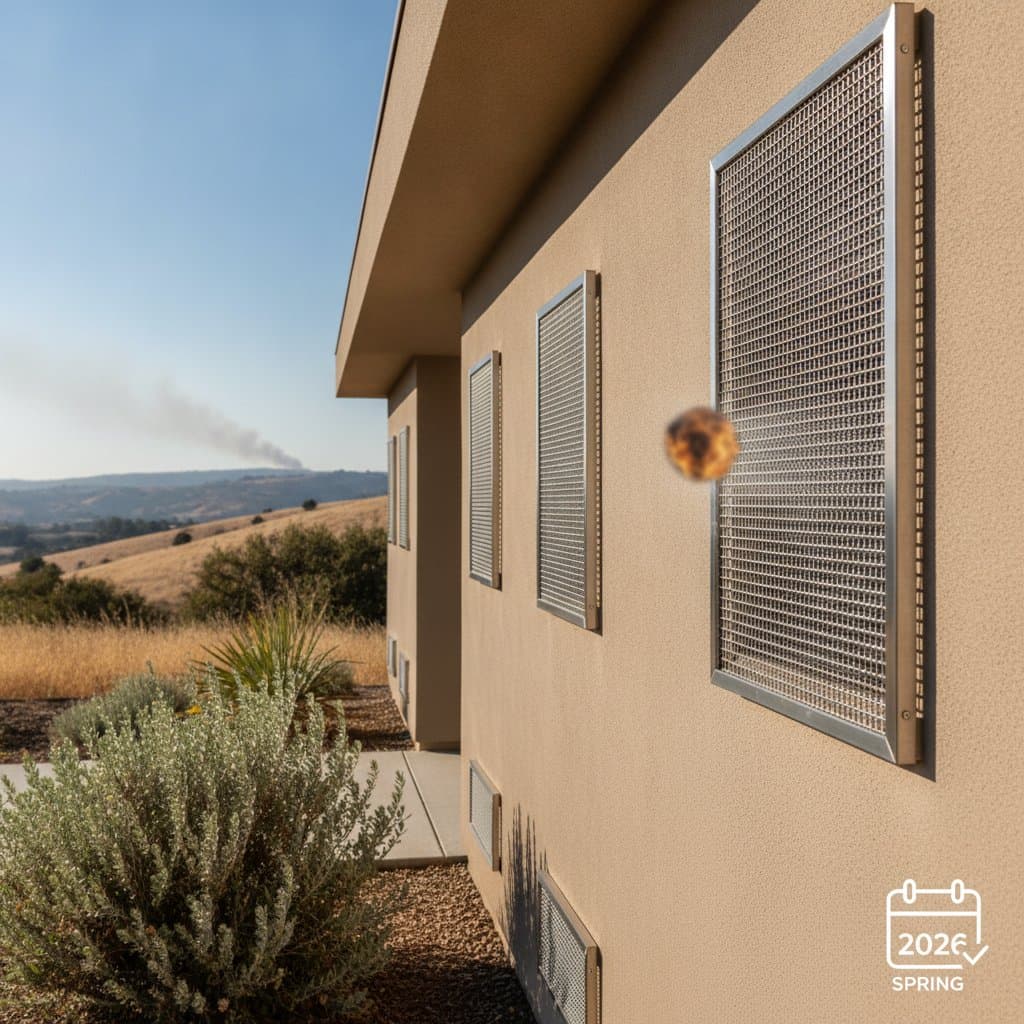
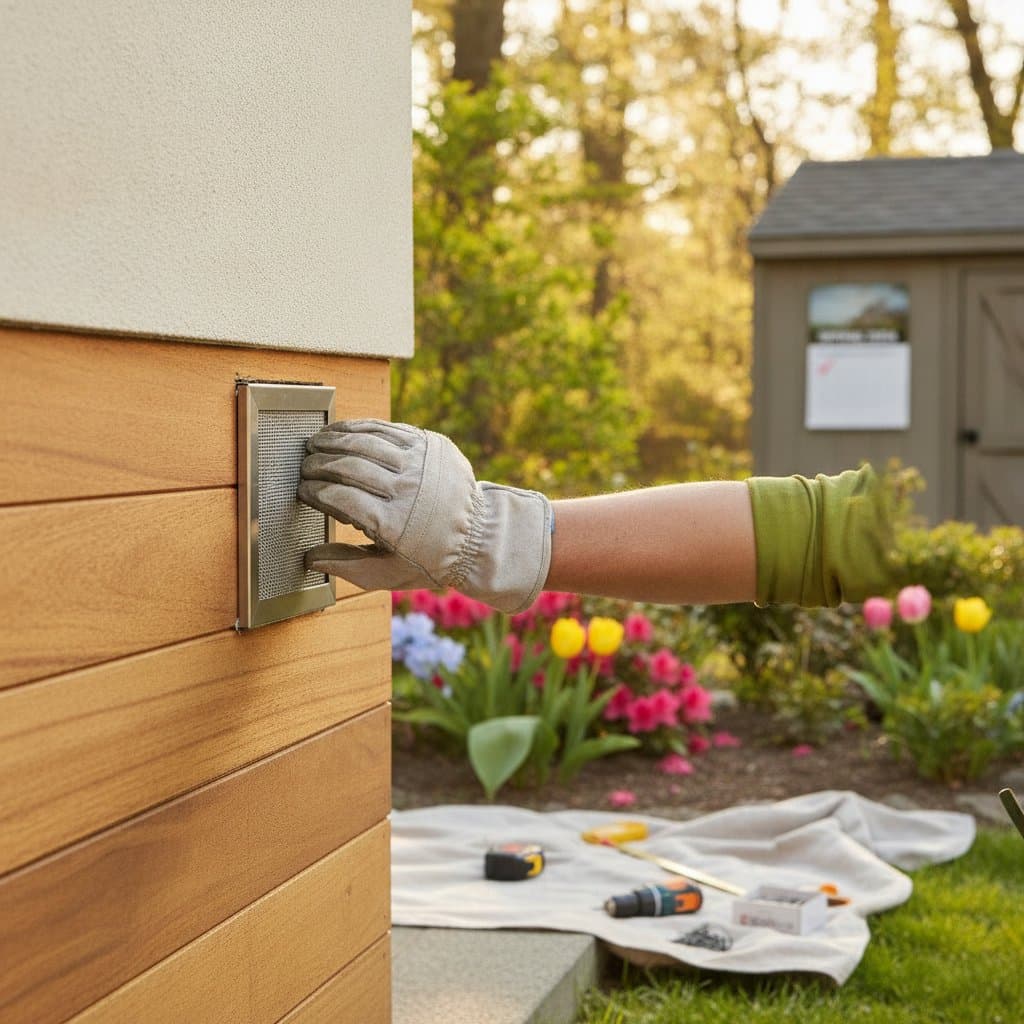
New 2026 standards require ember resistant vents with specific mesh sizes and certifications. Learn how to select, install, and document compliant vents to reduce wildfire risk and support insurance and resale goals.
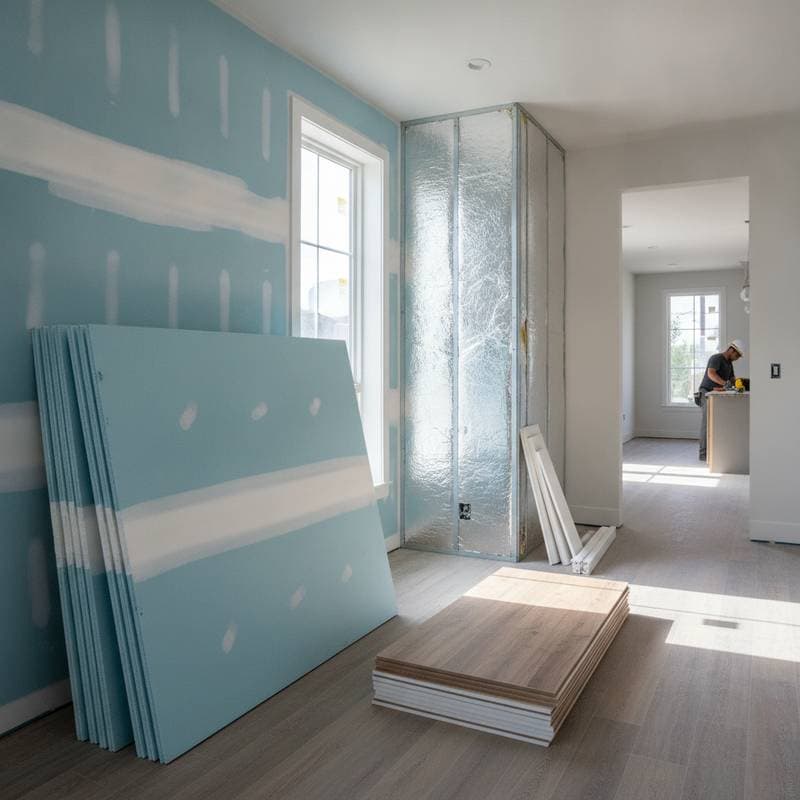
Reconstruct post-flood with mold-resistant materials to secure structural integrity, promote healthy air, and boost property value. Explore drywall innovations, sealed insulations, resilient floors, plus costs, regulations, and pro tips for a fortified, moisture-repellent living space.
Learn about 2026 flood-proof flooring innovations that shield homes from water damage and lower insurance costs. Options like luxury vinyl plank, ceramic tile, sealed concrete, and engineered stone provide durability, cost savings, and reliability. Gain insights on installation, return on investment, and strategies approved by insurers for resilient upgrades.
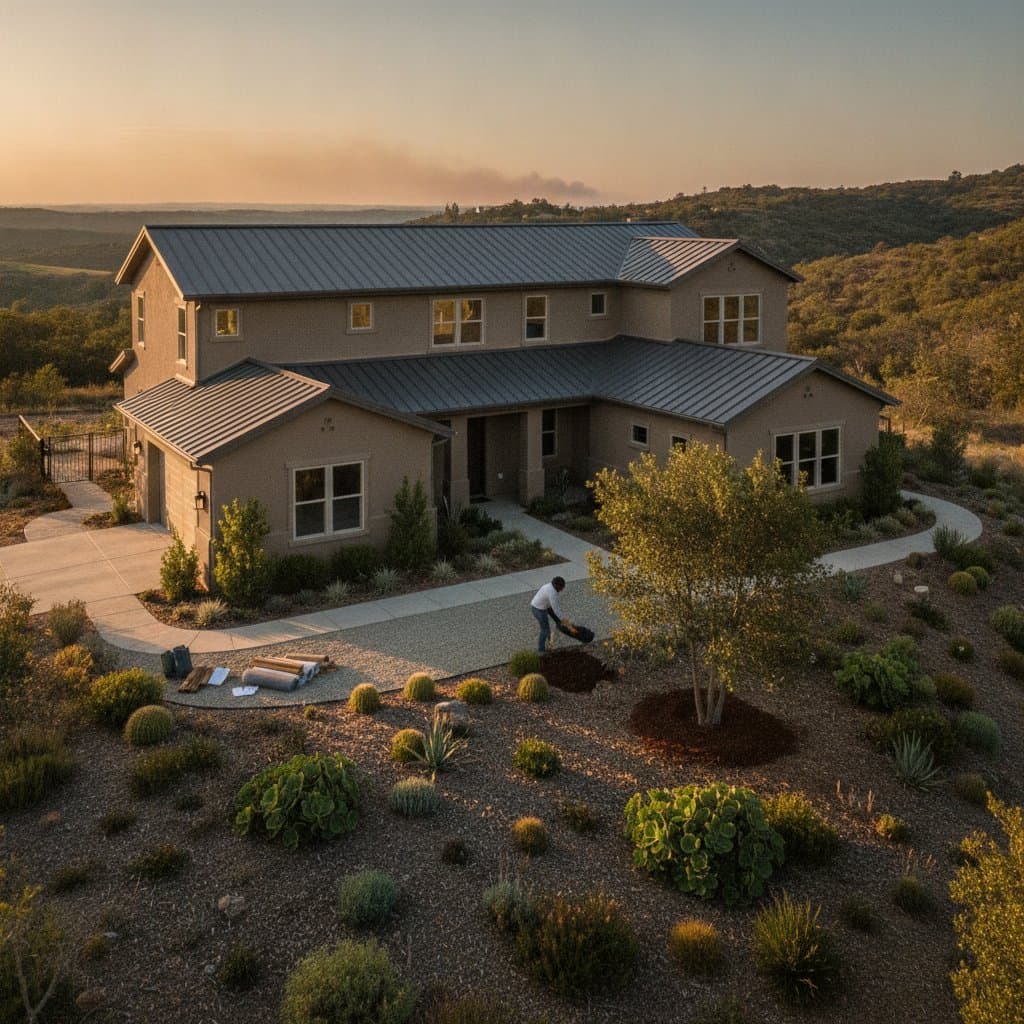
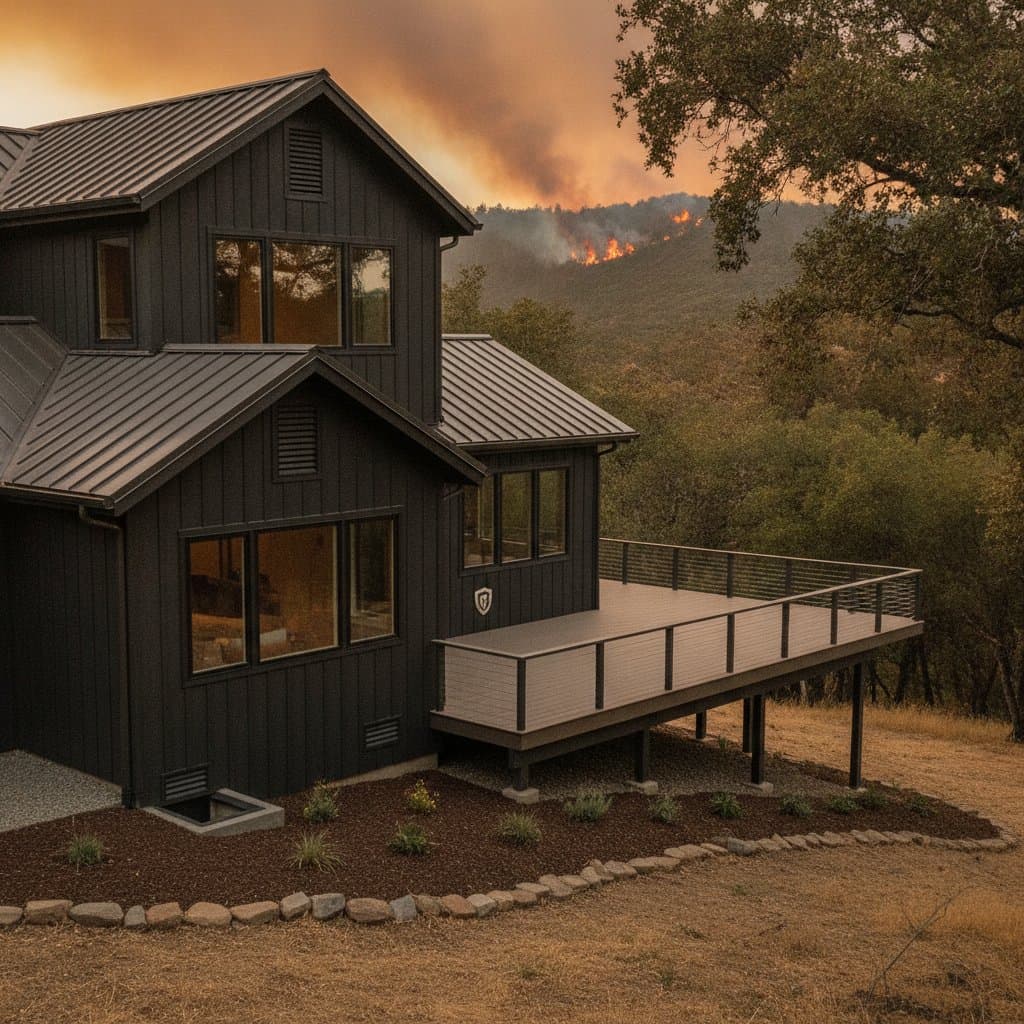
Elevate your home's wildfire resilience through targeted, attractive upgrades. Ember-resistant vents, Class A roofing, non-combustible siding, durable decking, and strategic landscaping form a comprehensive defense. These code-compliant enhancements secure your property and deliver enduring family tranquility in high-risk areas.
The 2026 Ember Vents offer innovative wildfire defense through durable stainless-steel mesh and heat-reactive coatings that block embers while preserving ventilation. Code-compliant and easy to maintain, they provide essential protection and aesthetic integration for homes in high-risk zones, delivering enduring security.
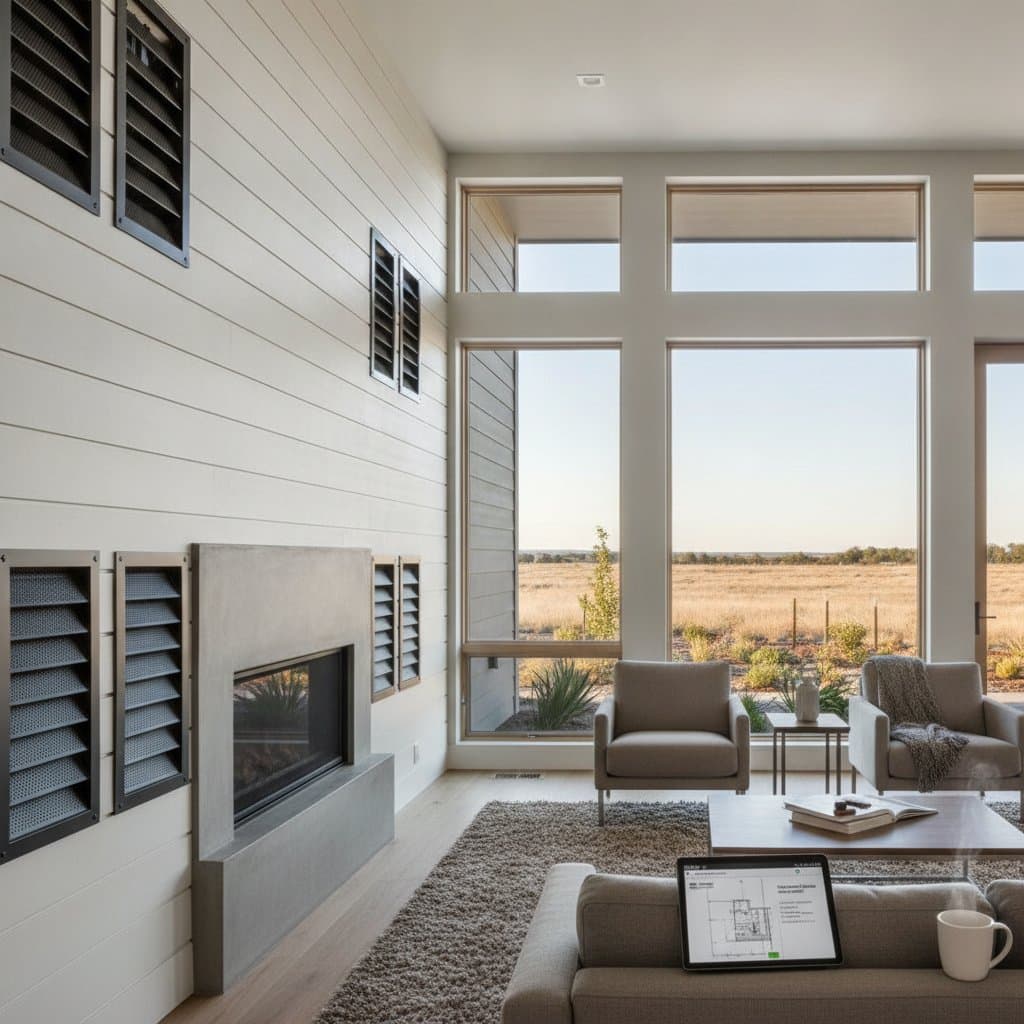
Starting in 2026, new building codes mandate ember-resistant vents to bolster wildfire defense in high-risk areas. These vents permit essential airflow yet block invasive embers, delivering robust protection, energy savings, and compliance with Wildland-Urban Interface regulations. Homeowners gain practical insights into vent options, costs, and maintenance to fortify their properties effectively.
Uncover 2026's breakthrough flood-proof flooring innovations, including luxury vinyl with waterproof cores, sealed porcelain tiles, engineered polymers, reinforced rubber, and bamboo composites. These resilient, stylish choices combat moisture, minimize flood aftermath, and deliver long-term savings. Gain tips on selection, installation, and maintenance to secure your home investment.
Shield your home from water damage and trim insurance costs with durable flood-resistant flooring. This guide covers superior materials, installation methods, maintenance routines, and proactive prevention steps to secure your investment and serenity.
Starting in 2026, mold-resistant materials become mandatory for insurance coverage, driven by stricter moisture management rules. Homeowners need ASTM-compliant options, HVAC coordination, and thorough records to ensure eligibility, boost property value, and avoid expensive mold claims.
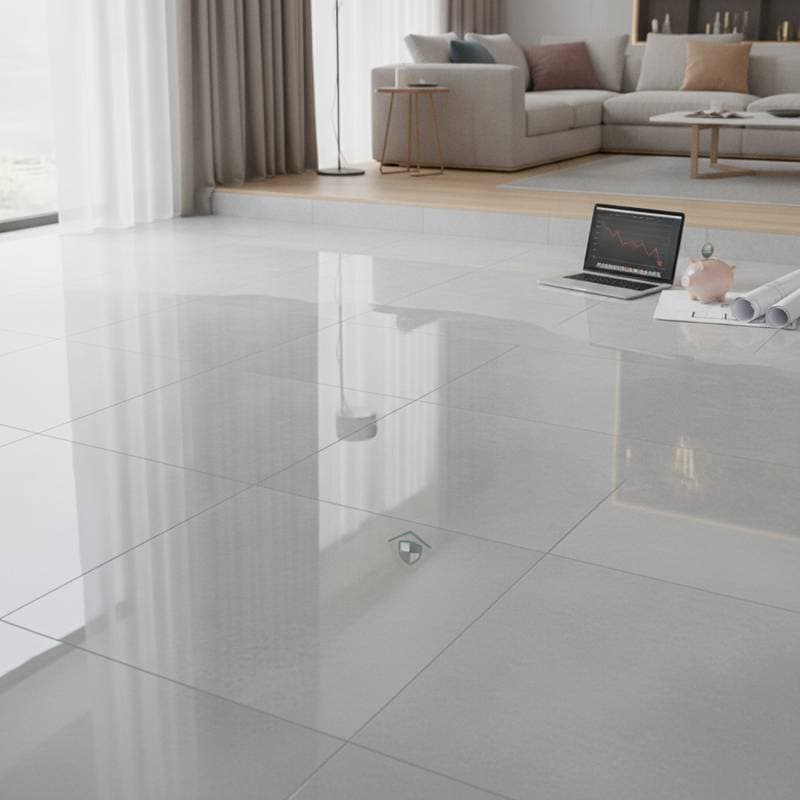
Flood-resistant flooring safeguards homes from water damage while qualifying for insurance discounts starting 2026. Certified options like luxury vinyl, porcelain tile, and polished concrete offer durability, style, and cost savings. Understand qualification criteria, certification processes, and why these floors represent a wise choice for resilient, attractive living areas.
The 2026 building codes introduce rigorous moisture control and ventilation requirements for home construction. Selecting certified mold-resistant materials enhances health, maintains property value, and reduces long-term expenses. Options spanning drywall to insulation promote superior air quality, structural integrity, and energy efficiency for forward-thinking homeowners.
The 2026 building codes elevate mold-resistant drywall to a near-mandatory status, influencing renovation budgets and material choices. These stricter moisture and air quality regulations prevent expensive repairs, enhance home value, and promote healthier living spaces. Discover the implications for costs, compliance, and proactive planning.
In flood-vulnerable regions, certified flood-proof flooring qualifies homeowners for insurance savings. These systems block water, mold, and damage while adhering to FEMA and ASTM guidelines. Initial expenses yield lasting advantages, including swift flood recovery and stronger property value.
In 2026, flood-proof flooring transforms home resilience by offering waterproof materials that resist warping, inhibit mold, and minimize insurance claims. Options like luxury vinyl plank and ceramic tile provide style and durability, ensuring quick recovery from water events and long-term savings for homeowners facing variable weather.