Multigenerational Floor Plans That Boost 2026 ROI
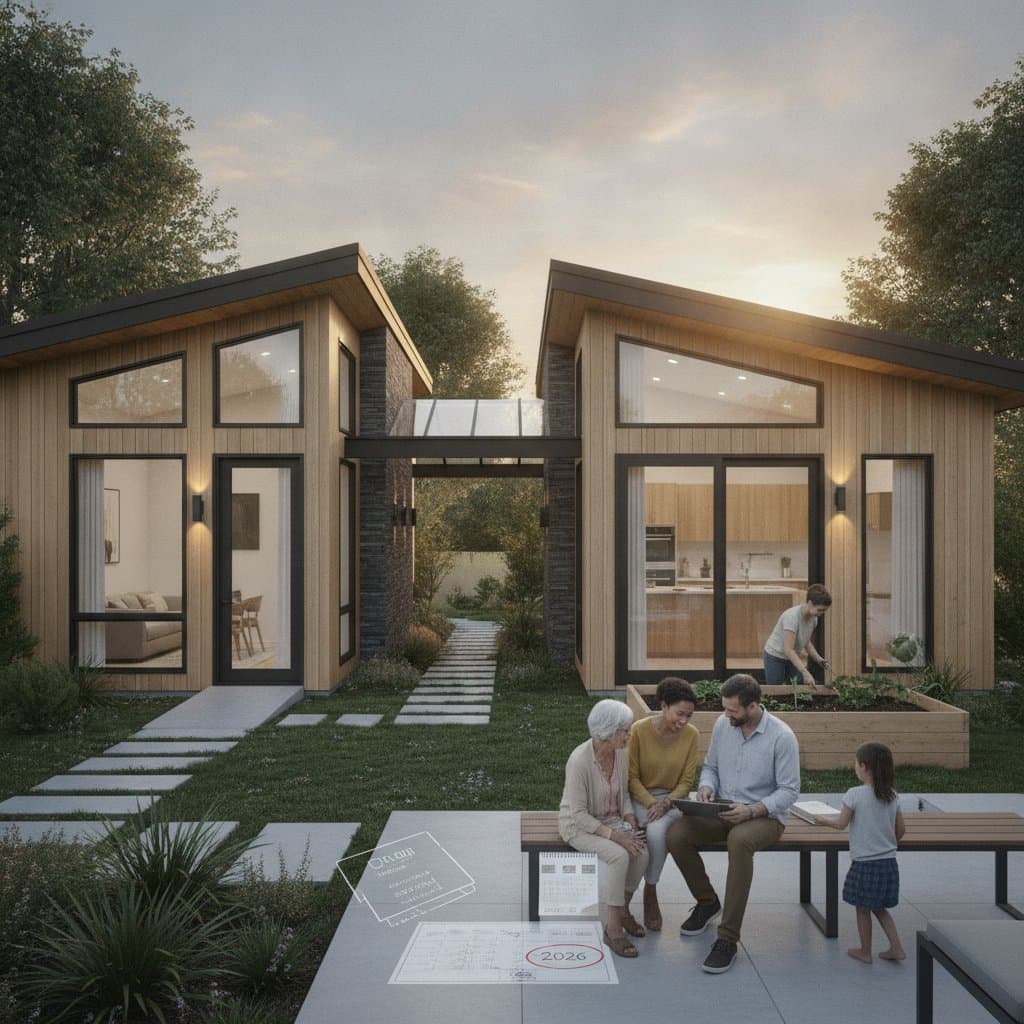
Flexible multigenerational layouts support privacy and independence while increasing resale appeal through targeted design features such as private suites and universal accessibility elements.

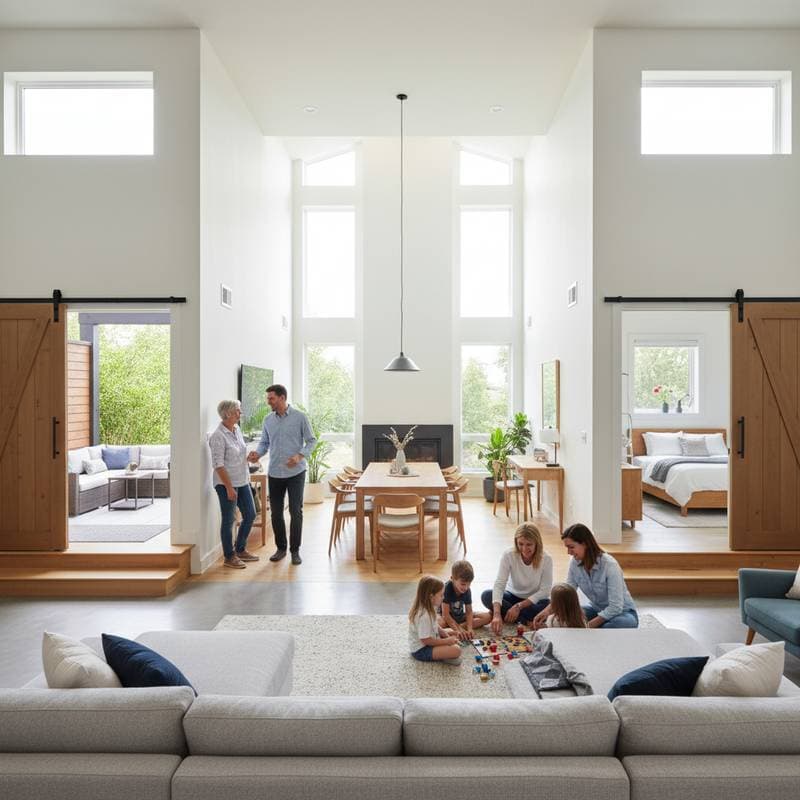
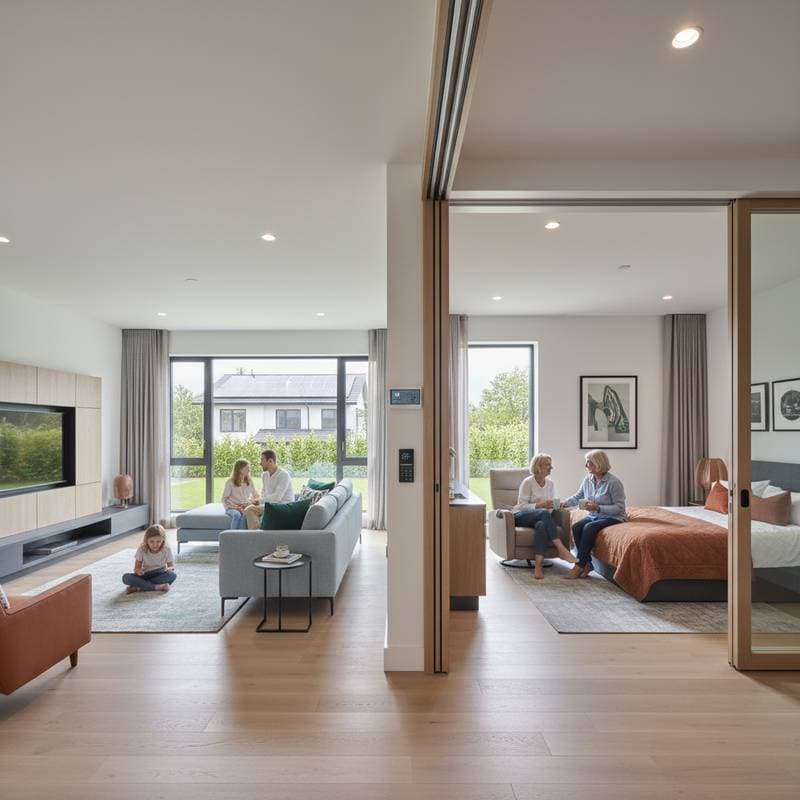
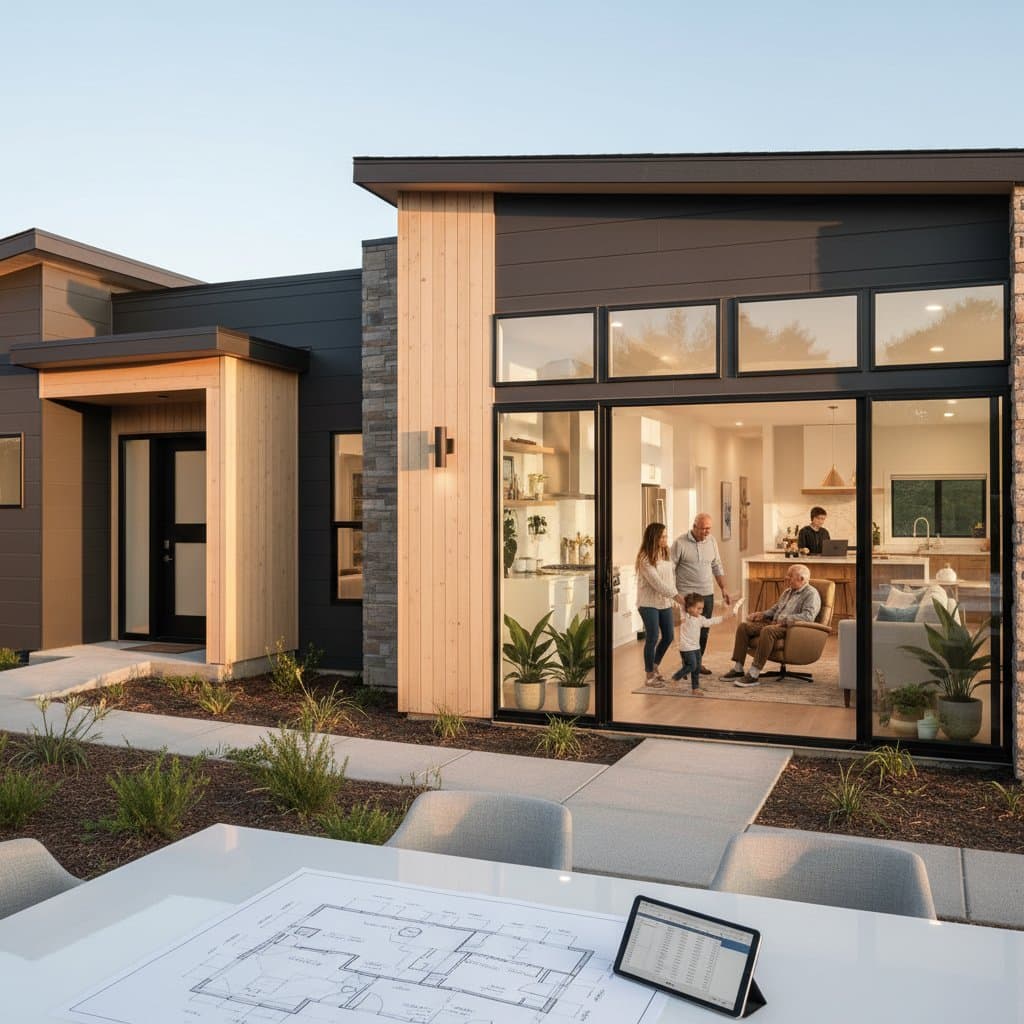
Multigenerational living is reshaping home design for 2026. Families seek layouts that blend privacy, flexibility, and connection across generations while reducing costs and strengthening relationships.
Explore our collection of multigenerational related content
Flexible multigenerational layouts support privacy and independence while increasing resale appeal through targeted design features such as private suites and universal accessibility elements.
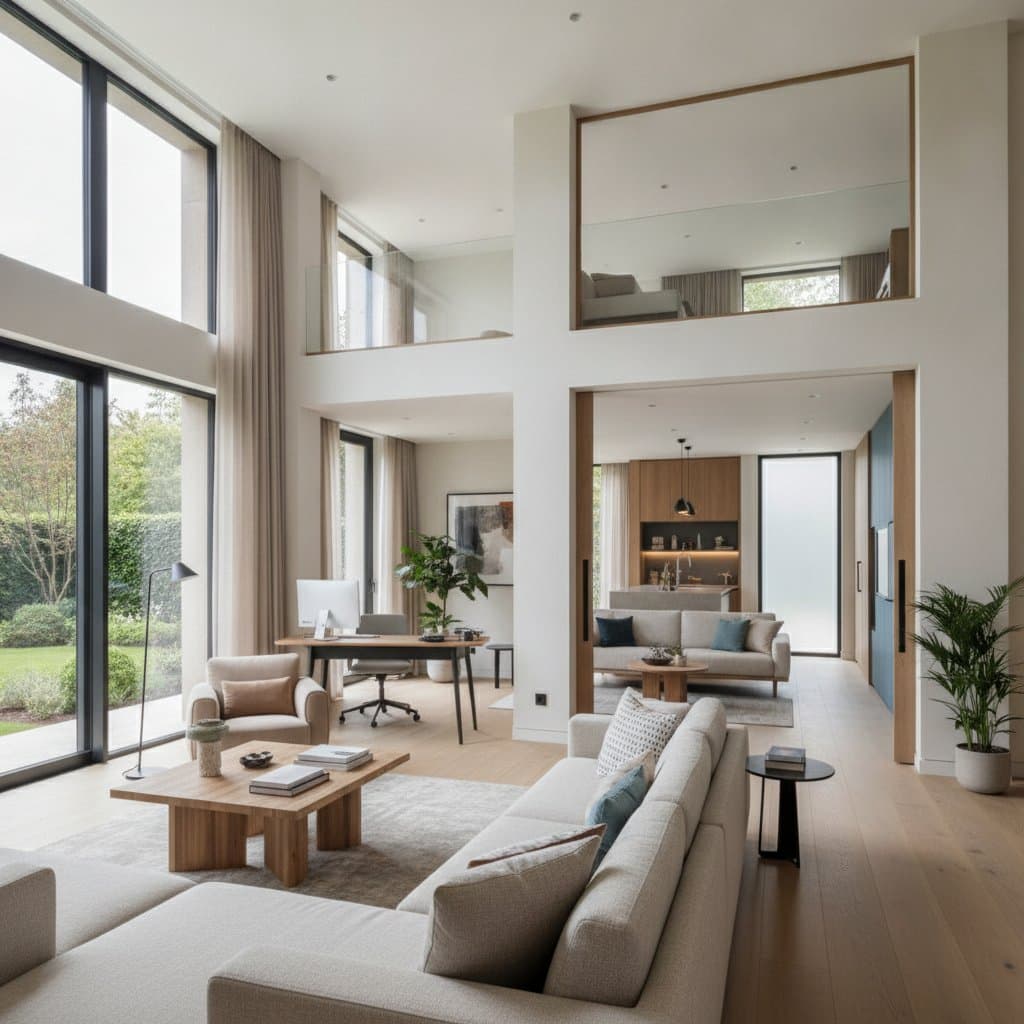
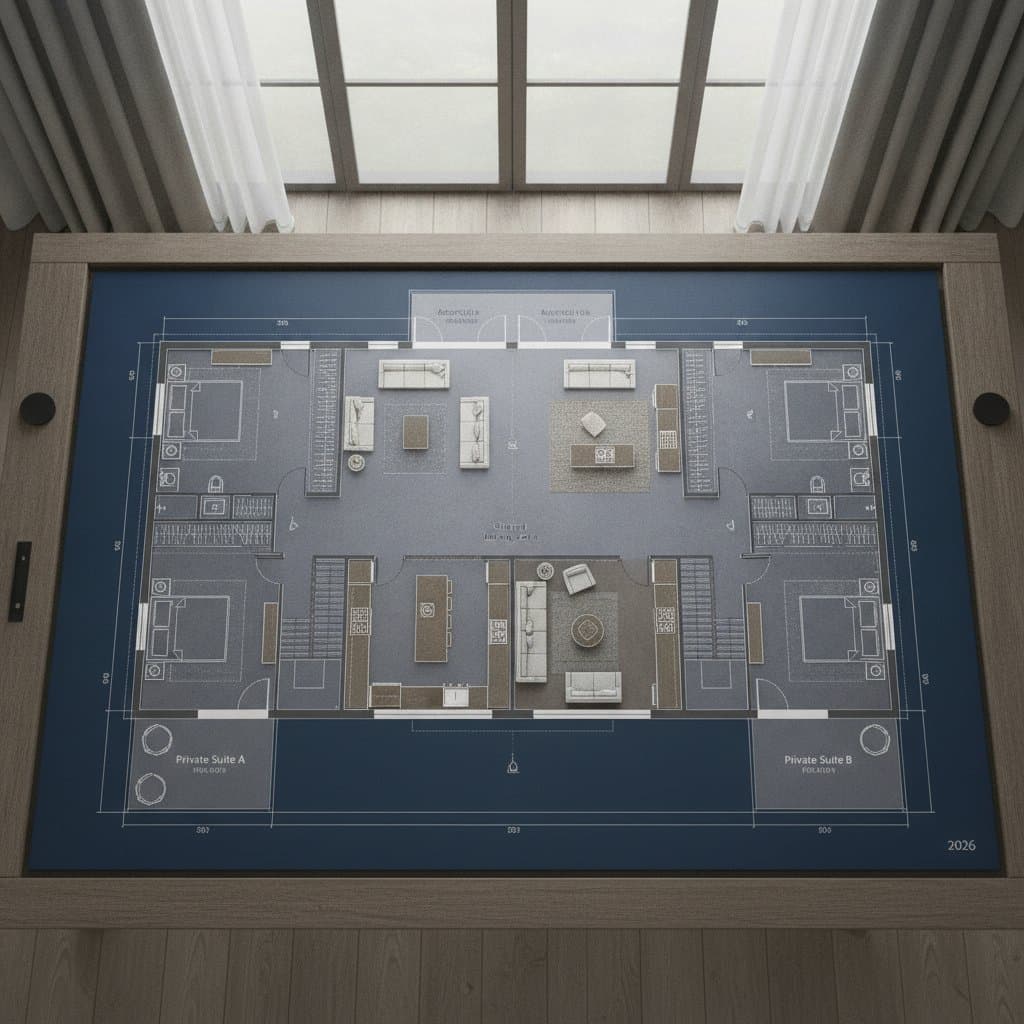
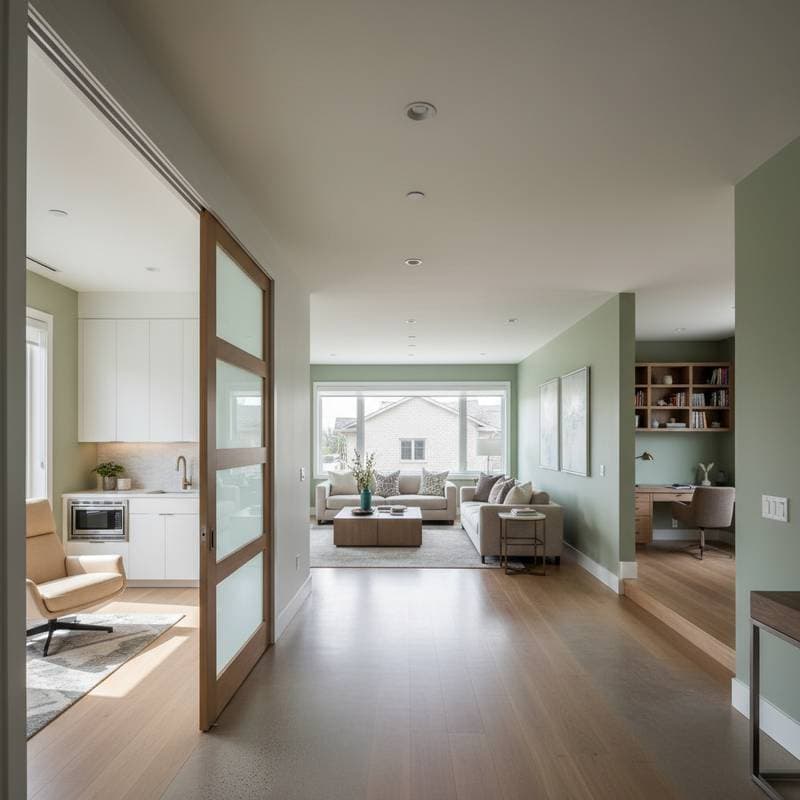
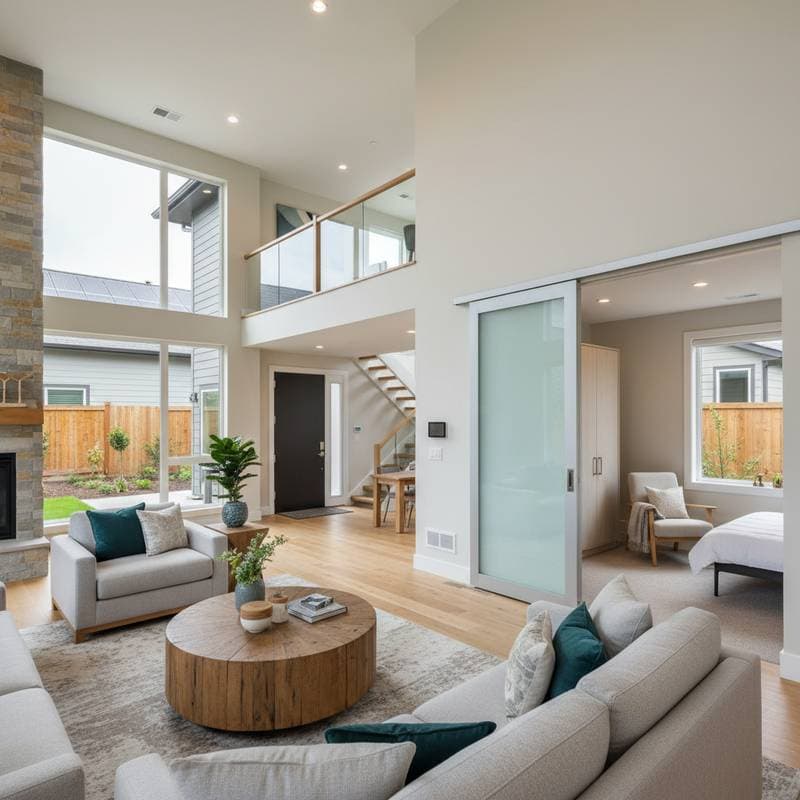
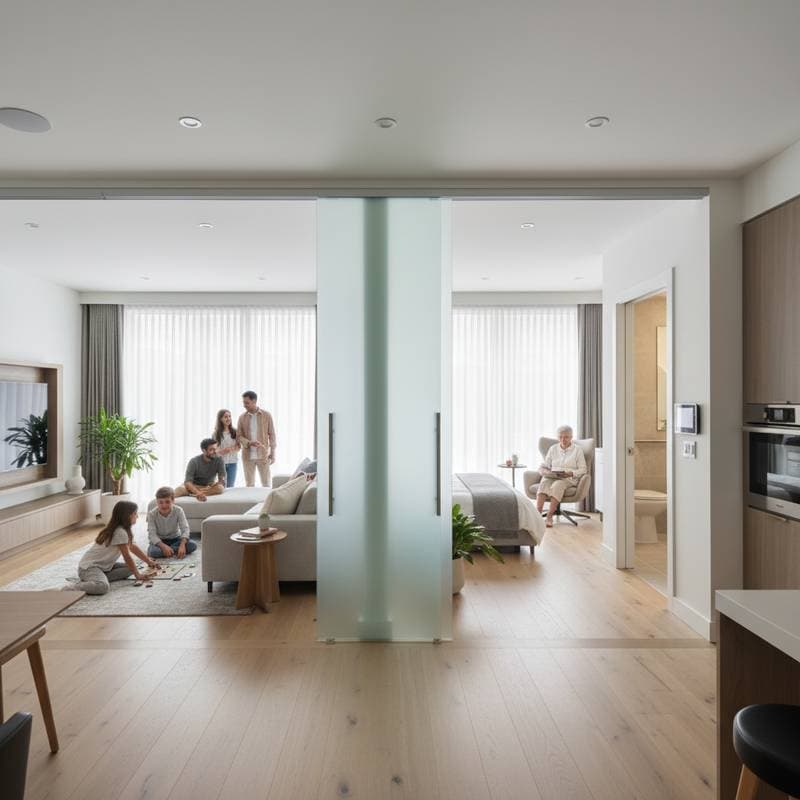
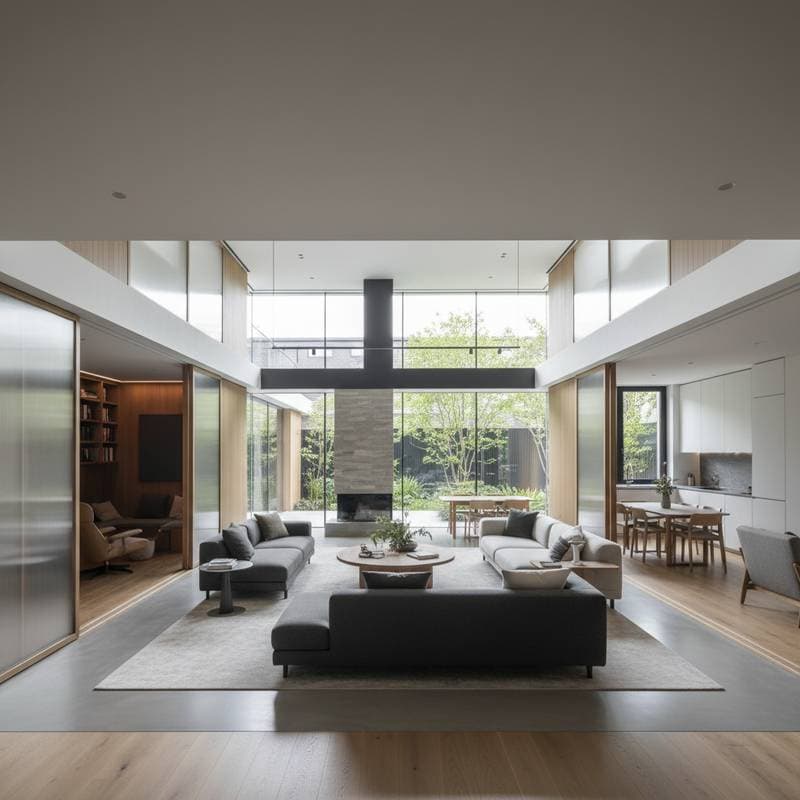
Multigenerational living gains popularity as families seek shared support and efficiency. In 2026, home designs prioritize adaptable layouts with features like separate suites, accessible zones, and communal areas. These elements foster independence while promoting unity, delivering homes that evolve with family dynamics and enhance property worth.
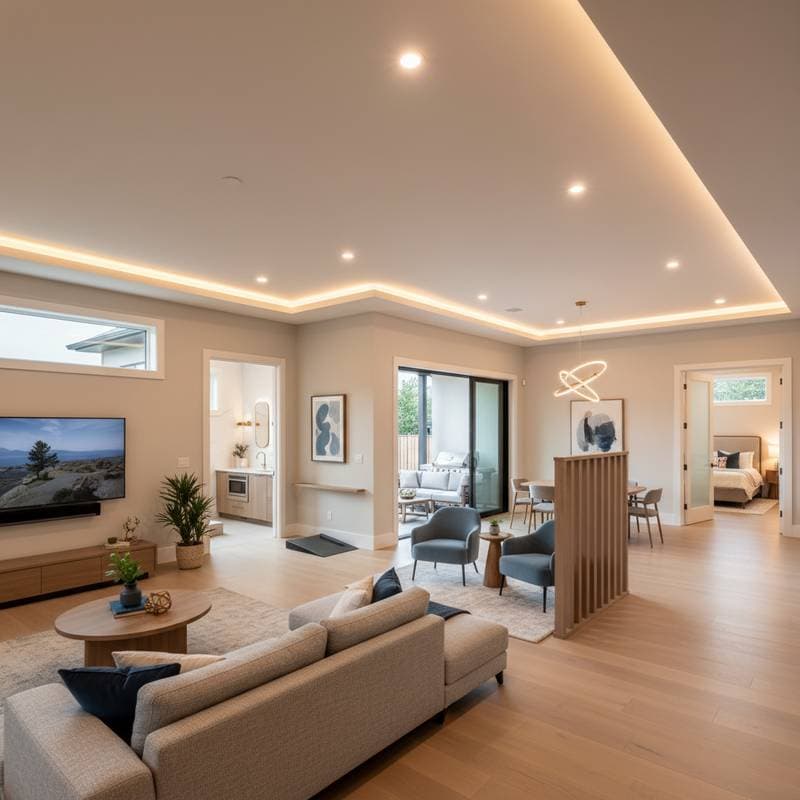
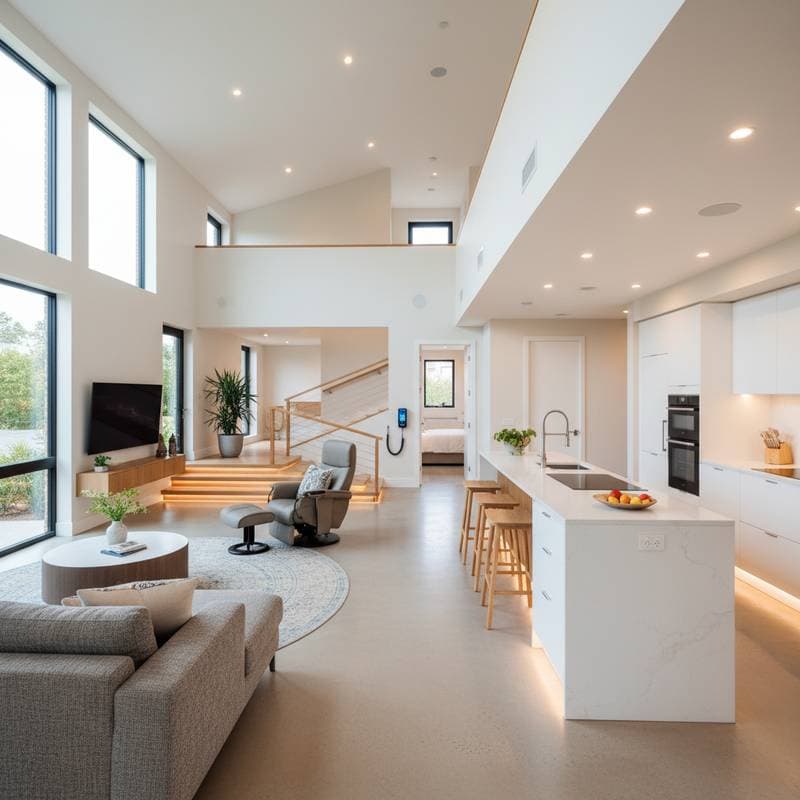
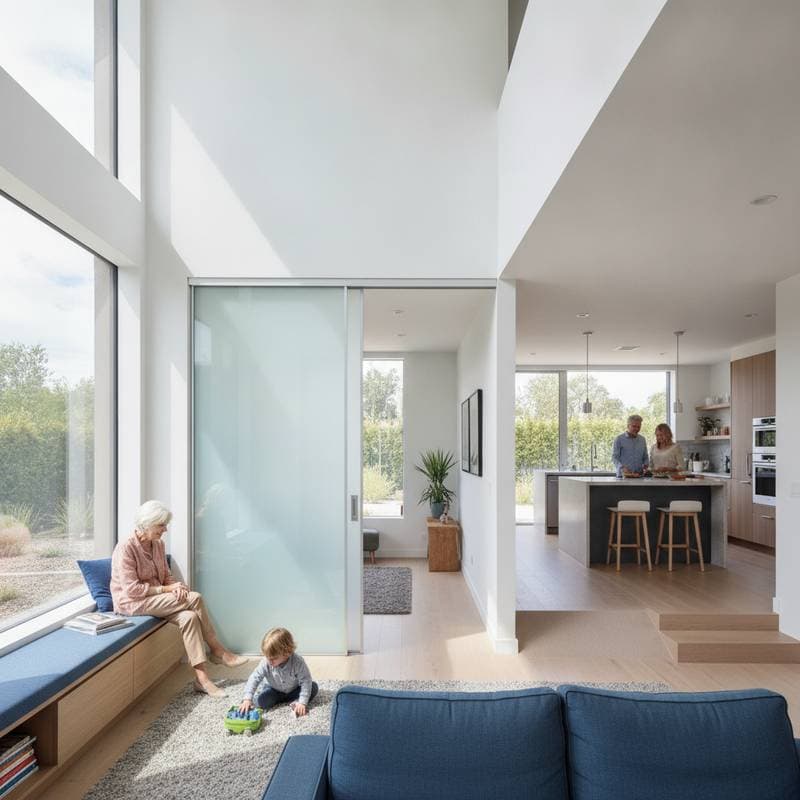
Multigenerational homes in 2026 integrate accessibility, comfort, and innovative design to foster family connections while promoting independence. Universal layouts, main-level living areas, and technology-driven safety features enhance usability, increase resale value, and support sustainability, demonstrating how strategic planning creates enduring spaces for all family members.
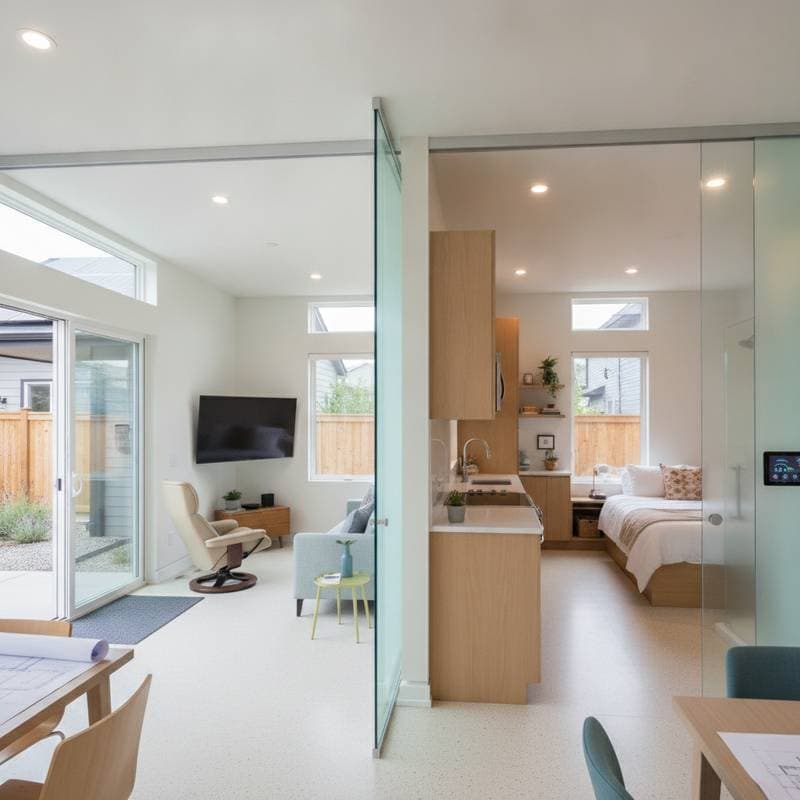
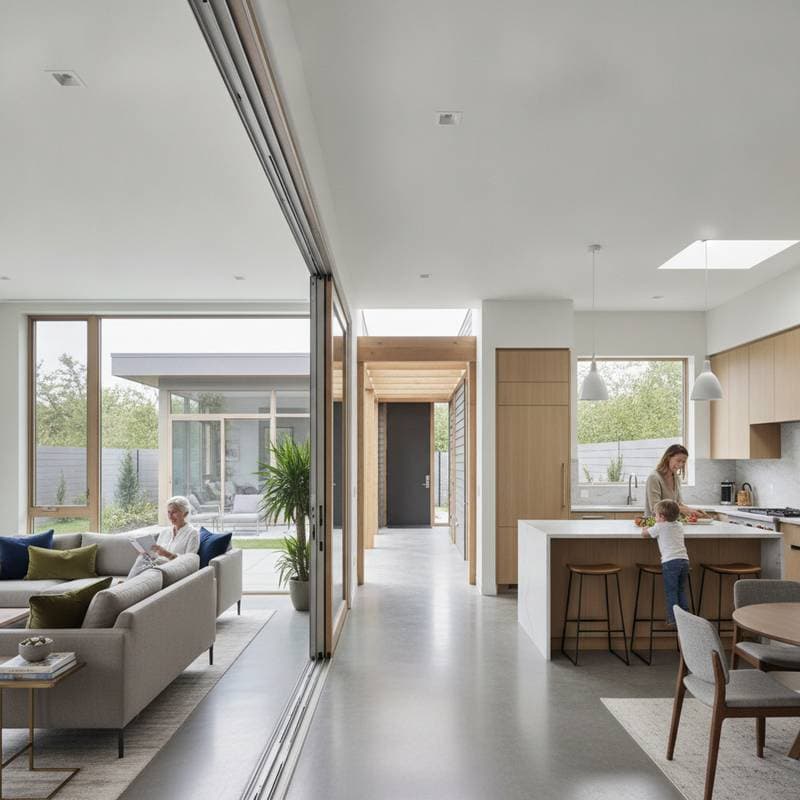
Multigenerational home design elevates property value through a blend of shared and private areas supported by efficient, adaptable systems. Options like granny pods and dual suites promote comfort, energy savings, and family bonds. Strategic planning ensures flexibility, cost reductions, and sustainability for homes that adapt to future needs.
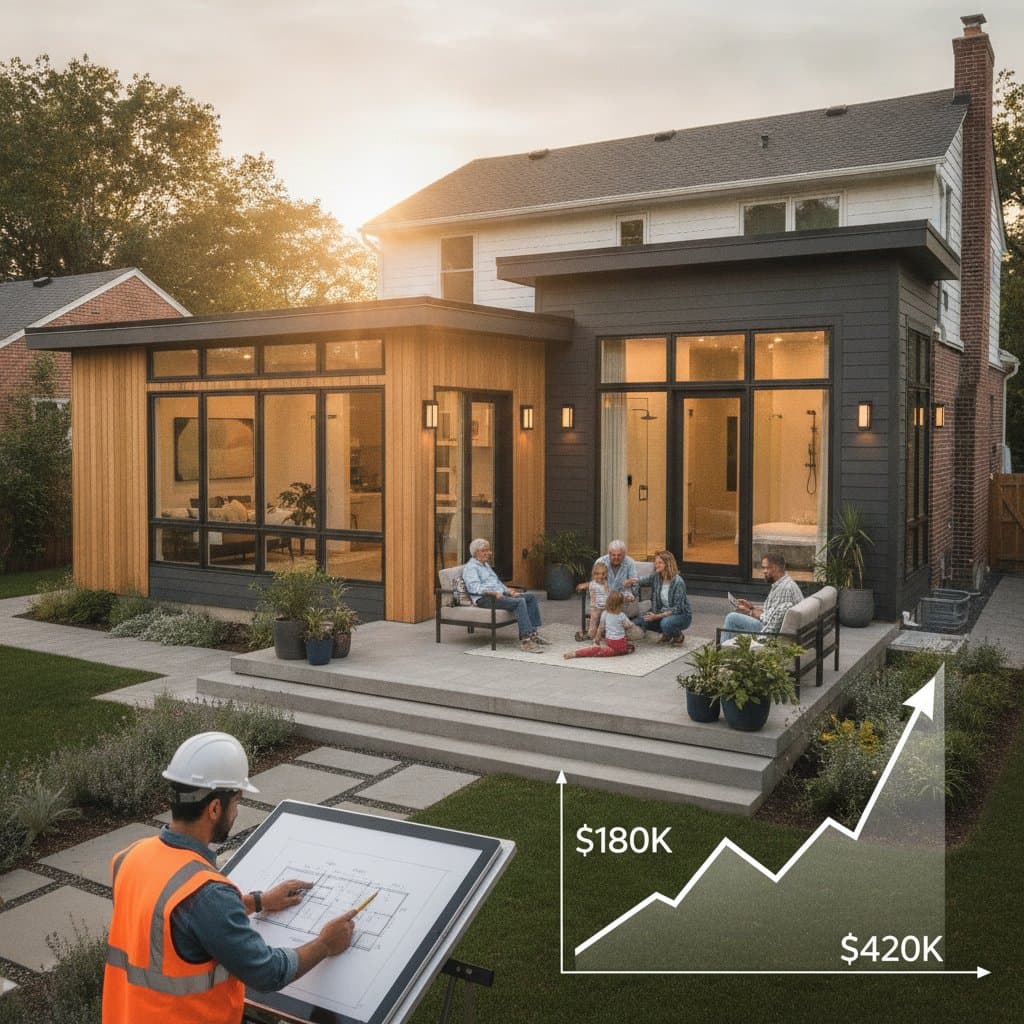
Multigenerational home layouts reshape property value in 2026 amid rising costs and changing family dynamics. Adaptable designs such as in-law suites and accessory dwelling units can raise resale prices by as much as 35 percent. Discover practical strategies for design, budgeting, and timing to turn your home into a versatile asset for future generations.
Multigenerational living transforms home design and boosts market value. Families prioritize adaptable layouts, private suites, accessibility enhancements, and integrated technology to foster comfort, family bonds, and financial equity. These 2026 developments yield versatile homes suited for diverse ages, delivering emotional fulfillment, cost efficiencies, and enhanced resale prospects.
Multigenerational remodels promise peak ROI by 2026, as families prioritize adaptable, efficient homes. These renovations create private yet connected spaces with zoned HVAC, smart tech, and inclusive features, elevating sustainability, comfort, and market worth for lasting generational benefits.
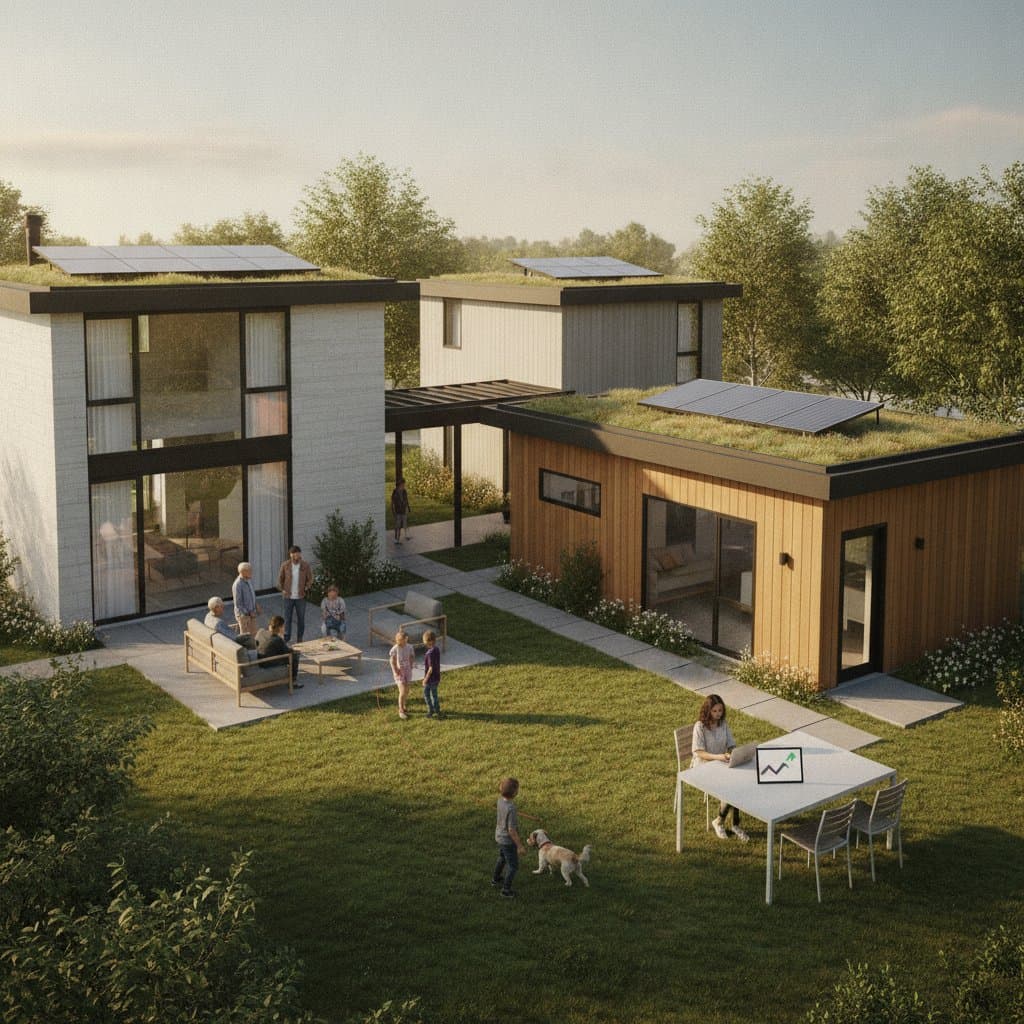
Multigenerational homes are reshaping living spaces in 2026 by blending private autonomy with communal bonds. Prompted by escalating housing costs and shifting family roles, these designs incorporate efficient systems, adaptable structures, and intelligent zoning to deliver comfort, privacy, and enduring sustainability for intergenerational living.
Anticipating a multigenerational remodel in 2026? Expect costs from $40,000 for basic conversions to $250,000 or more for extensive additions, influenced by layout changes, materials, and local regulations. This guide details pricing breakdowns, cost-saving tactics, and the balance between DIY efforts and professional services to build a durable, adaptable home for your family.
In-law suites revolutionize family homes by providing independent living spaces that deliver up to 80% ROI and rental opportunities. Learn essential building codes, design tips, and upkeep advice to create a flexible, valuable addition.
Multigenerational homes redefine real estate value in 2026 by combining family comfort, adaptable spaces, and strong financial returns. Key renovations like private suites, efficient kitchens, and sustainable systems address modern needs and accelerate sales. Discover planning strategies to maximize your property's potential as a versatile investment.
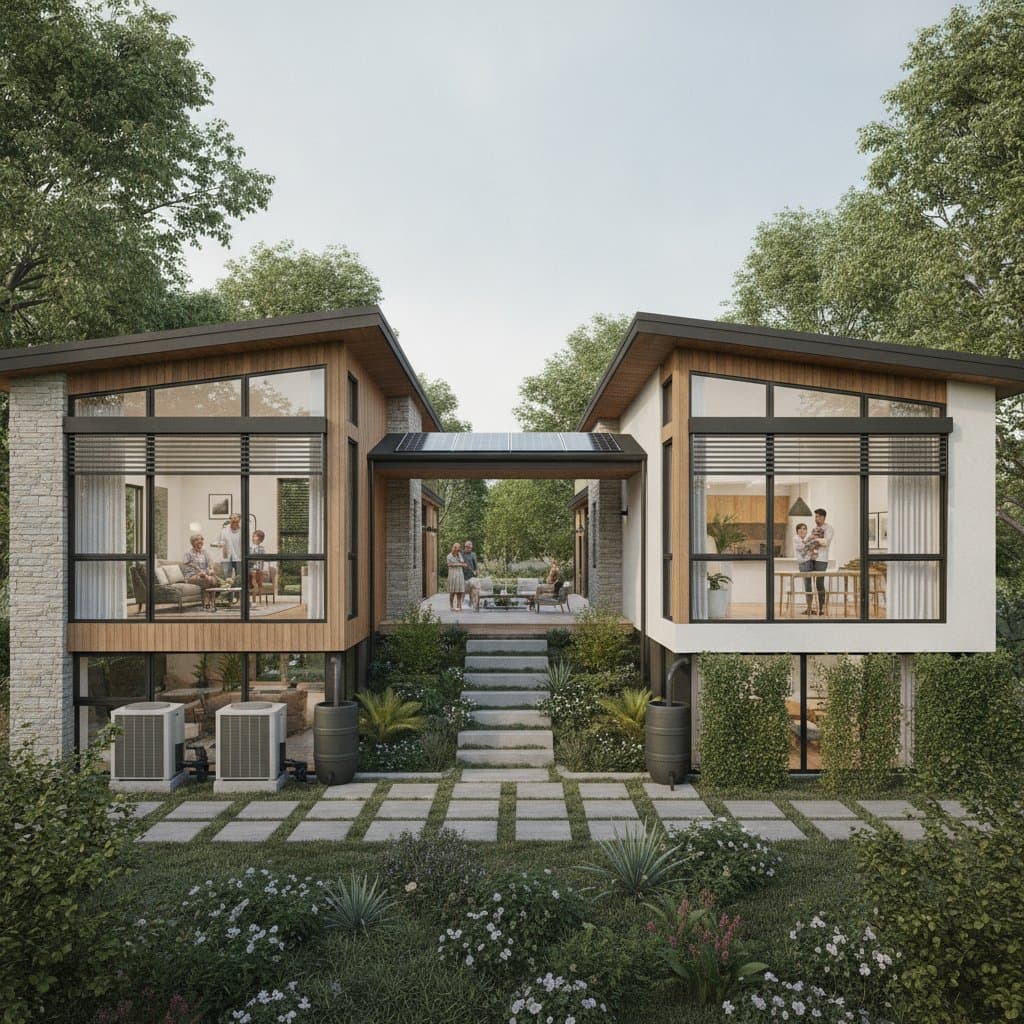
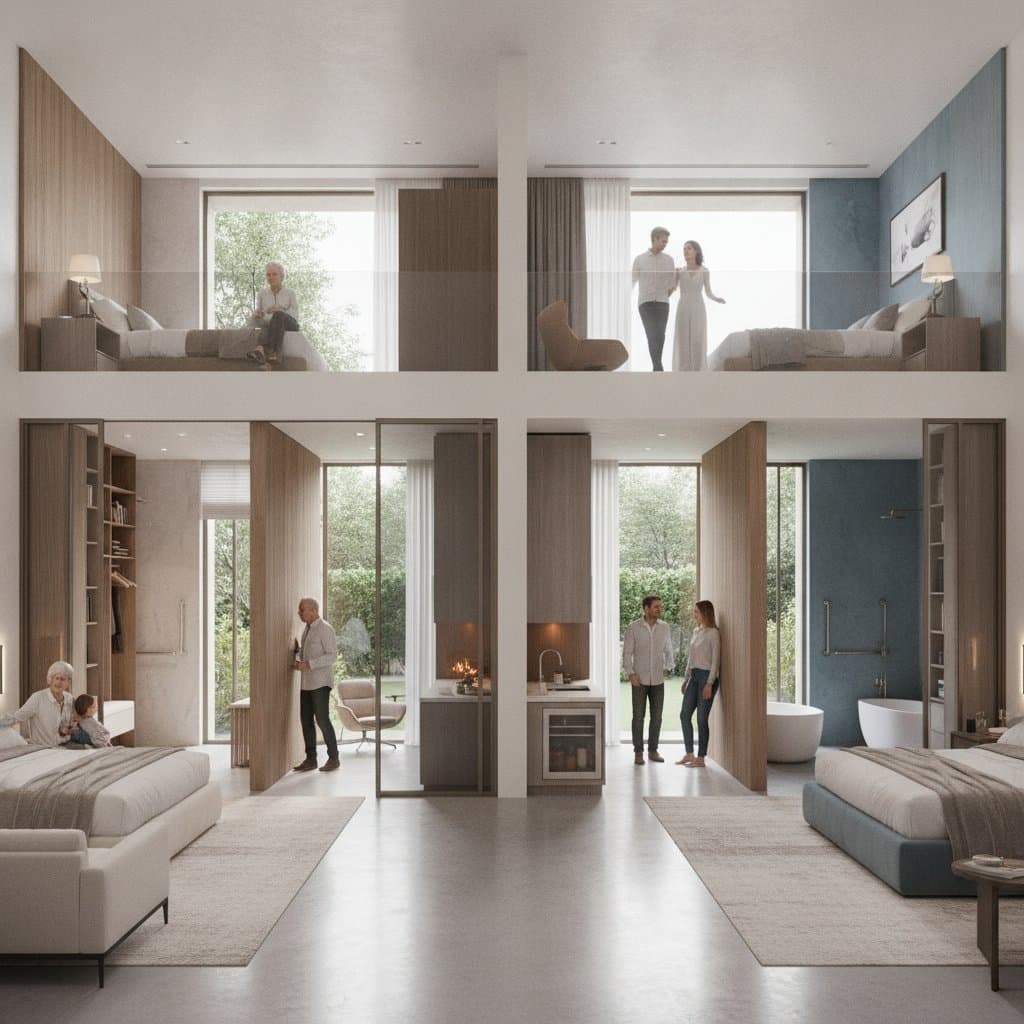
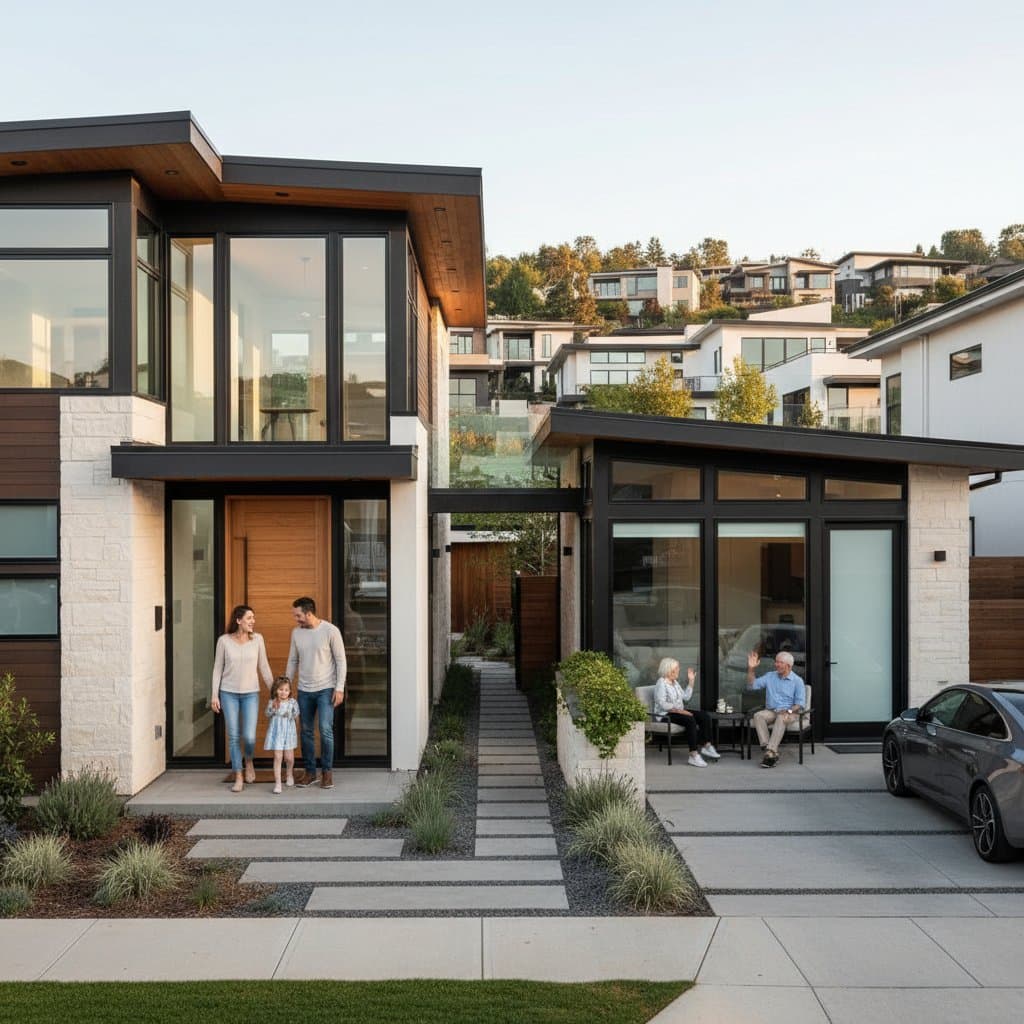
A 2026-ready multigenerational home integrates comfort, efficiency, and independence through thoughtful design. Dual master suites, separate entrances, zoned HVAC, and smart systems balance privacy and connection. Learn how systems thinking builds durable, code-compliant homes that adapt to family needs across generations.
Multigenerational home designs demand more than extra rooms; they require thoughtful integration of mechanical, electrical, and zoning systems. Shared HVAC setups versus independent utilities each carry distinct costs and benefits in terms of efficiency and privacy. By considering climate factors, building codes, and long-term maintenance, families can create adaptable spaces that enhance daily living and future resale potential.
Learn the true costs of transforming your home into a multigenerational haven in 2025. This comprehensive guide covers price estimates for various remodel types, budget planning tips, DIY options, and expert advice to foster family unity, accessibility, and enduring home value.
Multigenerational remodels reshape residences for 2025, elevating ROI through innovative designs. Integrate privacy, accessibility, and sustainability to craft adaptable homes that nurture families and attract discerning buyers. From simple tweaks to expert overhauls, informed choices deliver enduring benefits.
In 2025, selecting between a granny pod and garage conversion involves weighing costs, functionality, and future benefits. Garage conversions provide swift, affordable expansions, whereas granny pods promise greater returns and resident autonomy. Evaluate these alternatives to align with your home, finances, and family dynamics for optimal home improvements.
In 2025, multigenerational remodels merge innovative architecture, efficient energy systems, and smart integrations to elevate home comfort and investment returns. Upgrades like zoned HVAC, solar power, and universal accessibility create flexible spaces that support family needs while driving long-term financial benefits.
Learn to design multigenerational homes with dedicated privacy zones, accessibility features, and noise-control solutions. This guide covers 2025 renovation costs, practical tips, and long-term benefits for family harmony and home value.
Granny flats turn backyards into versatile spaces in 2025. Homeowners balance Airbnb earnings potential against family housing advantages, with build costs from $145,000 to $260,000 and returns reaching 12 percent. These units increase property value, provide lifestyle options, and require strategic planning for regulations, comfort, and sustained returns.