Multigenerational Floor Plans That Strengthen Long-Term Home Value
When three generations share one roof, thoughtful design supports daily comfort and privacy while increasing future resale appeal. A flexible multigenerational floor plan attracts buyers who value adaptability for family changes, extended stays, or added income potential. The right layout improves function and market position.
Planning Priorities
- Create distinct living zones for multiple generations
- Emphasize privacy, accessibility, and adaptable rooms
- Target higher resale value through wider buyer interest
Limitations of Older Home Layouts
Many existing homes feature bedrooms along a single corridor and one shared bathroom. The kitchen often serves as the sole hub, leading to congestion during peak hours. Families report feeling cramped once additional members arrive, with limited separation for different schedules and storage needs.
One homeowner recalled constant movement between shared spaces that left little room for individual routines. The core issues centered on flow and boundaries rather than total square footage.
Modern Zoning Strategies
Effective remodels divide the home into semi-independent areas that function like compact suites inside the main structure. A ground-level addition can include a bedroom, sitting space, and full bath for those who prefer minimal stairs. An upper-level room above the garage offers options for a workspace or private retreat.
This approach maintains togetherness while preserving autonomy. It also prepares the property for shifts such as remote work or short-term rental use.
Key Features That Add Value
Successful plans integrate practical elements that improve livability and buyer perception. Consider these targeted upgrades.
Private Access and Compact Kitchen Areas
A dedicated exterior door for a secondary suite provides independence. Include a small kitchenette equipped with a refrigerator, sink, and microwave for simple meal preparation. This setup supports current family needs and later rental opportunities.
Accessibility Elements
Install wider door openings, zero-threshold showers, and easy-to-operate handles throughout. These features maintain a contemporary appearance while reducing future modification expenses if mobility requirements evolve.
Defined Shared Spaces
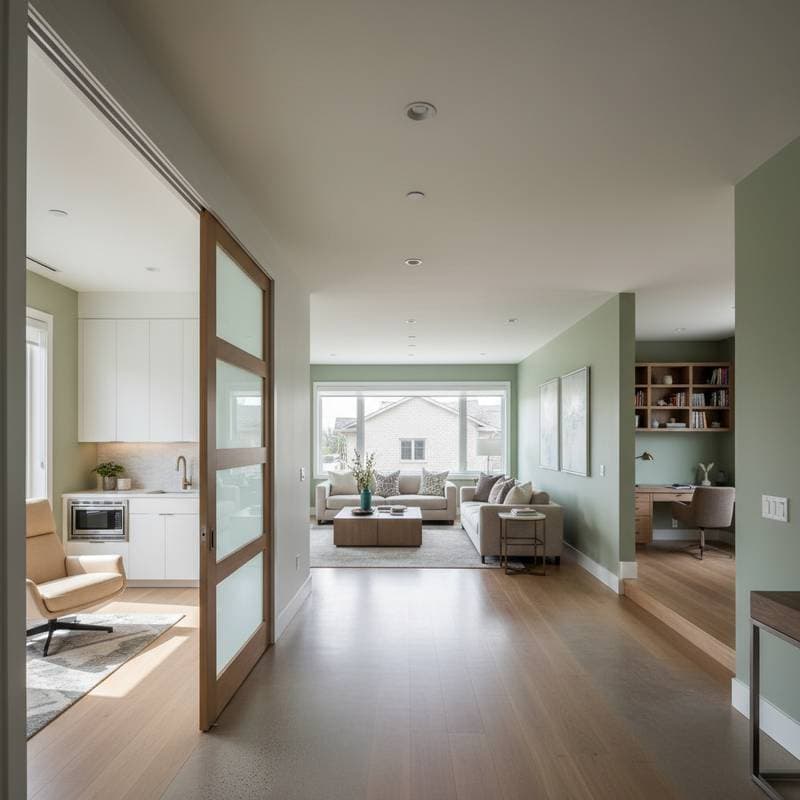
Open living areas benefit from subtle separators such as double-sided fireplaces or shifts in floor texture. Varied lighting layers further distinguish zones for meals, reading, or group conversation without full enclosure.
Organized Storage Solutions
Incorporate built-in cabinetry, under-stair compartments, and generous pantry space to manage belongings across age groups. A mudroom with individual storage stations reduces daily clutter.
Outdoor Extensions
Screened porches and patios create shared yet relaxed environments for meals or relaxation. Multiple seating areas allow each person a personal outdoor spot when desired.
Return on Investment Considerations
Properties with multigenerational capabilities draw a broader range of purchasers, including those planning for aging relatives or income generation. Appraisers note added worth from secondary kitchen facilities, accessible baths, and completed suites.
Converting underused basement or garage space into a self-contained unit typically requires less expense than a full addition yet delivers solid returns when finished to match the primary residence quality.
Daily Life Improvements
Small functional additions often yield the greatest harmony. Placement of a second laundry area near guest quarters saves time for all residents. Pocket doors between active and quiet zones allow focused work periods without disruption. Acoustic separation between levels further supports varied sleep and activity patterns.
Implementation Steps
- Prioritize private retreats for each age group from the outset
- Incorporate sound insulation during construction phases
- Allow rooms to serve changing purposes over time
- Combine utility with visual appeal in every selection
- Address storage needs during initial planning stages
Enduring Benefits
After completion, the design reveals its worth through routine interactions such as quiet reading alongside nearby activity or undisturbed morning routines. These outcomes foster both immediate satisfaction and lasting market strength. Homeowners achieve a balance of connection and independence that suits diverse preferences while supporting future sale potential.