Why Mold Checks Are Now Standard Before Closing
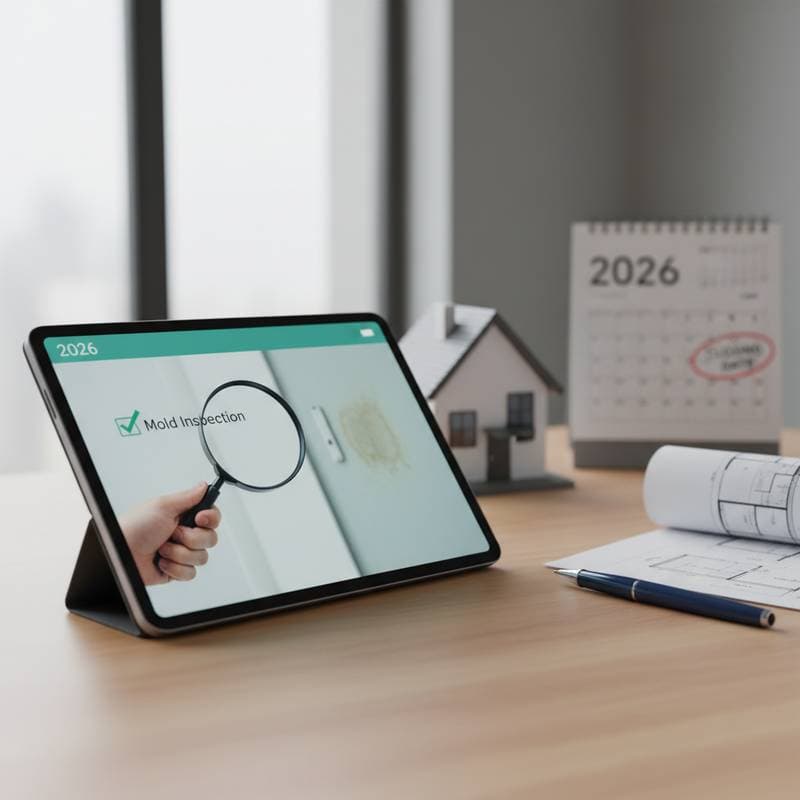
Informed homebuyers recognize that hidden mold poses risks to health, finances, and well-being. Mold inspections have evolved into a standard precaution before closing deals.
Continue exploring articles tagged with Mold
Informed homebuyers recognize that hidden mold poses risks to health, finances, and well-being. Mold inspections have evolved into a standard precaution before closing deals.
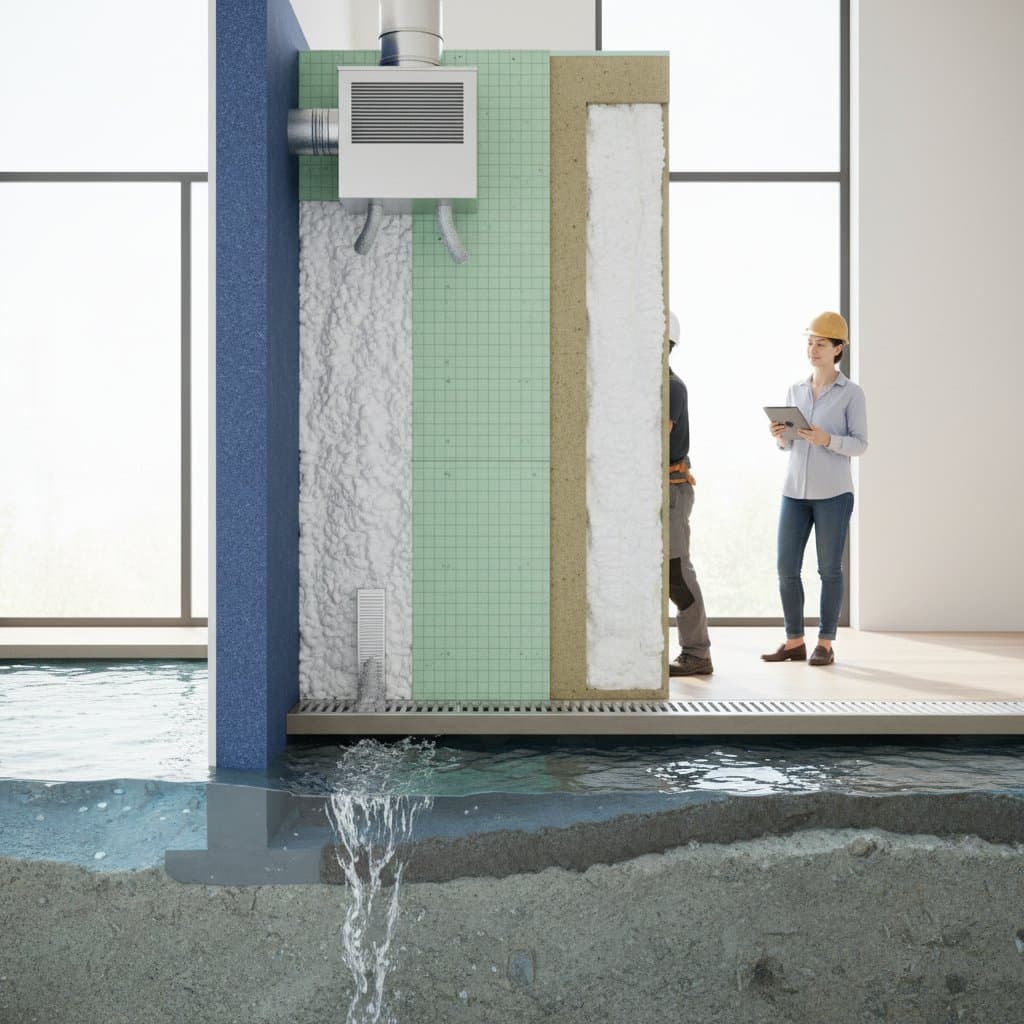
2026 building codes enhance flood resistance through innovative moisture management, mold-inhibiting materials, and optimized drainage. These measures deliver robust defenses against post-flood mold, elevated air quality protocols, and homeowner maintenance protocols. Understand how such reforms preserve home integrity, promote wellness, and enhance longevity for sustained tranquility.
Equip your home with mold-resistant materials to withstand flooding and minimize damage.
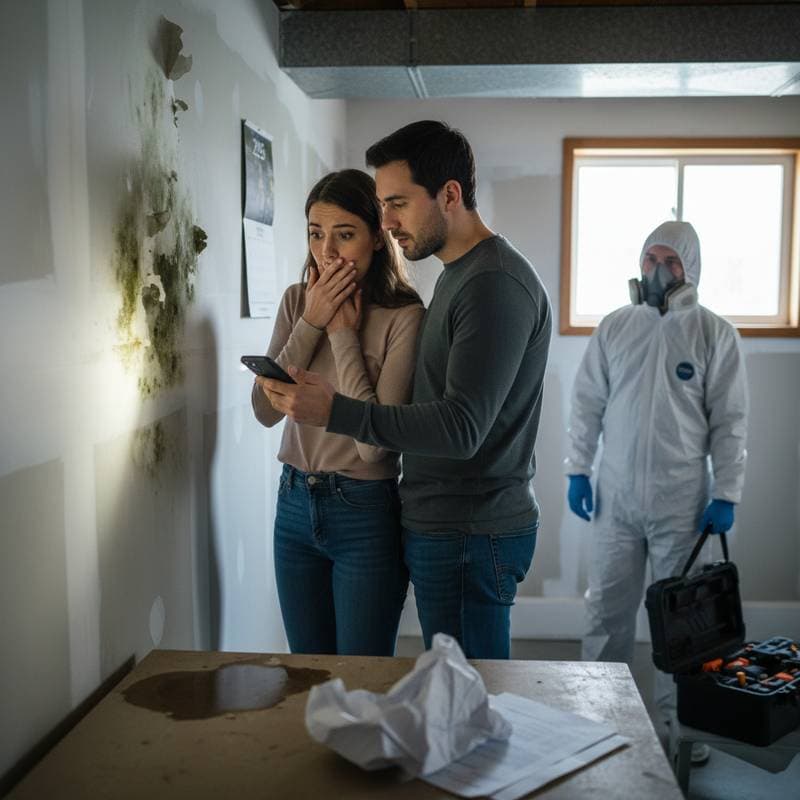
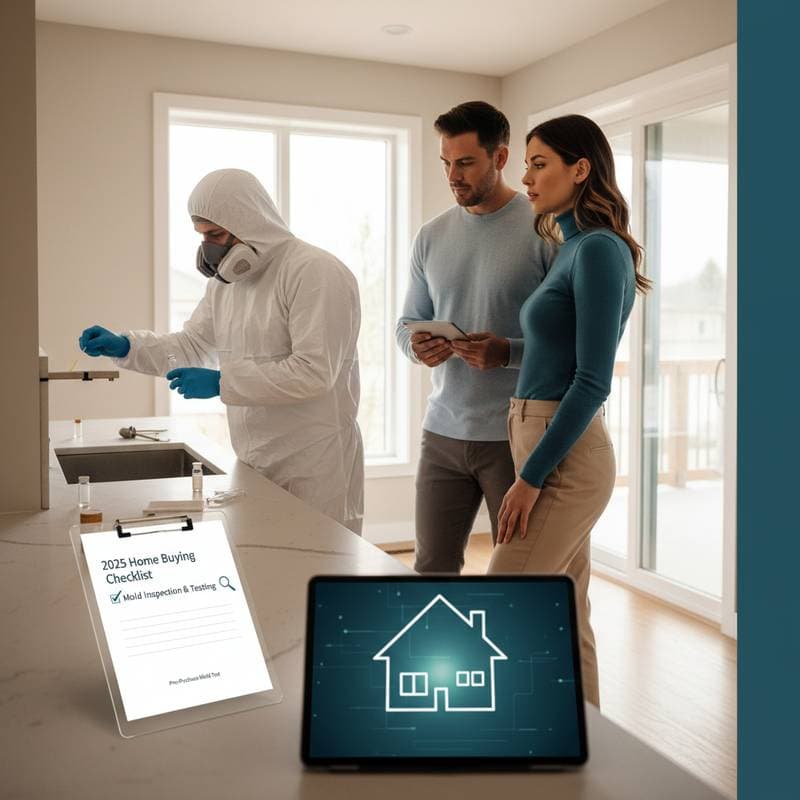
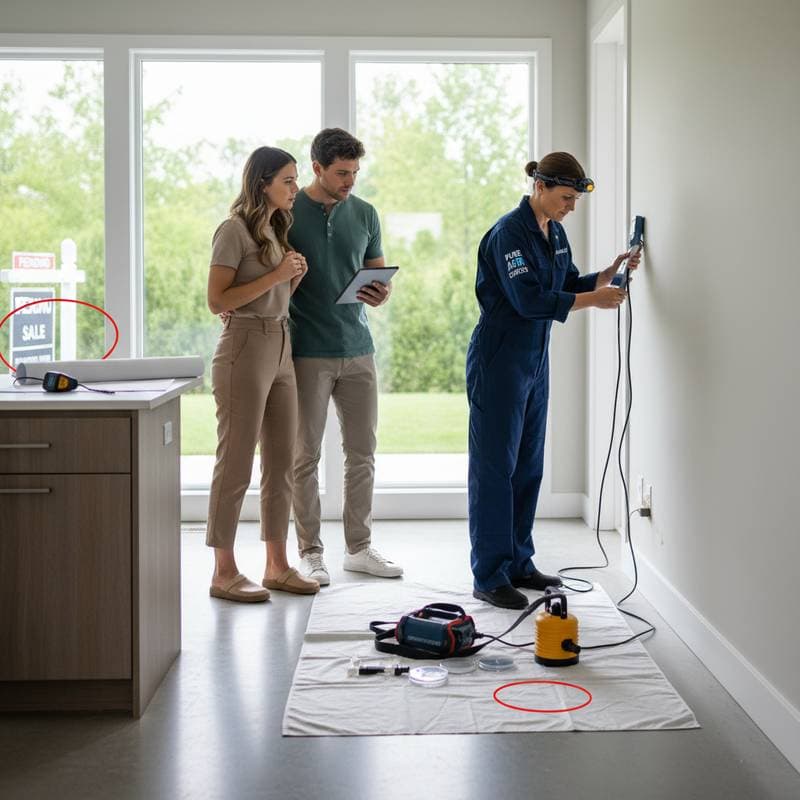
As a 2026 home buyer, prioritize mold inspections to uncover hidden risks. This guide covers legal requirements, detection methods, professional versus DIY approaches, and strategies to negotiate safely before purchase.
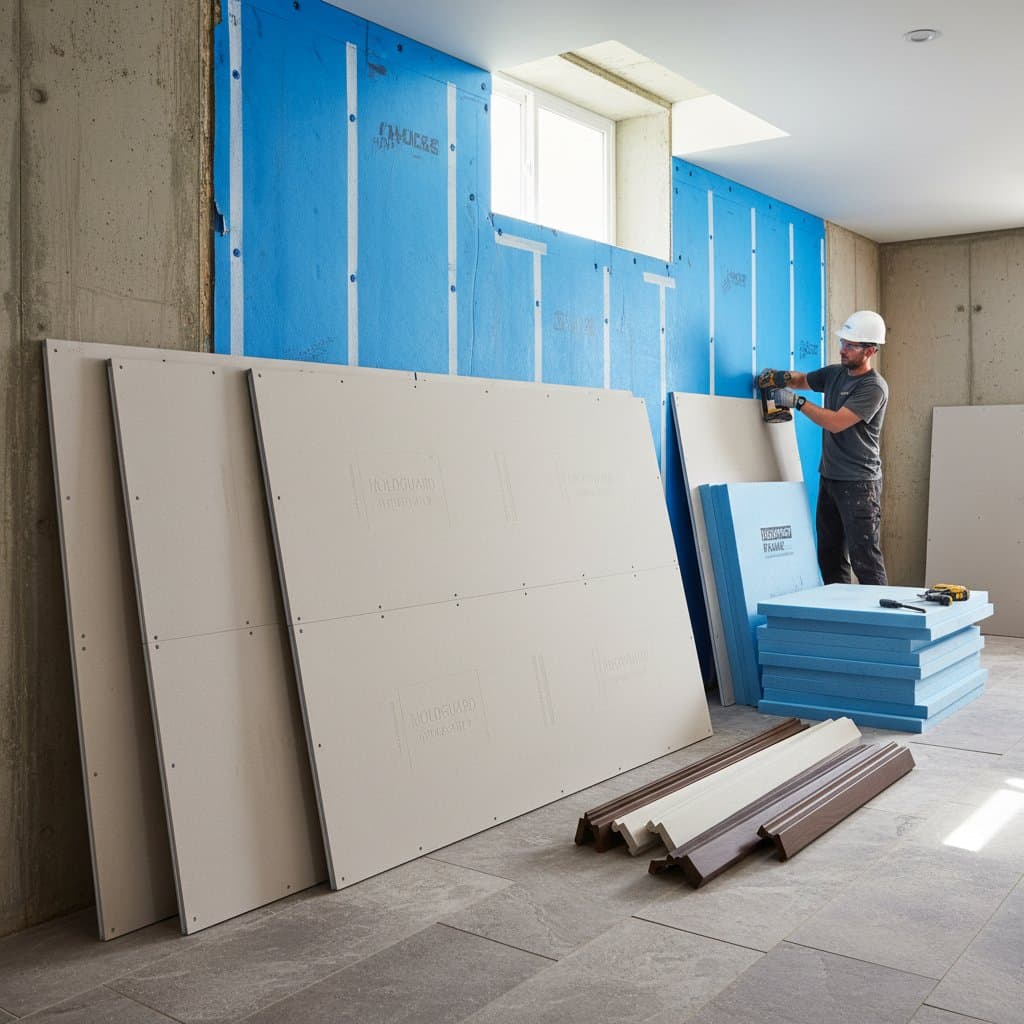
Elevate your 2026 home renovation with mold-resistant materials that endure up to 50 years. Discover practical choices for drywall, paint, and flooring, plus ventilation tips to ensure cleaner air, lower costs, and lasting protection against moisture threats.
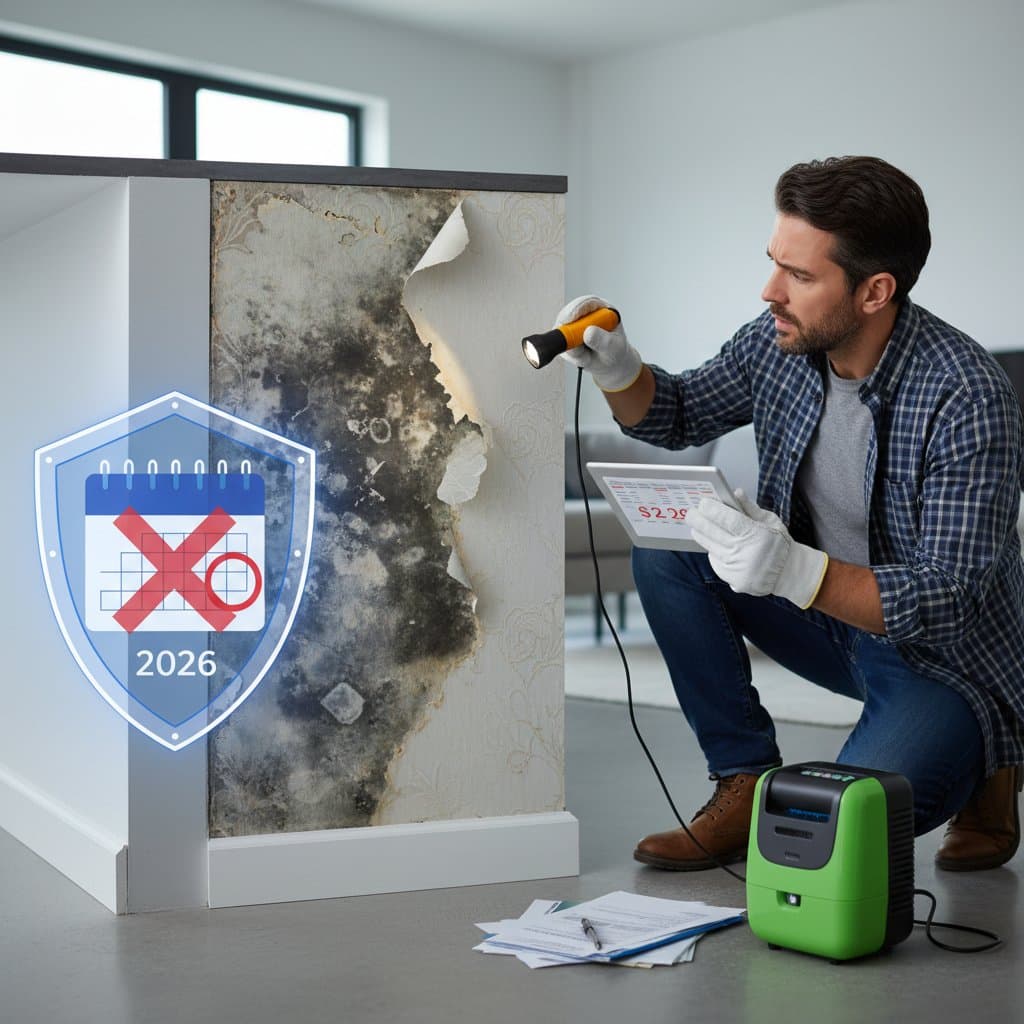
As of 2026, mold coverage vanishes from standard home insurance, shifting remediation costs to homeowners amid rising claims and climate challenges. Explore the reasons for this policy shift, exclusion details, and expert tips for prevention and documentation to secure your property.
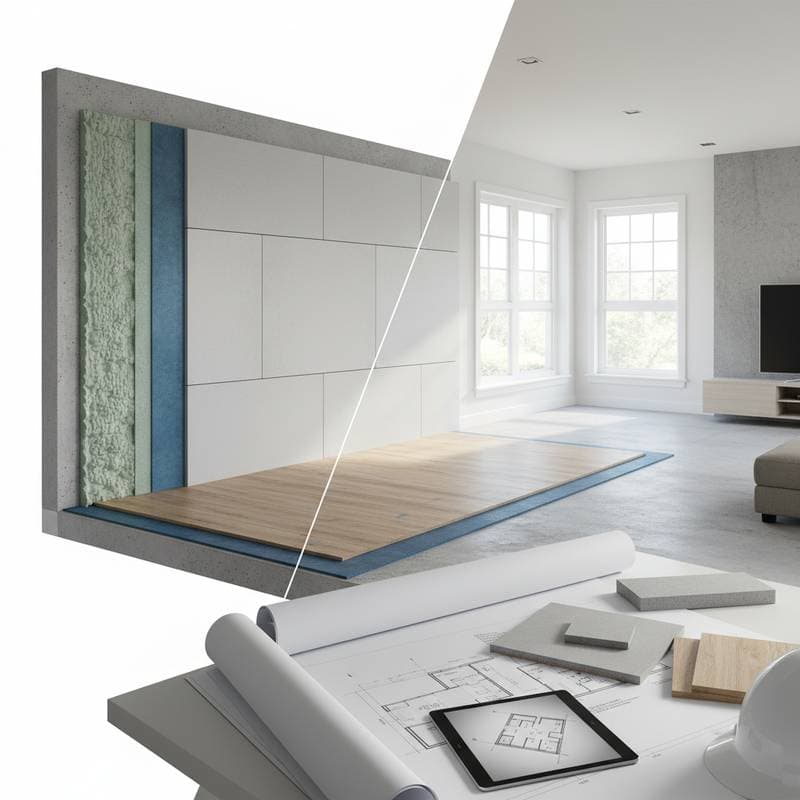
Mold-resistant renovations shape the future of healthy home design in 2026. Innovative choices in drywall, flooring, and ventilation combat moisture, enhance air quality, and minimize repair costs. Discover methods to build resilient, low-maintenance spaces that preserve comfort, integrity, and property value.
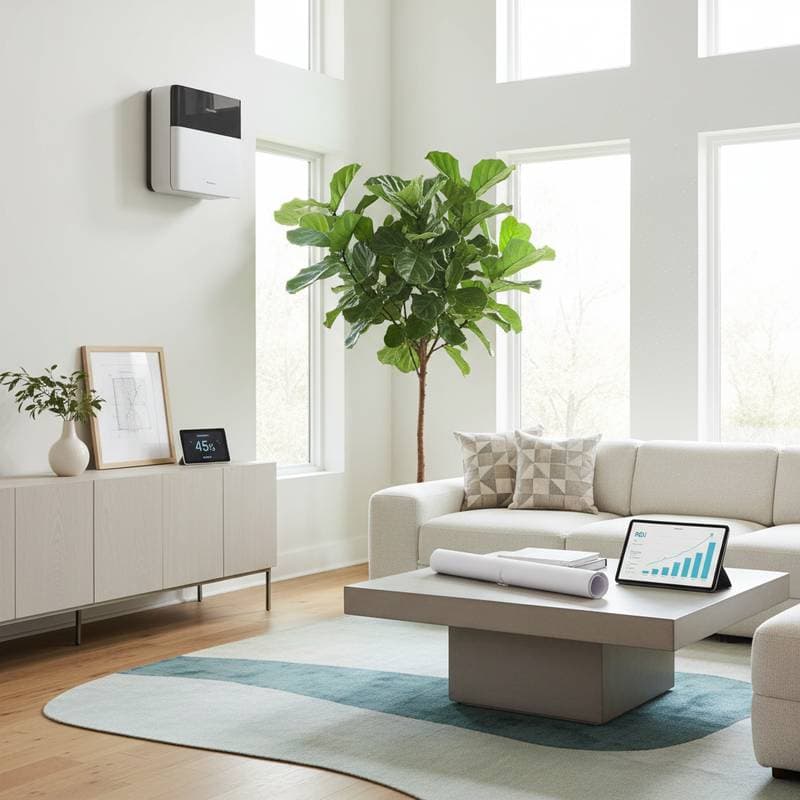
A whole-home dehumidifier protects your property from moisture damage, enhances air quality, and elevates resale potential. This investment reduces energy costs, minimizes repairs, and fosters healthier living spaces, yielding clear returns by 2026 via optimized HVAC and sustainable design.
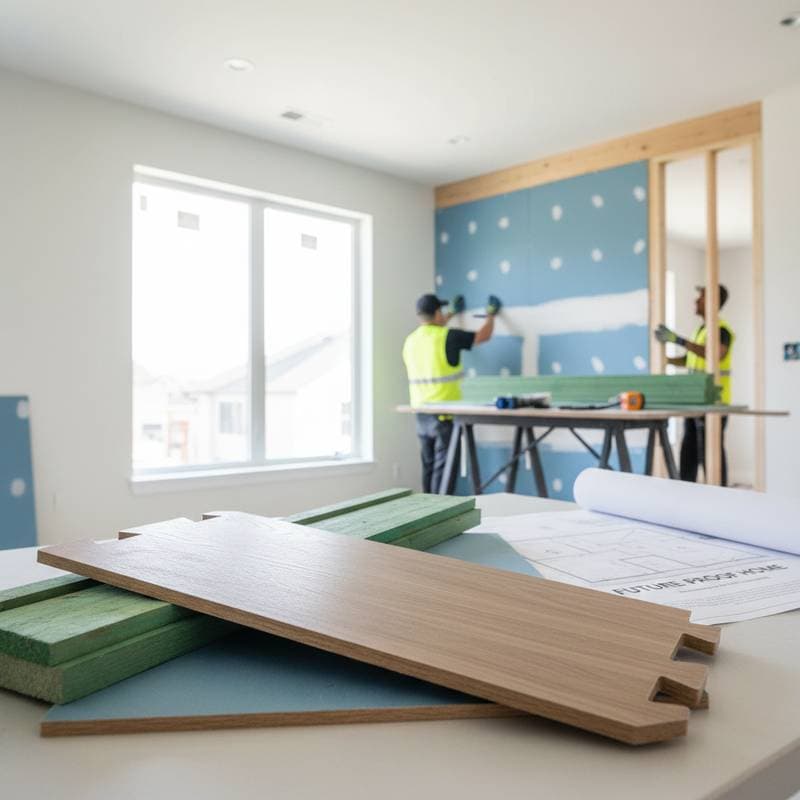
Escalating rebuild expenses demand strategic material choices. Opt for mold-resistant options such as treated lumber, waterproof flooring, and specialized drywall to shield your property, promote health, and maximize return on investment. These selections minimize upkeep, elevate market appeal, and deliver enduring strength.
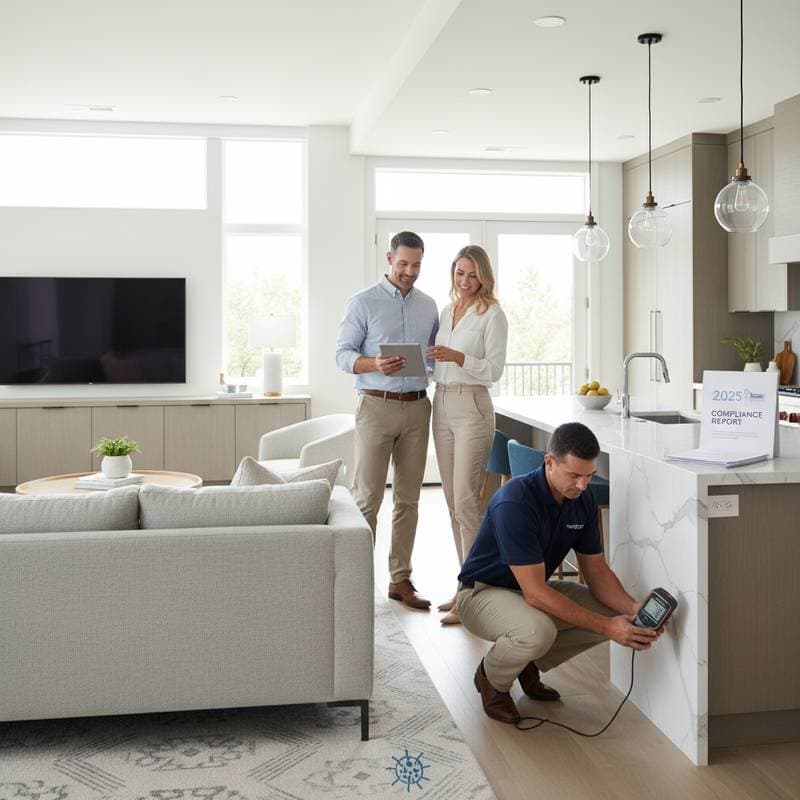
Concealed mold can derail your home-buying dreams with steep repair costs. Spot critical signs like musty smells, discoloration, and damp areas early. Explore professional inspection processes, hiring triggers, and prevention tactics to secure your investment, health, and peace of mind in 2025.
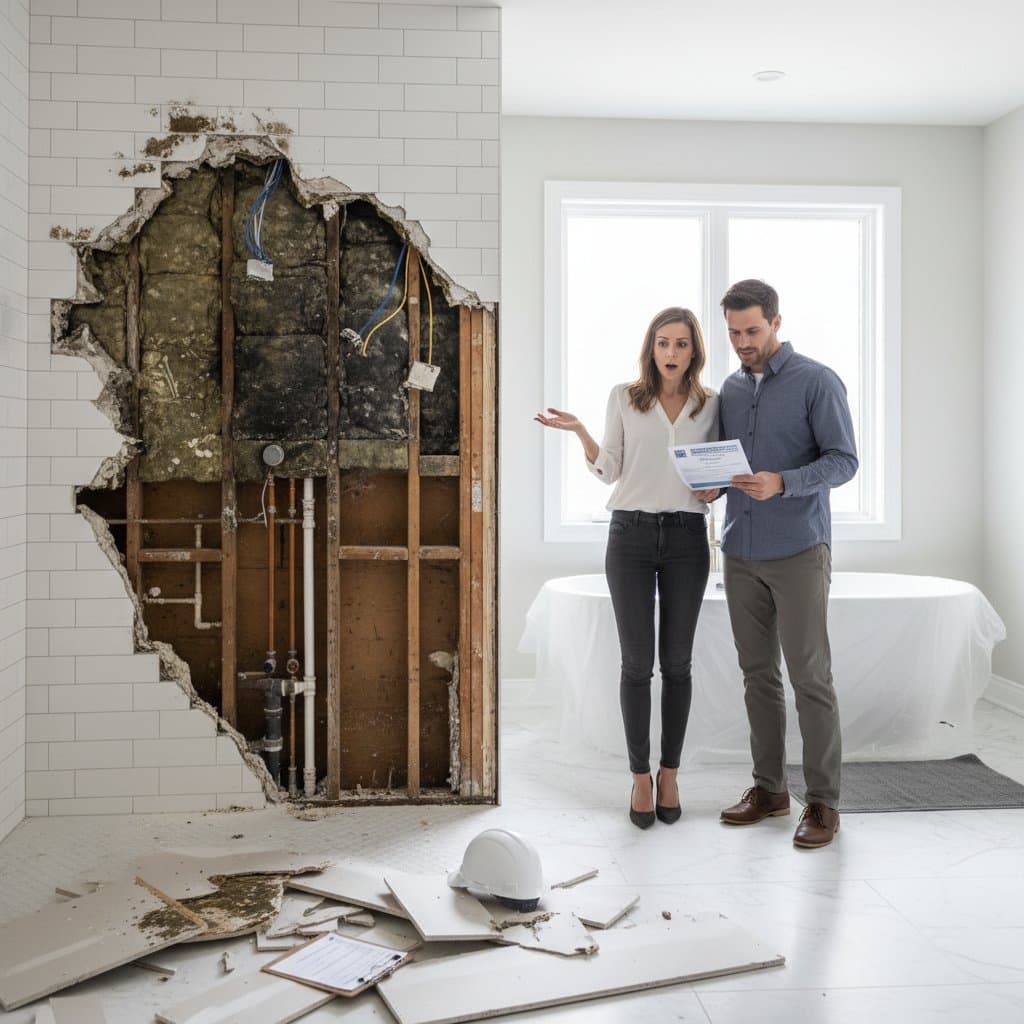
Mold clauses in insurance policies and contracts pose a silent threat to 2025 bathroom renovations, potentially leaving homeowners with steep remediation bills. These exclusions often surface during demolition, halting projects and inflating costs. By decoding policy terms, conducting pre-remodel inspections, and selecting preventive materials, you can shield your budget from unexpected mold discoveries.
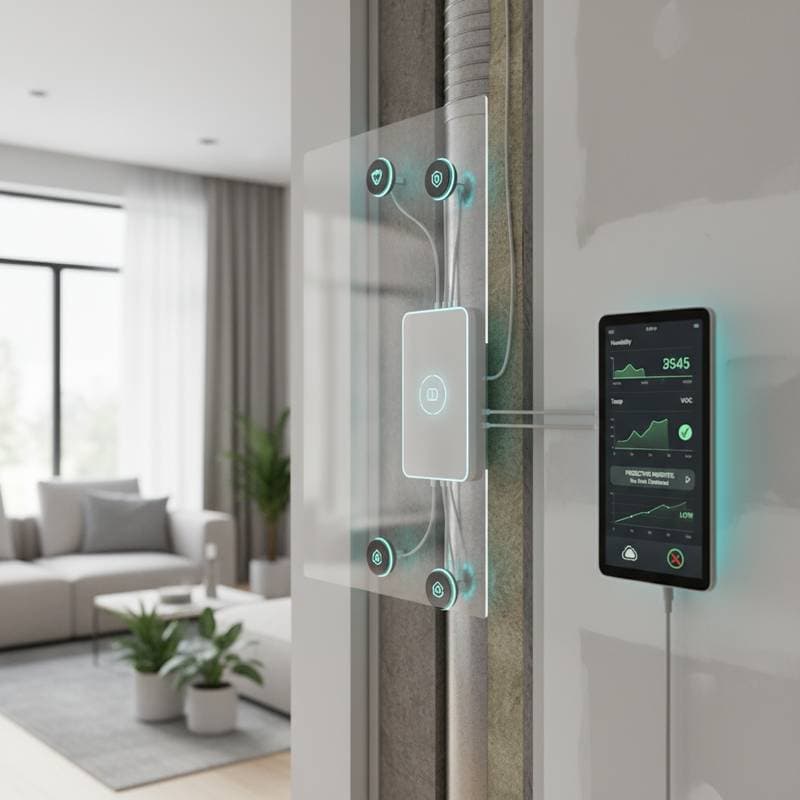
In 2025, smart sensors revolutionize mold prevention by analyzing real-time data on humidity, temperature, and VOCs to identify risks before visible signs emerge. Seamlessly integrated with HVAC and smart home systems, they provide predictive alerts, minimize expensive repairs, and promote superior indoor air quality via vigilant, AI-enhanced surveillance.
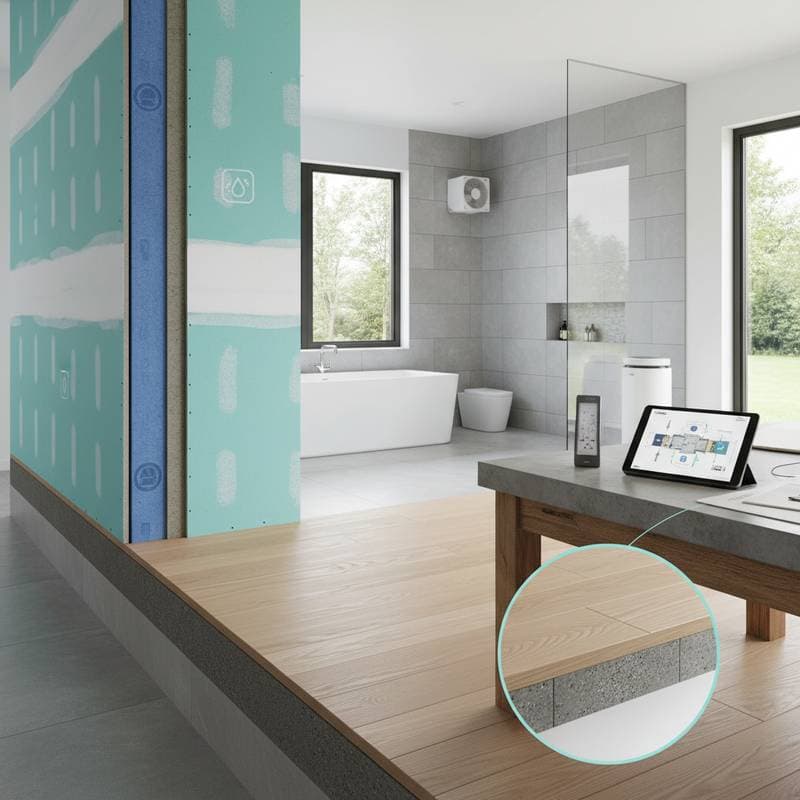
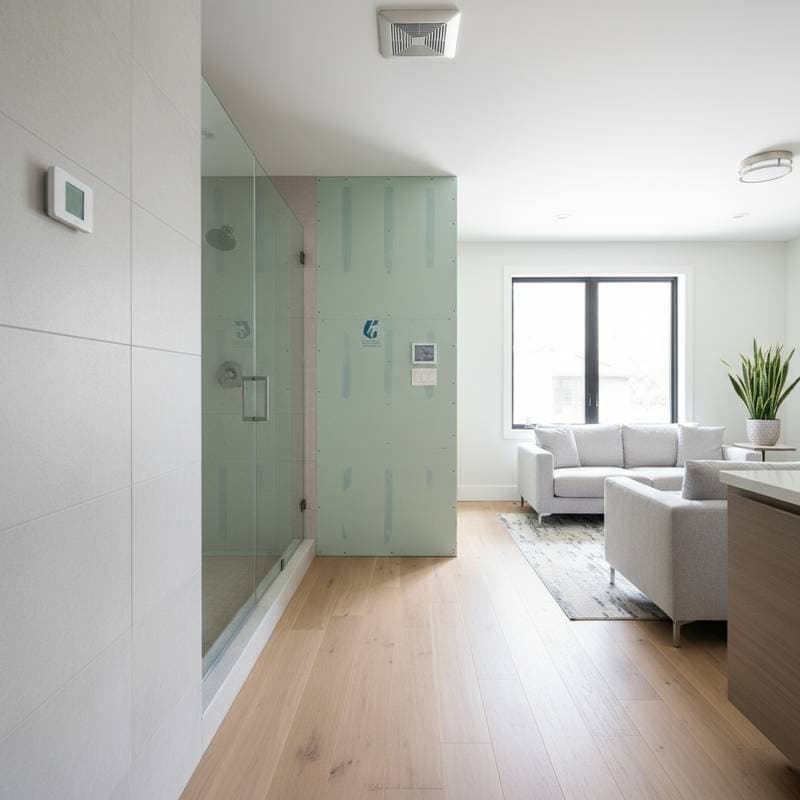
Transform your bathroom into a mold-free sanctuary with 2025's innovative materials. Seamless panels, antimicrobial grout, and durable surfaces prevent moisture buildup, reduce upkeep, and maintain air quality. Discover practical choices that deliver long-term savings and elevated home appeal.
In the thrill of buying your 2025 dream home, hidden mold poses a silent threat. This guide details professional inspection processes, DIY limitations, remediation essentials, and proactive prevention strategies to ensure a healthy, worry-free living space.
Rebuilding after a flood requires more than restoration; it demands proactive choices to prevent mold and water damage. Select water-resistant materials such as cement board, closed-cell insulation, and waterproof flooring to enhance durability, reduce energy costs, and lower insurance premiums for long-term protection.
Upcoming 2025 mold regulations heighten risks for sellers. Overlooking moisture problems may diminish home value, but effective remediation preserves returns. This guide covers expense details, DIY boundaries, optimal timing, and how strategic mold control secures your asset while drawing assured purchasers.
Transform damp basements into dry havens with 2025 waterproofing advancements. Smart sensors, self-sealing coatings, AI dehumidifiers, and smart ventilation ensure lasting moisture control, superior air quality, preserved property value, and enduring comfort.
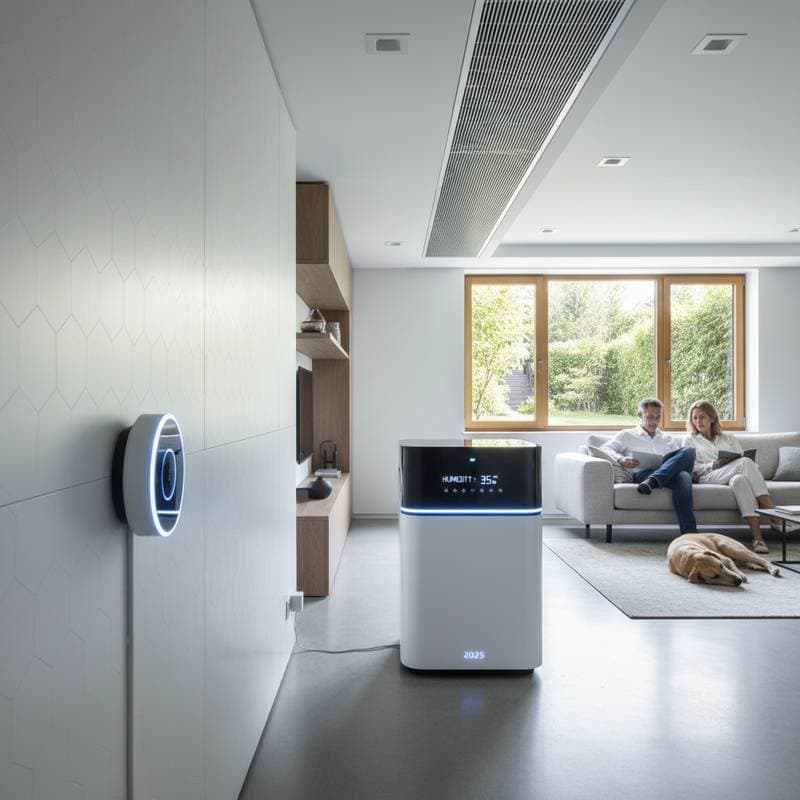
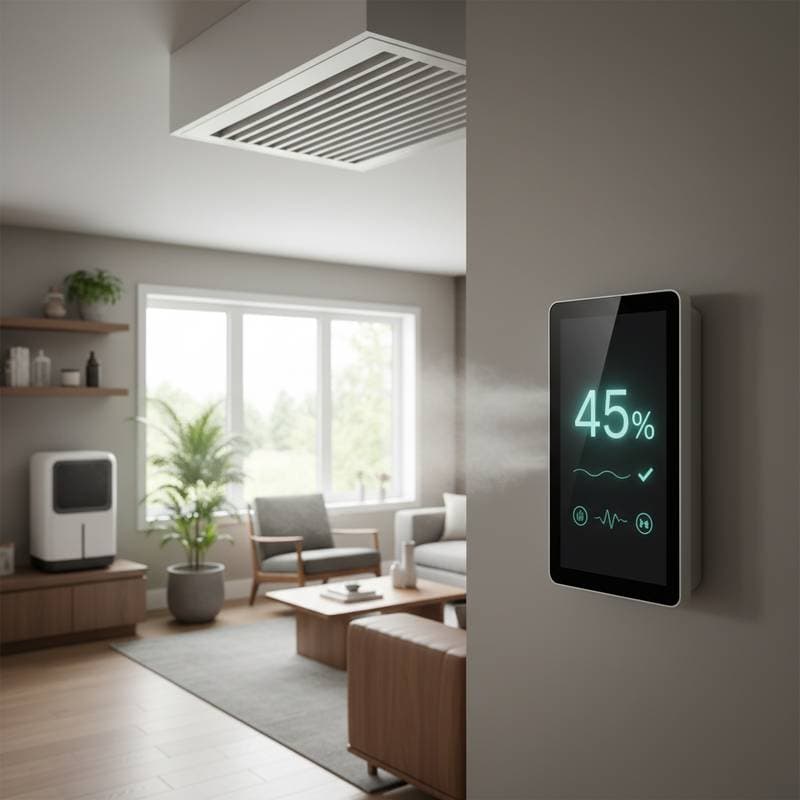
In 2025, cutting-edge humidity control systems transform homes into healthier spaces by precisely managing indoor humidity at 40-50%. These energy-efficient technologies, including dehumidifiers, ERVs, and smart sensors, combat mold, preserve structural integrity, and improve daily comfort. Discover how to integrate these solutions for lasting benefits.
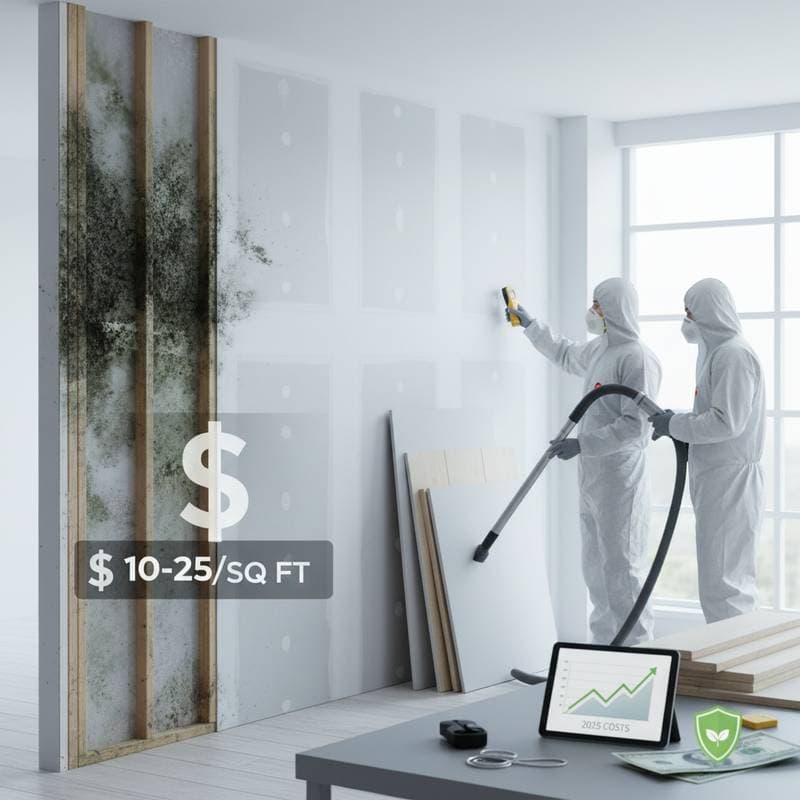
Mold remediation costs in 2025 typically range from $1,200 to $7,000, influenced by the extent of infestation, affected materials, and necessary repairs. Prompt action, moisture source elimination, and decisions between DIY efforts or professional services can reduce expenses significantly. This guide details cost components, prevention methods, and strategies to maintain home value, resident health, and energy efficiency.
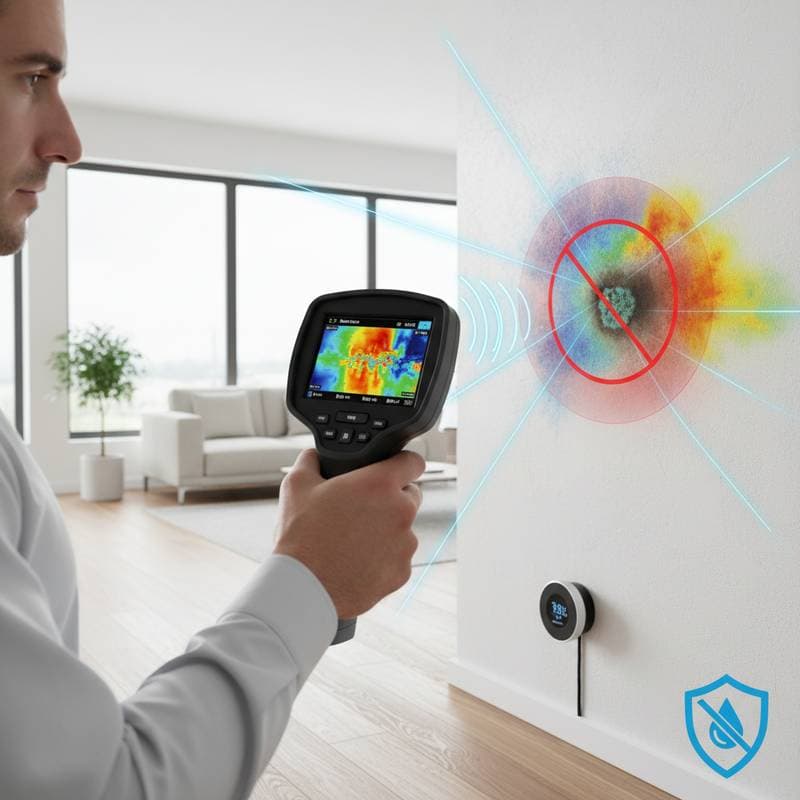
Moisture mapping employs advanced sensors and thermal imaging to uncover concealed dampness prior to mold formation. This method identifies leaks hidden behind walls or beneath floors, thereby safeguarding your home's structure, indoor air quality, and overall value. Understand how this non-invasive approach averts expensive repairs and maintains healthy, dry living environments.