Spotting Hidden Mold: Essential Checks for 2025 Home Buyers
Purchasing a home stands as one of the most substantial investments individuals undertake, yet undetected mold poses a severe risk of converting this milestone into a major financial setback. Mold development impairs indoor air quality, corrodes building materials, and demands extensive remediation expenses. Recognizing indicators before committing to a purchase spares thousands in costs and prevents extended periods of inconvenience.
This guide outlines strategies for detecting mold signals, describes inspection components, and specifies conditions for involving specialists prior to acquisition.
The Serious Implications of Mold in Home Purchases
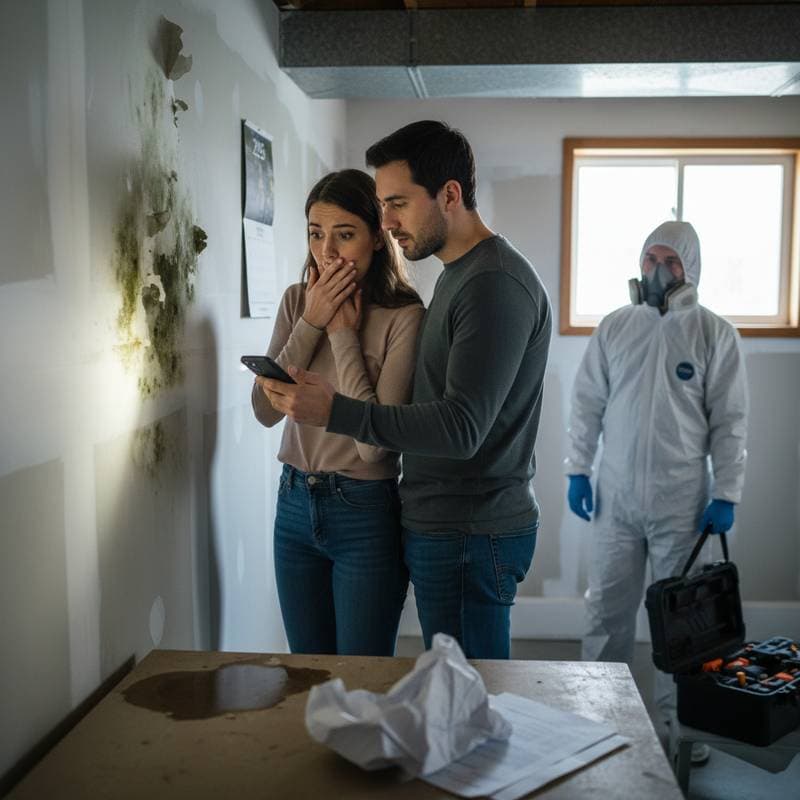
Mold surpasses mere aesthetic flaws. It flourishes in hidden locations, including interior walls, window surrounds, or underfloor areas where moisture gathers. Even minor visible spots frequently reveal broader problems, such as roof penetrations, plumbing defects, or insufficient airflow systems.
Unchecked mold deteriorates timber frameworks, compromises drywall stability, and produces enduring odors resistant to removal. Prospective buyers encounter diminished asset values alongside challenges in securing insurance policies or loans. Furthermore, mold spores contribute to health risks, including allergic reactions, asthma exacerbations, and respiratory distress, especially among children, the elderly, and those with compromised immune systems.
Components of a Thorough Mold Inspection
Professional mold evaluations deliver precision beyond surface-level reviews. Certified inspectors apply systematic approaches:
- Execute visual assessments of walls, ceilings, crawlspaces, attics, and basements to pinpoint irregularities like bubbling paint or fuzzy growths.
- Utilize moisture meters and thermal imaging to reveal concealed humidity levels within enclosed surfaces.
- Collect air samples from multiple rooms for laboratory spore counting and species identification.
- Secure surface samples through swabbing, tape lifting, or bulk collection from affected materials for detailed analysis.
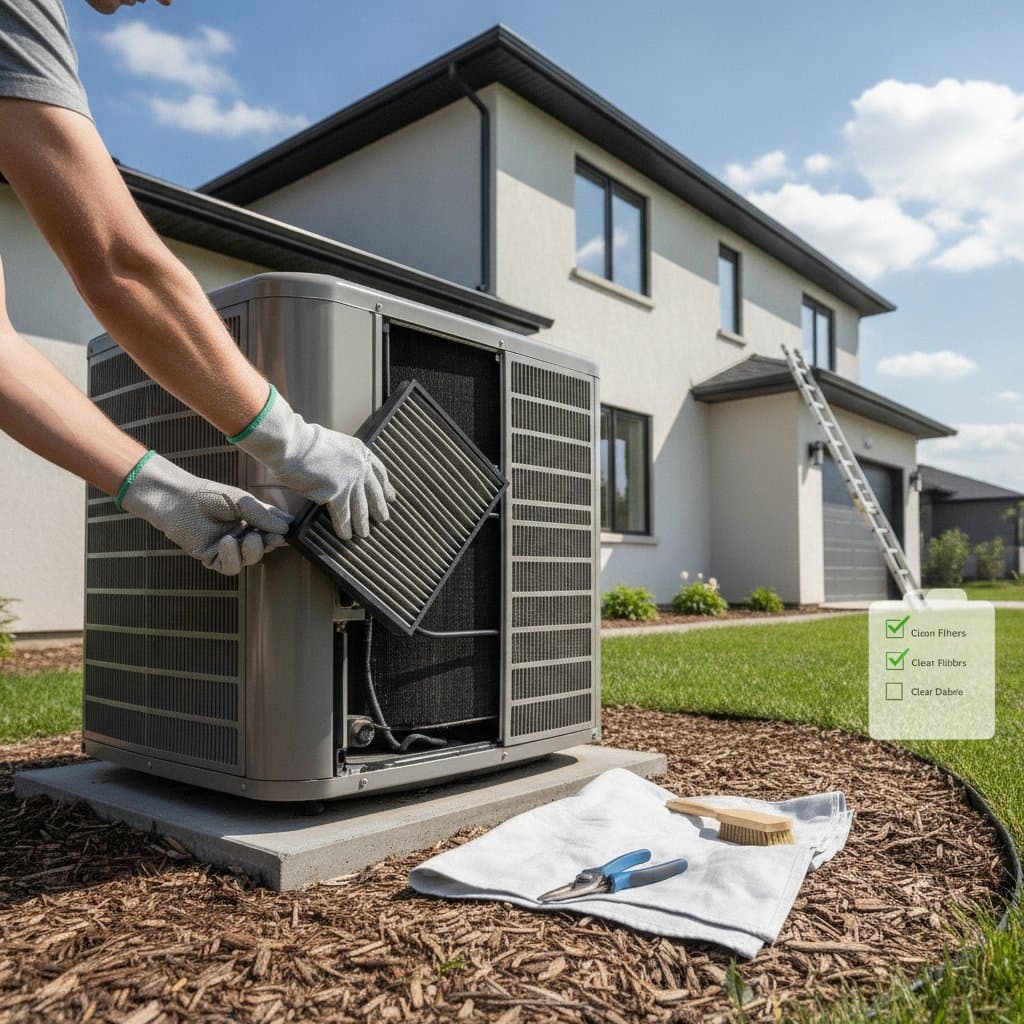
- Scrutinize HVAC ducts, filters, and coils for mold colonization and airflow obstructions.
- Compile a thorough report with photographic evidence, contamination severity ratings, and prioritized remediation plans.
Once mold confirms presence, inspectors gauge the infestation's reach, often recommending containment measures, removal techniques, and preventive modifications to halt recurrence.
Comparing Self-Inspection to Expert Analysis
Independent preliminary checks offer an accessible entry point, although they possess inherent constraints.
Self-guided inspection measures:
- Employ olfactory and visual senses to note musty scents, dark stains, or efflorescence on concrete.
- Investigate vulnerable spots such as cabinet undersides, appliance rears, bathroom fixtures, and exterior wall intersections.
- Analyze seller-provided disclosures for records of water damage, flooding, or prior remediation efforts.
Circumstances warranting professional intervention:
- Detection of persistent earthy odors absent visible mold formations.
- Evidence of past water events, including warped flooring or stained ceilings.
- Heightened health vulnerabilities, such as family members with mold-related allergies or chronic conditions.
- Assessment of structures exceeding 20 years in age or exhibiting deferred maintenance indicators like peeling exteriors.
Specialists access proprietary equipment, including borescopes for cavity exploration and certified labs for accurate spore typing, uncovering threats overlooked by novice efforts.
Proactive Measures During the Home Buying Process
If mold indicators surface, respond deliberately rather than hastily. Direct your real estate agent to embed an inspection contingency within the purchase agreement, allowing evaluation without penalty. Summon a licensed mold assessor to validate suspicions and furnish remediation cost projections, typically ranging from $500 for basic tests to $6,000 or more for widespread issues.
Present the assessment documentation to negotiate outcomes: seller-performed corrections, concessions in sale price equivalent to repair estimates, or alternative accommodations. In instances of extensive contamination affecting habitability, evaluate termination of the deal to evade long-term liabilities.
Overlooking mold diligence before closing invites surprise outlays and health hazards down the line. Vigilant observation of alerts, timely expert consultations, and moisture problem resolutions fortify financial stability and personal safety.
Ensuring a Mold-Free Start to Homeownership
Arrange a professional mold inspection at the first sign of doubt, preferably integrated into the overall home inspection phase before escrow finalization. This targeted expenditure, often $300 to $1,000 depending on property size, procures invaluable certainty. Your acquired home emerges verified as contaminant-free, moisture-secure, and equipped for decades of reliable, healthful residence.