Enhance Rebuild Returns with Mold-Resistant Materials
Renovation expenses in the United States continue to climb due to factors beyond inflation. Supply chain disruptions, increased insurance deductibles, and workforce shortages all contribute to higher costs. Selecting mold-resistant materials during reconstruction prevents recurring issues and safeguards your financial commitment.
Project Overview
Average Cost: $10,000 to $65,000 (varies by project scale)
Timeline: 4 to 10 weeks
Expected Lifespan: 25 to 50 years
Optimal Timing: Spring or fall
DIY Feasibility: Partial
Key Features of Mold-Resistant Materials
These materials minimize moisture retention and curb microbial development. Although no solution eradicates mold entirely, they delay spore proliferation following water exposure. Consider these proven choices for effective protection.
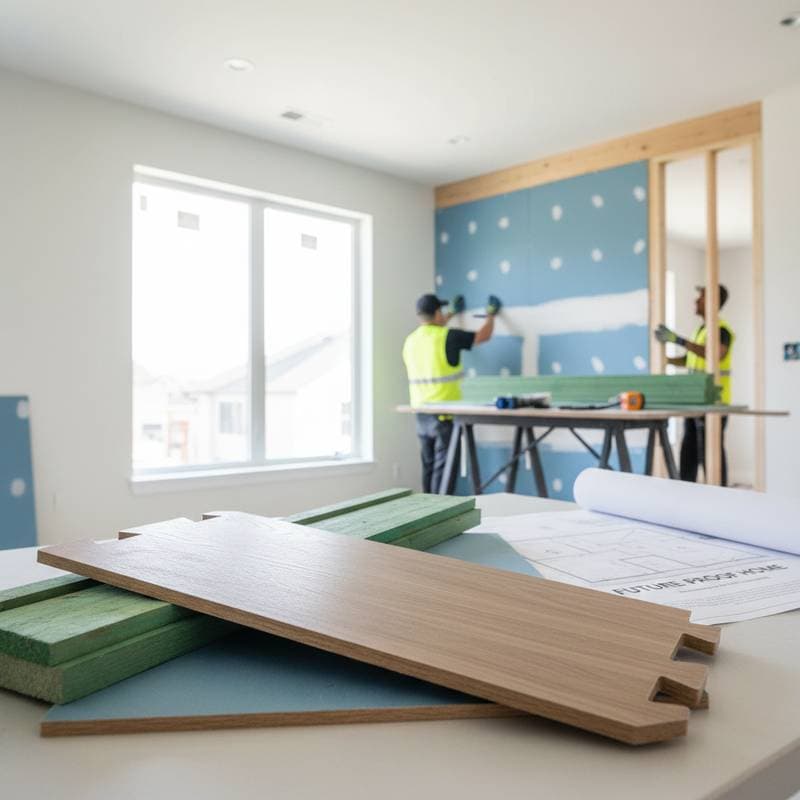
- Mold-resistant drywall: Priced at $15 to $25 per sheet, this option features fiberglass reinforcement rather than paper surfaces, depriving mold of essential nutrients.
- Moisture-resistant insulation: Options like closed-cell spray foam or rigid foam boards range from $1.50 to $3.50 per square foot and form vapor-tight seals to control humidity.
- Treated lumber: Borate or pressure-treated wood resists rot and fungi, increasing framing expenses by about 10 percent while prolonging structural integrity.
- Waterproof flooring: Choices including vinyl planks, porcelain tiles, or sealed concrete cost $3 to $10 per square foot when installed and withstand submersion without degradation.
- Mold-resistant paints and primers: Formulated with antimicrobial agents, these products last up to 10 years and cost $50 to $80 per gallon.
Integrating these elements establishes a comprehensive barrier that maintains your home's condition over time.
Decision Guide: Handling Tasks Yourself or Hiring Experts
Certain upgrades suit capable homeowners, but others demand professional skills to comply with regulations and ensure safety.
Suitable for DIY
- Mold-resistant paint application: Requires basic preparation and coating techniques.
- Vinyl flooring installation: Leverages interlocking systems for straightforward placement.
- Treated wood trim replacement: Involves standard woodworking practices.
Require Professional Expertise
- Spray foam insulation: Demands dedicated tools and safety protocols.
- Drywall installation and taping: Adheres to fire and structural mandates.
- Framing or foundational work: Calls for certified specialists.
Overlooking details like seam sealing during drywall work can invite moisture traps. Engage experts for projects involving load-bearing elements or airtight systems. Obtain estimates from at least three qualified contractors to inform your choices.
Incorporating Design Without Compromise
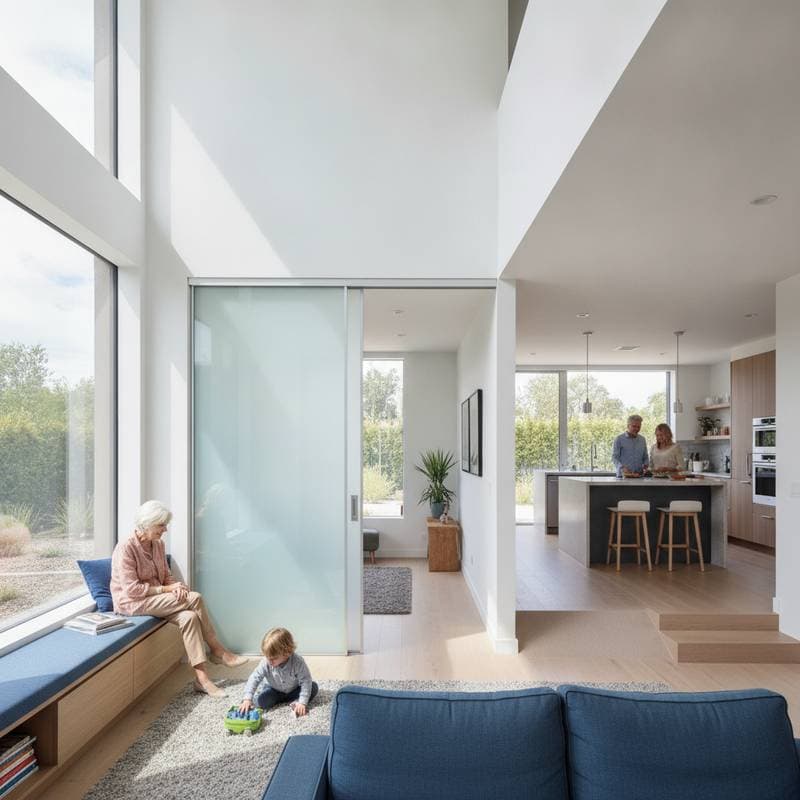
Concerns about aesthetic limitations with functional materials are outdated. Contemporary options deliver both utility and visual appeal.
- Drywall: Specialized panels accept standard texturing and coloring.
- Flooring: Moisture-proof surfaces replicate natural wood grains or stone patterns.
- Paints: Antimicrobial formulas offer various sheens from flat to high-gloss.
Achieve resilience alongside elegance. For instance, waterproof vinyl can emulate aged timber while enduring water events, providing both form and function.
Compliance and Safety Essentials
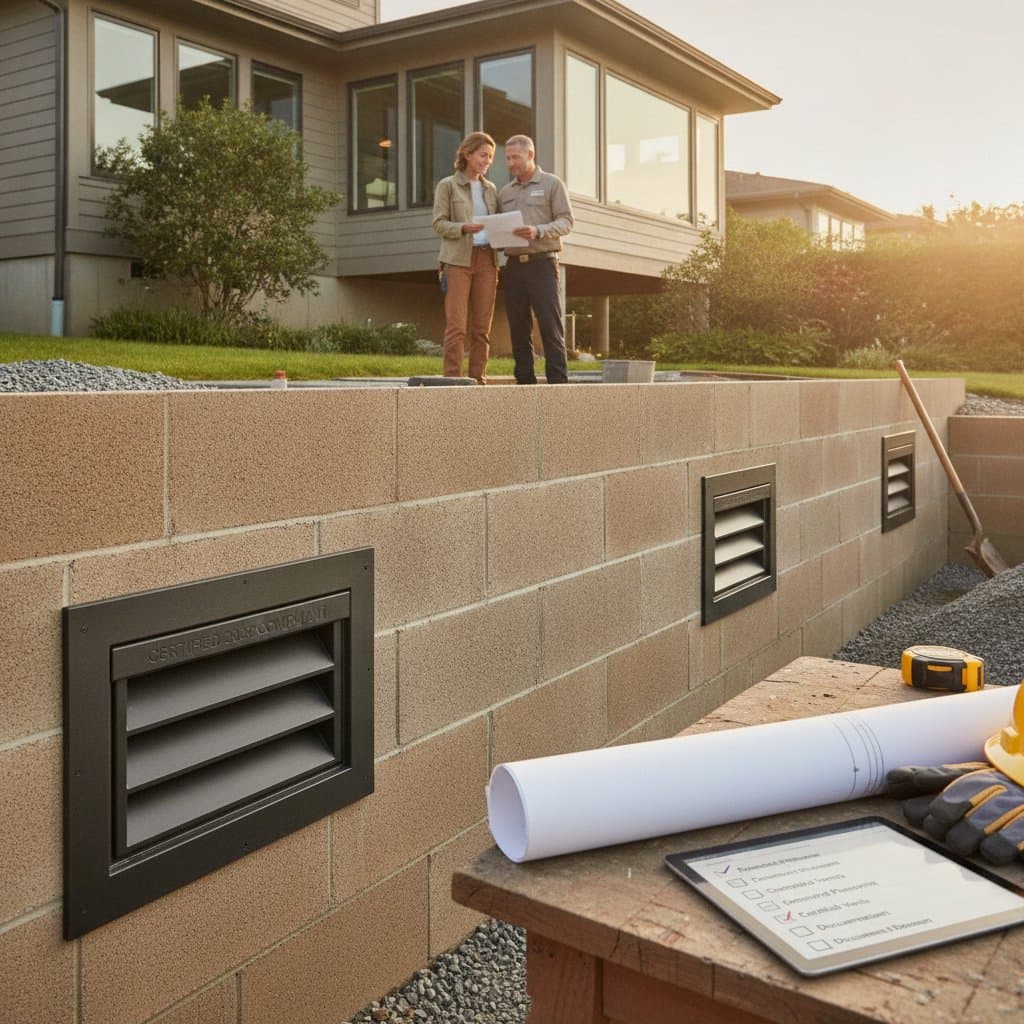
Verify that selections align with local codes, particularly for insulation and structural components. These often overlap with fire prevention and stability standards. Closed-cell foam, for example, requires a protective covering like gypsum to satisfy ignition regulations.
Prioritize holistic moisture control over isolated fixes. Insist on complete systems including ventilation, barriers, and sealed joints. Reject proposals that omit these safeguards, as they undermine overall effectiveness.
Steps to Implement Resilient Upgrades
Recovery from water damage presents a chance to fortify your property. Mold-resistant materials elevate repairs into proactive enhancements that preserve well-being, equity, and tranquility.
Value Assessment
- Upfront Cost: 10 to 15 percent more than conventional alternatives
- Ongoing Savings: Up to $3,000 from prevented cleanups
- Market Boost: 5 to 10 percent increase in vulnerable areas
- Efficiency Improvement: 10 to 20 percent via superior sealing
Consult contractors experienced in moisture management. Review proposals for alignment with your priorities and standards. This approach not only restores but strengthens your home against future threats, securing lasting benefits.