Key Takeaways
- Smart leak detectors identify hidden leaks at their onset, potentially saving homeowners thousands in repair expenses.
- Numerous models deliver immediate smartphone notifications, connect with home automation ecosystems, and include automatic water shutoff capabilities.
- Setup requires minimal effort, and ongoing maintenance remains low, positioning these devices as one of the most straightforward smart home enhancements for genuine safeguarding.
Understanding Smart Leak Detectors
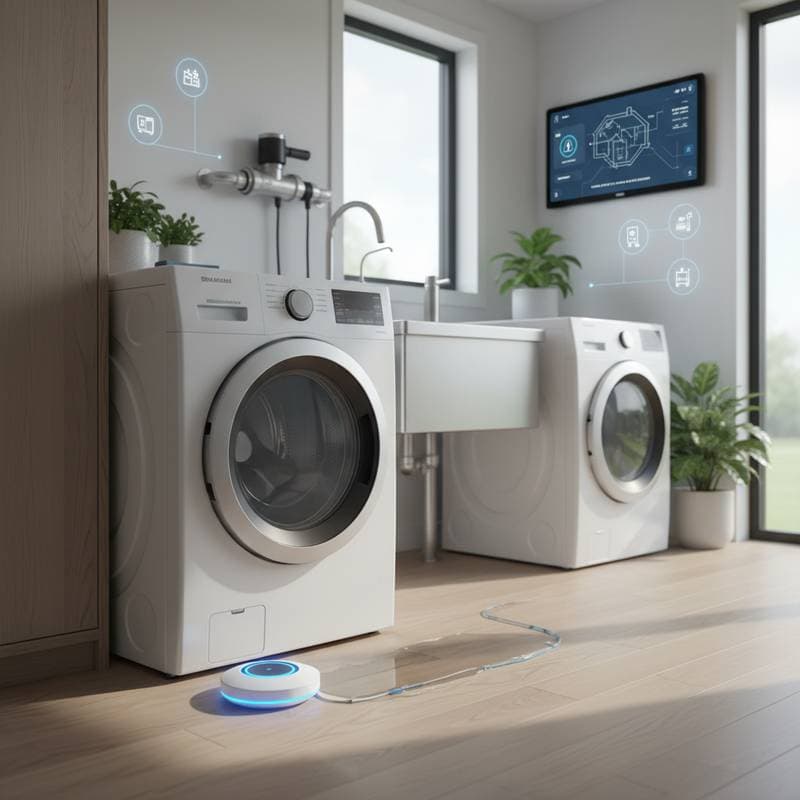
Smart leak detectors function as vigilant sentinels within your home, identifying water presence in unauthorized locations. These compact units vary in design: some resemble small pucks that adhere to floors or walls, while others attach directly to primary water lines to track flow rates and anomalies.
The technology relies on precise sensors that respond to environmental changes. For instance, moisture sensors activate upon contact with liquid, triggering alerts before significant pooling occurs. Temperature sensors monitor pipe conditions, issuing warnings as temperatures drop toward freezing points, which could lead to bursts. In advanced setups, integrated valves respond to detections by halting the water supply, limiting damage to mere drips rather than floods.
Connectivity forms the core of their intelligence. Through Wi-Fi or Bluetooth, these devices communicate with dedicated apps or compatible hubs, dispatching real-time notifications to your phone. Integration with platforms like smart assistants allows voice-activated status checks or automated responses, such as activating dehumidifiers in humid areas. Battery life often extends two to five years, depending on usage and model, ensuring reliable operation without frequent intervention.
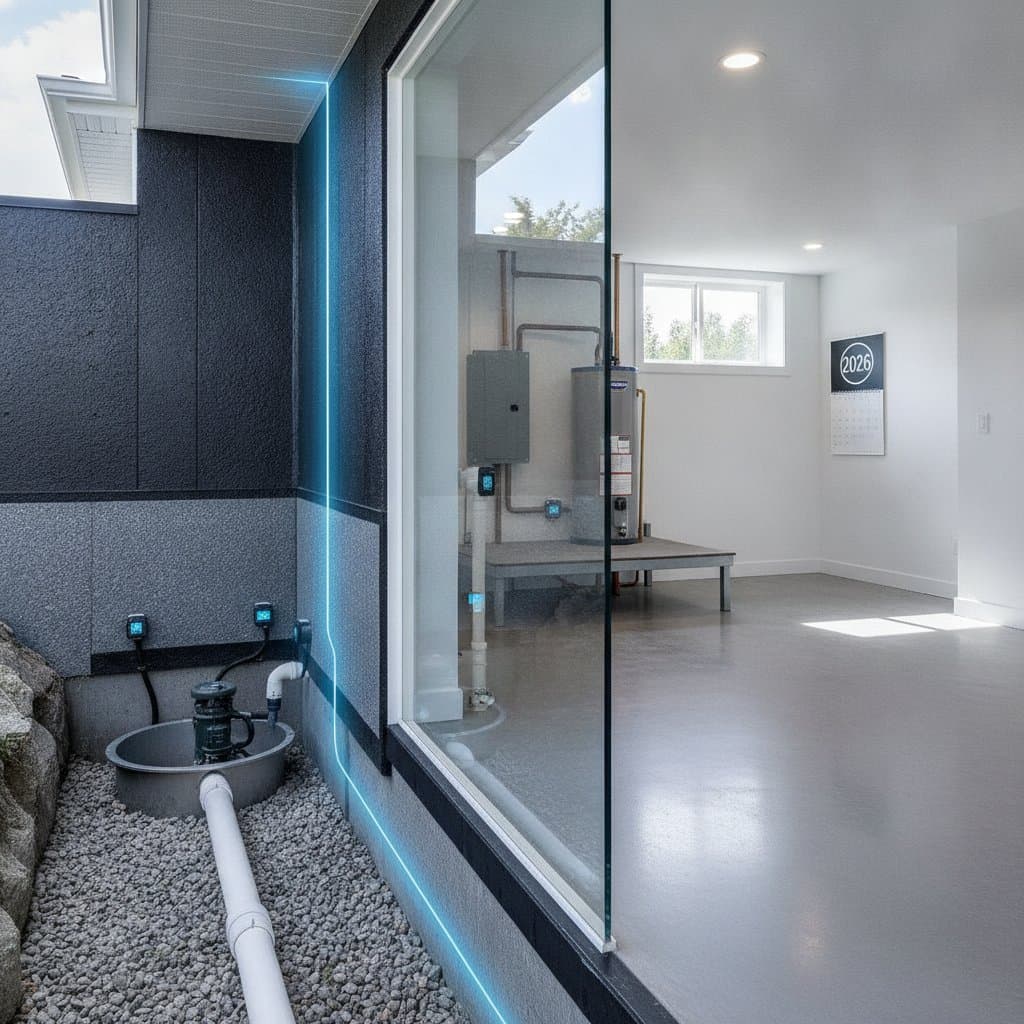
Strategic placement maximizes effectiveness. Position sensors near high-risk areas: beneath kitchen sinks where pipe joints may loosen over time, adjacent to washing machines prone to hose failures, or in basements susceptible to groundwater seepage. In bathrooms, place them behind toilets to catch subtle overflows from faulty flappers. Covering these zones creates a comprehensive network that operates silently, providing peace of mind around the clock.
Pricing and Value of Smart Leak Detectors
Smart leak detectors range in price from $30 to $150 per unit, influenced by functionality and coverage scope. Entry-level options focus on core detection, while premium systems incorporate advanced automation for broader protection.
Basic models emphasize affordability and simplicity. They detect moisture and temperature shifts, sending alerts via an app without additional hardware. These suit targeted monitoring in specific rooms, offering substantial value for the cost.
Mid-range detectors expand capabilities with enhanced tracking. Features like humidity logging and customizable alert thresholds provide deeper insights into moisture patterns, helping identify slow leaks that might otherwise go unnoticed for months.
Premium units stand out with automatic shutoff mechanisms. These often include inline valves installed on the main water line, capable of isolating the supply across the entire home. Full integration with smart ecosystems adds layers of control, such as linking to weather apps for preemptive freezing alerts.| Type| Key Features| Cost Range| Typical Applications|
|-------------------|---------------------------------------|--------------|--------------------------------------|
| Basic Sensors| Moisture and temperature detection, app alerts | $30–$60| Under sinks, near appliances|
| Mid-Range| Humidity monitoring, customizable notifications | $60–$100| Laundry areas, basements|
| Premium with Shutoff | Automatic valve control, ecosystem integration | $100–$150+| Main water lines, whole-home systems |
Multi-unit kits frequently appear at reduced rates, allowing coverage of multiple areas without proportional expense increases. Consider the long-term savings: a single undetected leak can escalate to $10,000 in repairs, including flooring replacement, wall reconstruction, and mold remediation. This upfront cost pales in comparison to such potential losses, making smart detectors a prudent investment for any homeowner.
Advantages and Limitations
Smart leak detectors offer compelling benefits alongside a few considerations, providing a clear picture for decision-making.
Among the advantages, rapid detection stands paramount. Alerts arrive within seconds of an issue, enabling swift action to mitigate damage. This proactive approach not only curbs immediate water loss but also prevents secondary problems like mold growth, which thrives in damp environments and poses health risks. Structural integrity benefits as well, as early intervention avoids warping in wood frames or corrosion in metal components.
Seamless integration enhances usability. These devices sync with existing smart home setups, allowing centralized control through a single app or voice command. Installation proves user-friendly: most require only adhesive backing or simple valve fittings, completable in under an hour without professional tools. Portability adds flexibility; sensors can relocate as home layouts change.
Limitations exist, primarily tied to connectivity. Smart features depend on stable Wi-Fi or a central hub, so signal dead zones may delay alerts. Battery replacement occurs every few years, a minor task but one that requires scheduling. Higher-end models demand greater initial outlay, though their comprehensive protection often justifies the expense.
For households with established smart devices, such as thermostats or cameras, leak detectors integrate effortlessly, expanding the network without overhauling infrastructure. Evaluate your home's layout and tech readiness to select the optimal configuration.
Integration with Modern Home Technologies
Contemporary homeowners prioritize preventive measures over crisis response, and smart leak detectors align seamlessly with this shift. They complement energy-efficient systems by monitoring for inefficiencies like dripping faucets that waste water and inflate utility bills. Pairing with smart thermostats enables coordinated responses, such as adjusting heating to prevent pipe freezes during cold snaps.
Voice-controlled ecosystems amplify convenience. Query your assistant for leak status updates or receive spoken warnings during routines. Lighting systems can activate in affected areas for quick visual inspections, streamlining troubleshooting.
Aesthetically, these devices prioritize discretion. Their sleek, neutral designs mount flush against walls or hide in cabinets, preserving clean lines in minimalist or traditional interiors. This unobtrusive presence ensures technology enhances rather than detracts from living spaces.
As homes evolve into interconnected hubs, leak detectors contribute to holistic protection. They safeguard not only against water threats but also support sustainable practices by conserving resources through early anomaly detection.
Steps to Implement Smart Leak Protection
Begin by assessing your home's vulnerabilities. Map out areas with plumbing fixtures, appliances, and exposure to temperature extremes. Select detectors based on these needs, opting for basic units in low-risk spots and advanced ones for critical lines.
Installation follows a straightforward process. For sensor pucks, clean surfaces and apply adhesive; test connectivity immediately. Valve systems may require cutting into pipes, so consult manufacturer guides or hire a plumber for precision.
Once active, customize settings via the app. Set sensitivity levels to avoid false alarms from condensation, and link to your smart network for expanded functionality. Regular checks, including battery swaps, maintain peak performance.
This setup delivers enduring security, transforming potential disasters into manageable incidents. Your home remains resilient, preserving both its value and your tranquility.