Smart Sensors Prevent Water Damage and Insurance Hikes
A single hidden leak can destroy drywall, warp floors, and trigger costly insurance claims. Water damage ranks among the most common reasons homeowners file insurance claims. Repeated incidents can raise premiums for years. Smart water sensors provide early detection to protect property and control insurance costs.
Benefits of Smart Sensor Installation
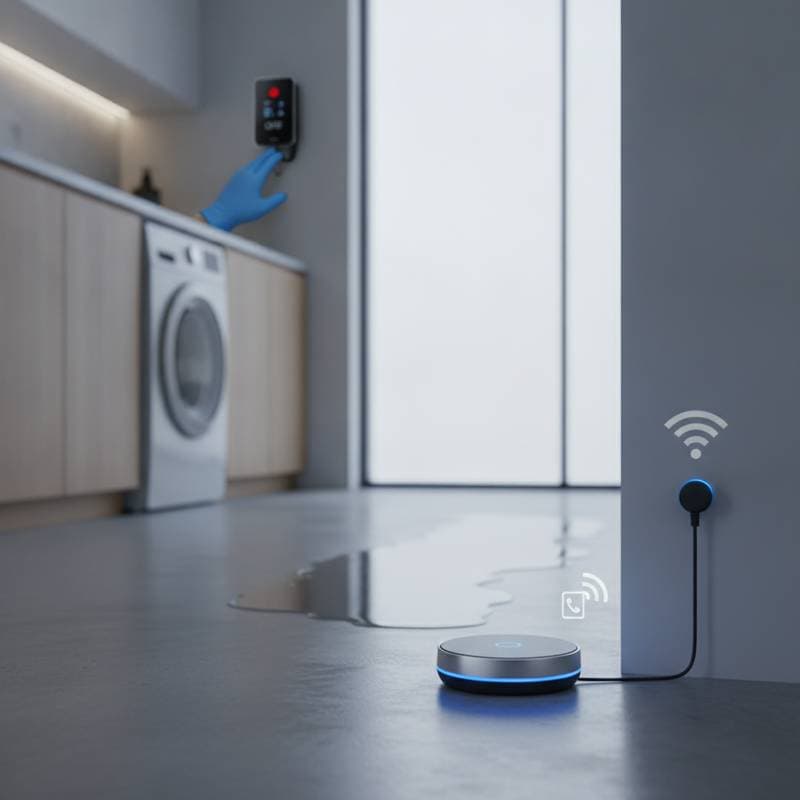
Pipes, hoses, and appliances see daily use. Even a minor failure can waste hundreds of gallons of water within hours. A smart water sensor monitors key areas such as under sinks, near water heaters, and behind washing machines. Moisture detection triggers instant alerts to a phone or smart home hub. This response allows the water supply to be shut off before damage spreads.
A typical home repair after a major leak costs between $3,000 and $8,000. Costs vary with flooring type, wall materials, and mold remediation needs. A full setup of ten high-quality sensors with a Wi-Fi hub costs $800 to $1,200. This investment delivers continuous protection for years. Many insurers offer 5 percent to 10 percent discounts on premiums when leak detection systems are installed and registered.
Cost Breakdown by System Type
| System Type | Typical Cost | Coverage Area | Installation Complexity |
|---|---|---|---|
| Basic standalone sensors | $30 - $60 each | Small, localized areas | Easy DIY |
| Wi-Fi hub-based systems | $300 - $800 | Whole home monitoring | Partial DIY |
| Smart shutoff valve with sensors | $900 - $1,200 | Whole home with automatic shutoff | Professional required |
Basic sensors detect leaks but do not stop them. Systems with a shutoff valve automatically close the main water line within seconds of detection. This feature reduces loss and insurance risk.
Factors That Influence Total Investment
Total cost depends on home size, the number of plumbing fixtures, and integration with existing smart devices. Homes with finished basements, multiple bathrooms, or older plumbing benefit most from comprehensive systems. Professional installation adds $150 to $400. This step ensures the main shutoff valve and sensors are correctly paired and tested.
Regional labor rates also affect the budget. Higher costs appear in urban markets with stricter building codes. Some cities require licensed plumbers for any valve connection to the main supply line.
DIY Installation Versus Professional Help
Choose DIY installation for battery-powered sensors placed under sinks, near toilets, or behind appliances. These units take less than an hour to position and connect through a mobile app.
Hire a professional when adding a smart shutoff valve or integrating sensors into an existing home automation platform. Valve installation involves cutting and reconnecting the main water line. Incorrect work can void warranties or violate codes. A plumber will pressure-test the connection and confirm that wireless triggers respond instantly.
Strategies to Reduce Expenses
- Buy sensors in multipacks. Many brands discount bundles of five or more units, saving up to 20 percent.
- Install during other plumbing work. Ask the plumber to add the valve while the system is open during water heater replacement or kitchen remodeling.
- Check insurance incentives. Some carriers reimburse part of the cost once proof of installation is provided.
- Use smart home integrations. Connect sensors to a thermostat or security system for combined alerts and reduced energy waste.
Obtain three free quotes from local contractors before installing a main shutoff valve. Each bid must include testing, app setup, and code compliance.
Indicators That Protection Is Needed Immediately
- Water stains appear on ceilings or baseboards.
- The water heater or washing machine is more than ten years old.
- Water pressure fluctuates.
- Floors feel soft near sinks or tubs.
These signs suggest hidden leaks that could already damage structural materials. Sensor installation before failure occurs prevents large-scale repairs.
Ongoing Maintenance Practices
Test each sensor every six months by placing a damp cloth on the detector pad. Replace batteries annually or sooner if low-battery alerts appear. Clean dust from contacts to maintain accurate readings.
Steps to Secure Property and Budget
Smart water sensors deliver measurable protection. A $1,000 setup can prevent losses exceeding $5,000. It also reduces the likelihood of premium increases after a claim. Map the plumbing layout, identify high-risk zones, and schedule installation to avoid surprise leaks.