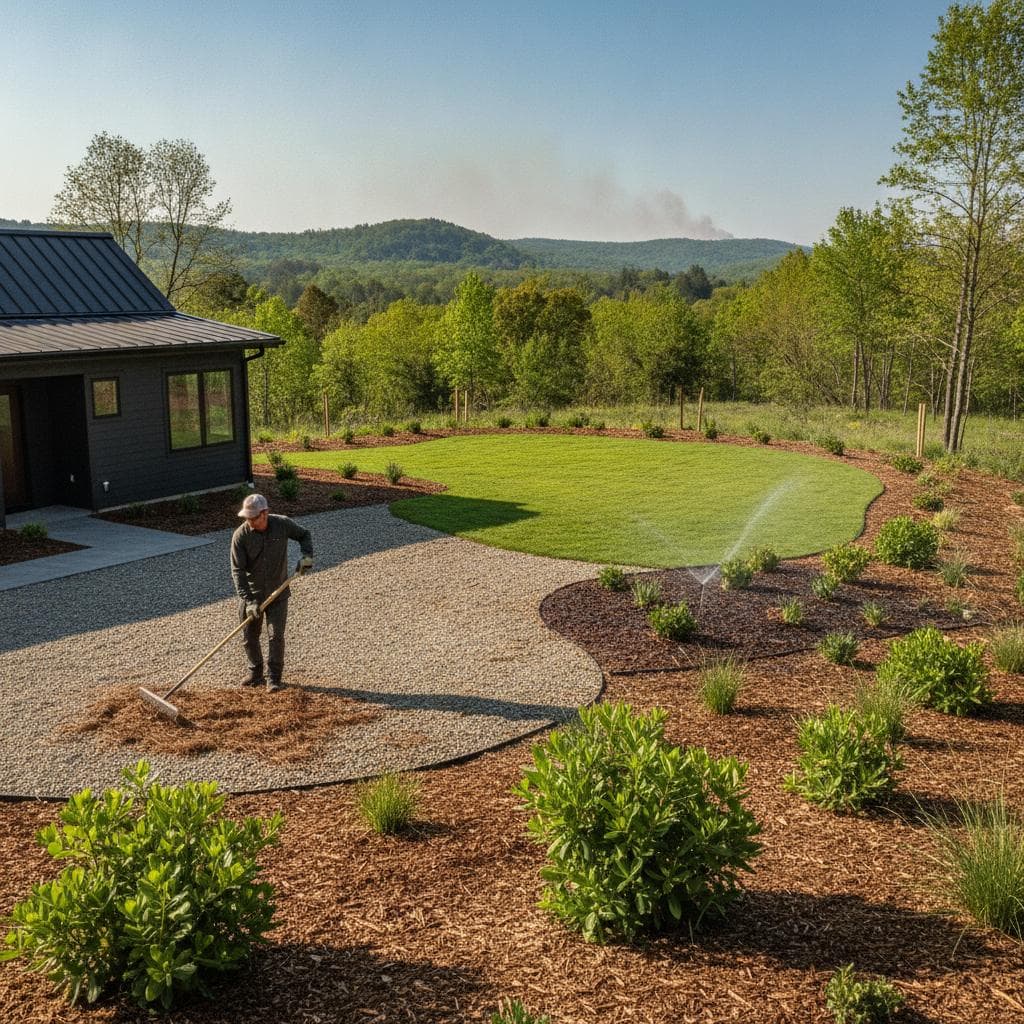
Why Spring Defensible Space Cuts Fire Risk in Half
Spring is the right season to create defensible space. This guide covers zone requirements, plant spacing, moisture control, and maintenance steps that reduce fire risk and support code compliance.

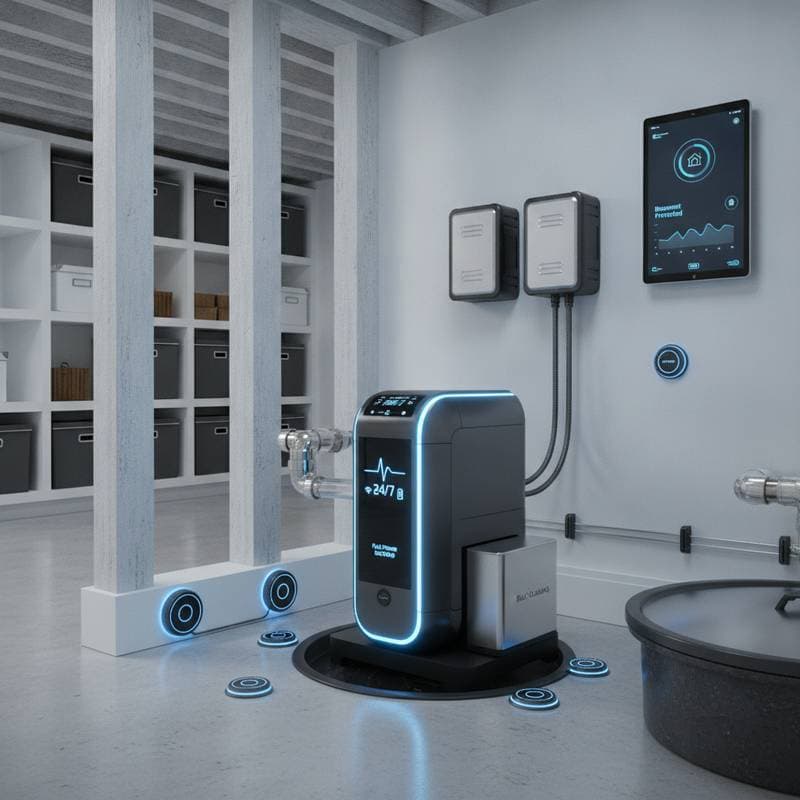
AI leak sensors combine moisture, flow, pressure, temperature, and acoustic data to detect unusual water activity before major damage occurs. From affordable point sensors to whole-home monitors with automatic shutoff, the right system depends on coverage, climate, plumbing, connectivity, and maintenance. Learn how smart detection can reduce repair costs, waste, and risk.
Explore our collection of prevention related content
Spring is the right season to create defensible space. This guide covers zone requirements, plant spacing, moisture control, and maintenance steps that reduce fire risk and support code compliance.
AI water leak sensors detect problems early, shut off water automatically, and prevent thousands in damage. These systems fit varied budgets while lowering insurance costs and supporting long term savings.
Starting in 2026, homeowners must meet new insurance rules that require flood-proof basements. These changes aim to reduce costly claims and protect property values. Learn what qualifies as flood proof, how much upgrades cost, which improvements insurers require, and why acting now can save thousands in future repairs and insurance issues.
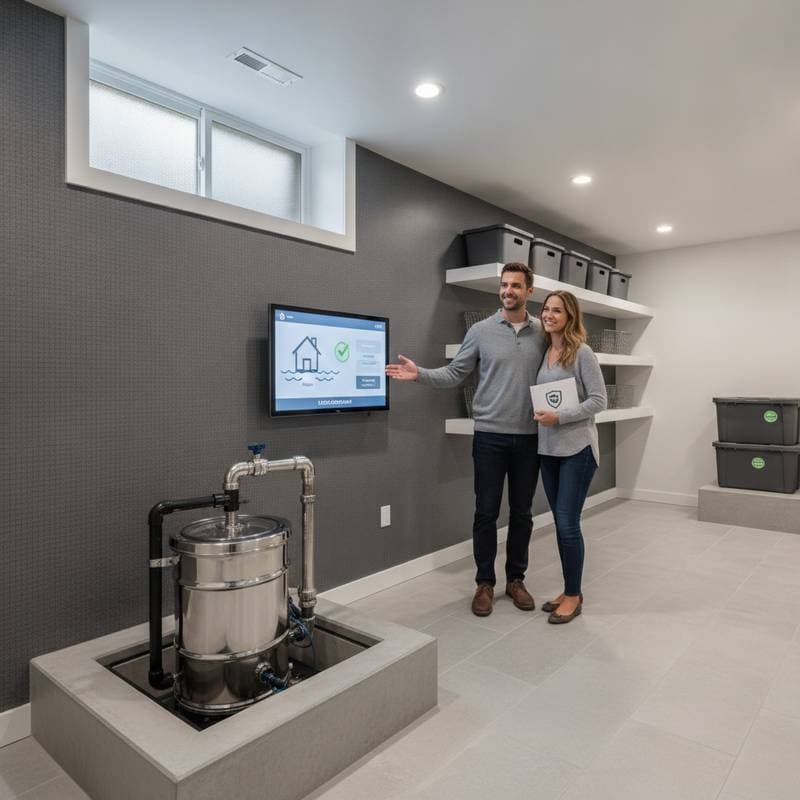
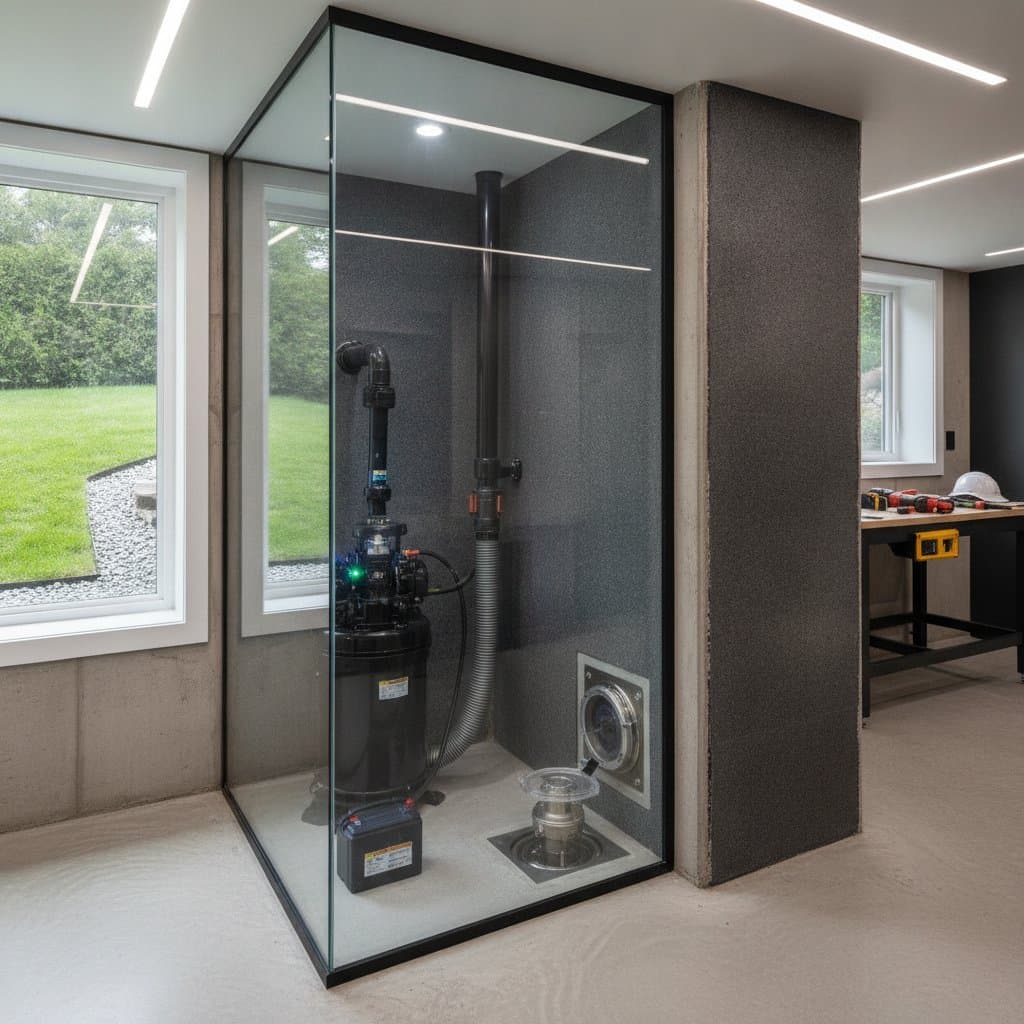
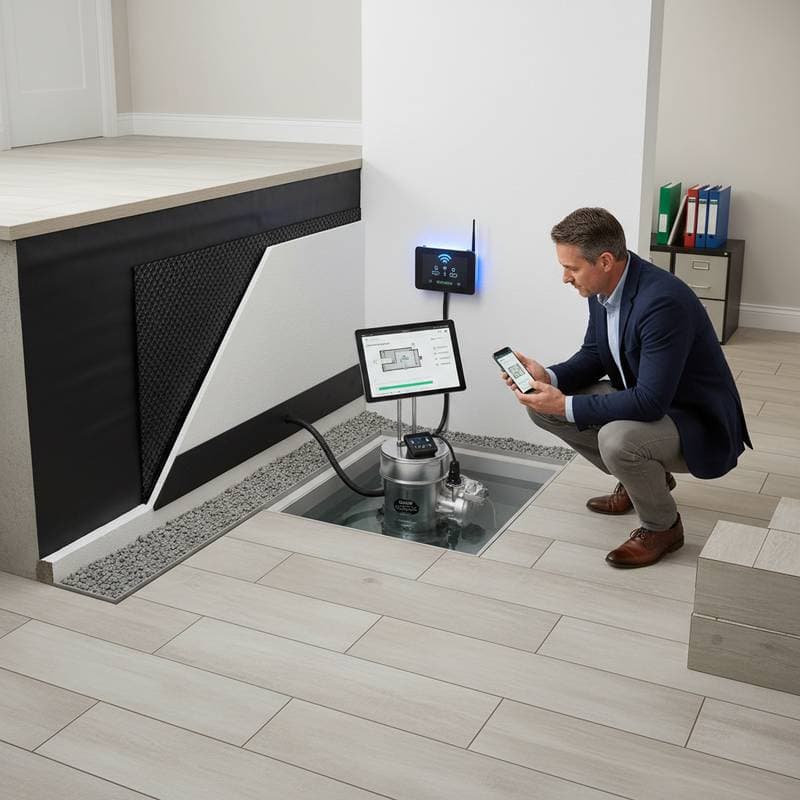
Learn how 2026 sump pump technology uses smart monitoring, efficient motors, and backup systems to keep basements dry. Review maintenance routines, cost tiers, and professional installation guidance for year-round flood resistance.
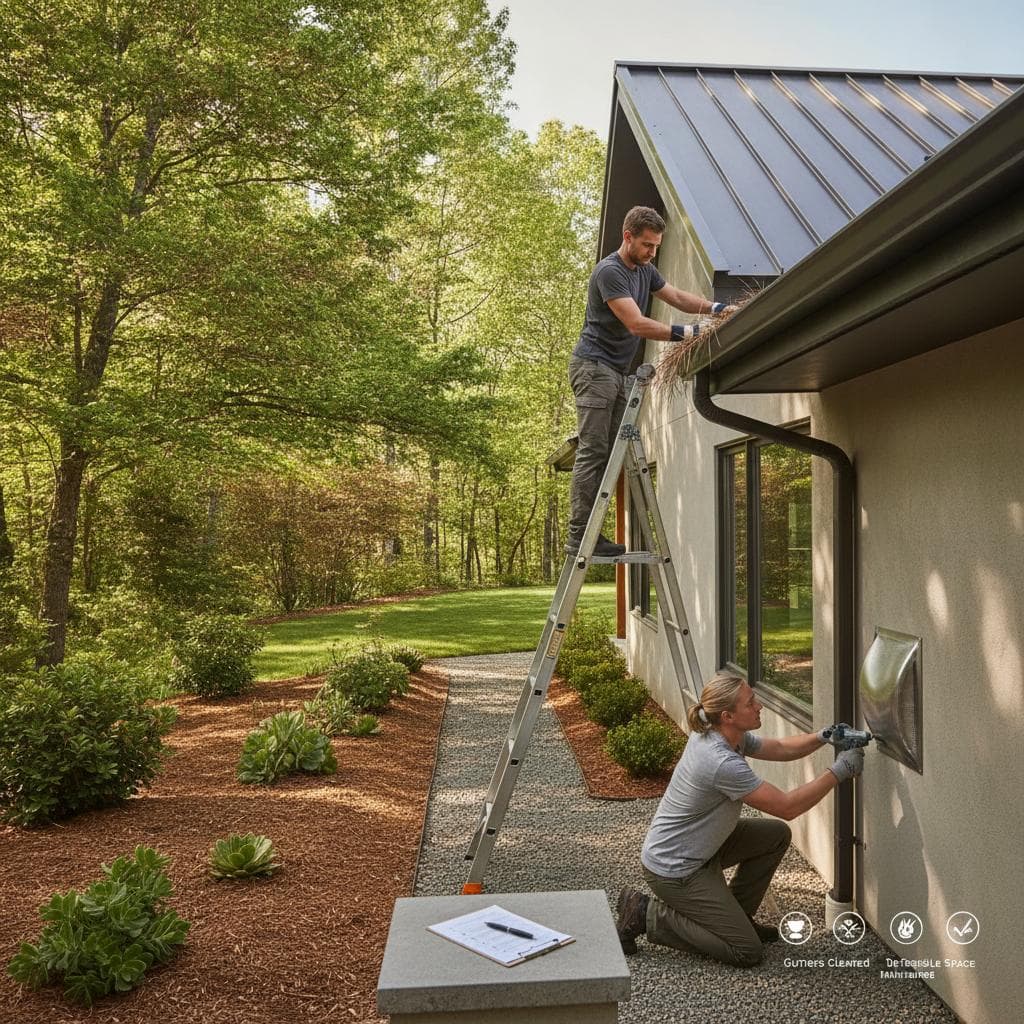
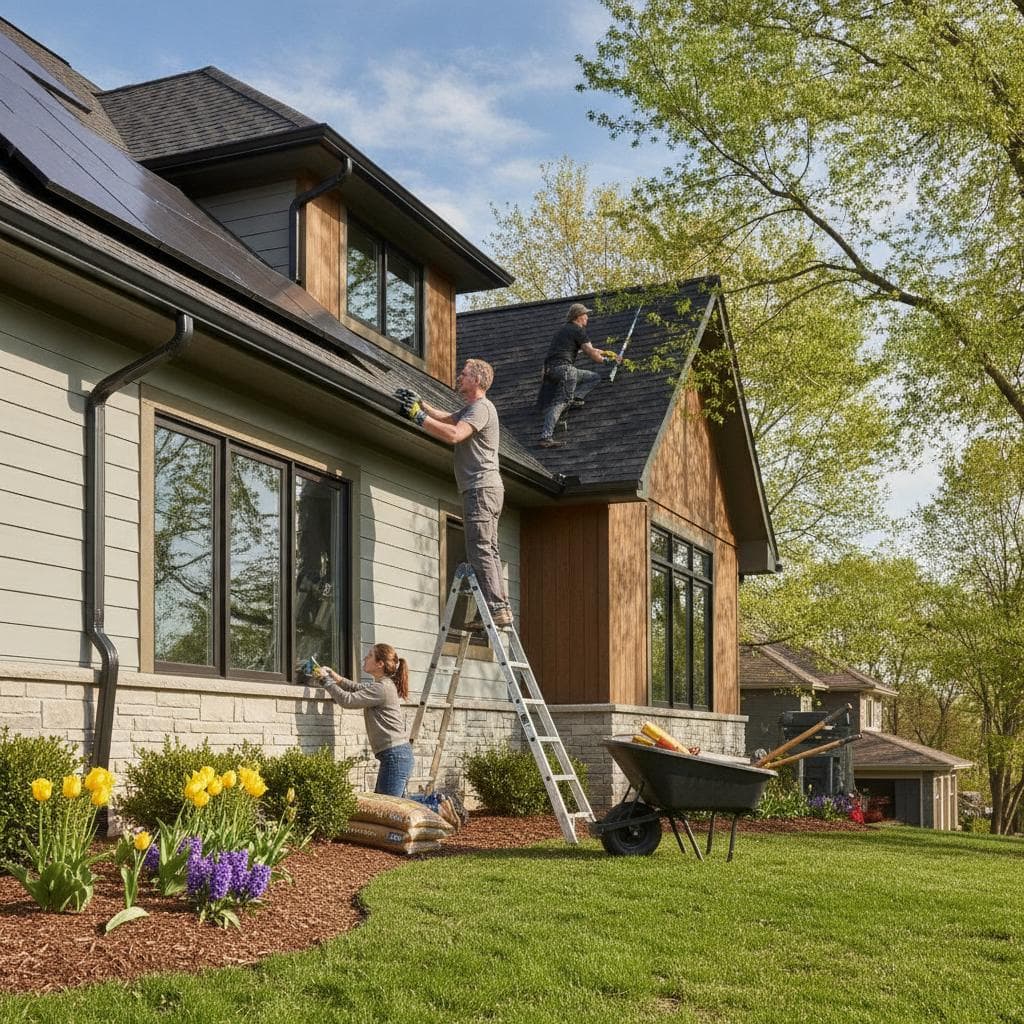
Spring maintenance offers a direct way to reduce wildfire ember risks. Cleaning debris, sealing vents, and managing vegetation around the home interrupt ignition pathways before flames arrive.
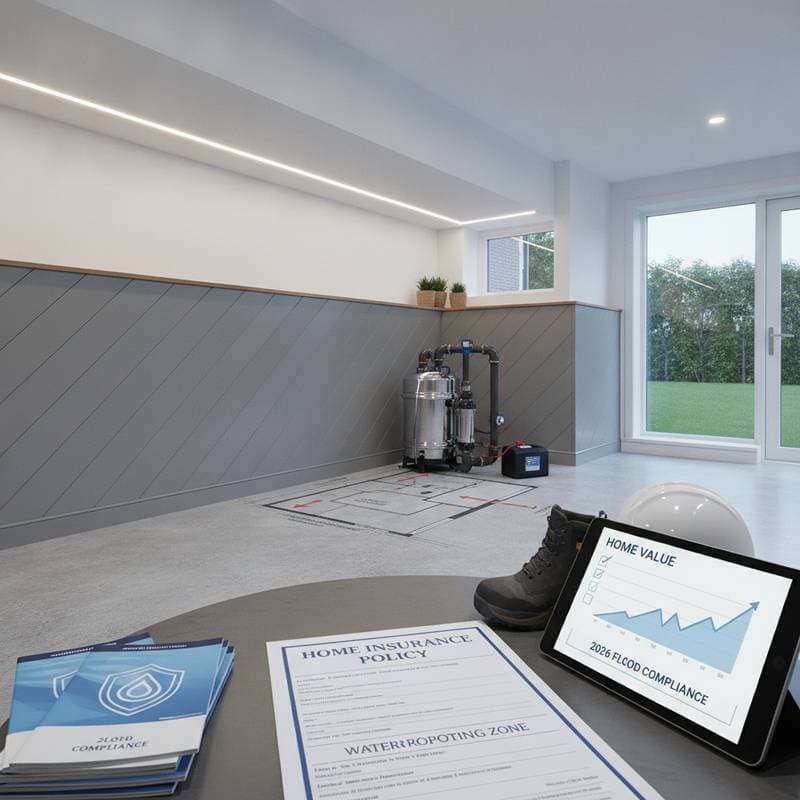
New 2026 insurance rules require documented flood protection performance. Homeowners who supply verified pump capacity, drainage data, and maintenance records gain eligibility for discounts while lowering actual flood risk.
Starting in 2026, homeowners in flood prone areas must upgrade basements to meet new flood proofing standards or risk losing insurance coverage. The article explains required systems, costs, compliance steps, and money saving tips to protect property and maintain coverage.
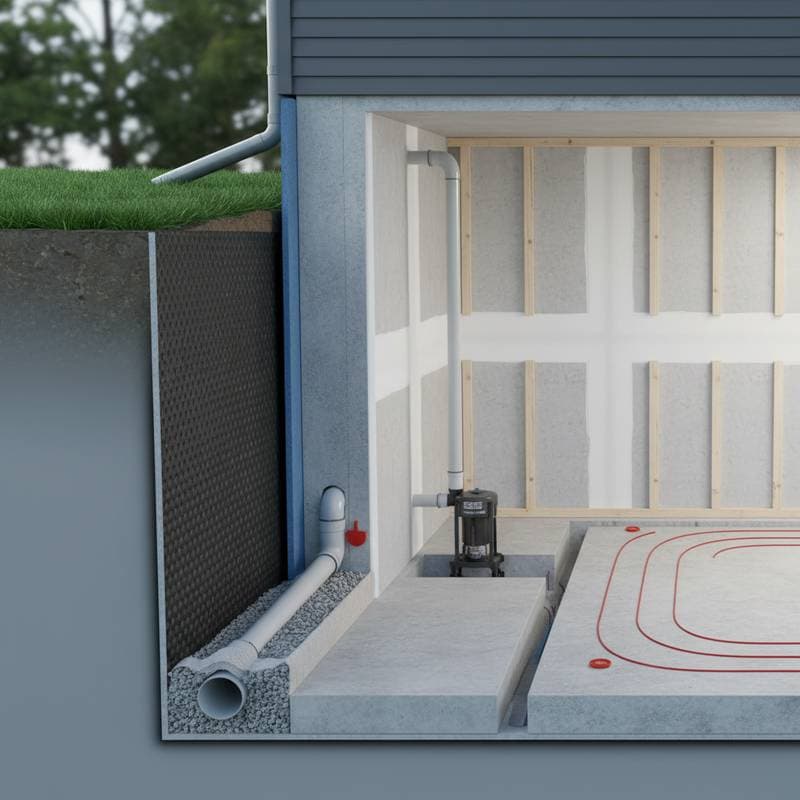
In 2026 flood proofing has become essential for basements. This guide details exterior membranes, drain tiles, sump systems, and grading upgrades along with costs, timing, and long term value.
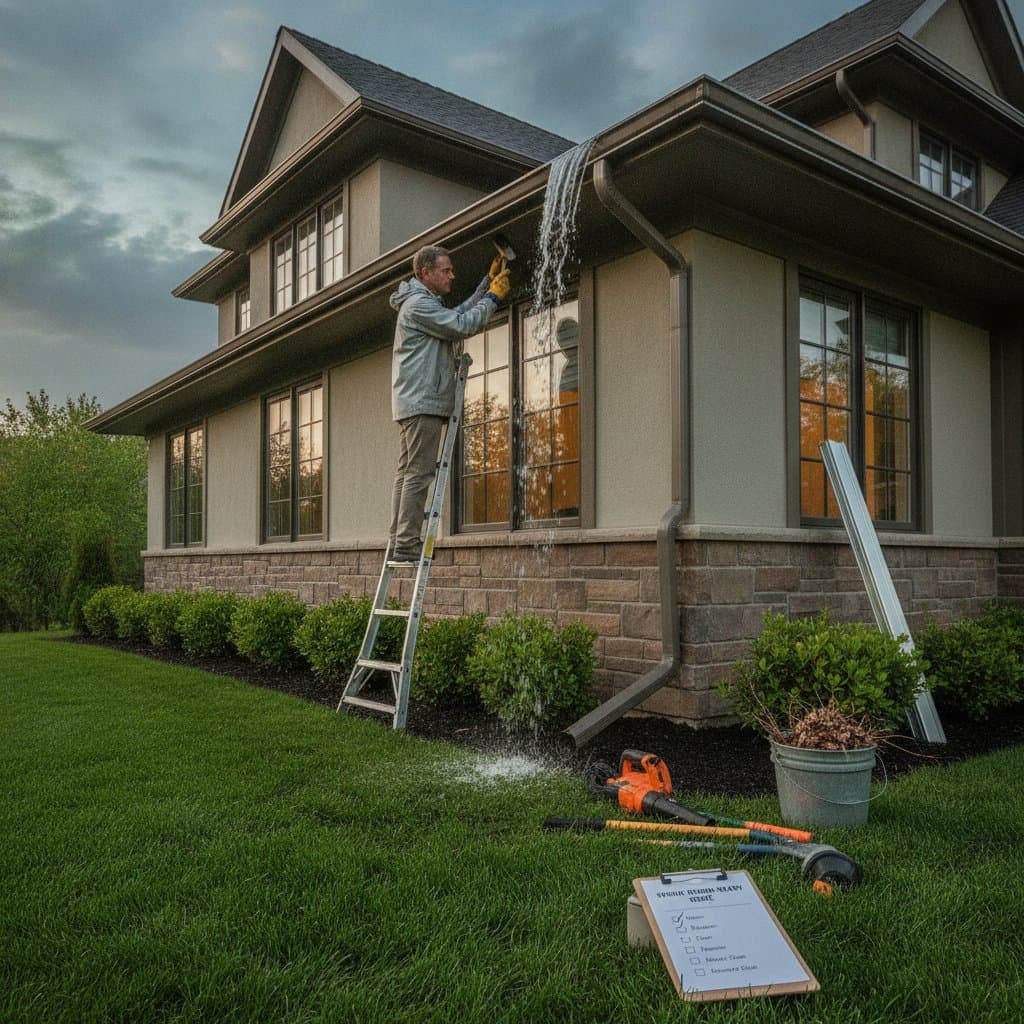
Spring storms expose weaknesses in neglected gutters that allow water to damage foundations and roofs. This guide covers inspection steps, effective cleaning methods, sizing requirements, material options, and drainage improvements that keep homes protected.
Spring debris creates stubborn gutter clogs that damage landscaping and foundations. Mesh, reverse curve, foam, and brush guards offer distinct performance levels. Review costs, installation choices, and seasonal care steps that keep systems flowing efficiently.
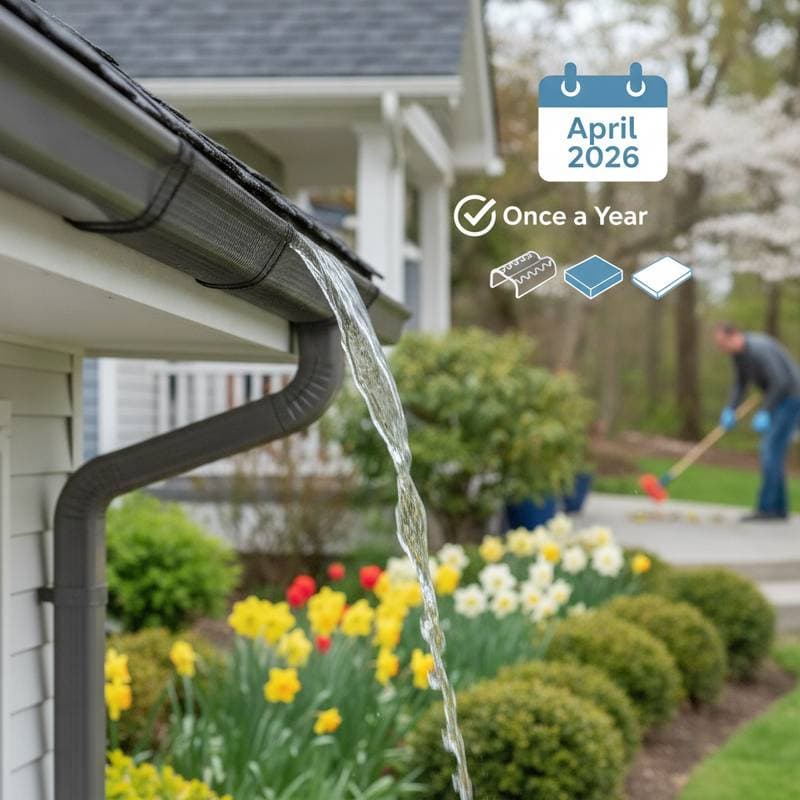
A focused spring maintenance checklist prevents storm damage, protects foundations and roofs, and helps homeowners avoid thousands in repair costs each year.
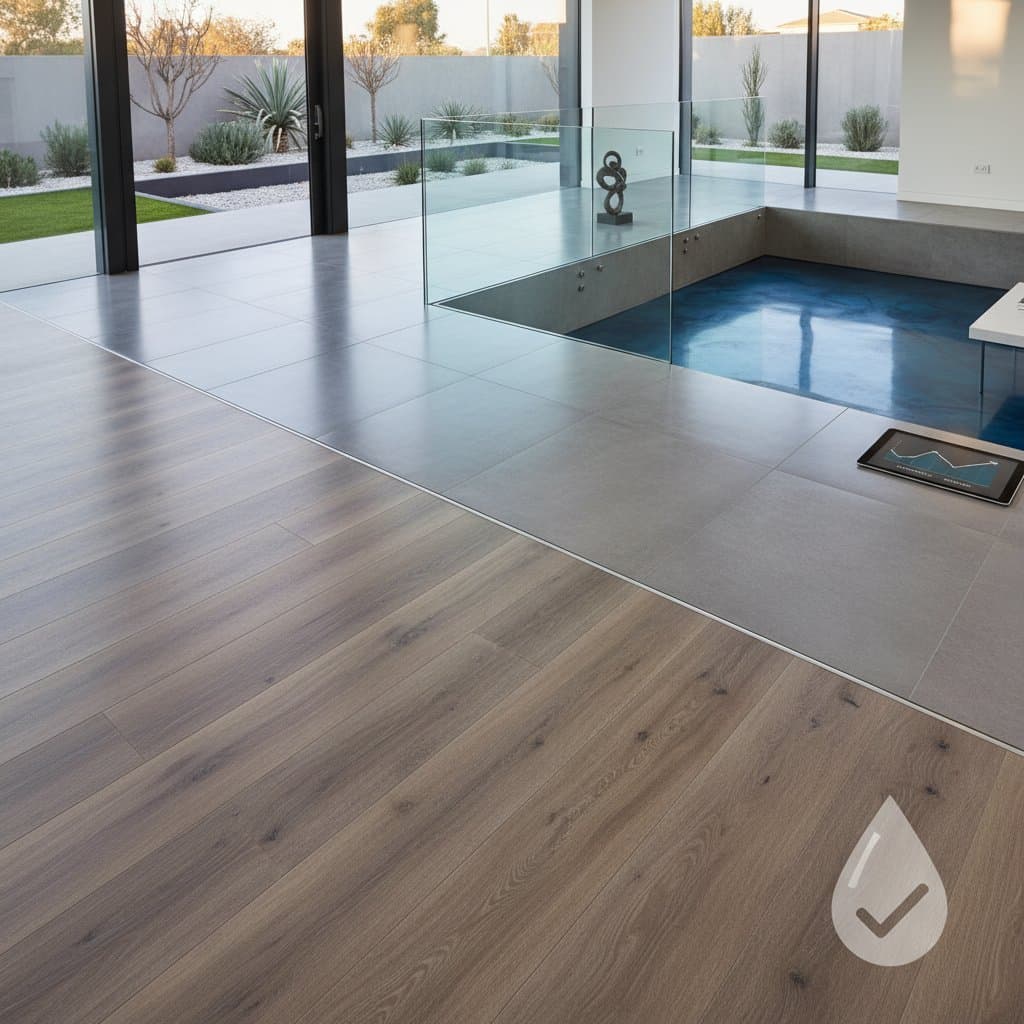
Protect your home and your wallet with flood-resistant flooring that withstands water damage and lowers insurance premiums. From vinyl and tile to sealed concrete and epoxy, these durable options reduce risk, add value, and offer peace of mind.
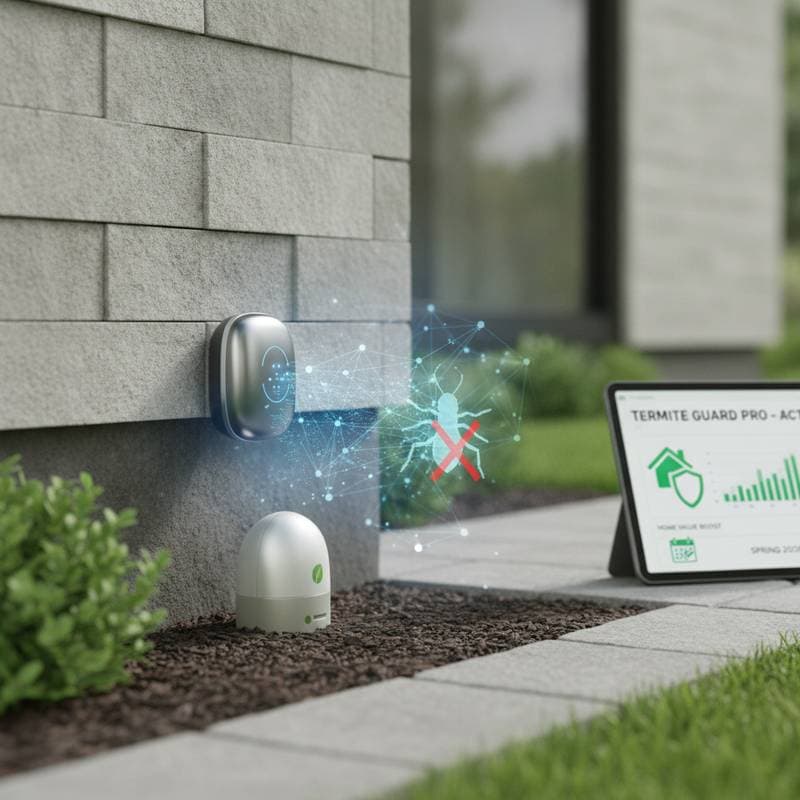
Spring 2026 introduces enhanced termite protection through sensor based monitoring, targeted chemical barriers, and sustainable bait systems. Homeowners detect threats at early stages, minimize chemical applications, and lower maintenance expenses with data driven approaches. These solutions protect structures, control expenses, and ensure year round safety.
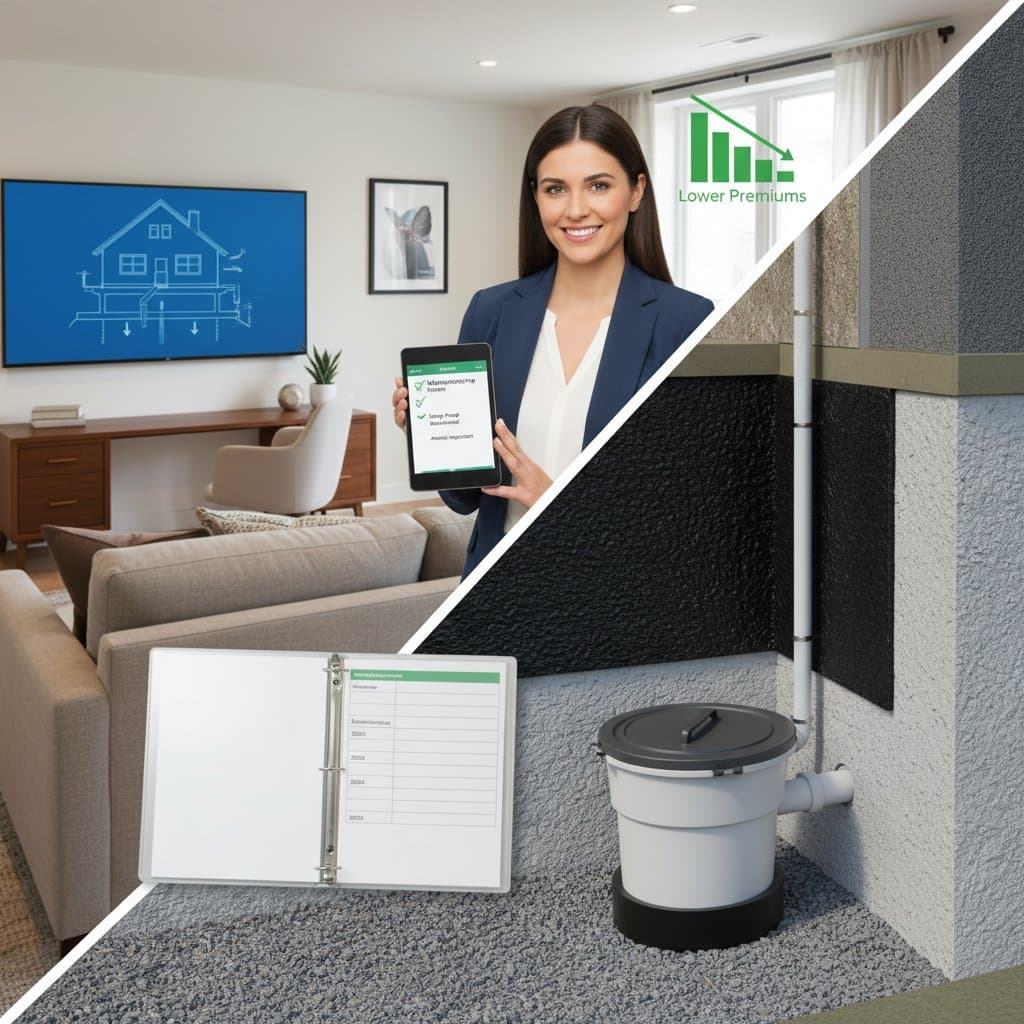
New 2026 insurance rules require documented prevention measures for basement flood coverage. Homeowners who complete inspections, waterproofing, and maintenance gain safer properties and potential premium reductions.
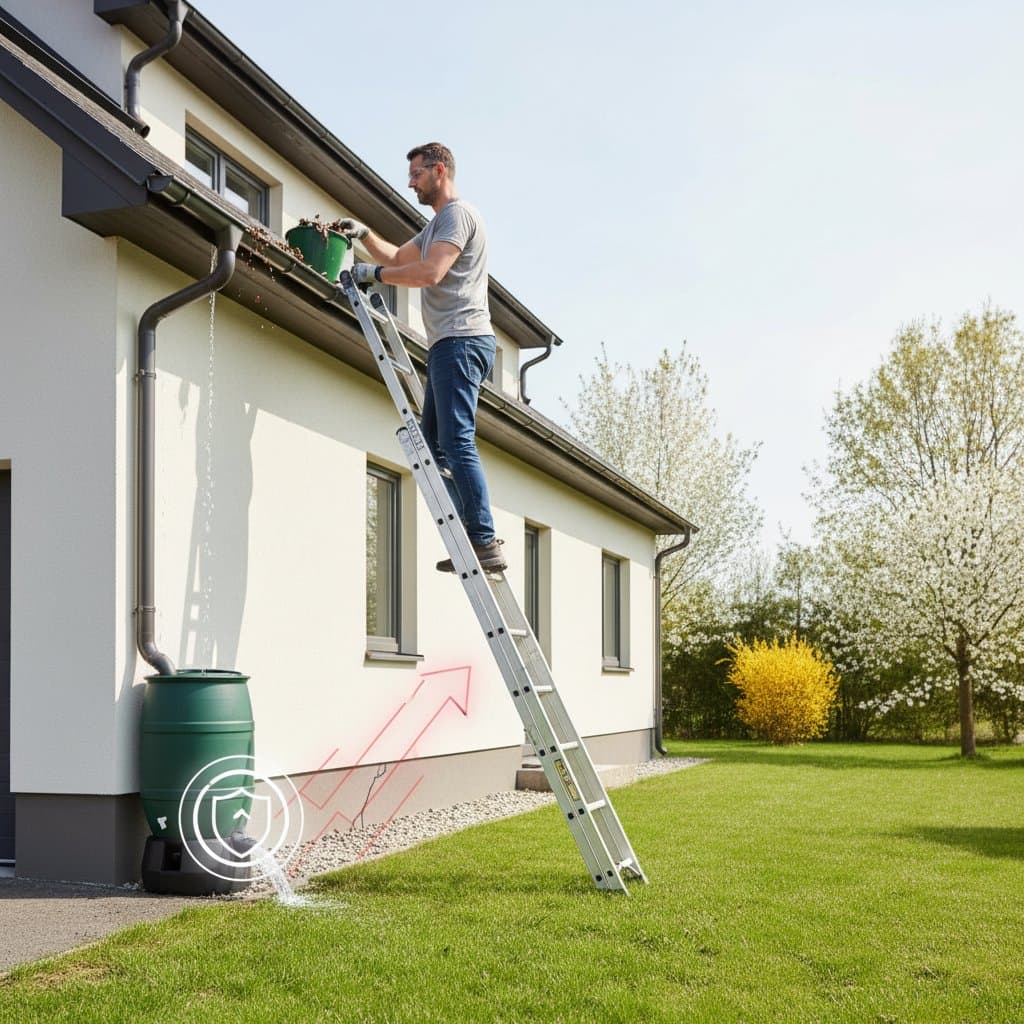
Shield your home from costly repairs through effective spring gutter cleaning. Explore cleaning expenses, DIY feasibility, professional benefits, and key indicators of trouble to maintain roof integrity, foundation stability, and overall home efficiency.
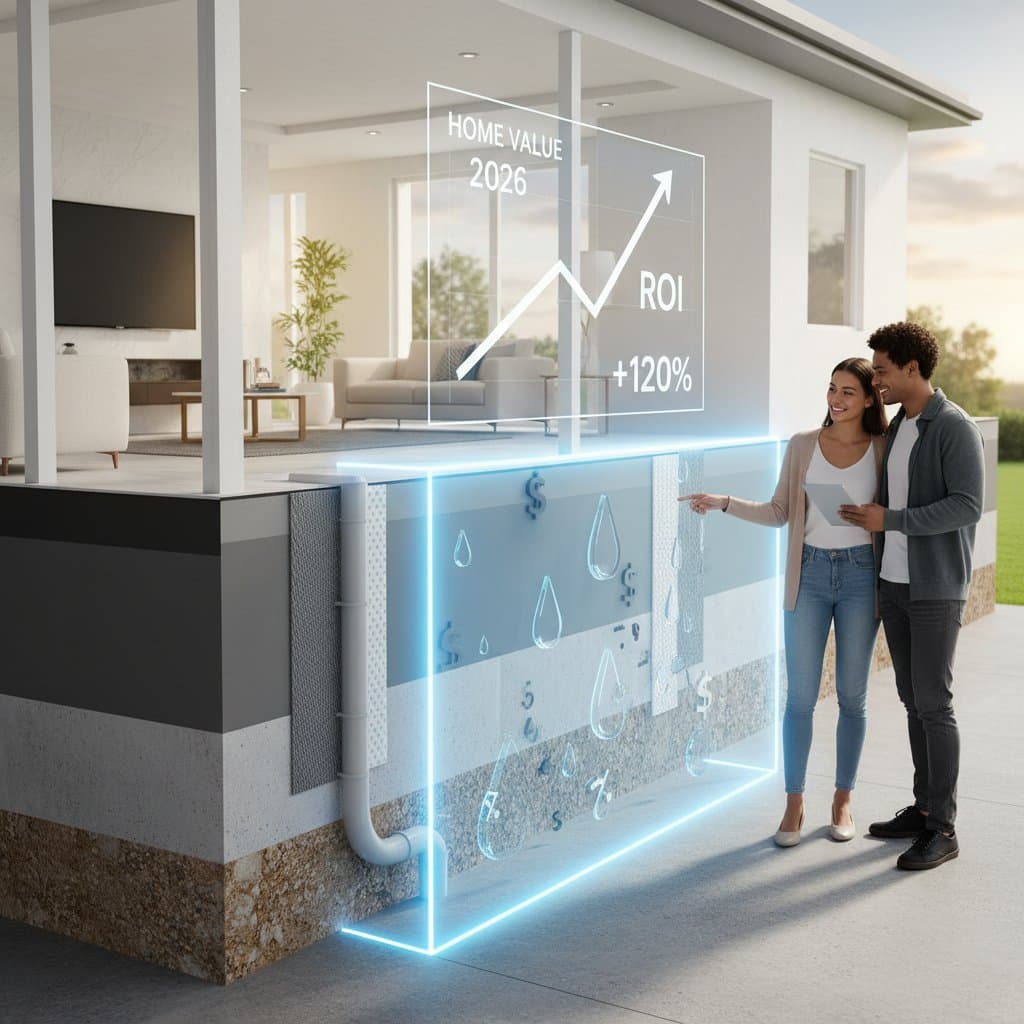
Waterproofing serves as both a shield and a smart investment. It prevents water damage that erodes foundations, cuts repair costs, and elevates resale value in the 2026 market. Options range from interior sealants to comprehensive drainage systems, all contributing to improved comfort, efficiency, and equity.
The 2026 flood-proofing regulations introduce stricter standards for basements, emphasizing comprehensive waterproofing through drainage, sump pumps, and monitoring systems. Homeowners benefit from documenting installations, selecting durable materials, and performing routine upkeep. Compliance enhances protection against damage, increases property worth, and ensures reliable insurance support.
Rising flood risks from climate change make 2026 basement waterproofing essential. Multi-layer retrofits with drainage, seals, and pumps cost $8,000–$25,000 but yield quick returns through damage prevention and energy savings. Discover tailored solutions for your region's challenges to safeguard your foundation long-term.
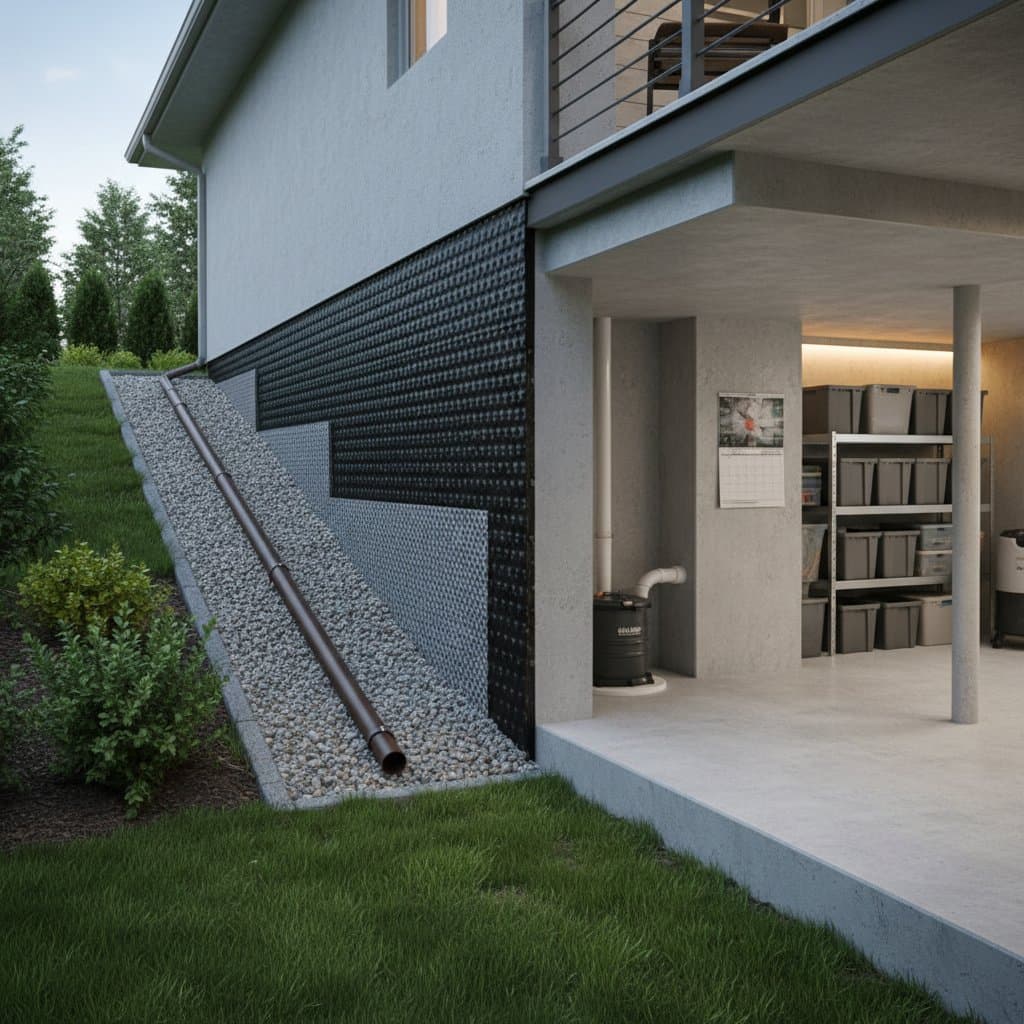
Intensifying rainfall and evolving weather patterns elevate basement flooding dangers for homeowners. This comprehensive guide details protective measures through precise grading, effective drainage, and comprehensive waterproofing solutions, both exterior and interior. Understand the value of a multi-layered defense, consistent maintenance, and prompt enhancements to avert substantial costs and preserve a dry, secure, and appreciating basement space.