Understanding the Upcoming FEMA Code Updates for Flood Vents and Wet-Proofing
When a home sits near water, the line between comfort and catastrophe can be thin. Many homeowners already know the anxiety that comes with heavy rain or rising tides. In the next round of FEMA code updates, flood vents and wet-proofing standards will tighten. These changes alter how both new builds and existing homes must handle water intrusion.
The goal is simple. Reduce flood damage. Preserve structural integrity. Protect investments. This guide walks through what those changes mean in practical terms. It covers materials and systems that meet compliance. It also explains how homeowners can prepare without overcomplicating the process.
Outdated Systems and Inconsistent Compliance
Many older codes treated flood vents as secondary protection. Builders often installed generic vents or left crawl spaces half-sealed. They assumed minimal exposure. In some cases, vents became blocked by insulation, soil, or debris. This made them useless when water rose.
Wet-proofing remained loosely defined. A range of interpretations left homes vulnerable. The result was a patchwork of compliance. Two houses on the same street could both claim to meet FEMA standards yet perform very differently under flood conditions. Water pressure built unevenly. Walls cracked. Floors lifted.
Flood Vent Sizing and Placement
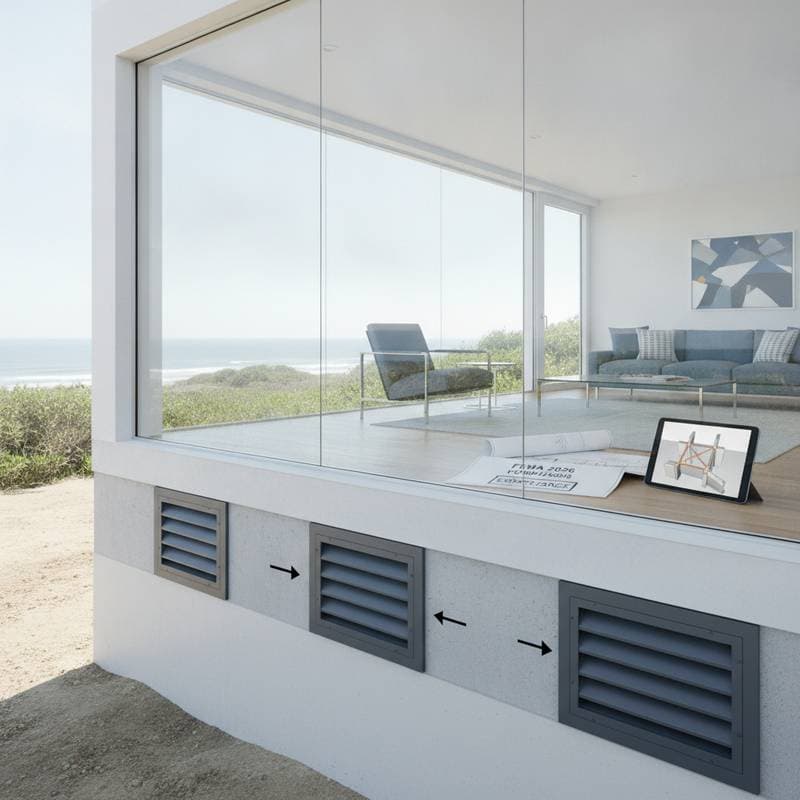
Each enclosed area below the base flood elevation must include openings totaling at least one square inch per square foot of enclosed area. The vents must be located in at least two walls. This encourages balanced flow. The requirement that these openings activate automatically without human intervention is new.
In practice, this means passive flood vents that open under hydrostatic pressure. It also includes engineered models with buoyant doors. Homeowners who previously used screened foundation vents will need replacements.
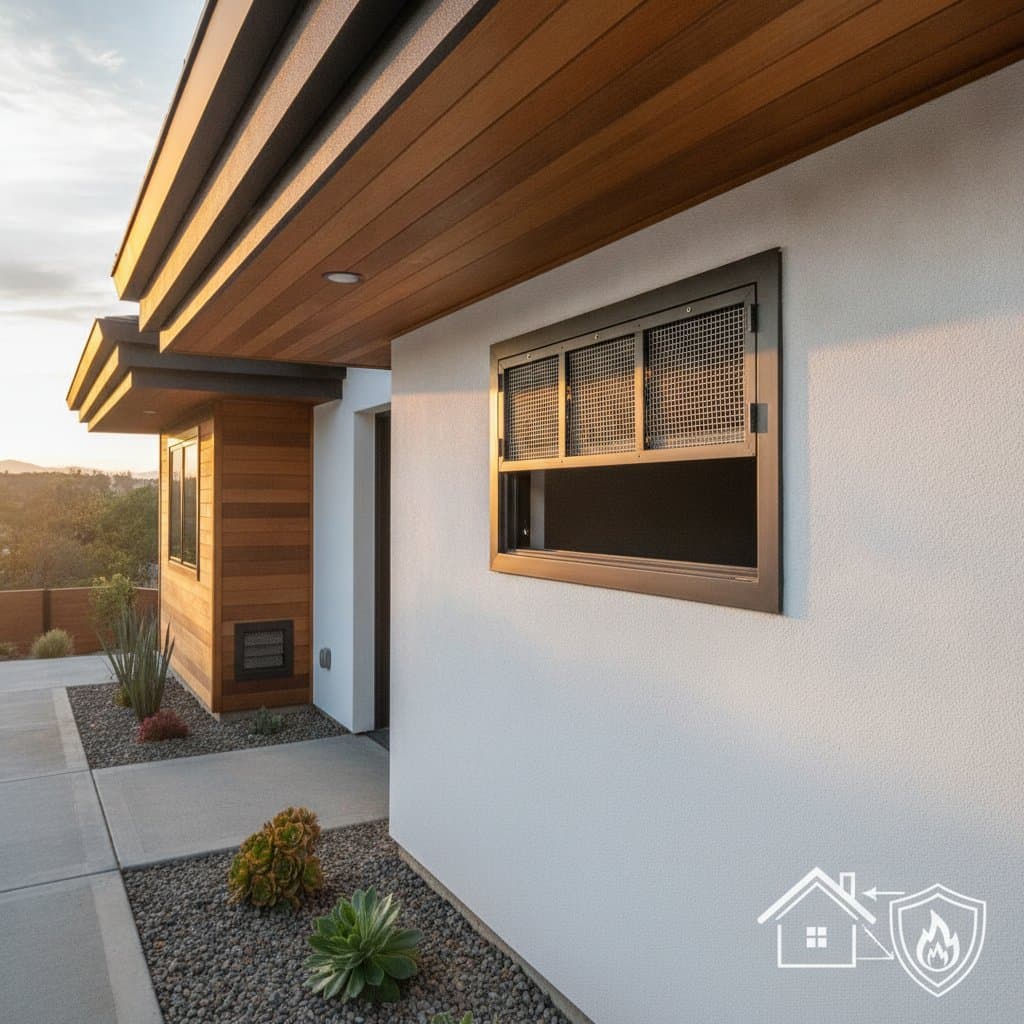
Common materials now approved for vent assemblies include marine-grade stainless steel for corrosion resistance. High-density polypropylene works well for lightweight designs in coastal areas. Powder-coated aluminum offers aesthetic compatibility with modern exteriors.
Wet-Proofing Materials and Construction
Wet-proofing is no longer just about sealing cracks. It is a system that combines water-tolerant materials, controlled drainage, and accessible clean-out points. FEMA standards specify that all materials below the design flood elevation must maintain structural integrity after prolonged exposure to water.
Recommended materials include closed-cell spray foam insulation that resists moisture absorption. Cement board and porcelain tile replace drywall or wood paneling. Vinyl or composite trim replaces natural wood baseboards. Epoxy coatings on concrete floors allow easier cleanup after an event.
For homeowners updating existing spaces, retrofitting can include applying waterproof coatings. It can also involve installing sump pumps with battery backups. Raising electrical outlets adds further protection.
The Cost and Compliance Balance
Meeting these new standards may raise initial construction or renovation costs. Long-term savings remain clear. Insurance premiums often drop when flood vent certifications are documented. Repair costs after minor flooding decrease dramatically. Resale value increases when buyers see FEMA-compliant systems in place.
For budget-conscious homeowners, tiered solutions exist. Basic compliance uses passive flood vents, sealed utility penetrations, and water-tolerant finishes. Enhanced protection adds engineered vents, sump systems, and integrated drainage channels. The premium approach delivers full wet-proofing with elevated utilities, pressure-equalized walls, and automated water sensors.
Local building departments will review documentation more closely under the new codes. Keep manufacturer certifications and installation photos on hand.
Preparing Your Property
Once installed, flood vents and wet-proofing systems require little attention. A quick seasonal inspection suffices. Clear debris. Check vent operation. Ensure drainage paths remain open. Over time, these features fade into the background.
Life near water should feel peaceful, not precarious. When codes evolve, they do so because lessons have been learned from real homes and real families. Adapting to those lessons forms part of responsible homeownership.
Start with a single upgrade. Replace a vent. Coat a floor. Elevate a panel. Each small choice adds resilience. When the next storm arrives, the home will stand prepared.