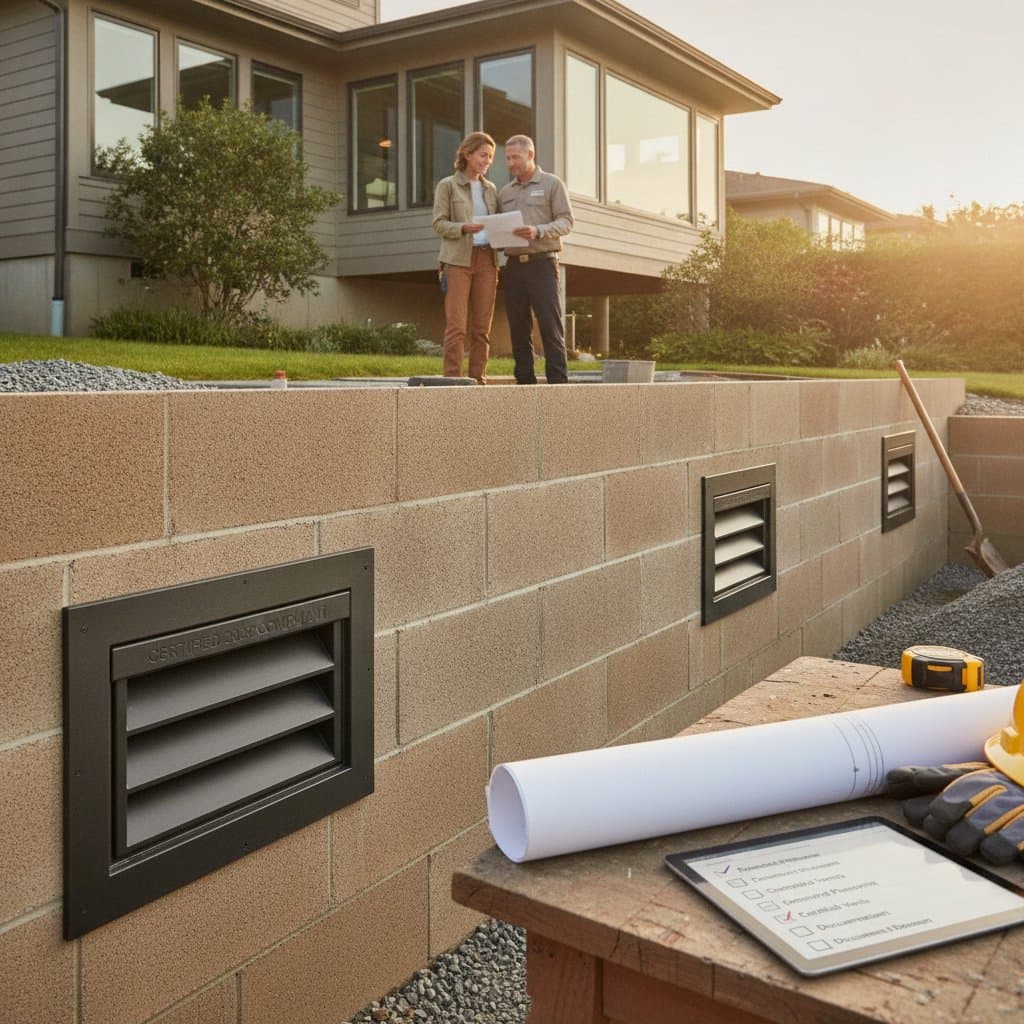
2026 Insurance Rules Require Flood-Proof Basements
Home renovation projects across the United States face higher expenses due to new insurance regulations. Homeowners in flood-prone regions must now demonstrate that their basements meet flood-resistance standards before obtaining or renewing coverage. These requirements alter approaches to water management, foundation protection, and overall property maintenance.
The regulations aim to lower the frequency of flood-related claims. They also encourage upgrades to drainage networks, foundation seals, and sump pump installations that satisfy elevated performance criteria. Such improvements deliver measurable gains in safety and long-term asset value.
Reasons Flood Proofing Becomes Essential
Insurance providers no longer treat flood mitigation as optional in areas near rivers, lakes, or coastlines. Changing weather patterns have expanded the zones subject to these rules, including properties previously considered low risk. Acceptable proof now includes sealed foundations, backflow prevention valves, and documented sump pump performance.
Basic interior sealants alone fail to satisfy the updated criteria during sustained storms. Effective protection requires coordinated grading, exterior drainage, and structural integrity. Meeting these standards prevents coverage gaps and reduces future repair expenses.
Distinguishing DIY Tasks from Professional Work
Certain waterproofing measures remain within homeowner capabilities, yet the regulations mandate certified installations and supporting records. Homeowners should therefore separate low-risk activities from those requiring licensed oversight.
Tasks Suitable for Homeowners
- Extend downspouts six to ten feet beyond the foundation perimeter.
- Regrade surrounding soil to direct water away from the structure.
- Apply interior sealants to small, nonstructural cracks.
Tasks Requiring Licensed Experts
- Install interior drain tile or sump pump assemblies.
- Excavate along exterior foundation walls.
- Integrate backflow prevention valves into existing plumbing.
Combining both categories produces the most reliable outcome. Homeowners complete straightforward work while professionals handle components that demand inspection and formal certification.
Preparing Required Documentation for Insurers
Insurers require evidence that mitigation systems function as intended. Acceptable records include contractor inspection reports, product specifications, and dated photographs. Store these materials in a dedicated physical binder or secure digital archive.
Follow these steps to satisfy review processes:
- Obtain written confirmation from the installing contractor.
- Capture dated images throughout each installation phase.
- Retain all invoices together with warranty documents.
- Arrange a final inspection by a certified home inspector.
Missing documentation can result in denied claims or increased premiums regardless of completed work.
Adhering to Safety Standards and Local Codes
Waterproofing projects intersect with multiple building codes that vary by municipality. Permits are frequently required for sump pump installation, drainage modifications, or any foundation alteration. Verify local requirements prior to beginning construction.
Excavation near foundations demands proper shoring to prevent collapse. Electrical work for pumps and alarm systems must be performed by licensed electricians. Standing water in a basement should never be approached until power has been confirmed off by a qualified professional.
Protecting Long Term Property Value
Flood mitigation upgrades reduce insurance risk while improving daily livability and energy performance. Early investment in compliant systems avoids larger expenses associated with water damage. Consistent maintenance of these systems sustains both coverage eligibility and resale appeal.