Top 50+ Remodel Trends for Gray Divorce and Aging in Place
Entering a new life stage prompts a fresh perspective on one's living environment. For individuals navigating gray divorce or committed to aging in place, the focus shifts toward designing a residence that promotes security, comfort, and manageability. Remodeling in this phase emphasizes functionality tailored to future needs rather than superficial rejuvenation. These trends offer practical solutions to transform an existing home or a new one into a supportive sanctuary that evolves alongside personal circumstances.
Essential Remodeling Priorities
Prioritize modifications that enhance daily living and anticipate long-term requirements. The following foundational updates address mobility, accessibility, and efficiency, forming the core of any comprehensive remodel.
- Single-Level Living Arrangements: Designate the primary bedroom, full bathroom, and laundry facilities on the ground floor to minimize stair navigation and simplify household tasks.
- Open Floor Plans with Ample Space: Incorporate broader pathways, at least 36 inches wide, and remove unnecessary walls to facilitate effortless movement, improve natural light distribution, and foster social interactions.
- Zero-Threshold Entryways: Install seamless transitions at all exterior and interior doors to eliminate steps, easing the transport of items and accommodating wheelchairs or walkers.
- Non-Slip Flooring Options: Opt for materials such as textured luxury vinyl plank, resilient cork, or low-gloss porcelain tiles that provide superior grip while maintaining an attractive appearance.
- Lever-Style Door and Faucet Handles: Replace round knobs with ergonomic levers that require less grip strength, benefiting those with joint stiffness or reduced dexterity.
- Comfort-Height Fixtures: Select toilets and vanities elevated 17 to 19 inches from the floor to lessen the physical effort involved in sitting and standing.
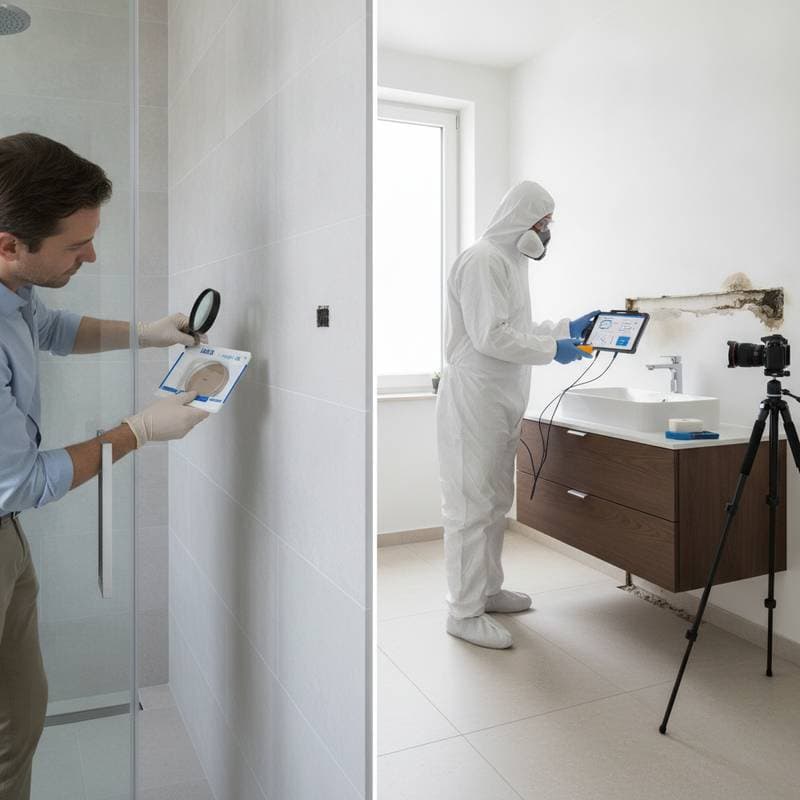
- Walk-In Showers with Integrated Features: Equip showers with fold-down benches, adjustable handheld showerheads, and strategically placed grab bars for secure, luxurious bathing experiences.
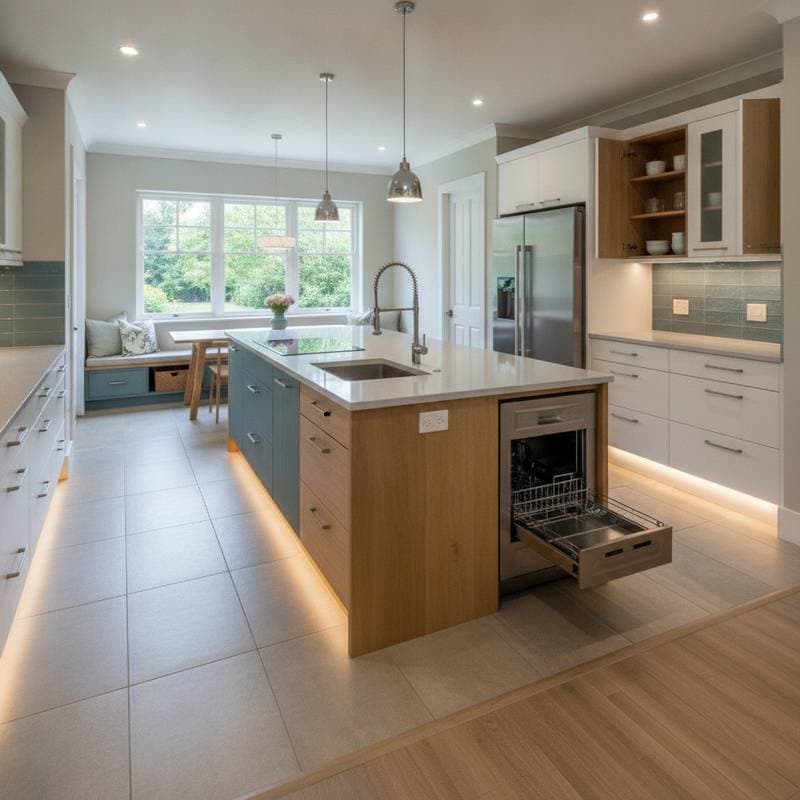
- Task-Oriented Under-Cabinet Lighting: Install LED strips beneath cabinets to illuminate work surfaces effectively, reducing eye strain during meal preparation or other activities.
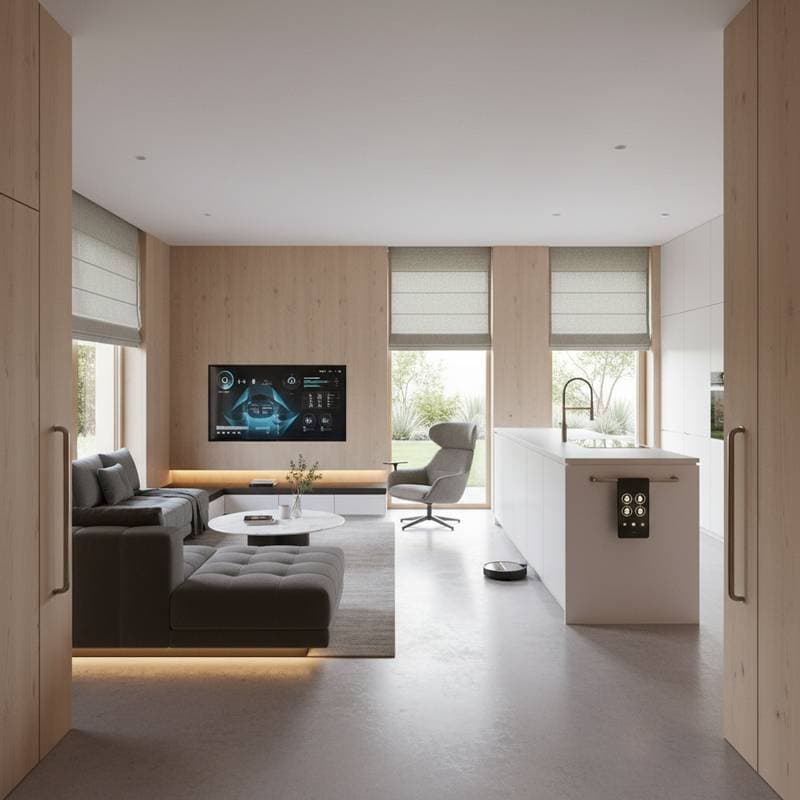
- Integrated Smart Home Systems: Integrate voice-controlled devices for lights, climate control, and door locks to enable hands-free operation and remote monitoring.
- Durable, Low-Maintenance Surfaces: Choose quartz countertops, fiber-cement siding, and synthetic decking materials that resist wear and demand minimal cleaning or repairs.
Expanded Accessibility Enhancements
Beyond basics, consider these targeted improvements to further promote independence. Each addition integrates seamlessly into contemporary designs, ensuring the home remains inviting.
- Reinforced Walls in Key Areas: Strengthen bathroom and hallway walls during initial framing to support the future installation of grab bars without structural alterations.
- Adjustable-Height Kitchen Counters: Incorporate sections of counters that can be raised or lowered to accommodate seated or standing use, ideal for evolving mobility needs.
- Touchless Faucets and Soap Dispensers: Automate kitchen and bathroom fixtures to minimize germ exposure and physical contact, enhancing hygiene effortlessly.
- Extended Reach Grab Bars: Position horizontal and vertical bars near toilets, showers, and along corridors for reliable support during transfers.
- Pocket Doors for Space Efficiency: Use sliding doors that recess into walls to preserve doorway width without encroaching on room space.
- Contrasting Edge Strips on Stairs: Apply visual markers along stair edges to improve depth perception and reduce fall risks, even if stairs remain in use.
- Motion-Activated Hallway Lights: Deploy sensors that illuminate paths automatically upon detecting movement, preventing disorientation in low-light conditions.
- Raised Garden Beds Outdoors: Construct elevated planters at waist height to enable gardening without bending or kneeling, extending leisure activities.
- Automatic Door Openers: Fit main entry doors with sensors or remote controls for effortless access when hands are occupied.
- Soft-Close Cabinetry Hardware: Install dampers on drawers and doors to prevent slamming, which can be jarring or hazardous.
Safety Features Integrated with Aesthetic Appeal
Universal design principles allow safety measures to enhance rather than detract from a home's visual charm. These elements blend functionality with sophistication.
- Curbless Shower Designs: Create flush-floor showers that appear as elegant extensions of the bathroom tile, eliminating barriers while offering a modern spa aesthetic.
- Wider Doorways in Harmonious Styles: Expand openings to 32 inches or more, framing them with trim that matches the home's architectural theme.
- Layered Lighting Systems: Combine ambient overhead lights, path-guiding floor strips, and automatic sensors to ensure visibility without overwhelming brightness.
- Secure, Non-Slip Area Rugs: Anchor rugs with latex backing and select patterns that complement flooring, providing traction in high-traffic zones.
- Rounded Countertop and Furniture Edges: Bevel sharp corners on islands, tables, and cabinets to minimize injury potential in a graceful manner.
Additional safety trends include smoke and carbon monoxide detectors with interconnected alerts, fall-detection wearables linked to home systems, and tempered glass in shower doors for shatter resistance.
Technological Innovations for Daily Ease
Leverage advancing technology to automate routines and monitor well-being. These tools provide reassurance without complicating daily life.
- Smart Thermostats with Scheduling: Program devices like Nest or Ecobee to maintain optimal temperatures, learning preferences over time to conserve energy.
- Voice Assistants in Multiple Rooms: Place Amazon Echo or Google Home units strategically for controlling appliances, playing audio, or setting reminders.
- Automated Blinds and Curtains: Use motorized shades that adjust via app or voice to regulate light and privacy with minimal effort.
- Smart Locks with Guest Access: Enable temporary codes for visitors or caregivers, tracking entries for added security.
- Health Monitoring Sensors: Embed under-mattress or wearable devices that alert family to irregularities in sleep or vital signs.
- Video Doorbells for Perimeter Awareness: Install systems like Ring to view and communicate with callers remotely.
- Energy-Efficient Appliances: Select washers, dryers, and refrigerators with smart diagnostics to predict maintenance needs.
- Integrated Home Hubs: Centralize control through platforms like Apple HomeKit for unified management of devices.
- Outdoor Security Cameras: Position weatherproof cams with night vision to safeguard property and deter intruders.
- Wi-Fi Extenders for Full Coverage: Ensure reliable connectivity throughout the home for seamless smart device operation.
Outdoor and Landscape Adaptations
Extend adaptations beyond interiors to create a cohesive, navigable outdoor environment. These changes support active lifestyles while prioritizing safety.
- Gentle Ramps with Railings: Add gradual inclines at entry points, surfaced with non-slip materials and flanked by sturdy handrails.
- LED Pathway Lighting: Line walkways with solar-powered lights that activate at dusk, guiding safe passage.
- Composite or Trex Decking: Replace wood with weather-resistant alternatives that require no sealing or staining.
- Smart Sprinkler Controllers: Use apps to optimize watering based on weather data, preventing overgrowth.
- Accessible Patio Furniture: Choose lightweight, stable seating with armrests for easy rising.
- Fence Gates with Lever Latches: Facilitate yard access with easy-grip mechanisms.
- Bird-Friendly Windows: Apply decals to prevent collisions, enhancing safety for both residents and wildlife.
- Modular Outdoor Kitchens: Design flexible setups that can be scaled down as needs change.
- Rain Gardens for Drainage: Install natural systems to manage water flow, reducing slippery surfaces.
- Seating Benches Along Paths: Provide rest spots during walks to conserve energy.
Professional Guidance and Implementation Steps
Certain renovations demand expert involvement, particularly those affecting electrical wiring, plumbing lines, or load-bearing elements. Engage a certified aging-in-place specialist, such as a CAPS professional, to evaluate your space against ADA guidelines while preserving design integrity. Begin with a professional home safety audit to pinpoint vulnerabilities and receive prioritized suggestions.
To proceed effectively, compile a prioritized list of needs, secure multiple contractor bids, and explore financing options like home equity loans or grants for accessibility improvements. Phased approaches allow tackling high-impact areas first, such as bathrooms and kitchens, before addressing exteriors.
Sustaining Comfort and Autonomy Over Time
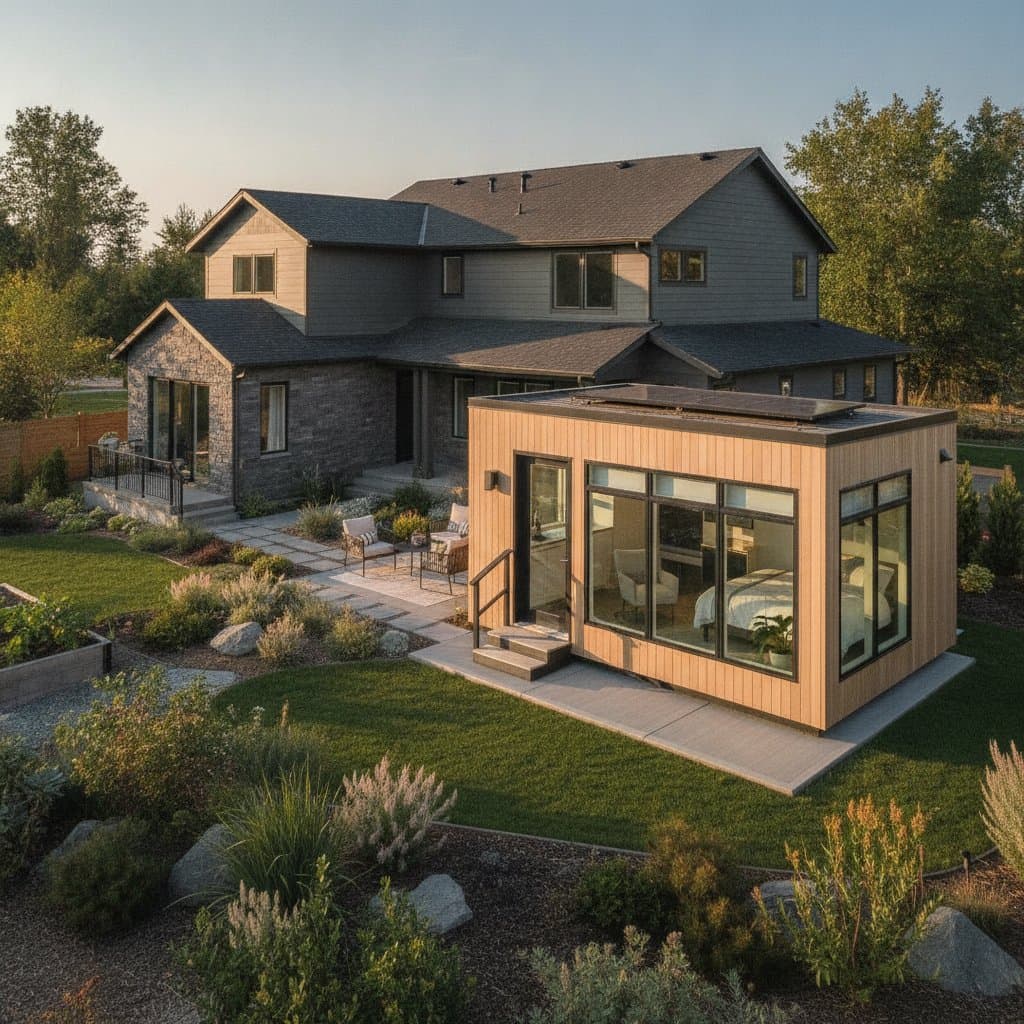
Forward-thinking remodels invest in adaptability, ensuring the home supports independence well into the future. Features like multipurpose rooms that convert from offices to in-law suites, along with built-in storage solutions, accommodate shifting dynamics. Regular maintenance checks on smart systems keep everything operational.
Outdoors, these enhancements encourage continued engagement with nature, from tended herb gardens to serene seating nooks. The result is a residence that not only meets current demands but anticipates tomorrow's, fostering confidence and joy in this life chapter.
Steps to Initiate Your Remodel
Embark on this journey by assessing your home's current layout and identifying immediate pain points. Consult resources from local aging organizations for inspiration and support. With deliberate planning, your remodel becomes a empowering step toward a resilient, personalized haven.