2026 Basement Waterproofing ROI: Boost Home Value
Deciding to waterproof a basement goes beyond routine maintenance. It involves a careful evaluation of financial implications and structural needs that directly affect your home's usable space, comfort, and equity over time. Many homeowners view waterproofing as a fix for occasional flooding or damp spots. In reality, it serves as a comprehensive defense mechanism that enhances energy efficiency, maintains structural strength, and elevates property value. Grasping the mechanics of waterproofing systems, their role within your home's overall structure, and the tangible returns they offer empowers you to make an informed choice.
System Overview
Technology Type: Interior and exterior basement waterproofing systems
Efficiency Rating: Assessed through moisture resistance and drainage effectiveness
Climate Zones: Optimal in U.S. Department of Energy zones 3 through 8
Average Capacity: Handles water intrusion from 50 to 250 gallons per hour per linear foot of wall under intense moisture exposure
Typical Lifespan: 25 to 50 years, assuming regular upkeep
Installation Complexity: Ranges from moderate for interior setups to complex for exterior excavations based on foundation design
These systems integrate seamlessly with your home's foundation and drainage network. Interior options focus on managing water inside the basement walls, while exterior methods seal the foundation from the outside before backfilling soil. Selecting the right type depends on your home's age, soil conditions, and budget constraints.
Regional Performance Analysis: Adapting to Local Conditions
Investment returns from basement waterproofing depend on factors like soil composition, annual rainfall, and groundwater levels. In humid continental regions with frequent freeze-thaw cycles, expanding cracks in foundations can channel water inside. Effective waterproofing seals these vulnerabilities, halting moisture progression and preserving wall integrity.
Coastal or high-rainfall areas face intense hydrostatic pressure, often surpassing 60 pounds per square foot during storms. Here, perimeter drainage systems redirect water away from the foundation, averting pressure buildup and erosion. Arid or semi-arid zones benefit differently: waterproofing minimizes air leakage through cracks, boosting HVAC performance by 10 to 15 percent. This is particularly valuable when basements form part of the home's heated or cooled envelope.
To tailor a system to your area, start by reviewing local weather patterns and soil reports. For instance, clay-heavy soils retain water longer, demanding robust drainage, while sandy soils drain quickly but shift under pressure.
Key Performance Comparisons
| System Type | Efficiency (Moisture Reduction %) | Typical Cost Range | Lifespan (Years) | Maintenance Level | Environmental Impact |
|---|---|---|---|---|---|
| Exterior Membrane | 95 | $15,000 to $30,000 | 40 to 50 | Low | Low (options with non-toxic materials) |
| Interior Drainage | 85 | $8,000 to $18,000 | 25 to 35 | Moderate | Moderate (due to pump energy use) |
| Sealants & Barriers | 70 | $3,000 to $8,000 | 15 to 25 | Low | Low |
Exterior membranes provide the strongest barrier but require digging around the foundation. Interior drainage suits budgets by installing channels and pumps inside. Sealants offer a quick, affordable entry point for minor issues, though they demand periodic reapplication.
Cost-Benefit Analysis: Balancing Initial Expenses with Enduring Gains
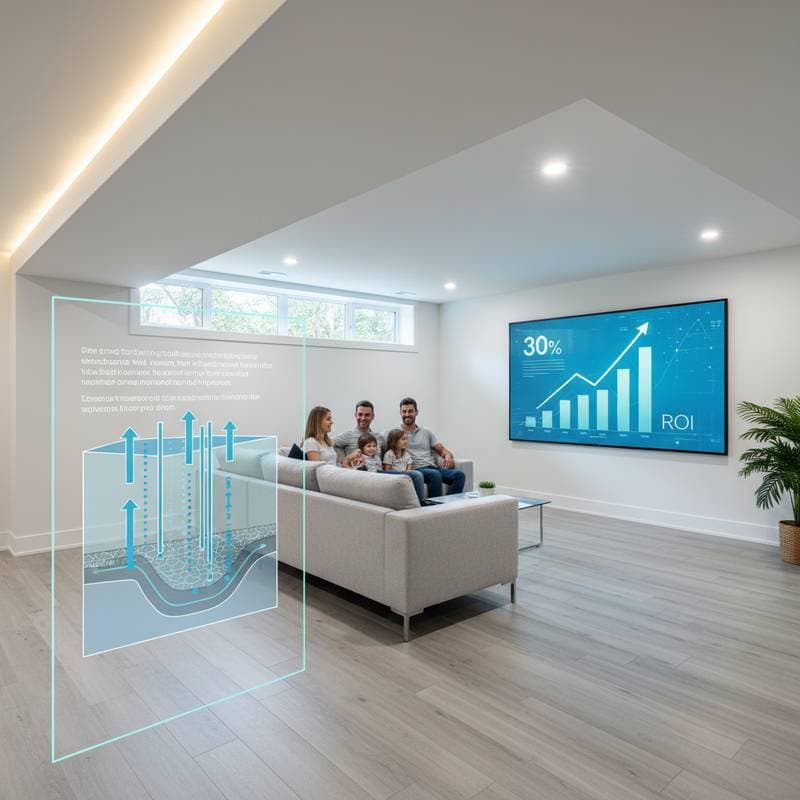
Upfront costs for waterproofing fluctuate by approach and home size, yet the payback proves reliable. Professional installations typically generate a 25 to 30 percent uplift in home resale value. This stems from two core advantages: averting repair expenses and transforming unusable areas into valuable living space.
One major flood event might incur $20,000 to $50,000 in fixes, including drywall replacement and mold remediation. Persistent seepage erodes insulation effectiveness, fosters health risks from mold, and diminishes structural appraisals. Waterproofing eliminates these threats, safeguarding your investment. Moreover, a moisture-free basement allows for finishing, with appraisers assigning 50 to 70 percent of above-ground square footage value to such expansions. This conversion can add tens of thousands to your home's worth.
Over the long term, maintenance remains affordable. Annual tasks include testing sump pumps, clearing drainage lines, and refreshing sealants. Across 30 years, these efforts total under 5 percent of the original outlay, offset by ongoing energy reductions.
Professional Recommendations: Engaging the Right Experts
Basement waterproofing intersects with engineering, hydrology, and construction disciplines. If cracks measure more than one-eighth inch or foundation settling appears, engage a structural engineer for a detailed assessment. Hydrogeologists evaluate groundwater patterns and peak saturation periods to guide system design.
Certified waterproofing contractors manage the physical work, from applying membranes to connecting sump pumps, ensuring warranty compliance. Post-installation, energy auditors test for optimal humidity and airflow, confirming the space remains breathable. In older homes or intricate projects, a building performance consultant oversees integration to avoid unintended issues like trapped moisture.
Schedule consultations early, providing site photos and home blueprints. Ask about warranties, material sourcing, and post-job support to select a reliable team.
Environmental and Energy Efficiency Factors
Advancements in waterproofing prioritize sustainability. Sealants with low volatile organic compounds and drainage using recycled plastics cut emissions and landfill contributions. These materials maintain insulation performance, preventing R-value losses of up to 30 percent from water exposure.
The resulting energy conservation translates to hundreds of dollars saved annually on utilities. Check local utility programs for rebates on efficient sump pumps or backup systems, which enhance reliability during outages. Pairing waterproofing with air sealing and added insulation creates a holistic approach to home efficiency, promoting comfort and eco-friendliness.
Planning Your Project: Steps to Secure Maximum Returns
Treat basement waterproofing as a strategic upgrade within your overall home strategy. Initiate with a thorough foundation inspection to pinpoint entry points for water. If finishing the space, perform a load calculation to verify HVAC sizing aligns with the expanded conditioned area.
Gather bids from at least three contractors, insisting on specifics like membrane thickness, pump horsepower, and drainage slope. Confirm licensing, bonding, and references to mitigate risks. During execution, monitor progress to ensure proper backfill compaction and cleanup.
By following these steps, you not only protect your home but also amplify its value and livability for years ahead. A well-executed waterproofing project delivers peace of mind alongside substantial financial rewards.