Why Mold-Resistant Materials Are Now Building Code
Moisture

Why Mold-Resistant Materials Are Now Building Code

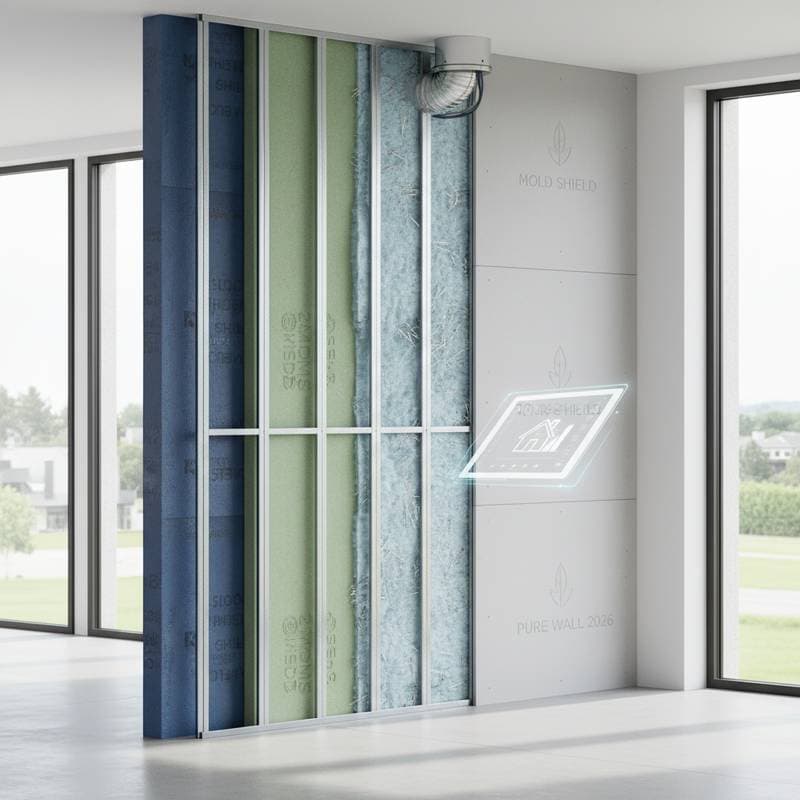
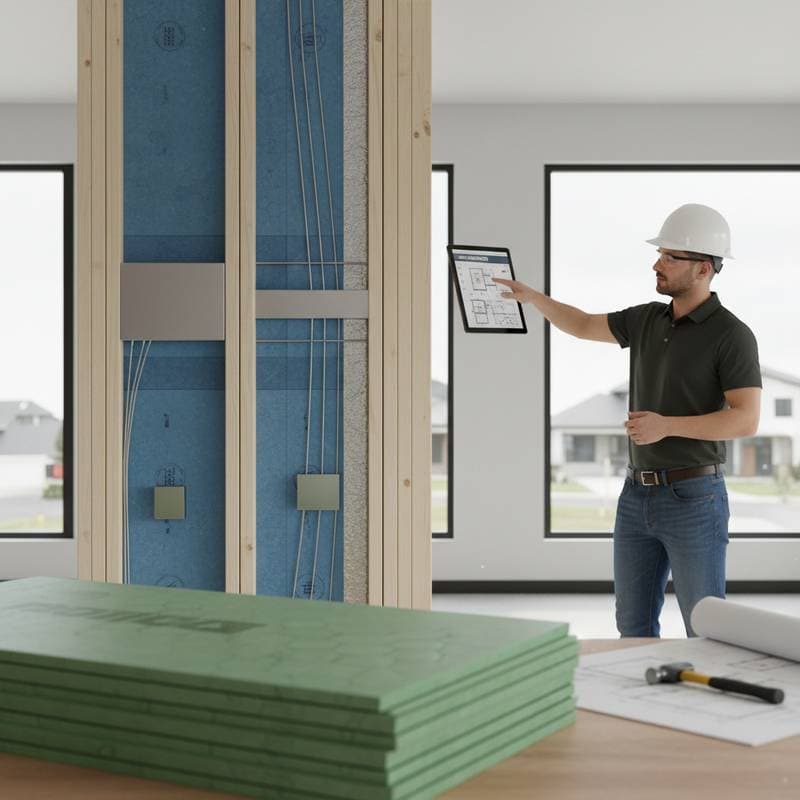
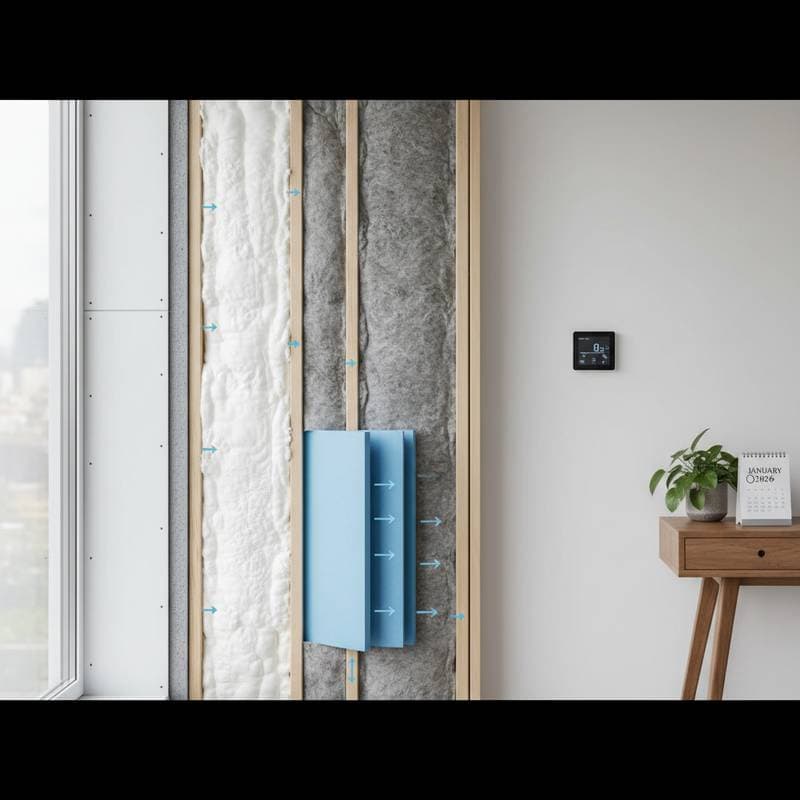
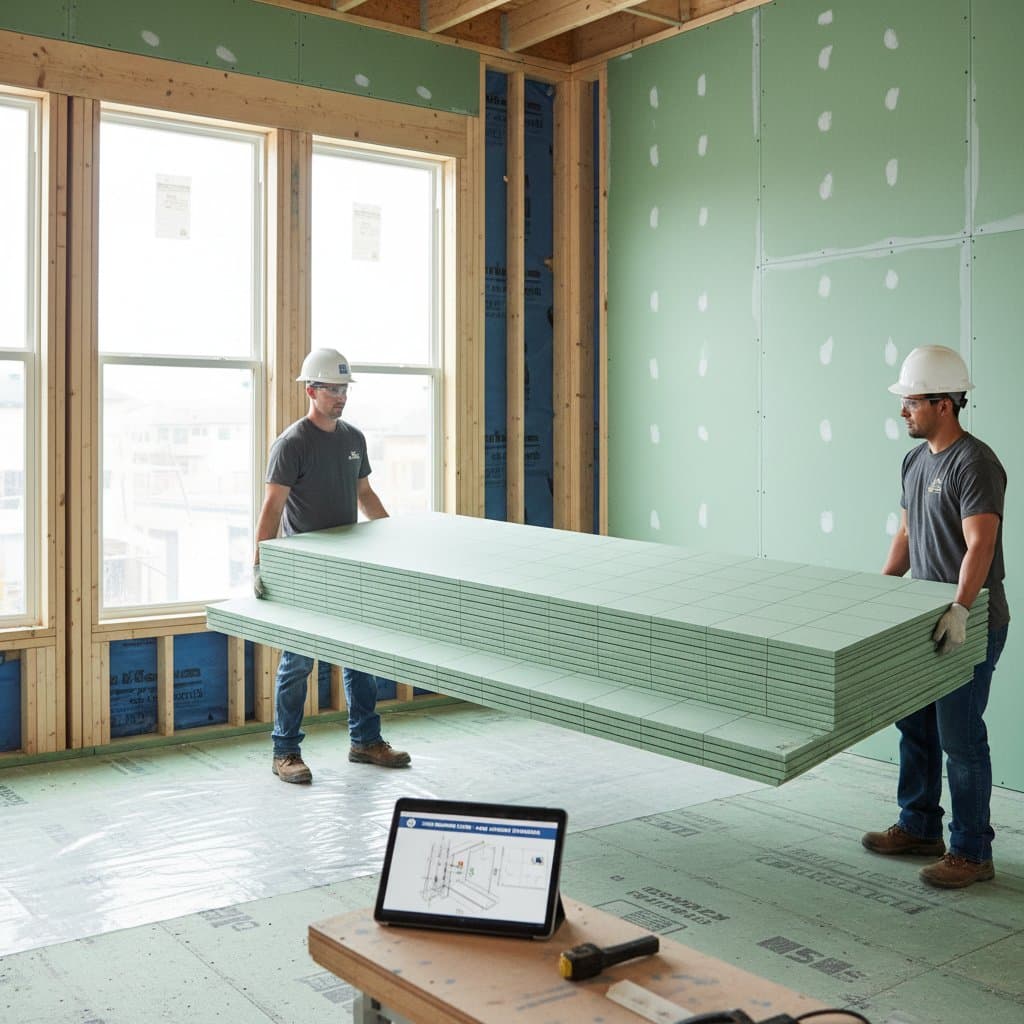
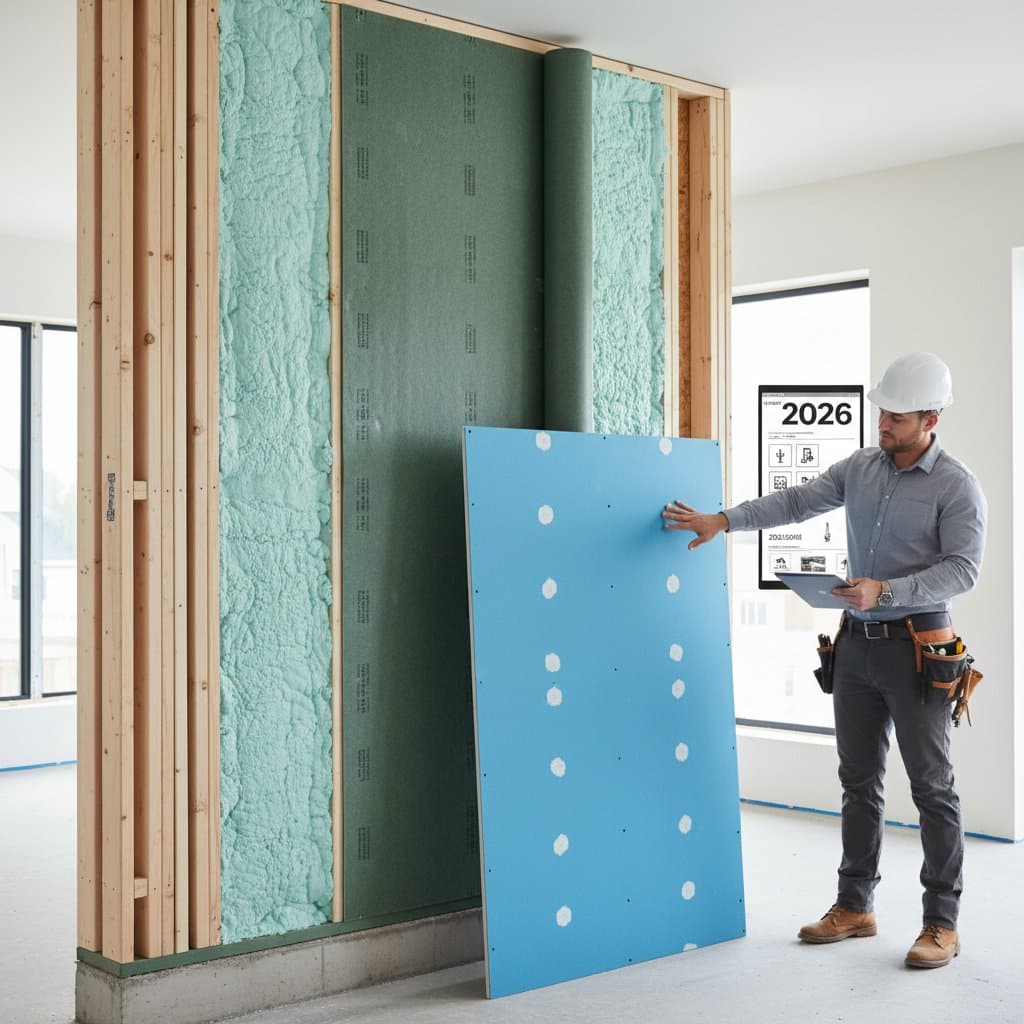
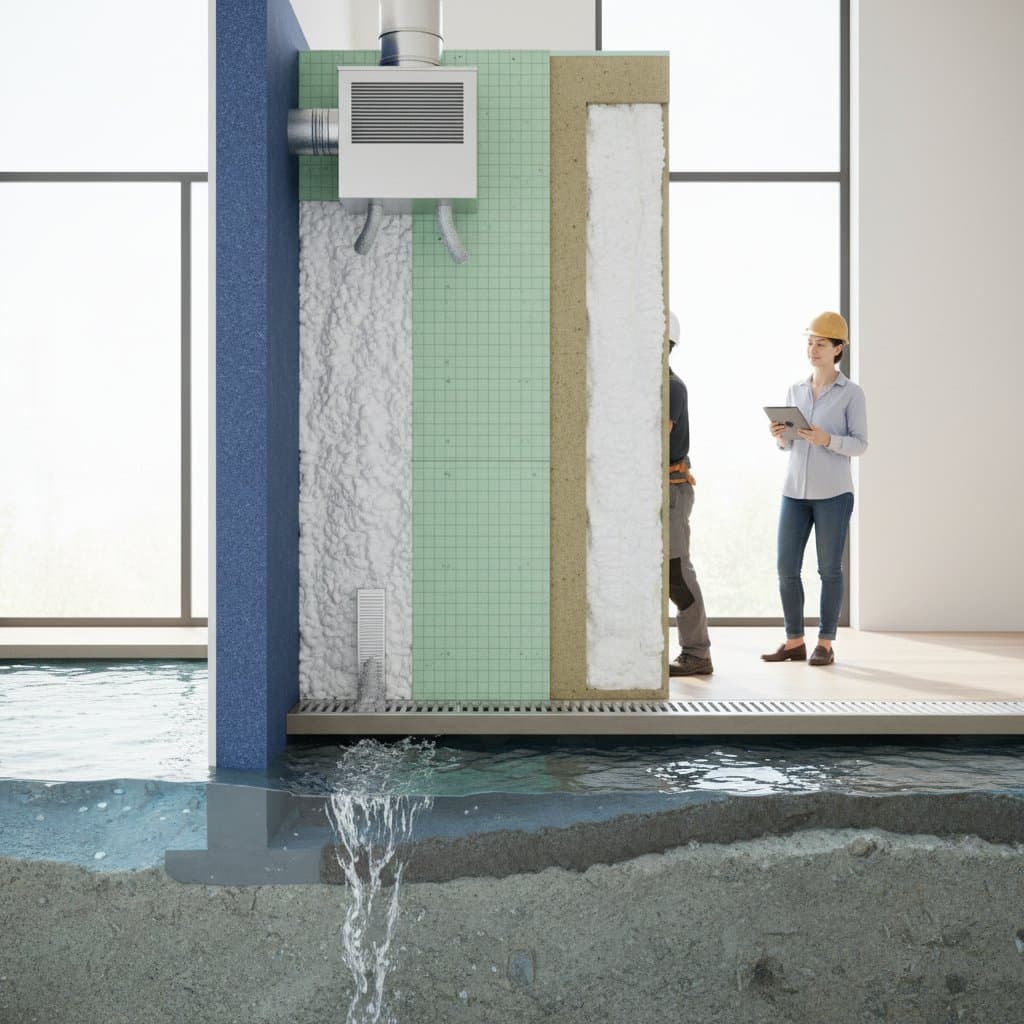
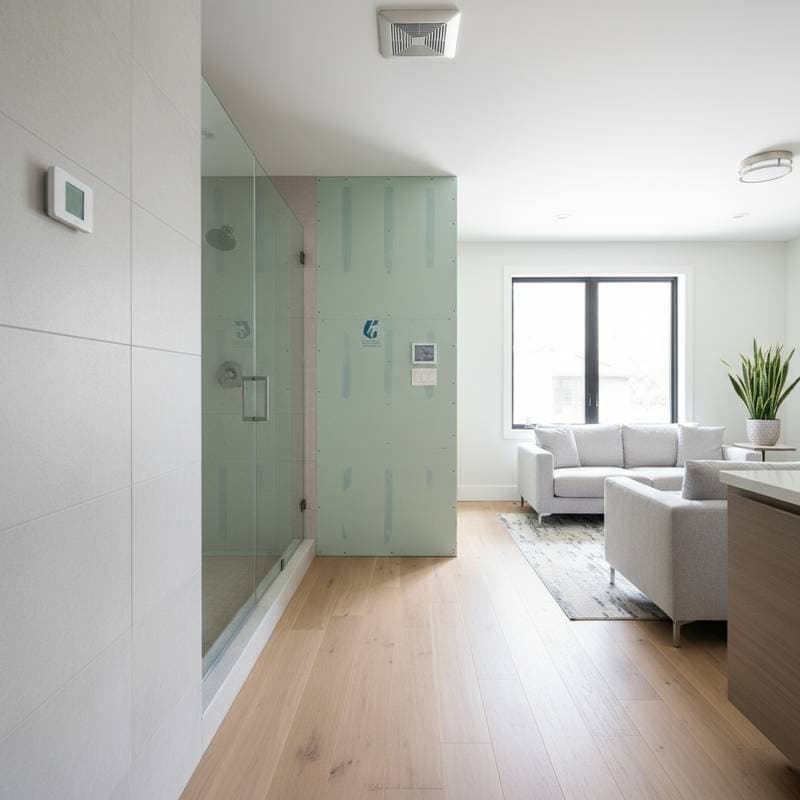
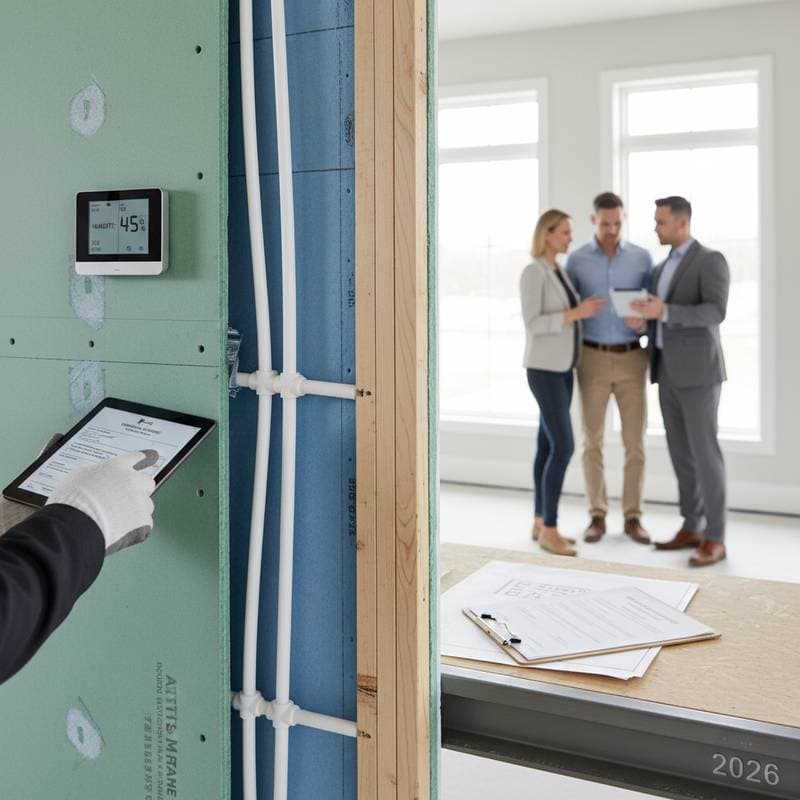
By 2026, building codes mandate mold-resistant materials to combat rising moisture risks. Homeowners benefit from healthier indoor environments, lower repair costs, and enhanced property values through durable options like specialized drywall and insulation.

By Katlyn PolinoFebruary 25, 2026
Read Article

More articles tagged #Moisture

Explore our collection of moisture related content

Moisture-Proof Renovations That Stop Mold Claims

Moisture-Proof Renovations That Stop Mold Claims

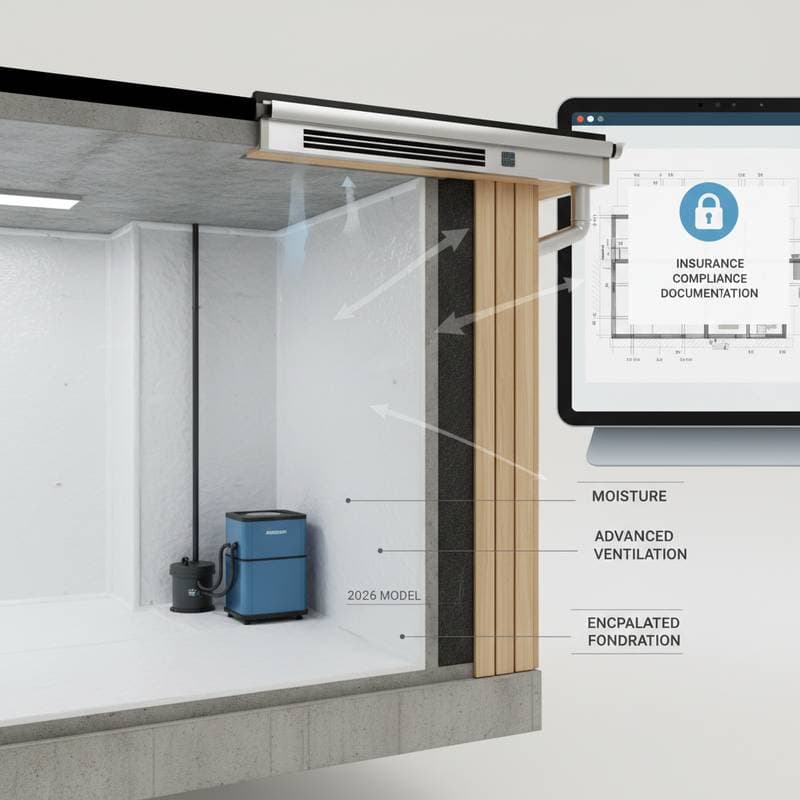
With mold insurance denials on the rise, 2026 home renovations emphasize moisture control, ventilation, and documentation. From encapsulated basements to smart roof systems, proactive updates not only prevent costly damage but also strengthen insurance compliance. Discover which upgrades best protect your home, coverage, and long-term property value.

Kelly AlyseFeb 21
Mold-Resistant Materials Now Required by 2026 Codes

Mold-Resistant Materials Now Required by 2026 Codes

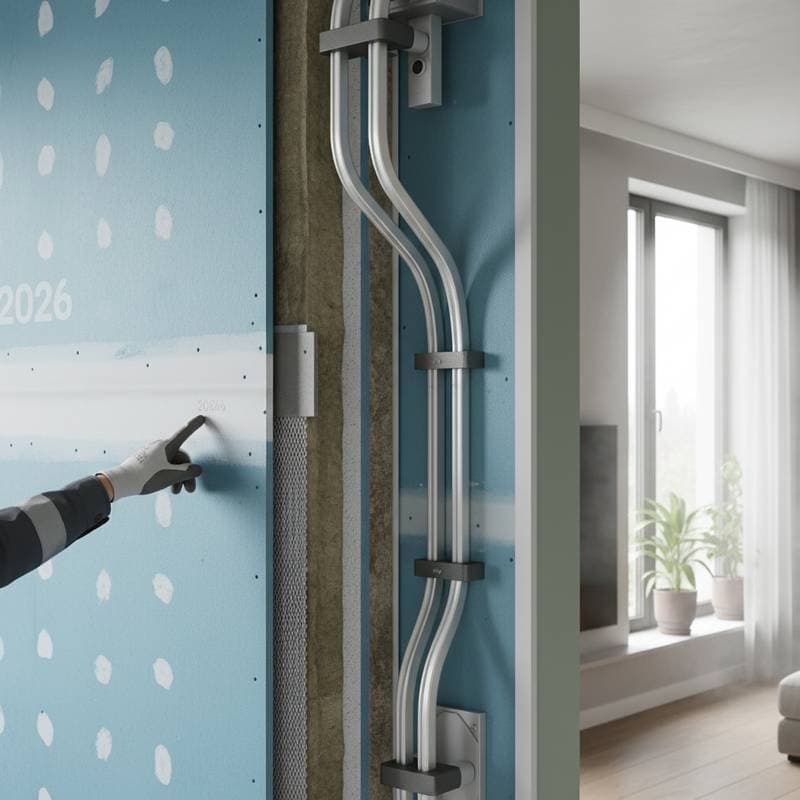
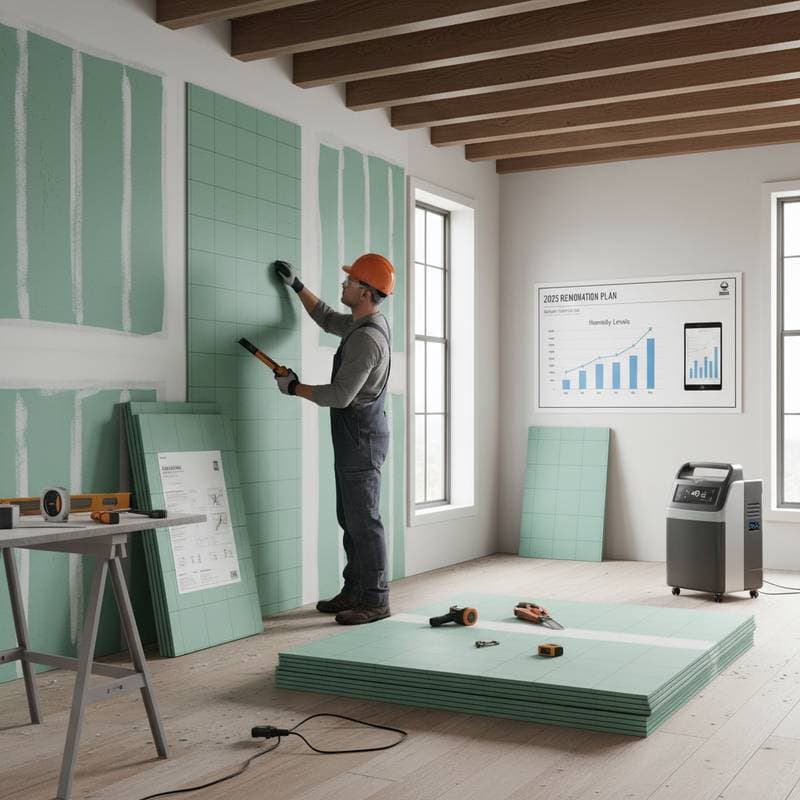
Starting in 2026, building codes will enforce the use of mold-resistant materials to boost home durability and indoor air quality. Options such as fiberglass-faced drywall and coated sheathing combat moisture effectively, while also supporting energy savings. Builders and homeowners can prepare now by evaluating climate needs and verifying standards for lasting protection.

Charlie McCannFeb 15