2026 Essentials for Multigenerational Home Remodels
Selecting the appropriate layout and systems for a multigenerational home remodel reshapes family living dynamics. When individuals from various age groups share a residence, priorities include comfort, accessibility, and autonomy. Effective remodels unite mechanical, structural, and design elements to address diverse requirements within a single structure. Choices such as HVAC zoning or entry configurations influence overall livability, privacy, and sustained functionality.
The Importance of Systems Thinking in Multigenerational Design
Multigenerational households thrive on equilibrium between communal and personal areas. A proficient remodel operates as a compact community, where each segment optimizes for comfort, accessibility, and efficiency. Mechanical systems, spatial arrangements, and materials form an interdependent framework. Variations in heating and cooling arise from independent suite operations. Plumbing demands escalate, electrical circuits demand reconfiguration, and accessibility features impact structural elements. Systems thinking guarantees resilient, regulation-adhering enhancements that foster self-sufficient living for all ages.
Balancing Privacy and Connection in Design
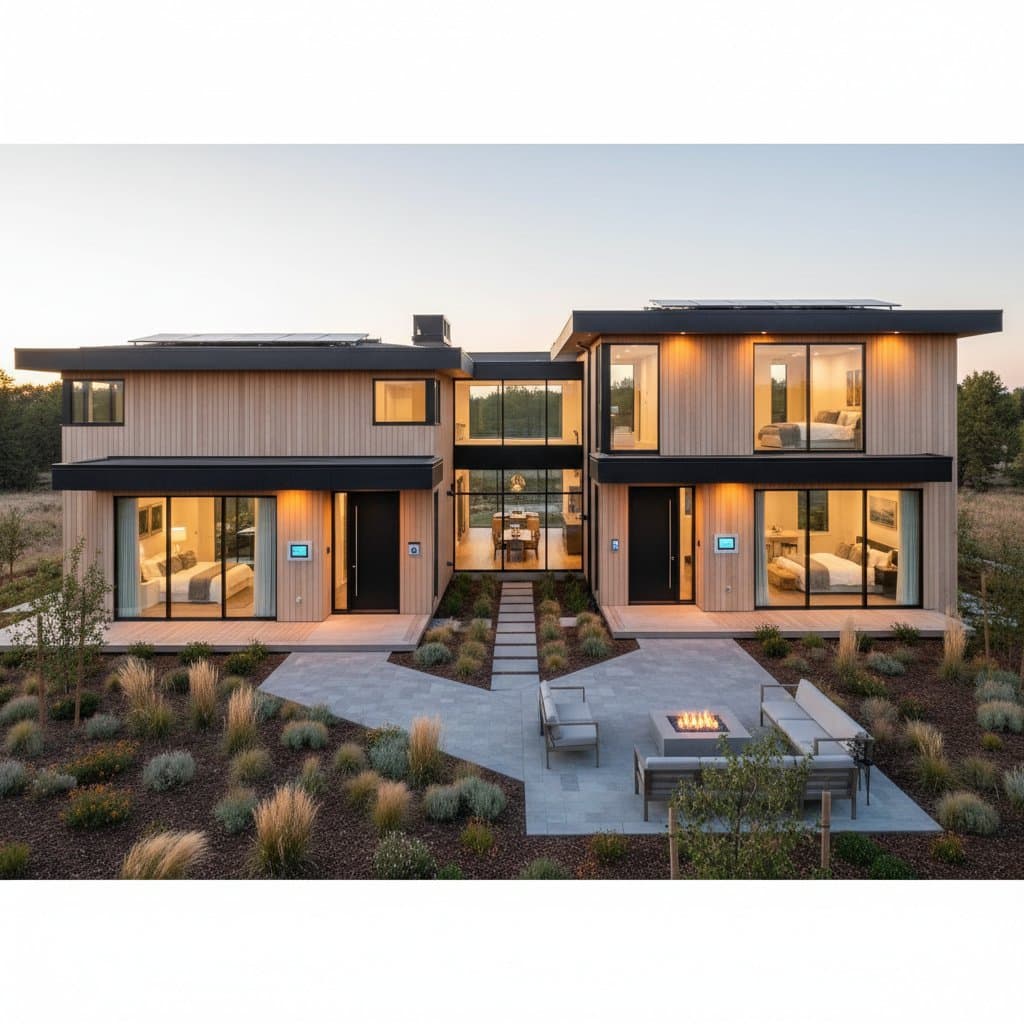
Flexibility defines multigenerational remodels. Families seek cohabitation without forfeiting personal freedom. Two pivotal elements achieve this balance: dual master suites and separate entrances. These provisions enable adults or senior relatives to preserve self-reliance near loved ones.
Implementing Dual Master Suites
Dual master suites deliver seclusion and ease of access for several adults. Beyond mere spatial allocation, these suites necessitate distinct HVAC zoning to regulate temperatures suited to different demographics. For instance, one suite might sustain warmer evening settings for older residents, while another prefers cooler conditions for younger occupants. Zoning employs variable-speed compressors and intelligent thermostats to achieve precise control and conserve energy. Modifications to ductwork incorporate extra dampers and return-air routes for consistent ventilation.
Electrical setups warrant thorough evaluation as well. Assign dedicated lighting circuits and outlets to each suite, ensuring capacity for mobility aids or health devices. The National Electrical Code mandates balanced load distribution and GFCI safeguards in bathrooms and moisture-prone zones; confirm compliance during planning.
Adding Separate Entrances
Separate entrances promote autonomy by permitting distinct family segments to enter and exit independently. From a structural viewpoint, this involves precise handling of load-bearing walls and uninterrupted insulation. Doorway openings must align with regional energy standards for airtight seals and insulation ratings. Select exterior doors featuring insulated cores and minimal thresholds to enhance access and curb thermal escape.
Security measures adapt to multiple access points. Install smart locks with unique codes to monitor entries and bolster protection without hindering usability. Linked to a central controller, these integrate with illumination and HVAC for optimized energy use.
Comparative Performance Overview
| Feature | Standard Single-Family Layout | Multigenerational Remodel |
|---|---|---|
| HVAC Efficiency | SEER 14 to 16 | SEER 18 to 22 with zoning |
| Annual Operating Cost | Elevated from inconsistent conditioning | 20-30% reduction via zoning |
| Plumbing Demand | Single primary line | Dual lines with pressure regulation |
| Electrical Load | Centralized panels | Zoned subpanels per suite |
| Privacy and Accessibility | Restricted | Enhanced through suites and entries |
Adapting to Regional Conditions
System performance differs across climate zones. In humid southern areas, dehumidification proves vital during partial-load operation of multiple zones. Variable refrigerant flow systems sustain comfort in vacant suites. Northern cold climates benefit from efficient heat pumps boasting HSPF ratings over 10, supplanting conventional furnaces to cut expenses and ensure zonal warmth.
Coastal properties face salt-induced corrosion on coils and fittings. Opt for coated parts and rust-resistant hardware to prolong durability. Arid zones demand improved filtration, like MERV 11 filters, to shield residents and machinery from dust.
Merging with Current Infrastructure
Initiate every remodel with load assessments for heating, cooling, and electrical needs. Accommodating additional residents extends operational durations and peak demands on present systems. If the current furnace or heat pump lacks capacity, efficiency declines and consumption rises. Install appropriately sized variable-speed units to adjust output across zones, preserving comfort with reduced energy.
Address plumbing expansions for extra bathrooms or kitchen areas with new half-inch or three-quarter-inch PEX or copper lines connected to the primary manifold. Incorporate pressure-balancing valves to stabilize temperatures amid concurrent fixture use. Add hot water recirculation circuits to shorten delays in remote suites, boosting satisfaction and conservation.
Upgrade electrical service to 200 amps or higher to accommodate added appliances, compressors, and circuits. Deploy smart load centers to monitor zonal consumption and aid in expense control.
Evaluating Costs and Benefits
Multigenerational remodels incur greater initial expenses than typical updates, yet enduring advantages justify the outlay. Zoned HVAC yields 20 to 25 percent savings in yearly energy expenditures. Intelligent thermostats and usage sensors minimize inefficiency by scaling operations in unused spaces. Water-saving fixtures and Energy Star-rated appliances trim utility bills while upholding standards.
Regarding real estate appeal, such homes draw diverse purchasers due to support for extended families or income-generating suites. Across a 20-year span, these projects recoup costs via energy reductions and property appreciation.
Ensuring Installation and Regulatory Adherence
Building regulations dictate alterations to structures, electrics, and access features. Secure permits for novel entrances, sanitary additions, and HVAC changes in most locales. Stairs, railings, and door widths must meet International Residential Code accessibility criteria. Verify that structural tweaks uphold integrity and that insulation plus sealing satisfy energy mandates through inspections.
Engage certified professionals for intricate mechanical and electrical work. They handle duct calibration, refrigerant setup, and load verification. Final commissioning confirms alignment with planned outcomes.
Sustaining Efficiency Over Time
Post-construction, regular upkeep preserves system efficacy. Replace HVAC filters every three months, inspect zoning dampers yearly, and adjust thermostats periodically. In regions with hard water, descale plumbing elements routinely. Examine door seals and weatherproofing to sustain thermal performance and block dampness.
Utilize smart monitoring tools to notify of suboptimal operation or humidity deviations. This analytical method prolongs component longevity and upholds interior quality.
Steps to Launch Your Remodel
Commence a thriving multigenerational project by grasping system interdependencies. Evaluate current mechanical, structural, and electrical capabilities first. Collaborate with a specialist versed in technical details and household interactions to realize a cohesive, enduring design.