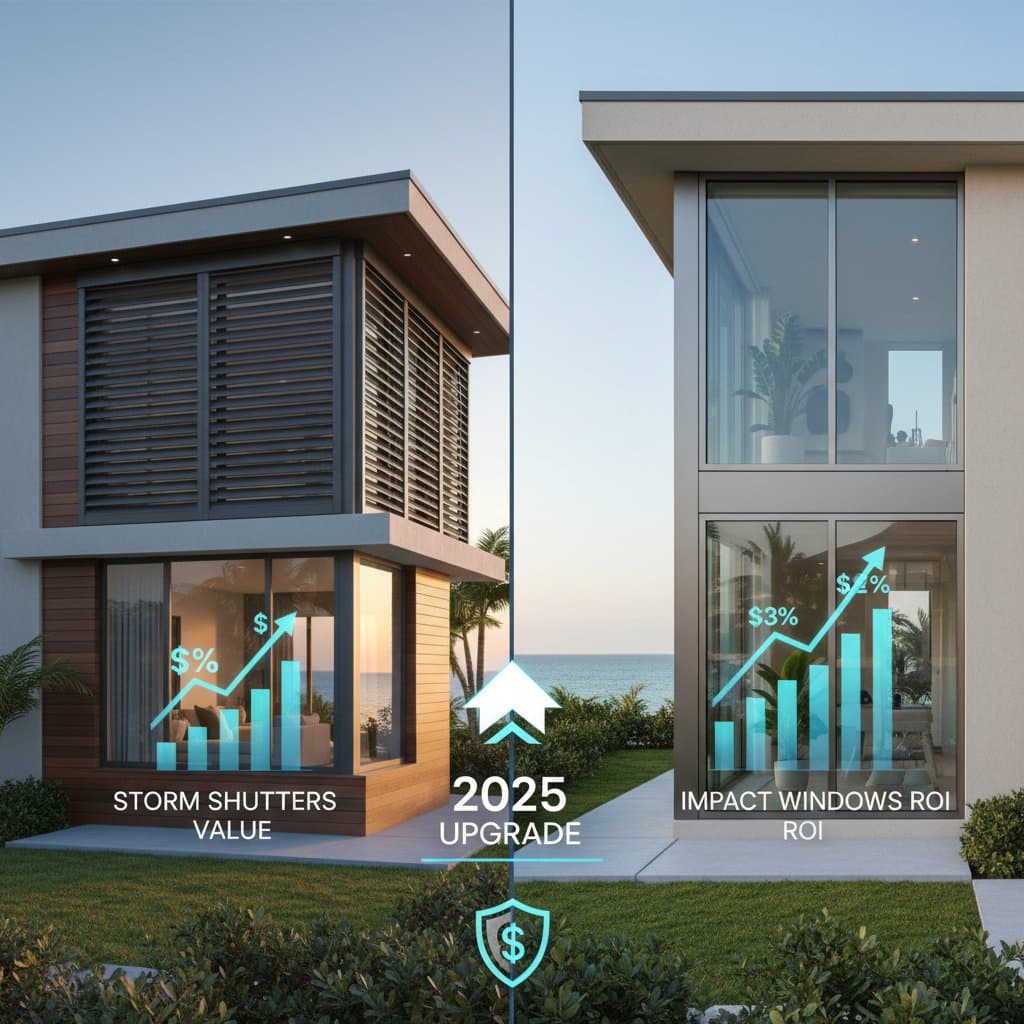
Comparing ROI: Shutters vs. Impact Windows for 2025
Home renovation expenses in the United States are increasing due to factors beyond general inflation. Tariffs on imported aluminum and glass elevate prices for hurricane protection solutions, including shutters and impact windows. Homeowners must evaluate not only protection levels but also return on investment in the evolving market.
Current Market Influences
Global supply chain issues drive up costs for building materials, with aluminum and tempered glass experiencing notable hikes. This affects pricing for both shutters and impact windows. Contractors face high demand, leading to shorter quote validity periods.
Homeowners should allocate an additional 10 to 15 percent in budgets to account for potential fluctuations. Delaying decisions often results in higher costs; for instance, quotes can rise by up to 20 percent within months. Obtaining multiple bids promptly helps secure favorable rates.
Decision Framework: DIY Options and Professional Installation
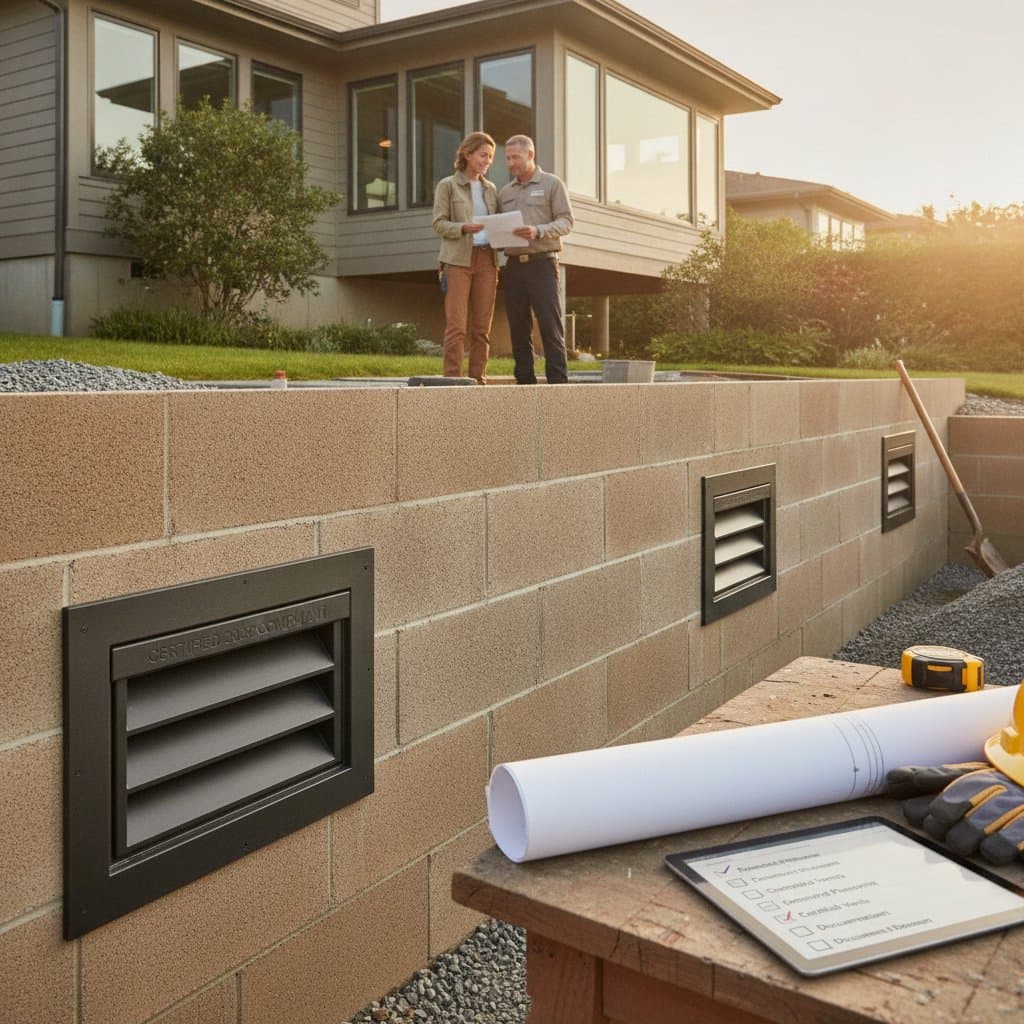
Certain shutter types, such as panel or accordion styles, suit partial do-it-yourself efforts for skilled individuals. Homeowners can handle installations on smaller, single-story windows to reduce labor expenses. However, compliance with local building codes requires proper structural fastening, which typically necessitates a licensed professional.
Impact windows involve more complexity. Installations demand precise alignment, effective sealing, and code-compliant anchoring to maintain warranties and storm resistance. Professional certified installers ensure these standards, as the process exceeds standard weekend projects due to material weight and technical requirements.
Guidelines for Installation Choices:
- Do It Yourself: Basic panel shutters on accessible, single-story locations.
- Hire Professionals: All impact window projects or installations involving structural modifications and permits.
Request at least three quotes from local contractors to compare pricing and timelines, given current market variability.
Performance Evaluation and Value Assessment
Shutters
Aluminum shutters provide reliable debris protection and meet inspection standards during storms. Deployment proves challenging each season, and they create a fortified appearance. Coastal exposure leads to rapid paint fading and track rusting, even with regular maintenance.
Advantages:
- Reduced initial investment.
- Straightforward mechanical design.
- Availability of removable or retractable configurations.
Disadvantages:
- Necessity for manual handling.
- Minimal contributions to energy conservation.
- Potential aesthetic drawbacks.
Shutters offer solid returns for short-term residents or those seeking fundamental compliance without full window overhauls. They attract buyers favoring repairable, manual mechanisms.
Impact Windows
Impact-rated glass replacements enhance daily living through reduced noise, maintained temperatures, and heightened security. Energy consumption decreases, yielding lower utility bills. Insurance providers grant substantial premium reductions, offsetting the higher upfront expense over time.
Advantages:
- Ongoing storm safeguards.
- Superior energy efficiency and noise reduction.
- Enhanced exterior appeal and market value.
Disadvantages:
- Elevated starting costs.
- Extended setup durations.
Long-term homeowners recoup investments via energy reductions and insurance benefits, often within 10 years.
Maintenance Requirements and Durability
Shutters demand yearly checks: clean tracks, lubricate components, and inspect for corrosion. Repainting or part replacements occur every 10 to 15 years. Impact windows need only routine glass cleaning and seal inspections, lasting 25 to 30 years.
For minimal upkeep, impact windows provide clear superiority. Many manufacturers extend warranties, offering additional financial security.
Steps to Select and Implement Your Upgrade
Assess your timeline and priorities: short-term needs favor shutters, while long-term plans align with impact windows. Factor in local climate risks, budget constraints, and resale potential. Consult certified experts for site-specific advice and secure quotes to lock in current pricing before further increases. This strategic approach maximizes protection and financial benefits for your property.