Understanding the 2025 Flood Mandates for Basement Protection
Homeowners who overlook the latest flood protection requirements face substantial risks. Recent updates to flood management codes now enforce stricter insurance qualifications and building standards, with basements emerging as a primary concern. Properties that previously passed inspections may need enhancements to retain coverage. Grasping the rationale for these changes empowers owners to select effective waterproofing, sump pumps, and foundation upgrades that support enduring home resilience.
The Core Challenge with Basements
Basements inherently face threats from hydrostatic pressure and groundwater entry. Rising floodwaters saturate surrounding soil, pushing moisture through foundation cracks, joints, and concrete pores. Even slight leaks can damage insulation, electrical components, and load-bearing structures. Current flood insurance policies view basement safeguards as vital for safety and damage mitigation. Properties lacking proven systems risk insurer designations as non-compliant or elevated-risk.
Overview of Basement Waterproofing and Flood Mitigation Systems
System Category: Basement waterproofing and flood control technologies
Performance Metrics: Waterproofing lacks a standard efficiency rating; sump pumps are evaluated by gallons-per-hour capacity and energy consumption
Applicable Regions: U.S. Department of Energy Zones 2 to 8, adjusted for local groundwater hazards
Standard Output: Primary sump pumps handle 2,000 to 5,000 gallons per hour
Expected Durability: Pumps last 10 to 15 years; foundation membranes endure 40 years or longer
Setup Difficulty: Ranges from moderate to advanced, based on site drainage and foundation design
Reasons Mandates Focus on Basements
Advanced floodplain mapping incorporates local hydrology, soil permeability, and precipitation trends. Agencies have identified basements as the source of numerous flood claims, surpassing surface-level inundation. For residences in mapped flood areas, regulations now mandate proof of the following:
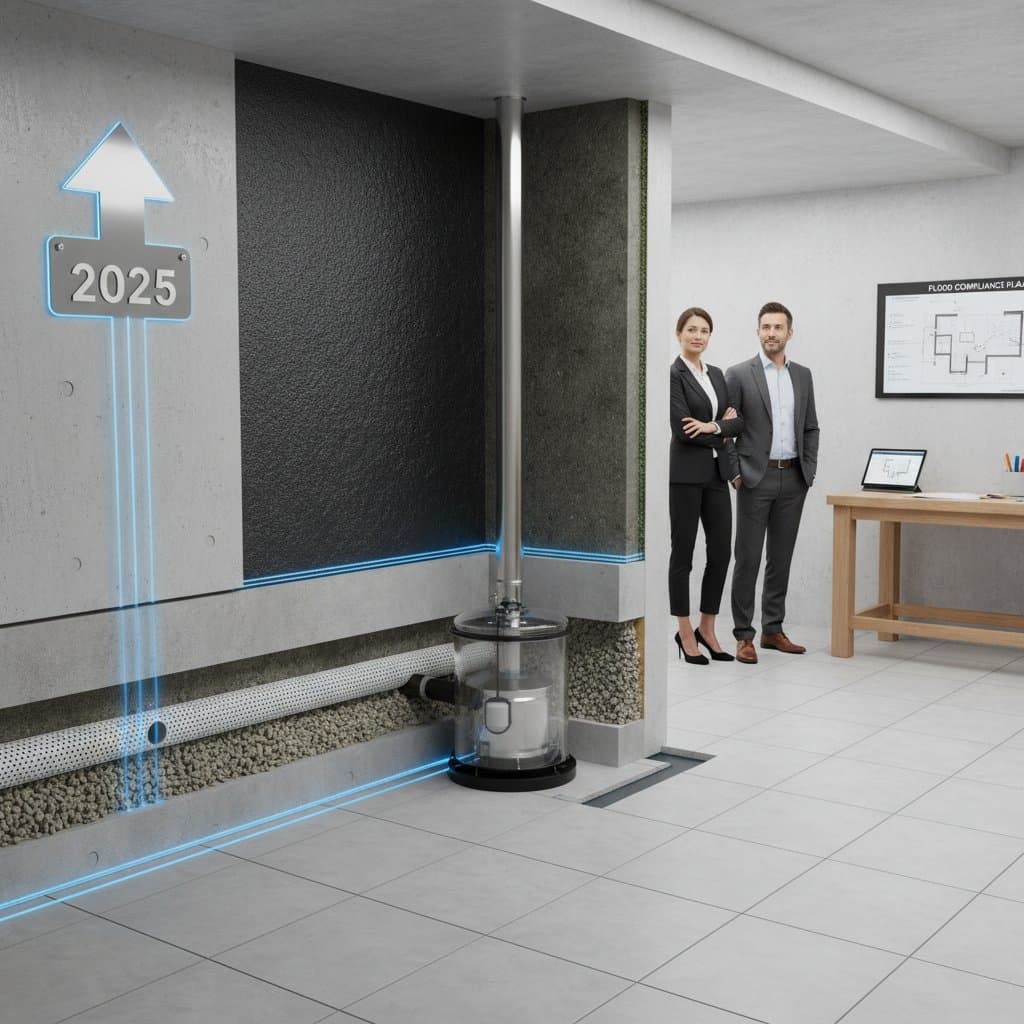
- Installed below-grade waterproofing or impermeable foundation coatings.
- Sump pump setups featuring backups and alternative power sources.
- Perimeter drainage that routes water clear of the foundation.
- Records of routine system checks and upkeep.
These rules extend to lending practices, as banks insist on flood insurance for vulnerable sites. Inadequate basement defenses can lead to premium hikes or outright policy refusals.
Analyzing Performance by Region
Requirements for basement safeguards vary with climate zones, as defined by the Department of Energy's eight divisions, each marked by unique humidity and thermal profiles.
- Zones 1-3 (Warm, Humid Areas): Intense downpours trigger most floods, unrelated to snow. Prioritize rapid dewatering and moisture barriers to curb mold proliferation.
- Zones 4-5 (Temperate Zones): Expect both rainfall and subsurface flooding. Opt for combined drainage and sealing approaches for optimal results.
- Zones 6-8 (Cooler Climates): Thaw-induced saturation prevails, with frozen soils amplifying pressure. Select insulated pump reservoirs and cold-weather discharge pipes.
Soil composition plays a critical role too. Dense clay retains moisture extended periods, unlike permeable sand, necessitating robust pumping and sustained performance.
Breakdown of Available System Types
Contemporary basement defenses combine several elements, each with specific capabilities, expenses, and operational traits.
Exterior Waterproofing Membranes
These apply flexible or clay-infused sealants directly to outer foundation surfaces.
- Effectiveness: Blocks 95 percent of liquid ingress if applied correctly.
- Ideal Applications: Fresh builds or comprehensive retrofit excavations.
- Durability: Exceeds 40 years alongside effective soil runoff management.
- Primary Drawback: Substantial expense and site disturbance from digging.
Interior Drainage Systems
Perforated pipes along inner walls collect and funnel water to a central sump.
- Effectiveness: Captures seepage prior to interior contact.
- Ideal Applications: Upgrades for homes with persistent leaks.
- Throughput: Handles 1,500 to 3,000 gallons per hour on average.
- Durability: 25 to 30 years, influenced by debris accumulation.
Sump Pump Configurations
These units serve as the hub for groundwater handling in most setups.
- Standard Units: 1/3 to 1/2 horsepower models, processing 2,000 to 4,000 gallons hourly.
- Reserve Options: Battery-operated or hydraulic alternatives for power failures.
- Critical Specification: Vertical lift capacity, or pump head, for effective ejection.
- Upkeep Routine: Clean annually and verify float mechanisms.
Sealed Vapor Barriers and Floor Coverings
Durable plastic or synthetic sheets cover floors and walls to halt moisture vapor.
- Effectiveness: Cuts humidity and dew formation, mitigating mold risks.
- Ideal Applications: Additional layers in damp or transitional zones.
- Durability: 20 years or beyond in controlled environments.
Comparing Key System Features
| System Type | Efficiency Level | Upkeep Intensity | Setup Expense | Durability (Years) | Eco Footprint |
|---|---|---|---|---|---|
| Exterior Membrane | 95% moisture resistance | Low | High | 40+ | Low post-installation |
| Interior Drainage | 85% water diversion | Moderate | Medium | 25 | Neutral |
| Sump Pump | Ongoing extraction | High | Medium | 10-15 | Depends on energy draw |
| Vapor Barrier | 80% vapor suppression | Low | Low | 20 | Lowers mold byproducts |
Merging Systems with Home Infrastructure
Effective basement protection demands seamless ties to existing electrical, drainage, and building frameworks for sustained performance.
- Power Connections: Assign separate circuits to avoid surges during pump cycles. Include deep-cycle batteries or water-powered reserves to satisfy outage protocols.
- Runoff Management: Position gutters, slopes, and border drains to channel water at least five feet from walls.
- Foundation Ties: Seal cracks with injections or resins before membrane application on aged bases.
- Climate Control Links: Pair pumps with humidity detectors to stabilize air and shield HVAC from moisture.
Weighing Costs Against Benefits
Initial outlays for these systems prove worthwhile through extended savings.
-
Initial Expenses:
-
Full exterior sealing: $15,000 to $25,000.
-
Inner drain networks: $8,000 to $15,000.
-
Pump installations with reserves: $1,500 to $3,000.
-
Ongoing Gains:
-
Insurance reductions up to 25 percent.
-
Decreased needs for mold cleanup or repairs.
-
Enhanced market value from verified protections.
Efficient pumps with adjustable speeds minimize electricity costs. Across 10 years, such investments often offset thousands in potential flood recoveries.
Achieving Installation and Regulatory Adherence
Codes for flood-prone below-grade areas require resistance to water pressure. Essential elements include:
- Uninterrupted base drains linked to sumps or surface outlets.
- Valves preventing backflow in ejection pipes.
- Protected electrical setups for pump wiring.
- Yearly documented reviews of function and flow.
- Sealants compliant with ASTM C836 standards.
Engage certified contractors or engineers for work and audits. Unauthorized modifications jeopardize policy validity.
Essential Maintenance Practices
Reliable operation hinges on regular care. Simple oversights diminish system efficacy rapidly.
- Pumps: Simulate floods quarterly by adding water; swap backup batteries biennially.
- Channels: Rinse periodically to clear obstructions.
- Barriers: Examine joints for gaps.
- Outer Seals: Monitor slopes and gutters to avoid pooling.
Adapting to Evolving Climate Threats
Projections indicate heavier rains and prolonged wet periods. Anticipate by:
- Boosting Pump Power: Deploy paired or adaptive units.
- Power Redundancy: Layer battery and water backups.
- Site Reshaping: Slope earth outward from walls.
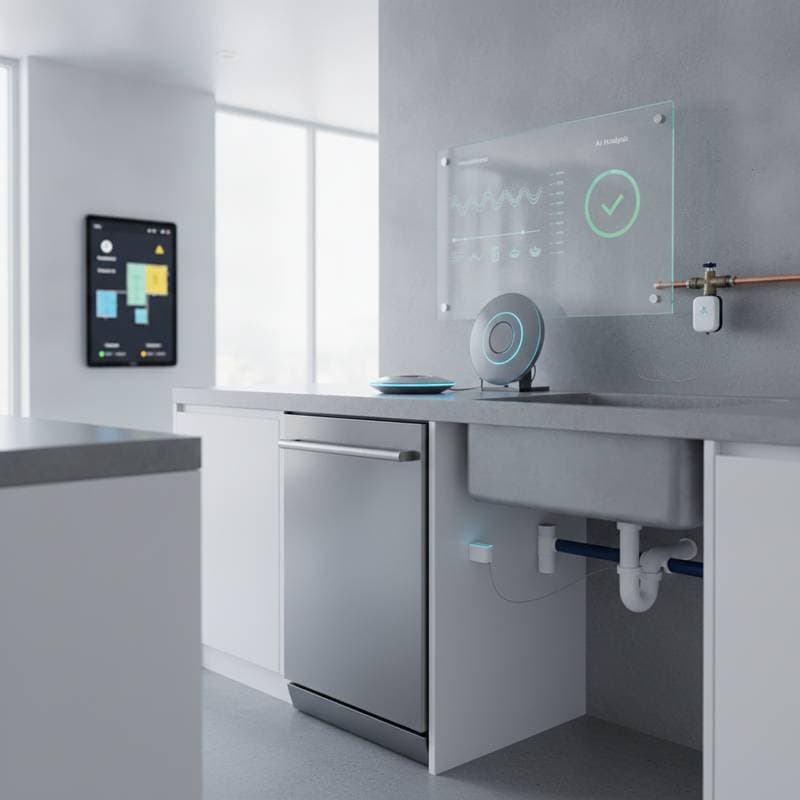
- Tech Enhancements: Use sensors for real-time alerts.
- Energy Alignment: Match pumps to emerging smart grids.
Incentive programs from utilities and insurers often subsidize upgrades; verify local options.
When to Seek Expert Guidance
Engage specialists if basements exhibit pressure signs like bulging walls or mineral deposits, if sited in flood zones, or if integrating multiple features. Engineers calculate stresses, waterproofers execute plans, and auditors assess energy ties.
Steps to Implement Basement Protection
Treat these upgrades as a unified water strategy to fulfill mandates and protect assets. Begin with a thorough site review, craft a multi-tier plan suited to your environment, and test under simulated loads.
- Evaluate: Bring in inspectors to pinpoint vulnerabilities.
- Plan: Blend drainage, extraction, and barriers to site specifics.
- Execute: Employ code-savvy professionals.
- Confirm: Inspect post-work and archive proofs.
- Track: Schedule checks and install monitors.
Securing Lasting Advantages
Compliant systems uphold codes while safeguarding value and well-being. They sustain integrity, eliminate health threats, and guarantee coverage continuity. Informed owners convert these requirements into strategic enhancements that protect homes for generations.