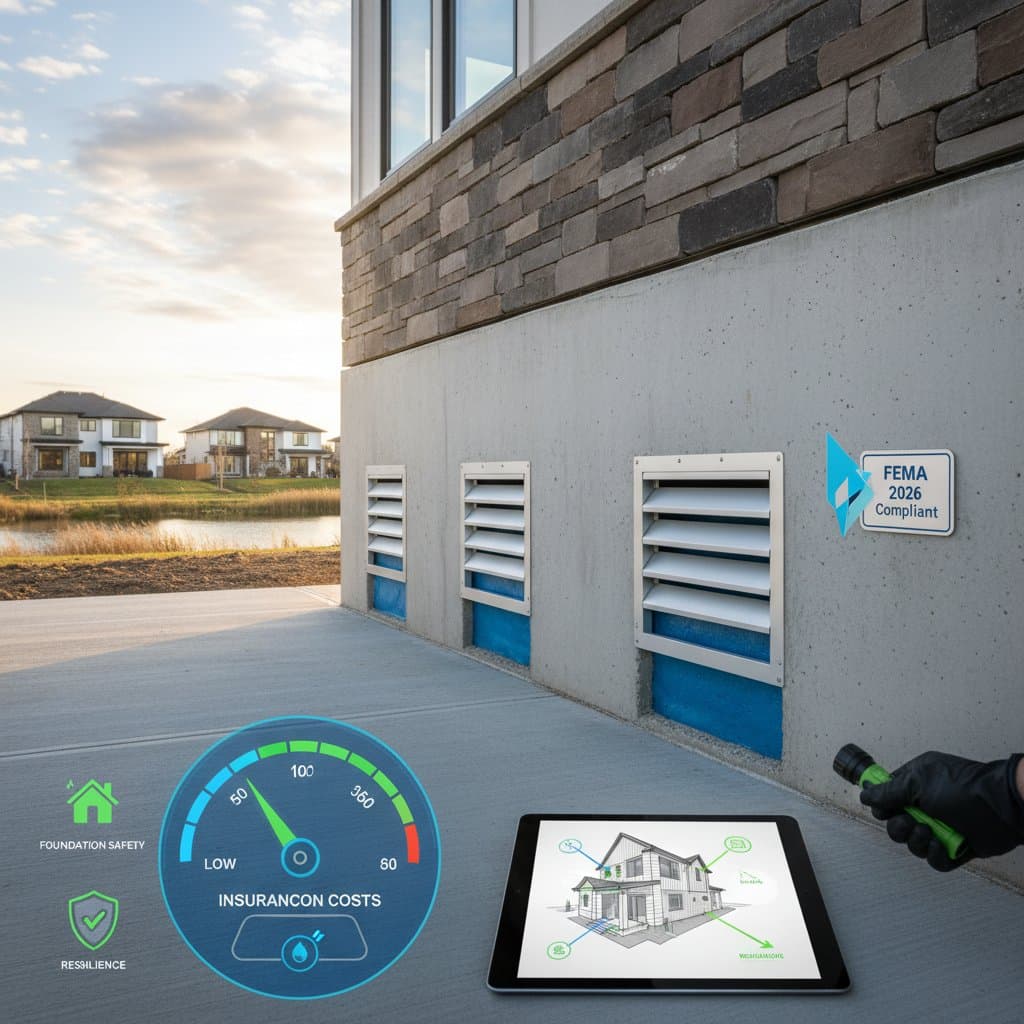
Flood Vents & Wet-Proofing: Understanding FEMA Compliance for a Safer Home
Being a homeowner in a flood-prone area can feel stressful, especially when new building codes or federal regulations come into play. You may have heard about requirements for flood vents or wet-proofing and wondered what they mean for your home. The good news is that while the topic sounds technical, you can absolutely understand and manage it with the right guidance. Flood vents and wet-proofing are not just checkboxes for compliance, they are essential tools that protect your home’s structure and help you qualify for better flood insurance rates.
This guide will help you understand what these systems do, how they work together, and what you can do to make sure your property meets FEMA compliance standards. Whether you are building a new home, renovating, or simply improving your existing foundation, knowing how to apply these principles will give you confidence and peace of mind.
Essential Maintenance Tasks for Flood Protection
For a home with flood vents and wet-proofing features, routine maintenance is critical. These systems only work if they are kept in good condition.
1. Inspect flood vents regularly.
Look for dirt, debris, or insect nests that could block the openings. Vents must stay clear to equalize water pressure during flooding.
2. Test vent covers.
If your vents have automatic covers or floats, make sure they open and close smoothly. Stuck vents cannot perform their job.
3. Check for corrosion or damage.
Metal vents can rust, and plastic ones can crack. Replace any damaged units promptly to maintain compliance.
4. Maintain wet-proofed materials.
Inspect wall coatings, sealants, and waterproof membranes. Reapply or repair them as needed to prevent moisture absorption.
5. Keep flood-prone areas uncluttered.
Avoid storing porous materials like cardboard or fabric near the floor in basements or crawl spaces. They can trap water and encourage mold growth.
DIY or Professional: Knowing Your Limits
As a homeowner, you can handle some aspects of flood protection maintenance yourself, but installation and design should usually be left to professionals familiar with FEMA standards.
You can do:
- Cleaning vents and checking for obstructions
- Reapplying waterproof coatings on small surface areas
- Monitoring humidity levels and using dehumidifiers in wet spaces
You should call a professional for:
- Installing or replacing vents
- Designing a flood-resistant foundation system
- Evaluating structural cracks or settlement issues
- Applying specialized sealants or coatings below grade
Trying to modify structural components without proper expertise can compromise compliance and safety. Licensed contractors experienced in floodplain construction can ensure your home meets both local and federal standards.
When Professional Help Is Worth the Investment
While it is satisfying to handle small tasks yourself, certain projects pay off when done by experts. Professional installers can ensure that flood vents are properly placed and certified, which directly affects your home’s flood insurance rating. Structural engineers can evaluate foundation strength and design custom wet-proofing strategies that suit your specific property elevation and soil type.
Hiring a professional also gives you documentation that can be essential for compliance verification and insurance claims. That paperwork can be just as valuable as the physical work itself.
Long-Term Maintenance for FEMA Compliance
Compliance is not something you set once and forget. FEMA and local floodplain managers expect ongoing maintenance for your systems to remain effective. Keep a simple maintenance calendar:
- Quarterly: Inspect and clean flood vents.
- Twice per year: Check sealants and waterproof coatings.
- Annually: Schedule a professional inspection if your area experiences frequent flooding or heavy rainfall.
Keep records of all inspections, repairs, and upgrades. Having documentation ready can make insurance renewals or property sales much smoother.
Building on Your Knowledge
Once you understand the basics of flood vents and wet-proofing, you can expand your knowledge by exploring community workshops or local building department resources. Many local governments offer floodplain management guides tailored to your region. You can also connect with certified floodplain managers who can review your property’s elevation certificate and explain your options for further improvements.
Making It Happen
Understanding flood vents and wet-proofing gives you the confidence to take control of your home’s flood safety. You now know how these systems work, what maintenance they require, and how to balance DIY care with professional expertise.
Your next steps are simple: schedule a basic inspection of your vents, clean them thoroughly, and document what you find. If you notice damage or signs of moisture intrusion, contact a qualified contractor to discuss repair or replacement.
Homeownership in a flood-prone area may feel intimidating, but with knowledge and routine care, you can keep your property safe and resilient. Remember, learning about your home’s systems is an ongoing process.