Why Spring Defensible Space Cuts Fire Risk in Half
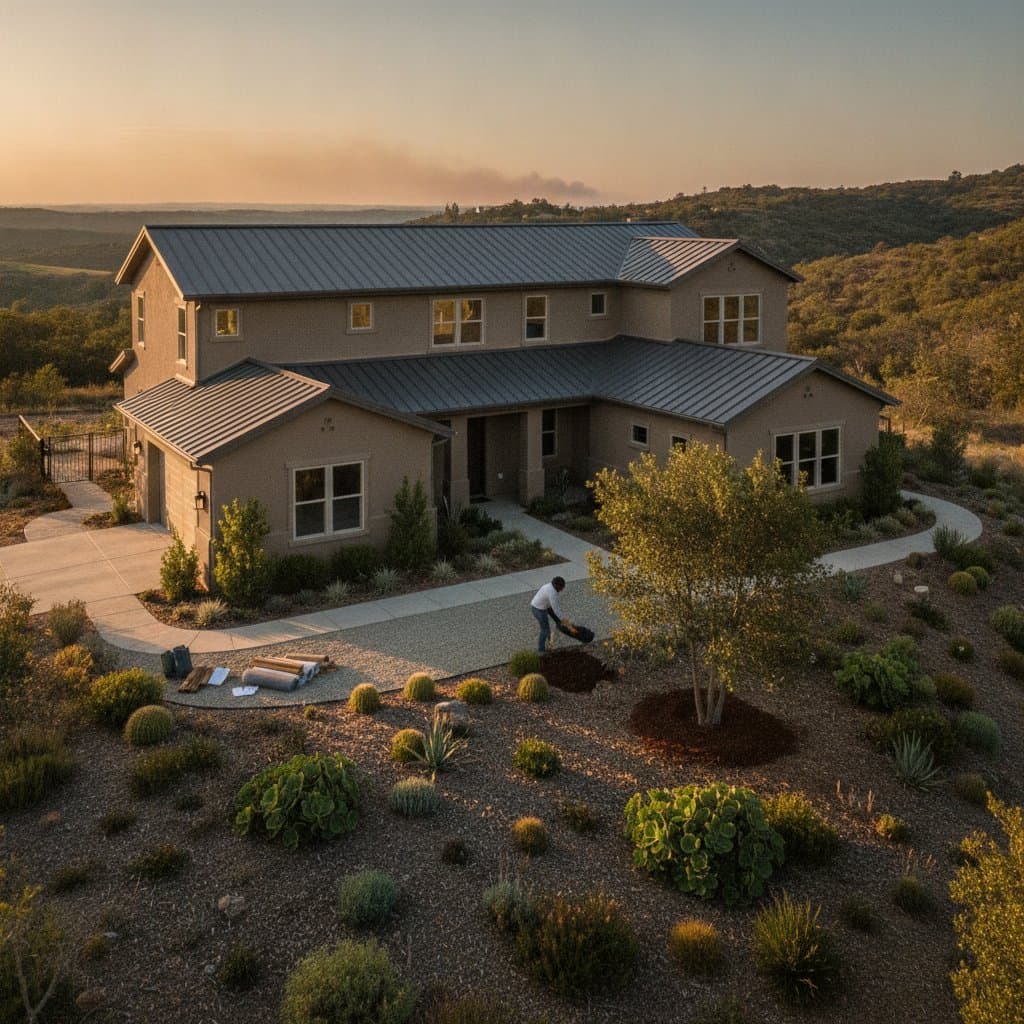
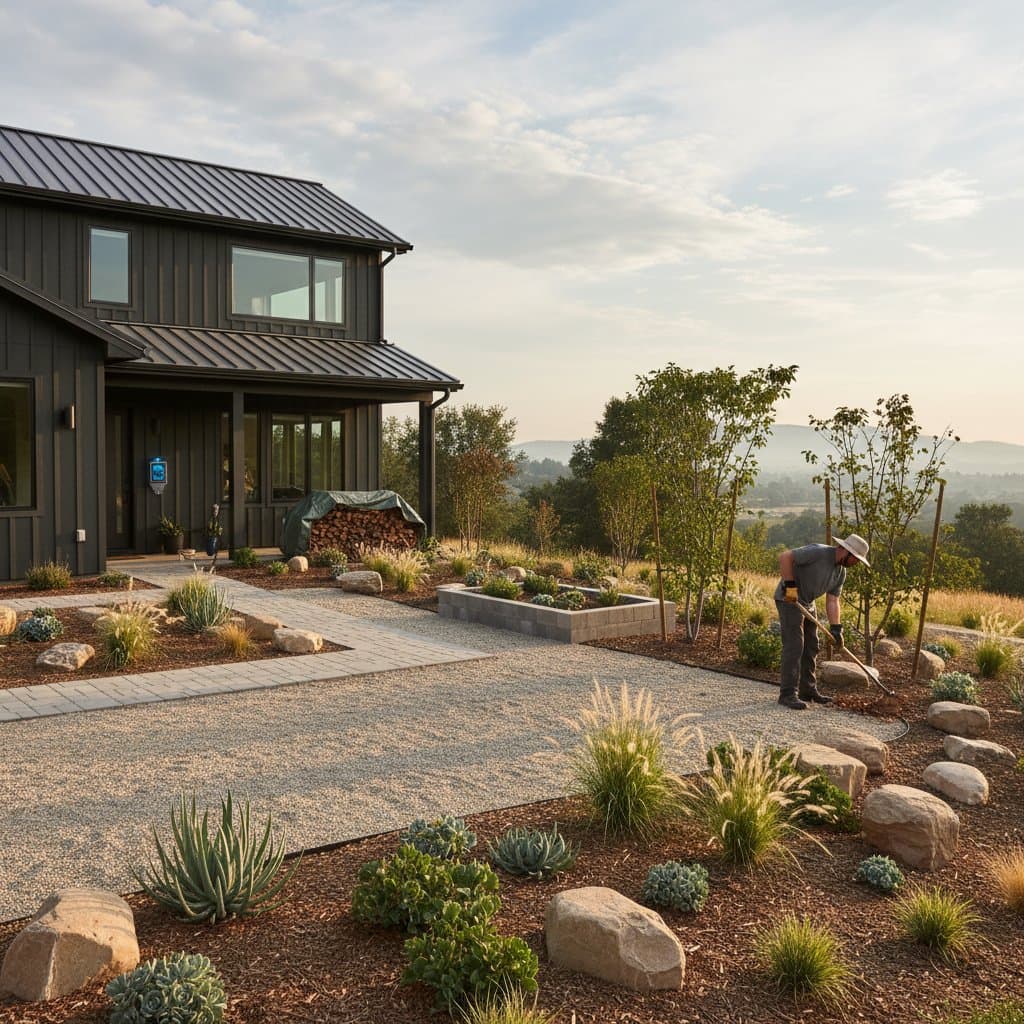
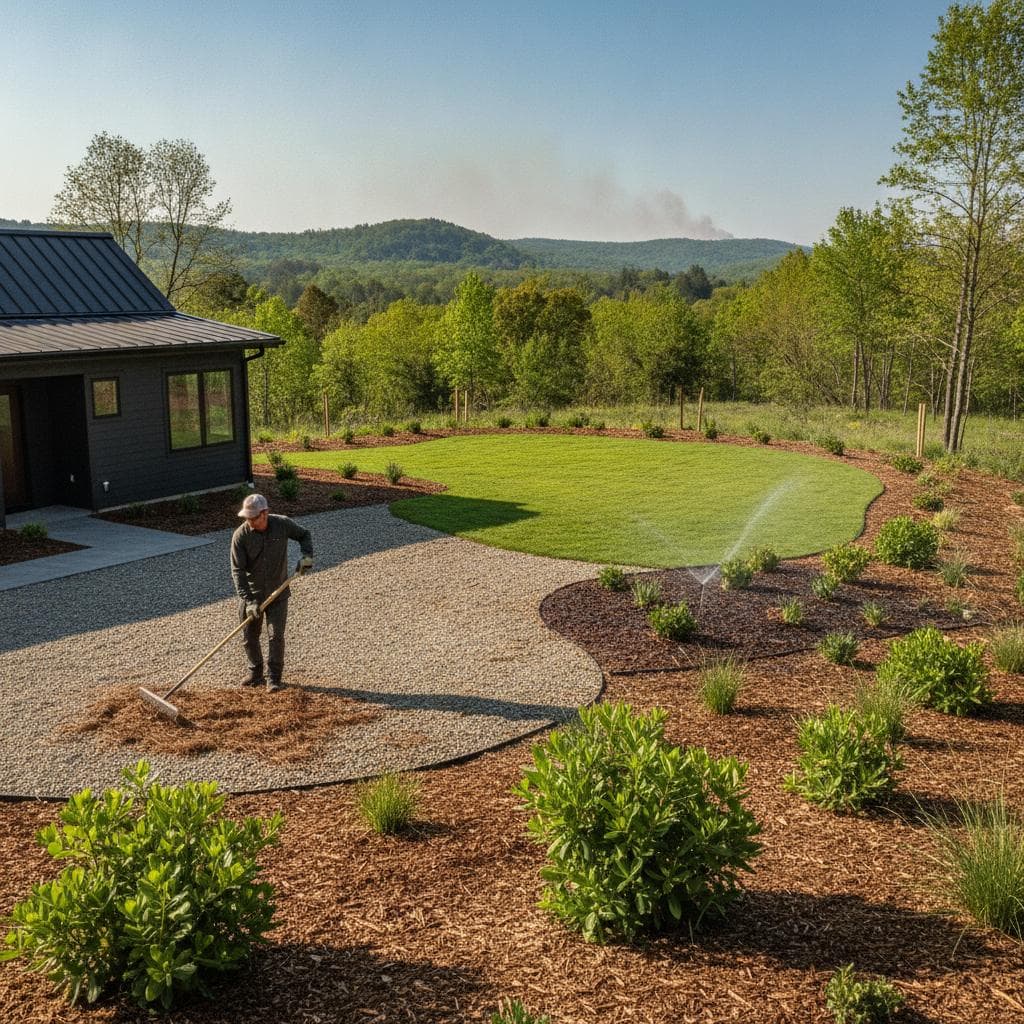
Spring is the right season to create defensible space. This guide covers zone requirements, plant spacing, moisture control, and maintenance steps that reduce fire risk and support code compliance.

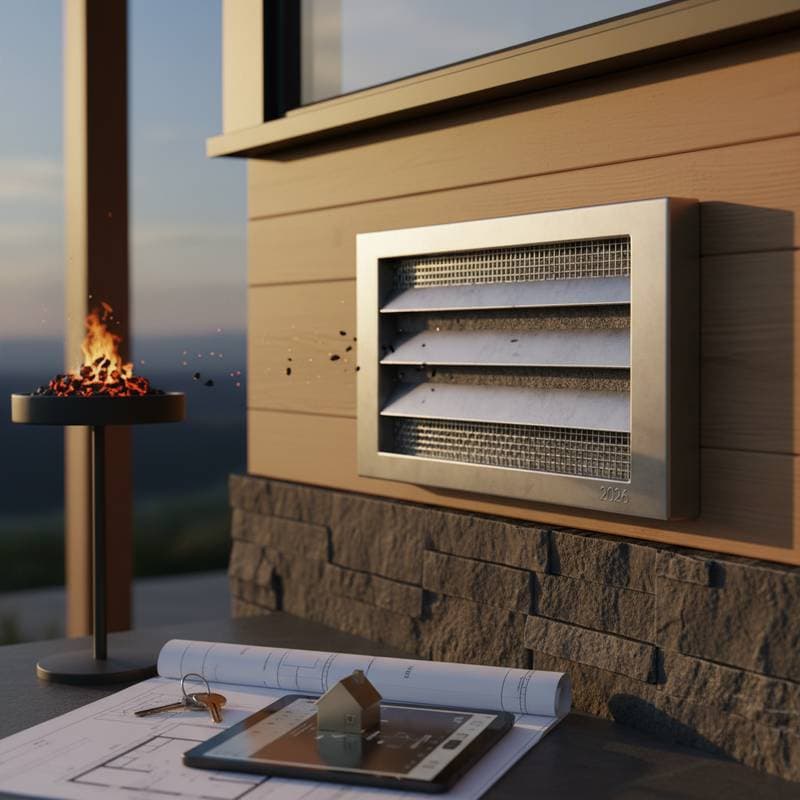
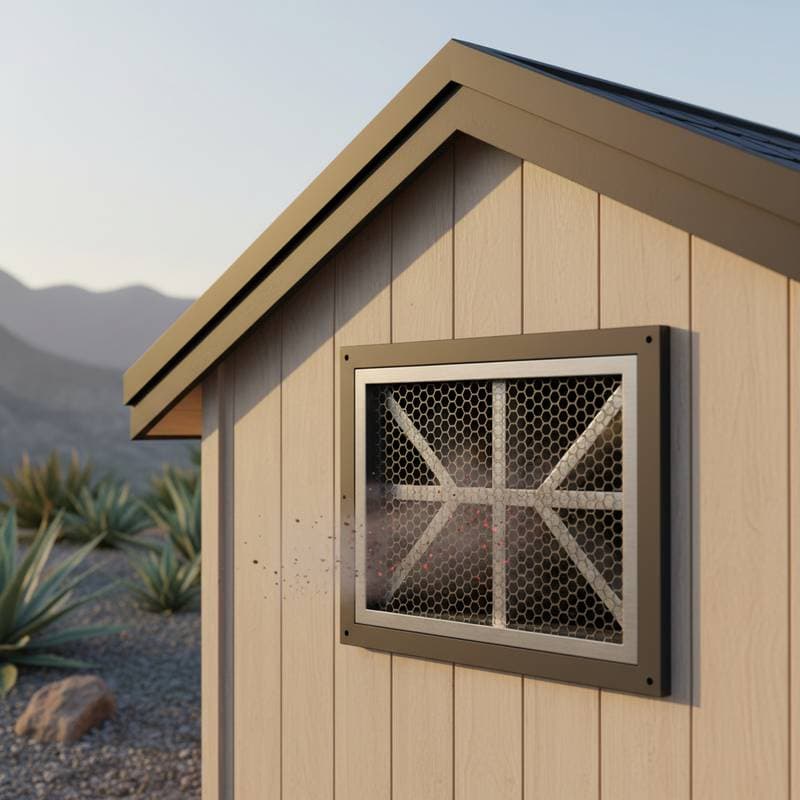
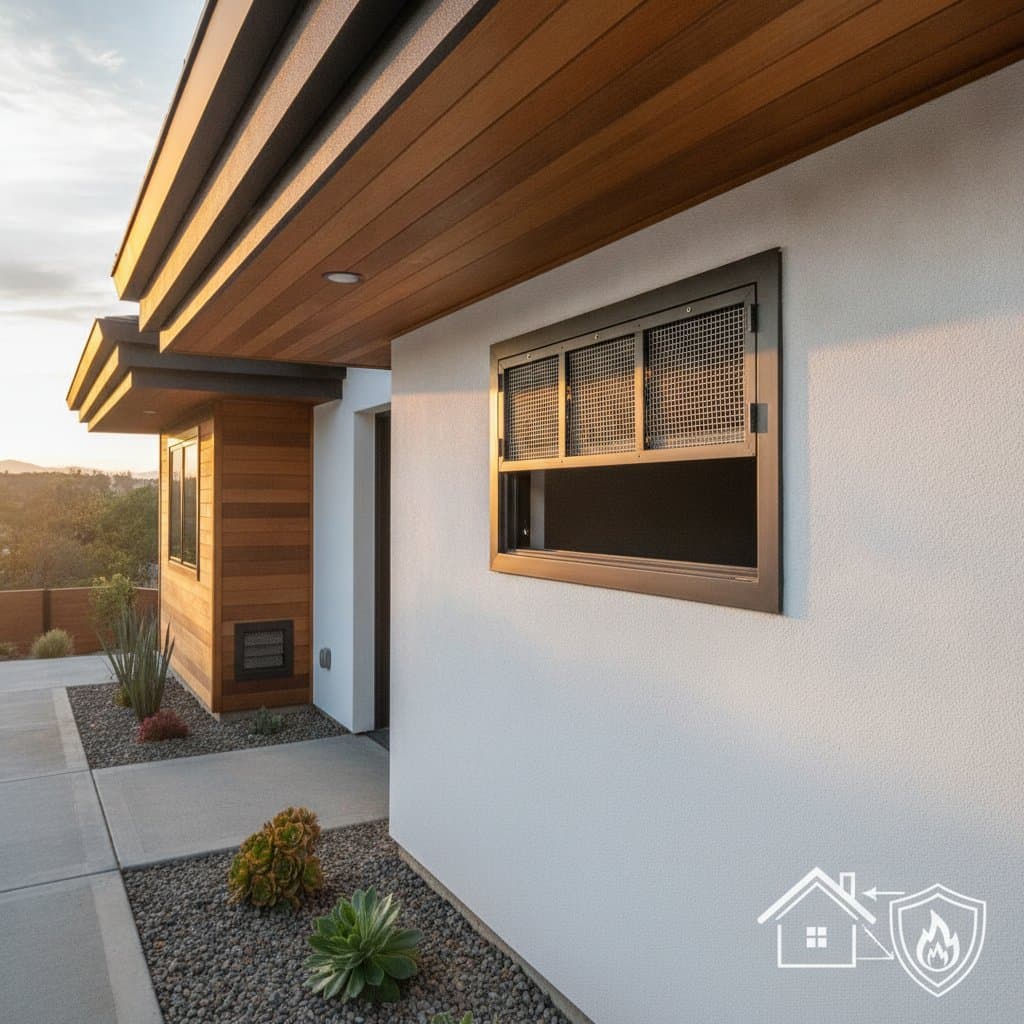
Ember vents replace standard openings with wildfire-tested screens, baffles, or heat-activated seals that help block windblown embers from entering attics, crawlspaces, and soffits. Proper installation preserves ventilation, curb appeal, and moisture control while strengthening buyer confidence and supporting insurance discussions. Learn how this practical retrofit improves resilience, documentation, and home value.
Explore our collection of wildfire related content
Spring is the right season to create defensible space. This guide covers zone requirements, plant spacing, moisture control, and maintenance steps that reduce fire risk and support code compliance.
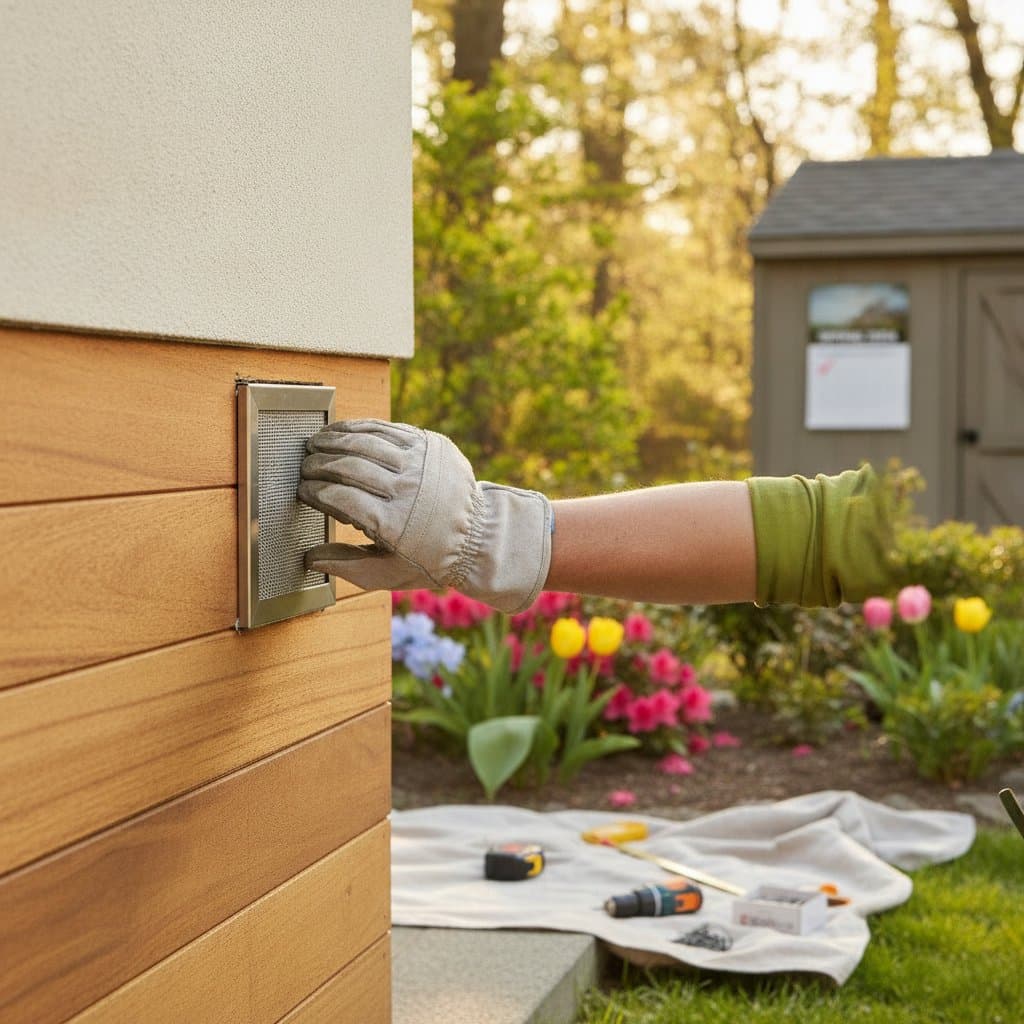
Spring is the ideal time to upgrade attic and foundation vents with ember resistant models that block wildfire embers while maintaining airflow. Learn how these vents work, compare costs, explore DIY versus professional options, and discover maintenance tips that boost safety, lower insurance premiums, and strengthen home wildfire defense.
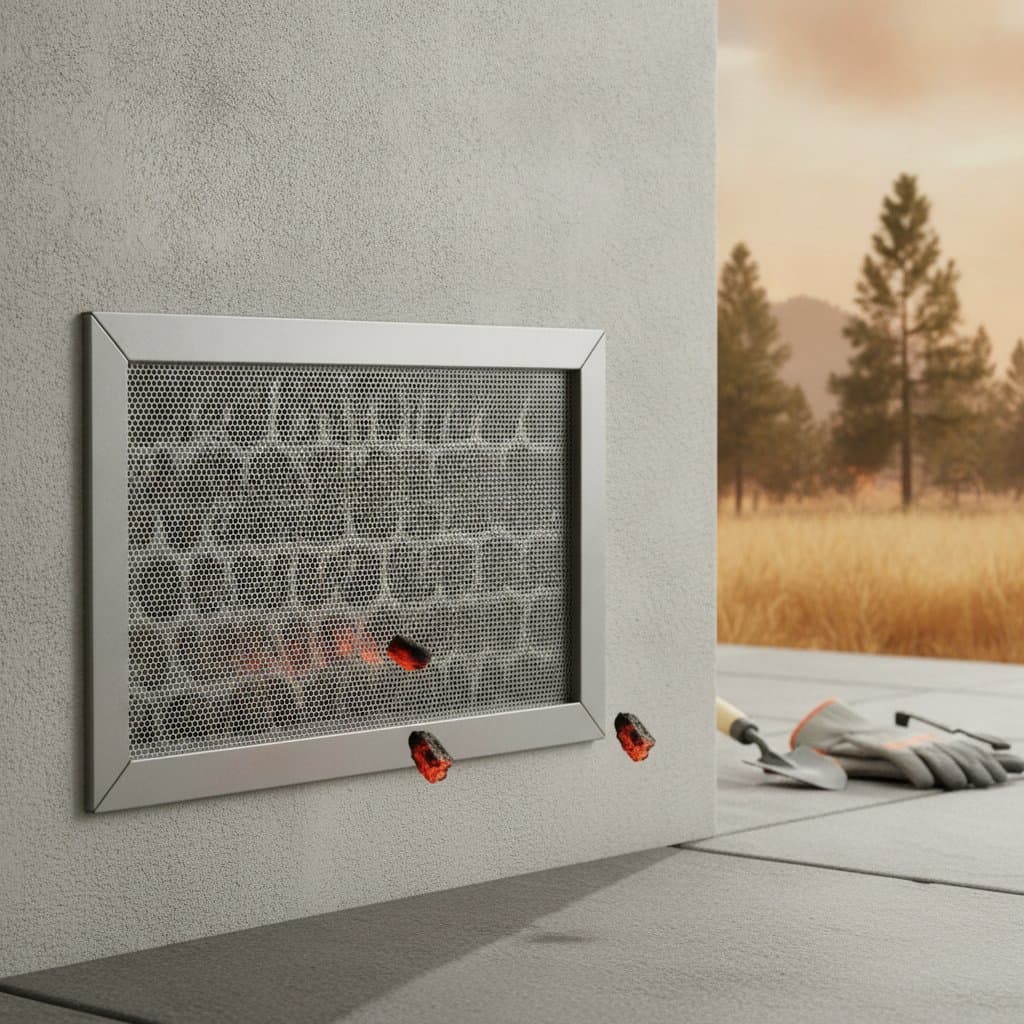
Ember resistant vents combine airflow control with ember filtration to stop attic ignition. Homeowners in wildfire zones gain code compliant protection and lasting resilience by selecting the right vent type and maintaining it properly.
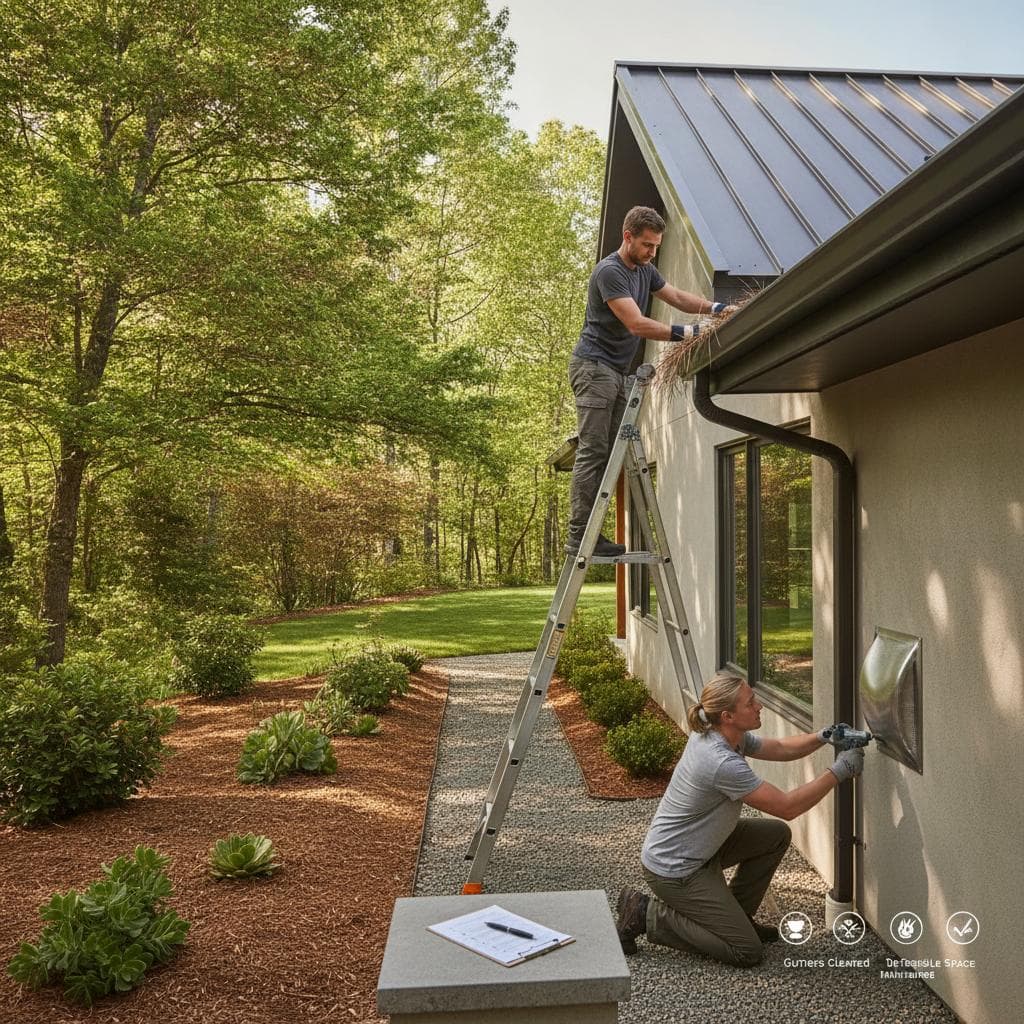
Spring maintenance offers a direct way to reduce wildfire ember risks. Cleaning debris, sealing vents, and managing vegetation around the home interrupt ignition pathways before flames arrive.
Ember resistant vents block wind-driven debris and reduce attic ignition risk by more than 90 percent. This guide covers costs, code requirements, optimal installation timing, and maintenance practices for homes in wildfire-prone areas.
Wildfires often destroy homes through drifting embers rather than direct flames. This checklist shows how to fortify a property from roof to foundation with ember-resistant materials, defensible landscaping, and regular maintenance. Review cost estimates, practical steps, and incentive options to strengthen long-term resilience.
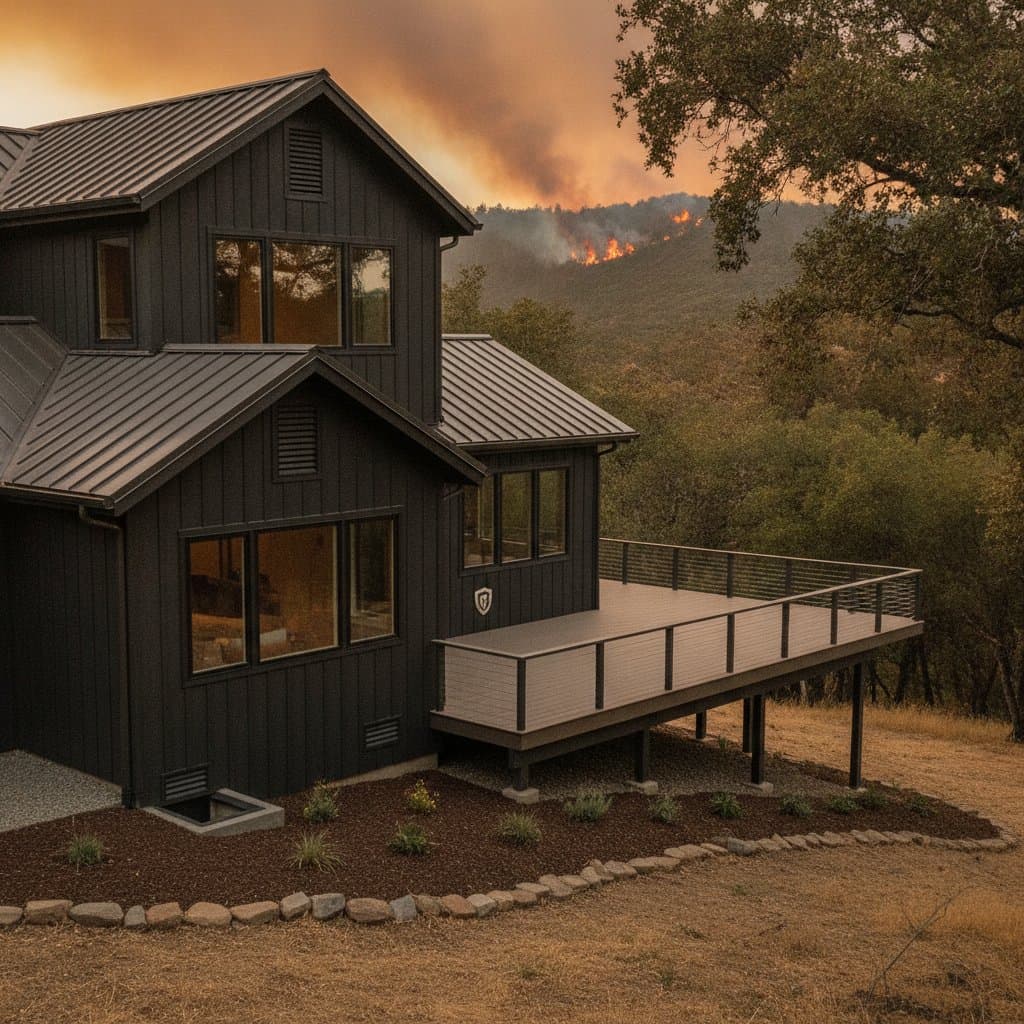
Upgrading vents and decks can determine whether a home survives a wildfire. This guide details ember resistant materials, proper timing, and maintenance practices that protect property, lower insurance premiums, and support long term value.
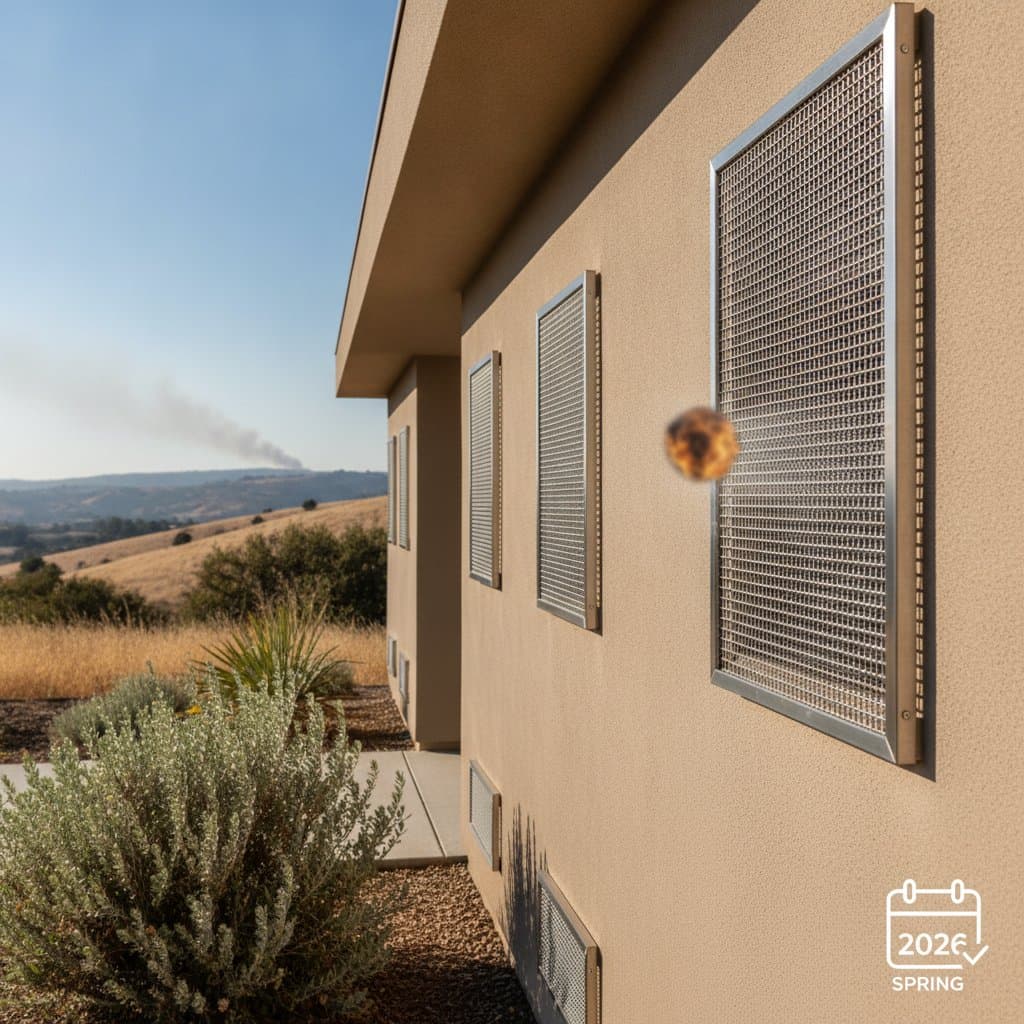
By 2026 ember screens will be required in many high risk zones. These meshes block embers while preserving ventilation and may qualify homes for insurance discounts. Learn costs, materials, installation, and upkeep steps.
By 2026, wildfire insurance rules will require ember resistant screens on home vents in high risk areas. These fine metal meshes block flying embers that ignite homes, offering vital protection and potential premium discounts. Early installation boosts compliance, resilience, and savings for wildfire prone properties.
Embers travel farther than flames and ignite homes from the inside. This guide provides a focused spring checklist to seal openings, upgrade materials, and maintain vegetation so your property stands a better chance during wildfire season.
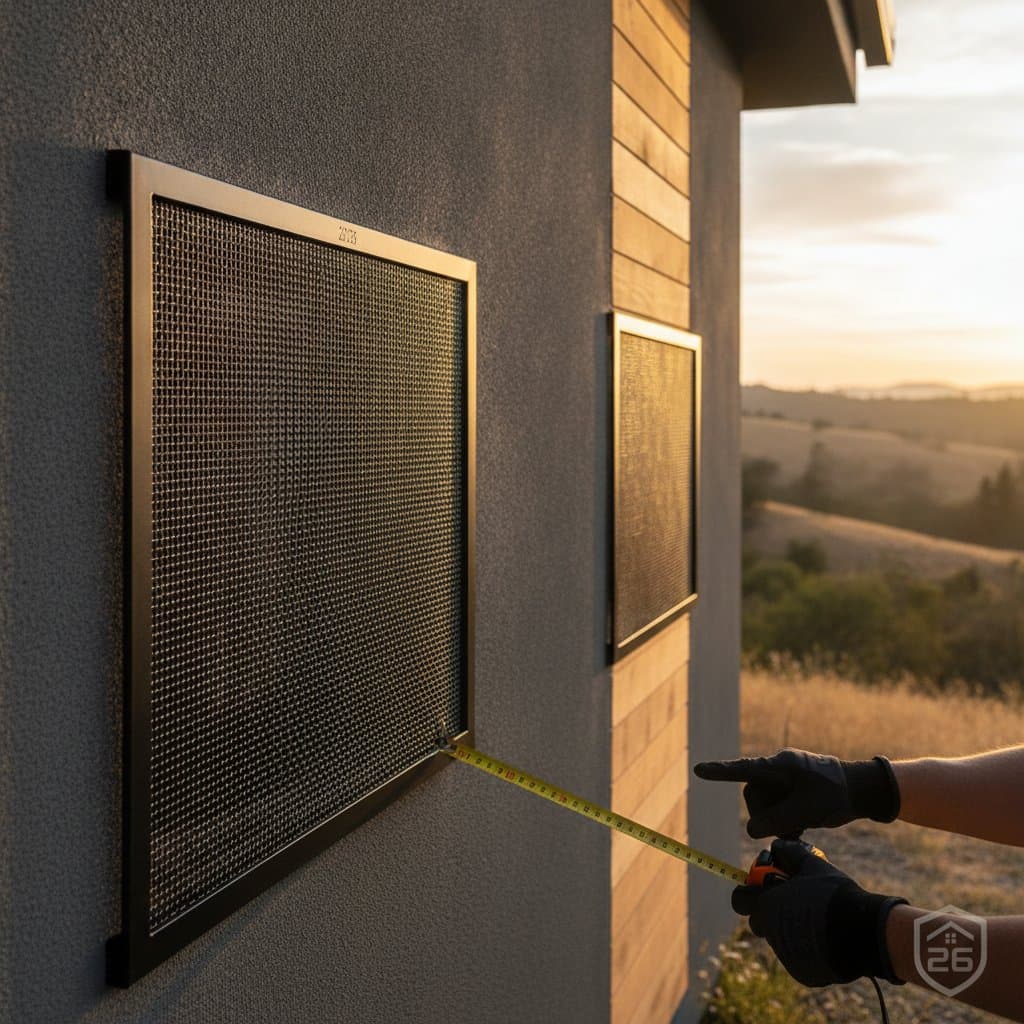
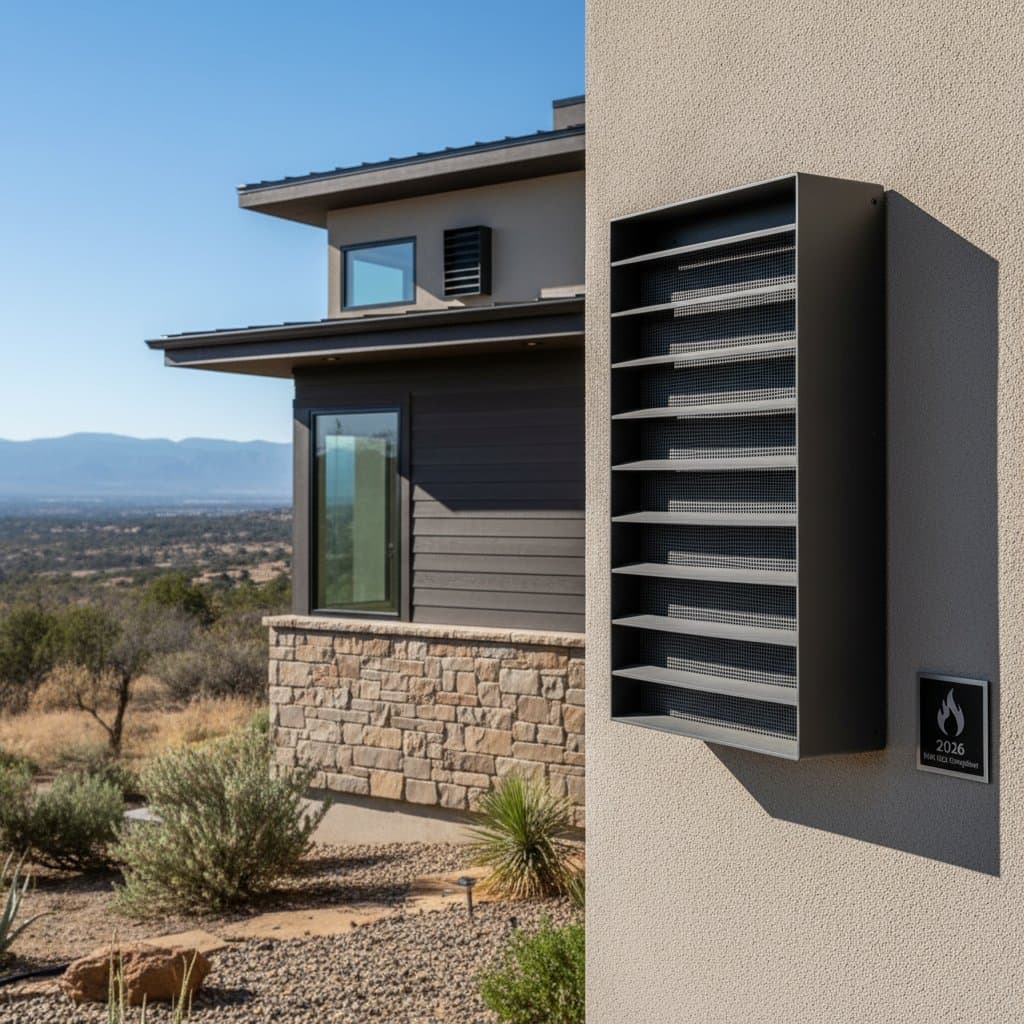
New 2026 standards require ember resistant vents with specific mesh sizes and certifications. Learn how to select, install, and document compliant vents to reduce wildfire risk and support insurance and resale goals.
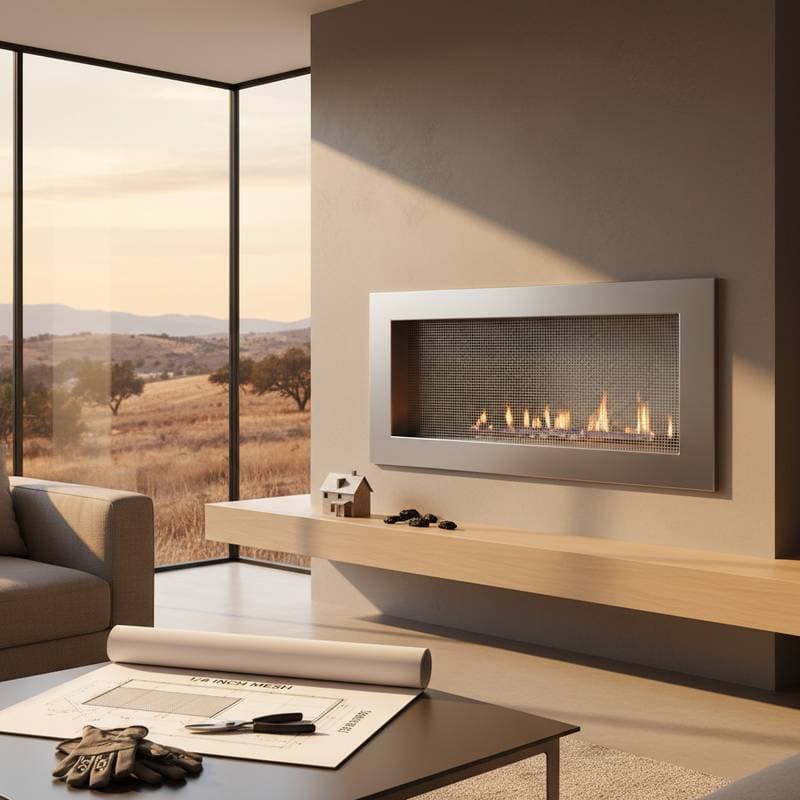
Wildfire embers pose a significant threat by entering homes through unprotected vents, potentially igniting interiors. Ember-resistant vent screens, particularly those made from stainless steel with 1/8-inch mesh, provide crucial defense, help meet updated building codes, and may lower insurance expenses. This guide covers material selection, installation methods, ongoing maintenance, and strategic timing to fortify your property.
Elevate your home's wildfire resilience through targeted, attractive upgrades. Ember-resistant vents, Class A roofing, non-combustible siding, durable decking, and strategic landscaping form a comprehensive defense. These code-compliant enhancements secure your property and deliver enduring family tranquility in high-risk areas.
The 2026 ember-resistant vent standards introduce enhanced mesh designs, superior heat tolerance, and optimized airflow to fortify homes against wildfires. Installation costs range from $850 to $2,200, yielding insurance discounts, elevated resale values, and essential protection. Explore the advantages of proactive upgrades, quality materials, and professional installation to secure your property.
The 2026 Ember Vents offer innovative wildfire defense through durable stainless-steel mesh and heat-reactive coatings that block embers while preserving ventilation. Code-compliant and easy to maintain, they provide essential protection and aesthetic integration for homes in high-risk zones, delivering enduring security.
The 2026 wildfire yard regulations elevate landscaping as a critical shield against embers. This guide details zone-based strategies, material selections, cost-effective approaches, and professional versus DIY options to secure your home while increasing its appeal and worth.
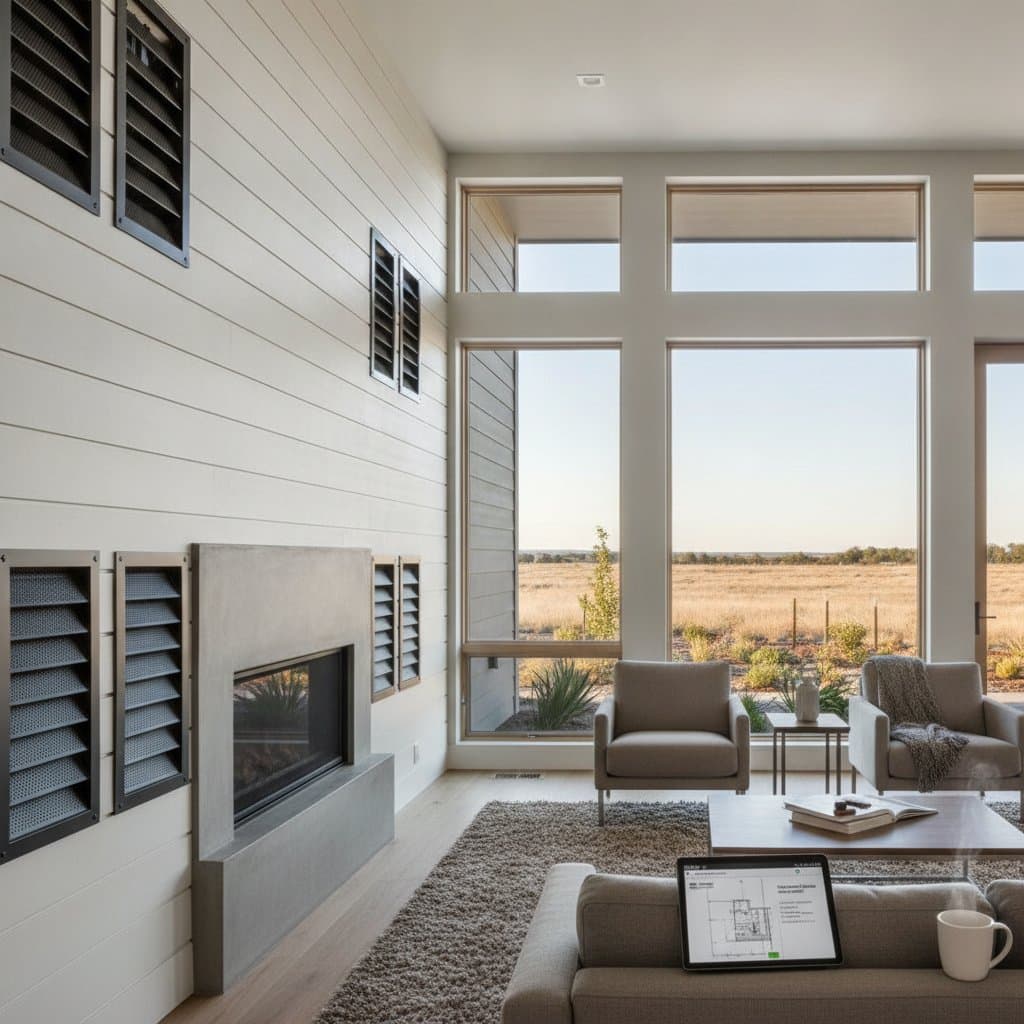
Starting in 2026, new building codes mandate ember-resistant vents to bolster wildfire defense in high-risk areas. These vents permit essential airflow yet block invasive embers, delivering robust protection, energy savings, and compliance with Wildland-Urban Interface regulations. Homeowners gain practical insights into vent options, costs, and maintenance to fortify their properties effectively.
As wildfire seasons grow more severe, embers emerge as the primary threat to homes, igniting structures far from the main blaze. This comprehensive guide outlines targeted upgrades for roofs, vents, siding, and landscaping, complete with cost breakdowns, DIY options, and professional recommendations to enhance safety and value ahead of 2026.
With escalating wildfire threats, insurers mandate ember-resistant vents for policy eligibility. These devices prevent ember ignition, reduce premiums, and enhance home safety. Explore their functionality, expenses, selection process, and installation options for compliance in fire-prone regions.