Why Mold-Resistant Materials Are Now Building Code
Barrier

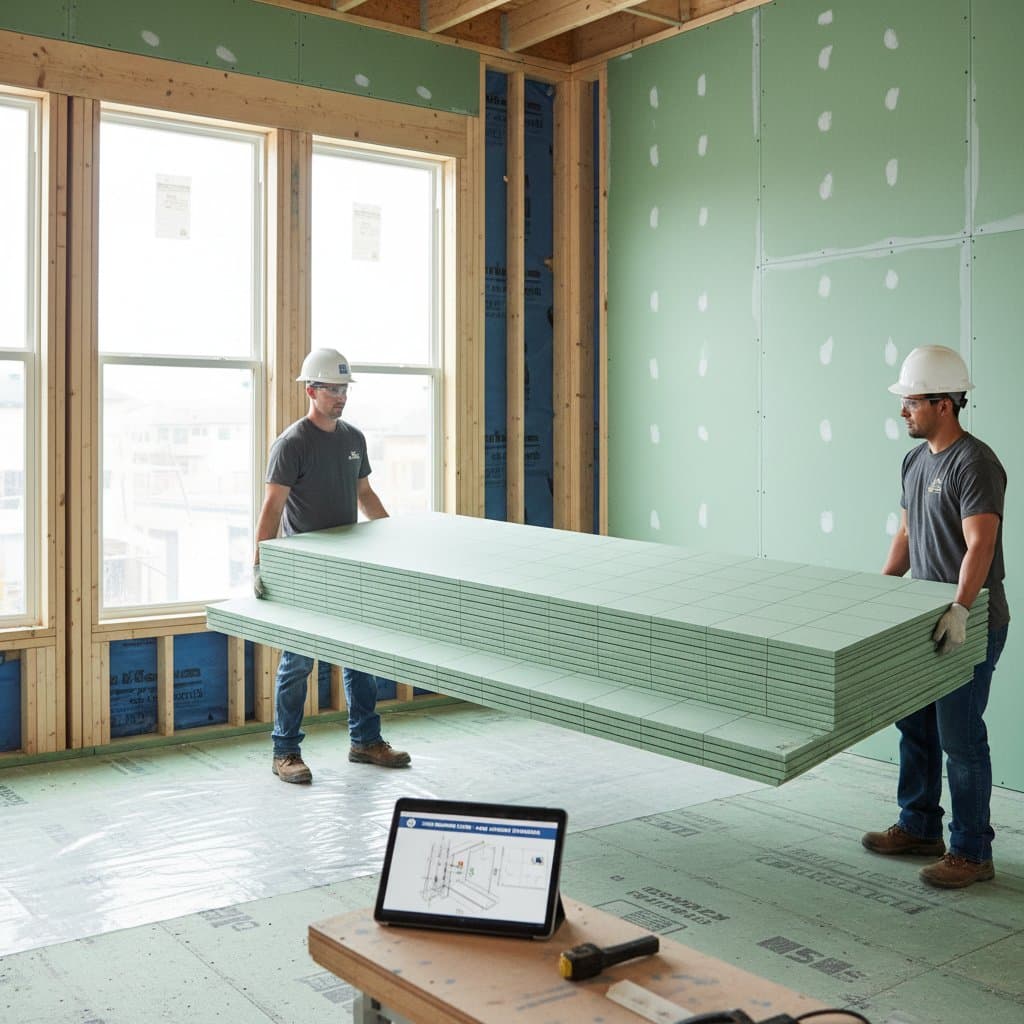
Why Mold-Resistant Materials Are Now Building Code

By 2026, building codes mandate mold-resistant materials to combat rising moisture risks. Homeowners benefit from healthier indoor environments, lower repair costs, and enhanced property values through durable options like specialized drywall and insulation.

By Katlyn PolinoFebruary 25, 2026
Read Article

More articles tagged #Barrier

Explore our collection of barrier related content

New 2026 Codes Stop Mold Before It Starts in Floods

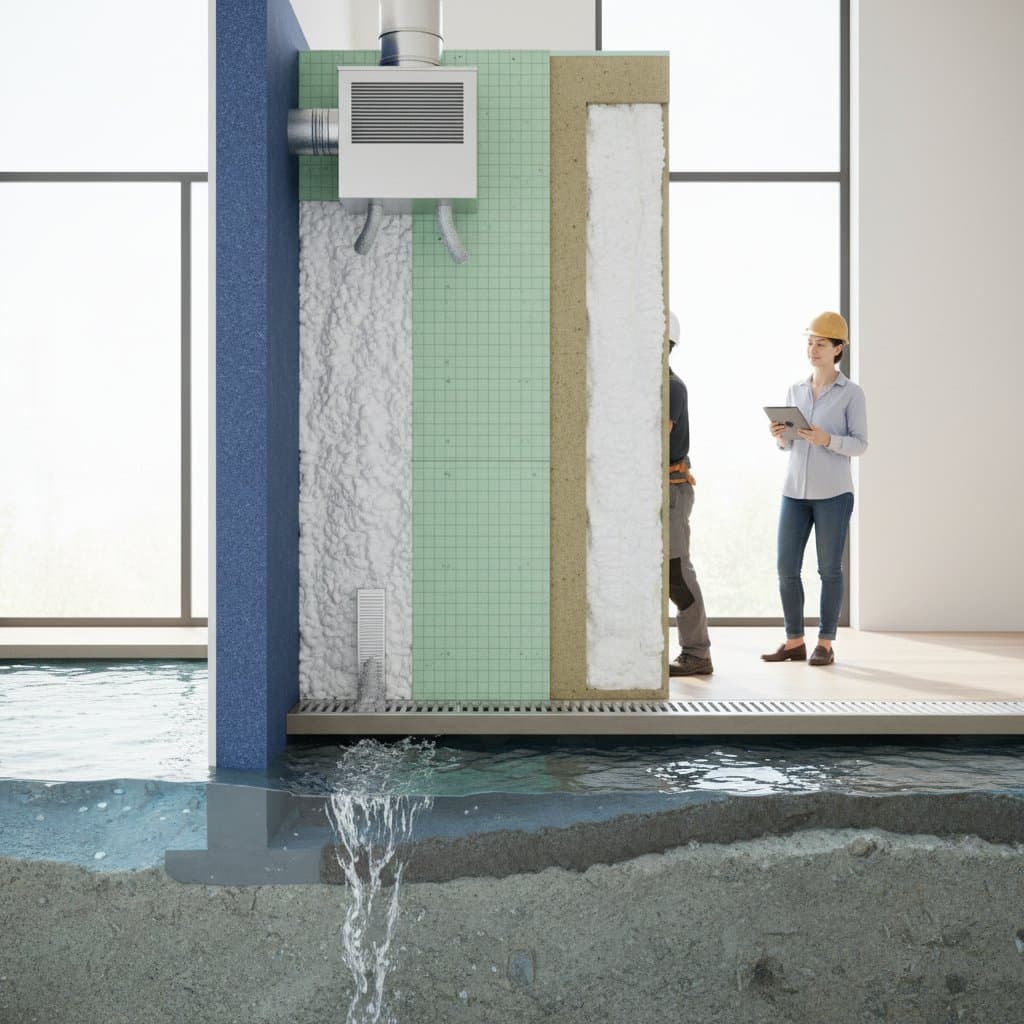
New 2026 Codes Stop Mold Before It Starts in Floods

2026 building codes enhance flood resistance through innovative moisture management, mold-inhibiting materials, and optimized drainage. These measures deliver robust defenses against post-flood mold, elevated air quality protocols, and homeowner maintenance protocols. Understand how such reforms preserve home integrity, promote wellness, and enhance longevity for sustained tranquility.

Nicole BarkerJan 25
Mold-Resistant Materials That End Bathroom Cleaning

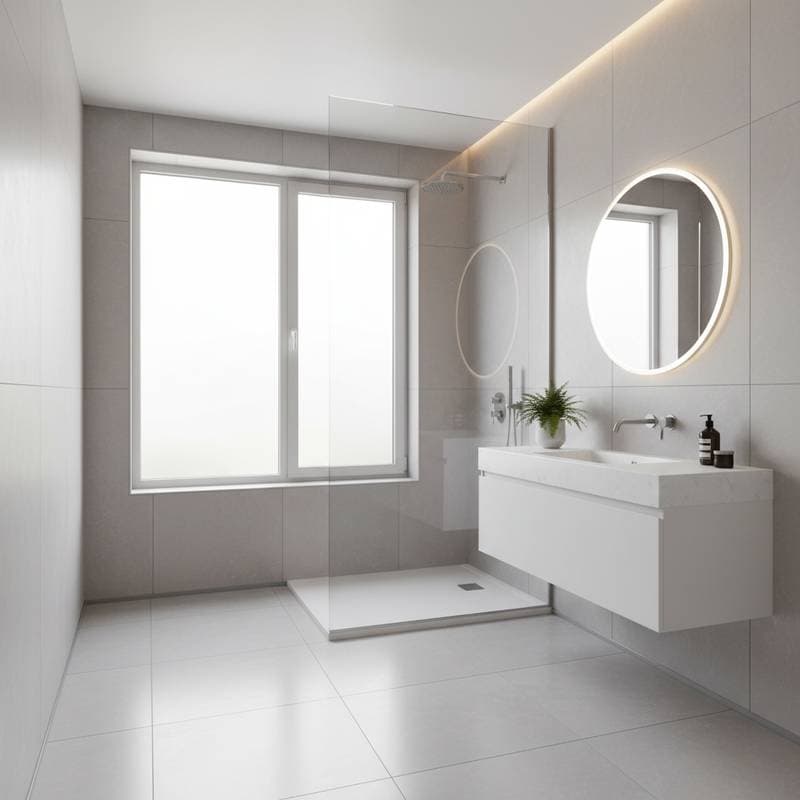
Mold-Resistant Materials That End Bathroom Cleaning

Transform your bathroom into a mold-free sanctuary with 2025's innovative materials. Seamless panels, antimicrobial grout, and durable surfaces prevent moisture buildup, reduce upkeep, and maintain air quality. Discover practical choices that deliver long-term savings and elevated home appeal.

Cody GautsonDec 27

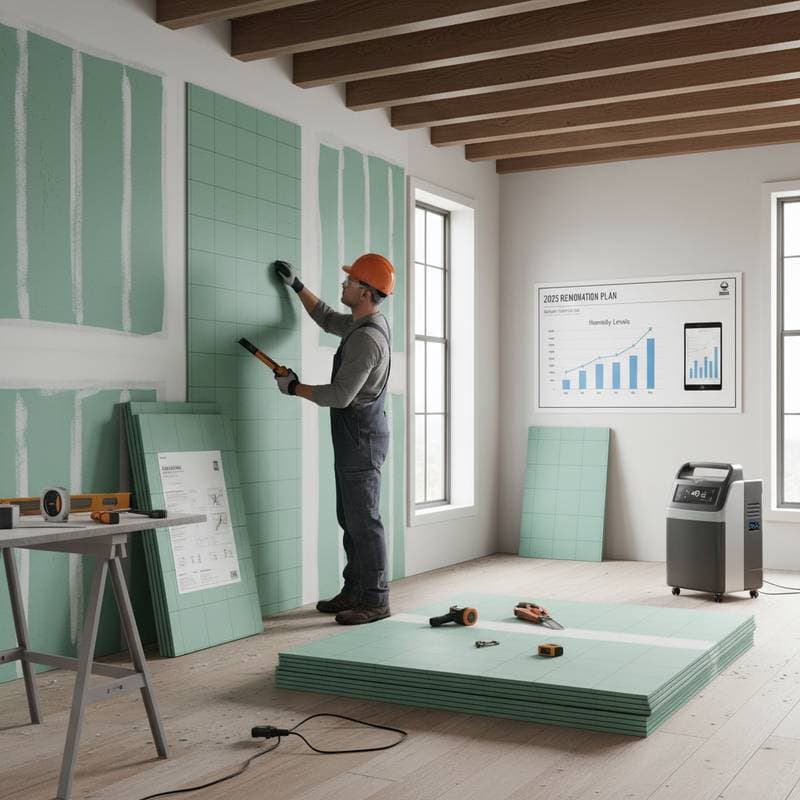
Mold-Resistant Drywall Pays for Itself in 2025

Increasing tariffs and rising humidity levels prompt homeowners to choose mold-resistant drywall in 2025. Despite higher initial costs, its moisture-resistant properties prevent expensive mold remediation, enhance indoor air quality, and increase property value. Review optimal product types, installation strategies, and upkeep advice to defend against persistent humidity risks throughout the year.

5 min read
By Katlyn Polino