Understanding Greywater Systems
Greywater refers to wastewater from sources such as bathroom sinks, showers, bathtubs, and washing machines. This water, unlike blackwater from toilets, requires minimal treatment for safe reuse in landscape irrigation or toilet flushing. Implementing a greywater system allows households to redirect this resource away from sewer systems and toward practical applications.
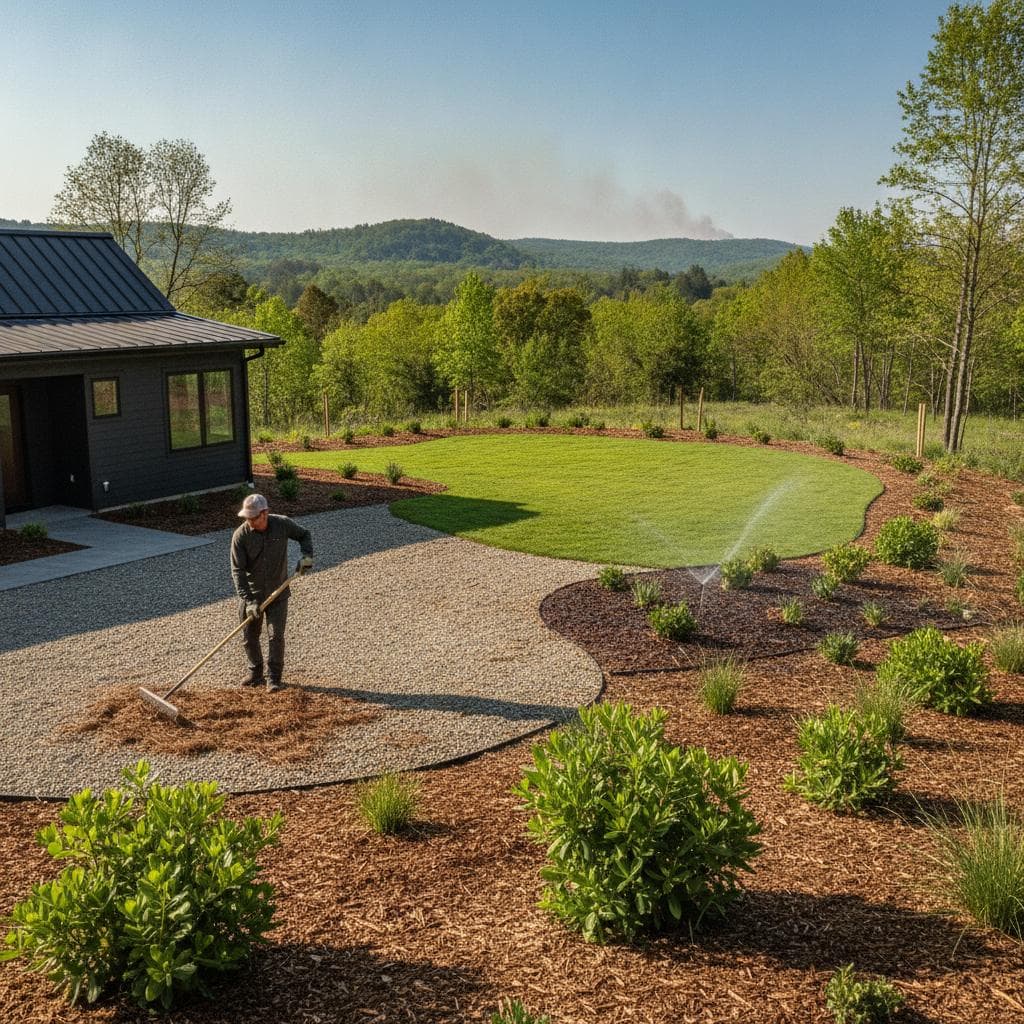
The process begins with simple diversion techniques or advances to more complex filtration setups. Basic systems capture water directly from fixtures and route it to garden beds through mulch basins. Advanced installations incorporate pumps and treatment units to ensure quality for broader uses.
Homeowners benefit from immediate reductions in water demand. In regions facing water scarcity, these systems provide a reliable method to maintain landscapes without drawing from municipal supplies.
Benefits of Greywater Reuse
Adopting greywater practices yields substantial savings on water bills. A typical household uses thousands of gallons annually for irrigation alone, and greywater diversion can offset a significant portion of that volume. Over time, these savings accumulate, particularly as water rates continue to rise in many areas.
Environmental advantages extend beyond cost reductions. By reusing water on-site, properties decrease reliance on imported supplies, easing pressure on local aquifers and treatment facilities. This shift supports broader goals of water conservation and reduces the carbon footprint associated with water delivery.
Properties equipped with greywater systems often see increased resilience during droughts. Landscaping remains viable even under restrictions, preserving curb appeal and ecological balance. Additionally, such installations align with building codes that incentivize sustainable features.
Exploring 2026 Rebate Programs
Several programs offer financial incentives for greywater installations, with expansions planned for 2026. Local utilities and state agencies provide rebates ranging from a few hundred to several thousand dollars, depending on system complexity. These funds typically cover materials, labor, and permitting fees.
Federal initiatives, such as those under energy efficiency grants, may also apply to water-saving technologies. Homeowners qualify by demonstrating projected savings through system specifications. Applications require documentation of installation by certified professionals to ensure compliance.
Rebate amounts vary by region, but stacking opportunities emerge when combining sources. For instance, a municipal program might offer base funding, supplemented by nonprofit grants focused on sustainability. Planning ahead ensures access to the full spectrum of available support.
Strategies for Stacking Rebates
To maximize incentives, homeowners identify overlapping programs early in the planning phase. Start by reviewing utility websites and state environmental departments for current offerings. Cross-reference eligibility criteria to avoid duplication conflicts.
- Apply for the primary local rebate first, as it often serves as a prerequisite for additional funding.
- Layer in state-level incentives, such as those tied to drought mitigation efforts.
- Incorporate federal tax credits if the system qualifies under energy conservation categories.
- Seek supplemental grants from water conservation organizations or homeowner associations.
Consultation with a rebate specialist or installer streamlines the process. Documentation of system design and expected performance strengthens applications. Successful stacking can cover up to 80 percent of costs, making installations more accessible.
Step-by-Step Installation Guide
Assess your property's suitability before proceeding. Evaluate water usage patterns, soil types, and available space for distribution lines. Engage a professional for a site-specific audit to confirm feasibility.
Select the appropriate system type based on needs. Laundry-to-landscape setups suit simple irrigation, while full-home systems handle multiple sources with advanced treatment. Budget for permits, which vary by locality but ensure safe implementation.
Installation involves several key phases:
- Plumbing Modifications: Connect fixtures to a diversion valve, allowing manual or automatic switching between sewer and reuse modes.
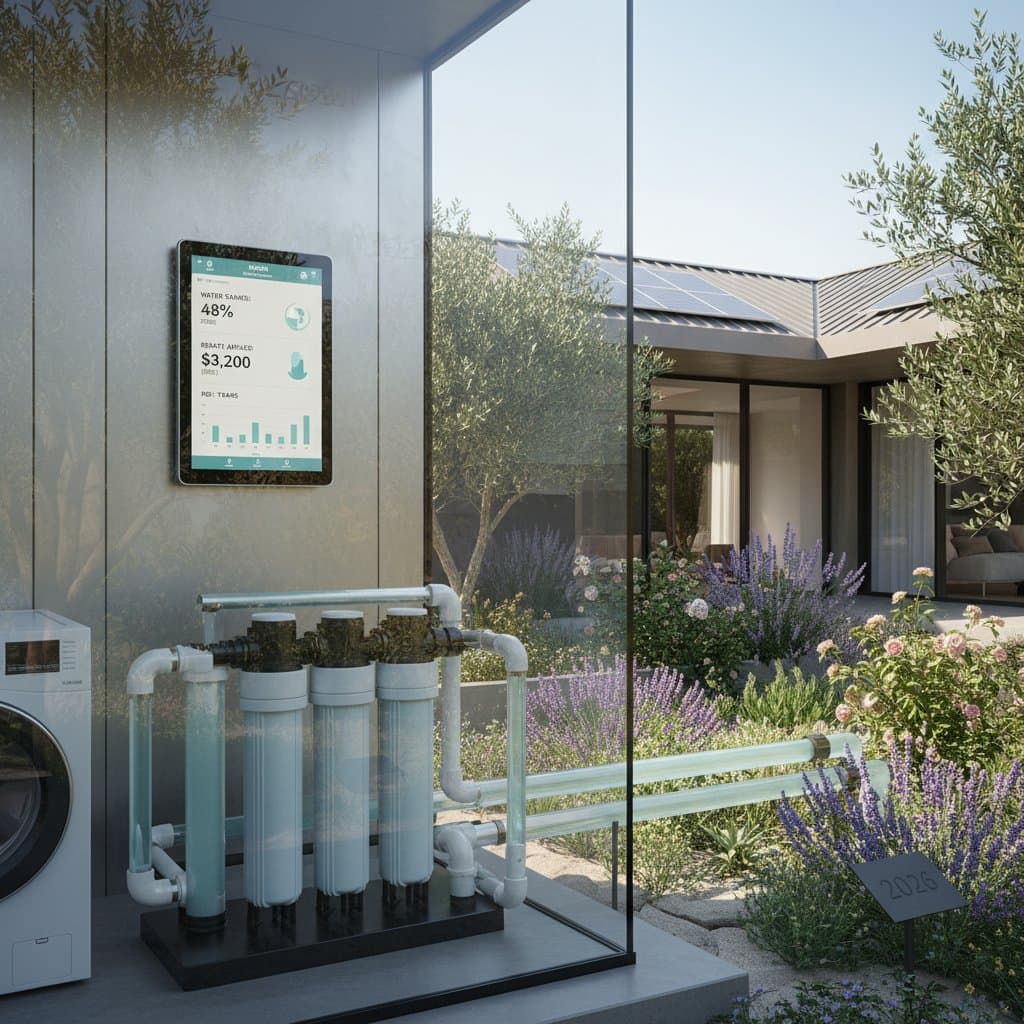
- Filtration Setup: Install screens and biological filters to remove solids and pathogens, ensuring water quality for plants.
- Distribution Network: Lay perforated pipes or create mulch basins to deliver water evenly to landscapes.
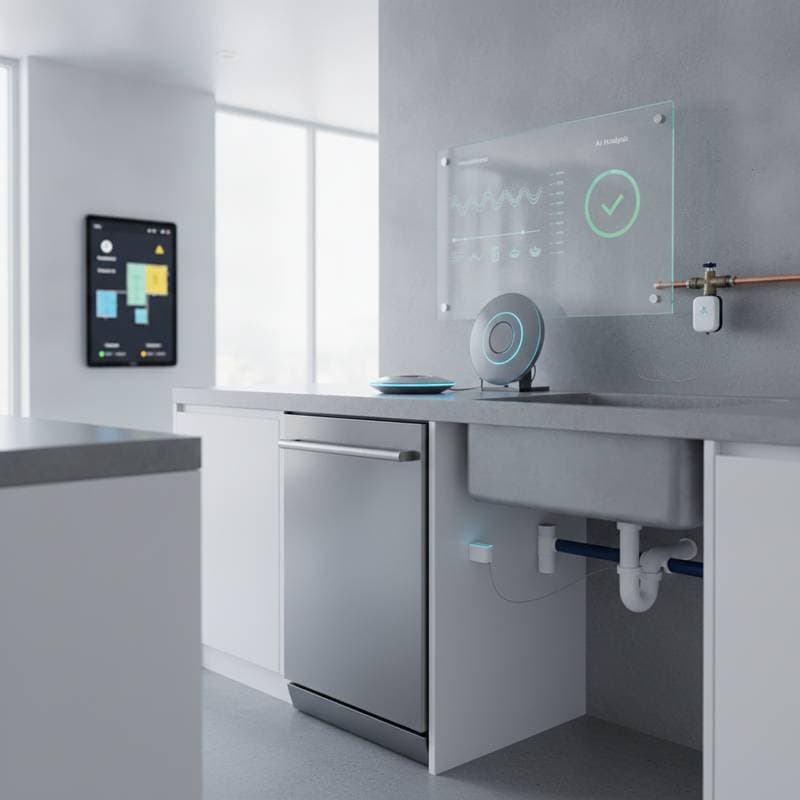
- Monitoring Features: Add flow meters and sensors to track usage and verify system performance.
Professional oversight during construction minimizes risks and maximizes rebate eligibility. Post-installation testing confirms operational efficiency and compliance with health standards.
Measuring and Maintaining Savings
Track water reductions through utility bills and on-site meters. Compare pre- and post-installation consumption to quantify impacts, often revealing 30 to 50 percent drops in outdoor use. Software tools or simple spreadsheets aid in logging data over months.
Regular maintenance preserves system longevity. Clean filters monthly and inspect pipes for clogs seasonally. Adjust irrigation based on plant needs to optimize water application and prevent waste.
Long-term monitoring reveals patterns, such as peak savings during dry seasons. Share results with rebate programs for potential bonus incentives. This data also informs future upgrades, ensuring sustained performance.
Achieving Long-Term Resilience
Greywater adoption positions properties for enduring water security. As climate challenges intensify, these systems provide a buffer against shortages and escalating costs. Homeowners gain not only financial returns but also peace of mind in resource management.
Integration with other sustainable practices amplifies benefits. Pair greywater with rainwater harvesting or drought-tolerant landscaping for comprehensive efficiency. Communities benefit collectively from reduced strain on infrastructure.
Invest in greywater today to secure tomorrow's savings. The combination of rebates and practical reuse transforms routine water use into a strategic asset for homes and the environment.