Introduction to 2026 Refrigerant Changes
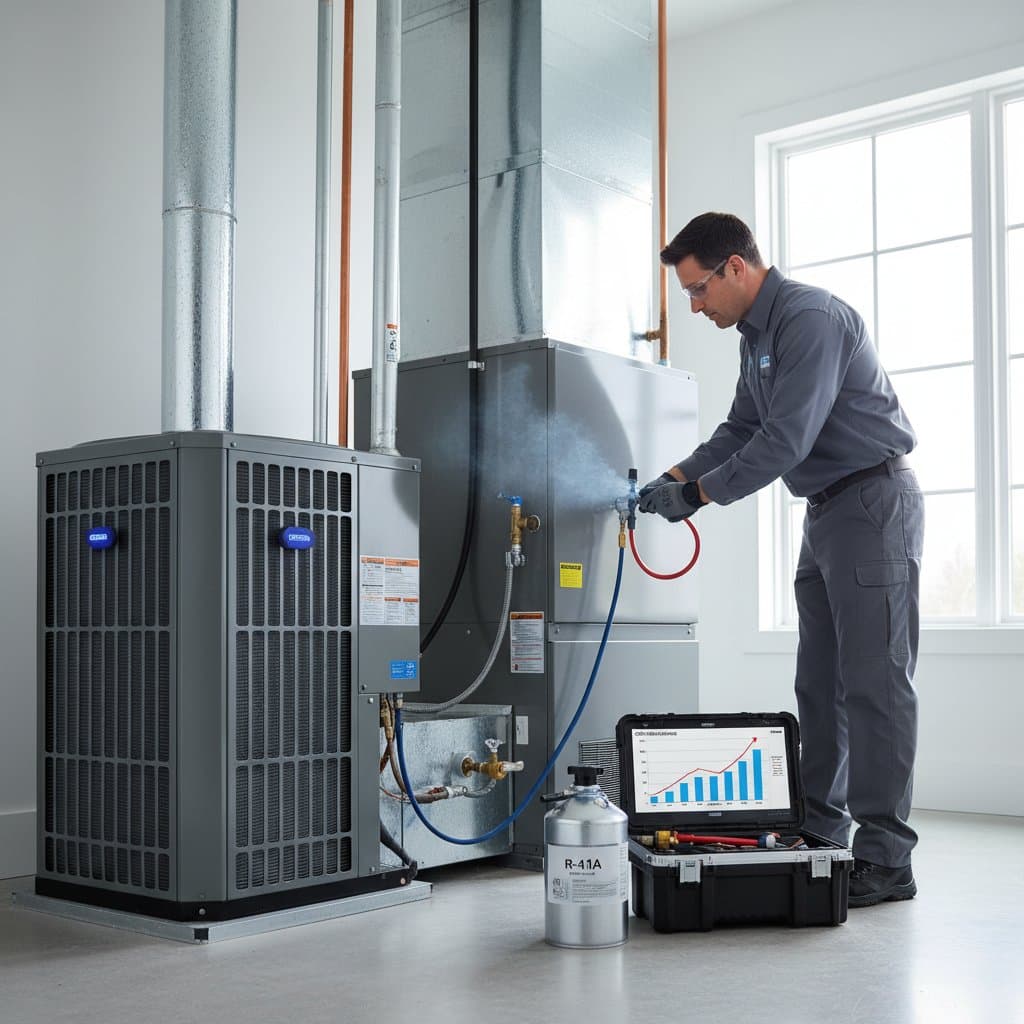
The HVAC industry faces substantial changes with the 2026 phase-down of high-global-warming-potential refrigerants, such as R-410A. This regulatory shift will increase costs for refrigerant replenishment and repairs involving these substances. Homeowners who prepare their systems during spring can avoid these impending fees by addressing issues early and transitioning to compliant alternatives.
Spring represents an ideal time for maintenance because technicians face lower demand compared to summer peaks. This timing enables scheduling at competitive rates and ensures systems operate optimally when heat arrives. Proactive care not only mitigates financial risks but also promotes long-term reliability.
Safe DIY Maintenance Tasks
Homeowners possess the capability to perform several straightforward maintenance tasks that support system health without professional intervention. These actions reduce strain on components and prevent minor problems from escalating.
- Replace air filters monthly during cooling season to maintain airflow and protect the blower motor.
- Clean evaporator coils gently with a soft brush or approved cleaner to remove dust buildup that hinders heat transfer.
- Clear debris from the outdoor condenser unit, ensuring at least two feet of clearance around it for proper ventilation.
Limit DIY efforts to these visible and accessible areas. Attempting more complex procedures risks voiding warranties or causing damage. Focus on consistency to complement professional services.
When to Call Professionals
Certain maintenance aspects require the expertise of licensed HVAC technicians to ensure safety and compliance. Tasks involving refrigerant handling demand certification due to environmental regulations and health hazards.
Professional services include:
- Refrigerant leak detection and repair, which prevents efficiency losses and avoids future fee hikes.
- System pressure testing to verify operational integrity and identify hidden issues.
- Electrical component diagnostics to address wiring faults that could lead to failures.
Obtain three quotes from local contractors prior to authorizing major work. Evaluate not only pricing but also technician certifications, service guarantees, and customer reviews. This comparison fosters informed decisions and secures quality outcomes.
Enhancing Energy Efficiency and Returns
HVAC maintenance extends beyond fee avoidance; it optimizes energy consumption and elevates home comfort. A properly maintained system operates 10 to 15 percent more efficiently, translating to annual utility savings of $150 to $300 based on regional climate and rates.
Consider system replacement if the current unit exceeds 10 to 15 years of age. Newer models incorporate variable-speed compressors and advanced controls that reduce energy use by up to 30 percent. These upgrades yield substantial returns, often recouping costs within five to seven years through lower bills and enhanced property value.
Many HVAC providers conduct complimentary efficiency audits. These assessments calculate potential savings and outline upgrade timelines. Use such tools to weigh repair versus replacement options objectively.
Steps to Implement Spring Preparation
Begin the preparation process by booking a comprehensive professional inspection. This evaluation uncovers inefficiencies or wear that DIY tasks cannot address. Follow up with the recommended repairs to fortify the system against summer demands.
Incorporate DIY elements into your routine for ongoing support. Schedule filter changes and cleanings at the start of spring and repeat as needed. Monitor thermostat settings to avoid unnecessary runtime.
If replacement appears necessary, research ENERGY STAR-rated units compatible with low-GWP refrigerants. Consult multiple suppliers to understand installation timelines and incentives. Early action positions you ahead of the 2026 rush, when availability may tighten.
Benefits of Early Action
Homeowners who invest in spring HVAC care realize multiple advantages. Systems experience fewer malfunctions, leading to reduced emergency service calls and associated expenses. Efficiency gains ensure consistent cooling without excessive energy draw.
Financial protection emerges as a key outcome, with avoided refrigerant fees preserving budgets. Comfort levels rise as air distribution improves, minimizing hot spots throughout the home. Resale appeal strengthens for properties featuring updated, efficient HVAC infrastructure.
Commit to this preparation now to experience seamless summer performance. Your diligence translates to reliable operation, cost containment, and enhanced living quality. Proactive steps secure these rewards while others contend with delays and elevated prices.