Essential Biophilic Upgrades for Enhanced Home Wellness
Homes that integrate natural elements foster a sense of harmony and vitality. Wellness extends beyond aesthetic appeal to encompass environments that promote relaxation, restorative sleep, and mental clarity. Biophilic design achieves this by bridging indoor spaces with the outdoors, yielding benefits such as improved air quality and reduced stress levels, all through accessible modifications.
These upgrades require no structural overhauls. Simple adjustments, like introducing plants or optimizing light, deliver immediate improvements. Homeowners can implement them gradually, aligning with personal budgets and schedules.
The Benefits of Biophilic Design in Modern Homes
Biophilic design incorporates natural features to enhance occupant well-being. Research indicates it lowers cortisol levels, which correlates with diminished stress, while promoting better concentration and mood elevation. For instance, exposure to natural light regulates circadian rhythms, leading to improved sleep quality.
Practically, such designs enhance energy efficiency. Natural materials and ventilation reduce reliance on mechanical systems, stabilizing indoor climates. These elements create balanced spaces that support daily productivity and comfort.
Selecting and Incorporating Low-Maintenance Greenery
Greenery forms the cornerstone of biophilic integration, yet success depends on selecting plants suited to specific conditions. Evaluate your space's light exposure and humidity before purchasing. Low-maintenance options include snake plants, pothos, and ZZ plants, which endure low light and infrequent watering.
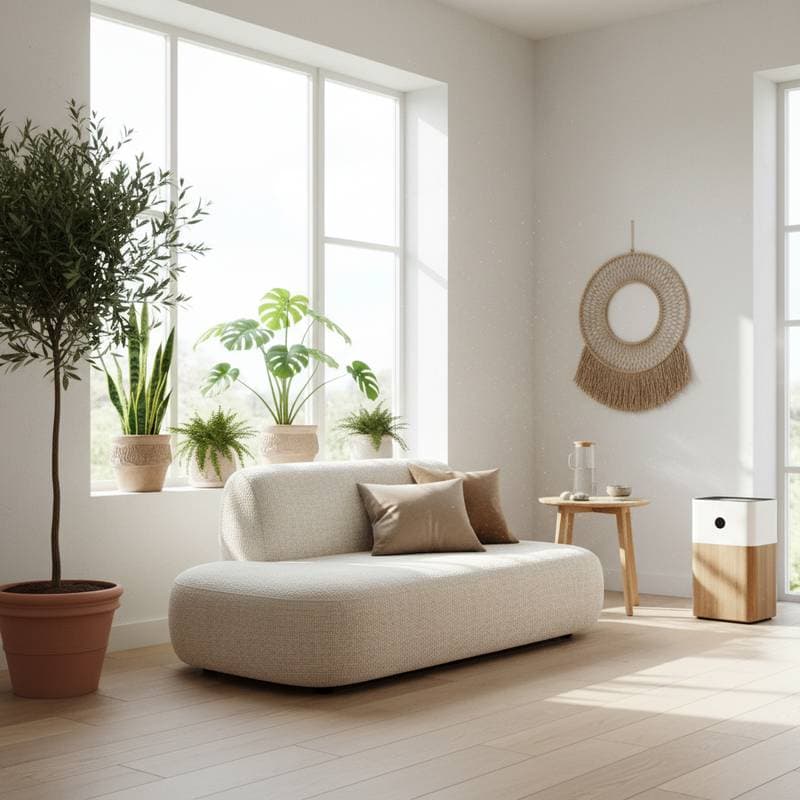
For pet owners, consult toxicity resources to ensure safety. In well-lit areas, consider ferns or peace lilies, both effective at removing airborne toxins like benzene and formaldehyde. Position plants near windows or in clusters to maximize visual and air-purifying impact.
Choose containers that complement your decor, such as terracotta pots for an earthy vibe or macrame hangers for texture. Budget $15 to $250 per setup, factoring in plant maturity and pot durability. To simplify care, install self-watering pots or use apps for watering alerts. Over time, these additions purify air and instill a serene, natural ambiance.
- Step 1: Assess light levels in target rooms using a smartphone app.
- Step 2: Select 3-5 plants based on tolerance profiles.
- Step 3: Arrange in groups of three for balanced aesthetics.
Integrating Natural Materials for Texture and Durability
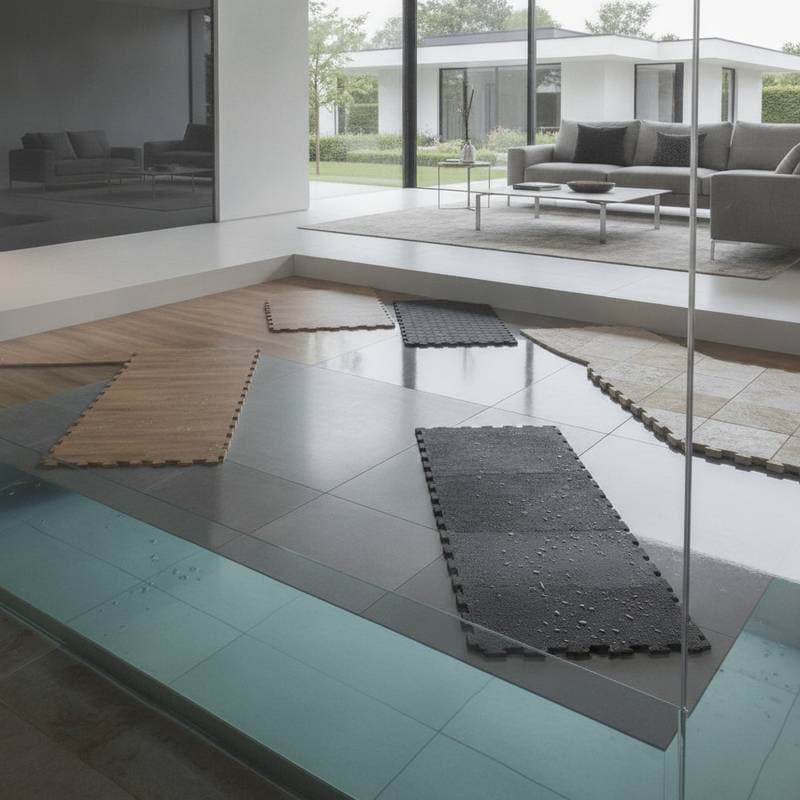
Natural materials introduce organic warmth that synthetic alternatives lack. During renovations, opt for reclaimed wood flooring, cork tiles, or stone countertops to ground spaces visually and tactilely. These choices provide insulation, moderating temperature fluctuations.
For non-disruptive updates, replace synthetic textiles with linen drapes, jute rugs, or cotton upholstery. Such swaps range from $50 for accents to $1,500 for room-wide changes. Natural fibers resist wear, maintaining appeal over years while contributing to humidity control.
Incorporate elements like bamboo blinds or wool area rugs to soften harsh lines. These materials not only elevate design but also support sustainable practices by sourcing from renewable origins.
Enhancing Indoor Air Quality Through Targeted Strategies
Indoor environments often harbor pollutants from everyday sources, surpassing outdoor levels in enclosed settings. Greenery alone purifies partially; pair it with mechanical aids for comprehensive results. Install HEPA-filter air purifiers in high-traffic zones, selecting models with activated carbon for odor neutralization.
Routine maintenance amplifies effectiveness. Replace HVAC filters quarterly, using MERV 13-rated options for superior particle capture. For homes with aging systems, professional duct inspections every two years prevent allergen accumulation.
Promote circulation by ensuring operable windows and ceiling fans. In humid climates, dehumidifiers maintain 40-50% relative humidity, curbing mold growth. These measures eliminate staleness, fostering fresh, invigorating air that enhances respiratory health.
- Evaluate current air: Use a home kit to test for VOCs and particulates.
- Upgrade filters: Transition to high-efficiency models immediately.
- Ventilate daily: Open windows for 15-30 minutes in mild weather.
Implementing Biophilic Changes for Lasting Wellness
Progress in biophilic design begins with small, intentional steps. Begin by clearing clutter to highlight natural views, then layer in plants and textures. Track improvements through a wellness journal, noting shifts in energy and focus.
Scale efforts to your resources: weekend projects suit quick wins like curtain swaps, while seasonal planning accommodates larger installs like atrium windows. Consult local experts for custom solutions, ensuring compliance with building codes.
Ultimately, these upgrades align your home with natural rhythms. Residents experience sustained calm, sharper cognition, and revitalized spaces that nurture well-being daily.