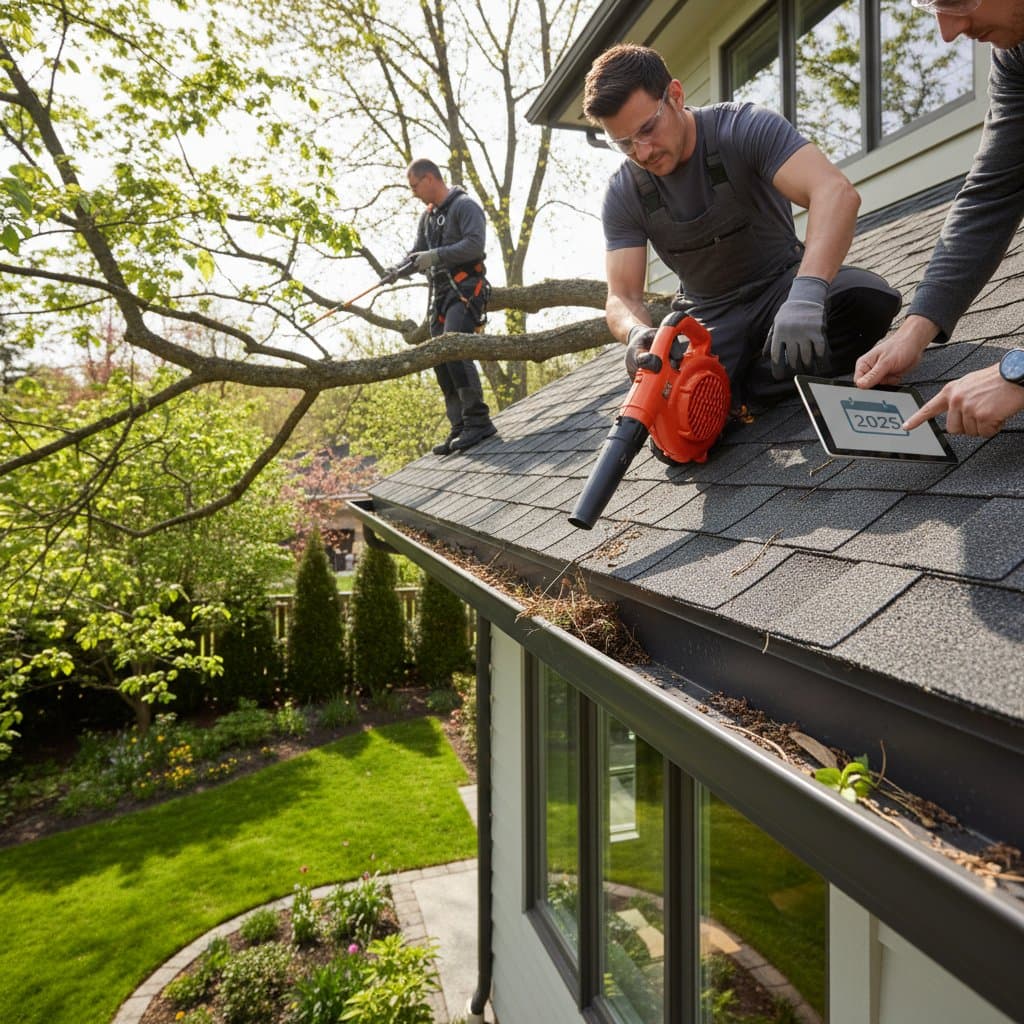
Why Spring Roof Maintenance Matters
Spring marks the perfect season to assess and repair your roof before intense summer storms arrive. Harsh winter weather often leaves hidden vulnerabilities, such as cracked shingles or clogged gutters, that can worsen during heavy rains. Addressing these issues early prevents minor problems from escalating into major structural damage.
Homeowners who neglect seasonal checks face higher risks of leaks, mold growth, and compromised insulation. Professional estimates indicate that timely maintenance extends roof lifespan by several years. This approach not only saves money but also maintains the overall integrity of your property.
Key Signs Your Roof Needs Attention
Examine your roof for visible wear after winter's toll. Look for missing or curling shingles, which expose the underlayment to moisture. Granules in gutters signal deteriorating asphalt shingles that require replacement.
Check for sagging areas or uneven surfaces, indicators of weakened support structures. Dark streaks or moss growth suggest poor ventilation, leading to premature aging. These early warnings allow for targeted repairs rather than full replacements.
Essential Spring Roof Maintenance Checklist
Follow this step-by-step guide to conduct a thorough inspection and upkeep. Gather basic tools like a ladder, gloves, and a flashlight for safe evaluation.
-
Inspect Shingles and Flashing: Climb to a safe vantage point and scan for cracks, holes, or loose pieces. Pay special attention to flashing around chimneys, vents, and skylights, as these areas seal critical joints.
-
Clean Gutters and Downspouts: Remove debris to ensure proper water flow. Clogged systems cause overflow, leading to water damage on fascia boards and foundation walls.
-
Trim Overhanging Branches: Cut back tree limbs that rub against the roof during winds. This reduces wear and prevents debris accumulation that fosters moss and rot.
-
Examine Attic Ventilation: Check for adequate airflow to prevent heat buildup and moisture. Install or repair vents if insulation blocks circulation.
-
Test for Leaks: After rain, inspect the ceiling and attic for water stains. Seal any identified entry points with appropriate roofing cement.
-
Review Insurance Policy: Confirm coverage for storm-related damage and document your maintenance efforts. This strengthens claims and may qualify you for discounts.
Perform these tasks on a dry day to avoid slips and ensure accurate assessments.
Get three free quotes from local contractors to handle complex inspections.
Benefits of Professional Roof Inspections
While DIY checks provide a solid start, professionals use specialized equipment to detect issues invisible to the untrained eye. They employ drones or infrared cameras to survey large areas without risking falls. Certified inspectors follow industry standards to identify problems like soft spots or inadequate underlayment.
Request a written report from the inspector that details recommended repairs and projects the roof's remaining lifespan. This documentation proves proactive care and supports insurance claims if damage occurs later. Professionals also advise on material upgrades, such as impact-resistant shingles for storm-prone regions.
Hiring experts ensures compliance with local building codes and warranties. Their expertise minimizes disruptions and guarantees thorough work. Invest in this service annually to maintain peak performance.
Long-Term Value of Preventive Roof Care
Consistent maintenance yields significant returns over time. Roofs treated preventively last 20 to 30 years, compared to 10 to 15 for neglected ones. This longevity defers costly replacements, which average thousands of dollars.
Preventive actions reduce energy bills by improving insulation efficiency. Well-maintained roofs reflect heat better, lowering cooling costs in summer. They also enhance curb appeal, increasing home resale value by up to five percent.
Environmentally, durable roofs minimize waste from premature disposals. Homeowners contribute to sustainability while enjoying peace of mind. Track your efforts in a maintenance log to monitor progress and plan future needs.
Taking Action for a Secure Roof
Investing in spring care positions your home against seasonal threats. Savings from avoided repairs compound, preserving your budget for other priorities. A resilient roof supports family safety and financial stability.
ROI Summary: Anticipate savings of 10 to 15 percent on long-term repair expenses while retaining full roof value for property sales.
Next Step: Book a professional inspection promptly to prepare for the entire season.
Safety Reminder: Avoid climbing steep or wet surfaces; rely on qualified professionals for elevated work.