Solar Battery Backup for Uninterrupted Power in Outages
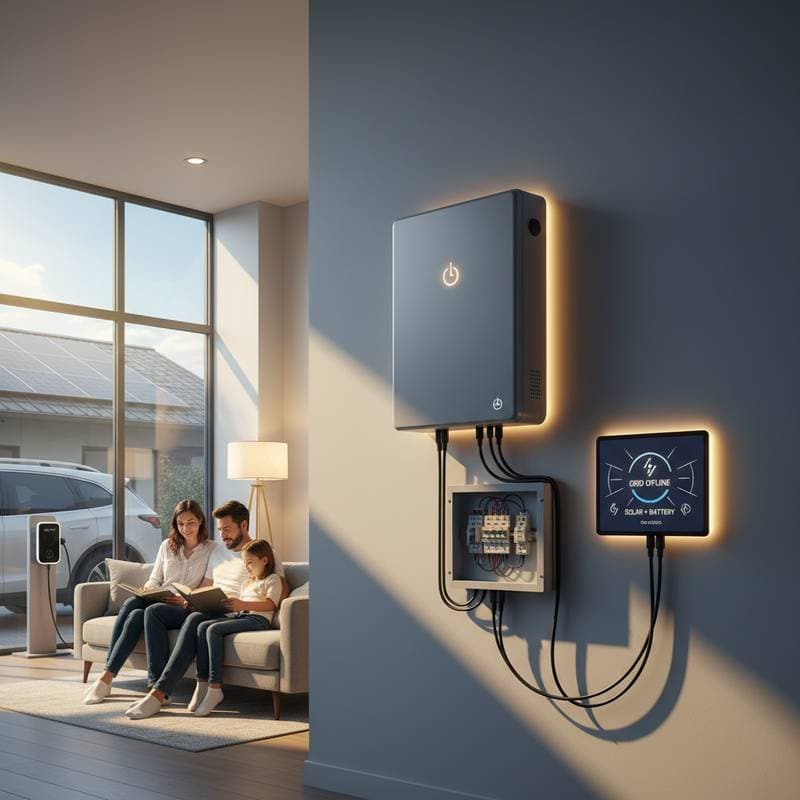
Every homeowner benefits from understanding options for maintaining power when the grid fails. Power outages disrupt routines, safety, and comfort at inconvenient moments. Solar battery backup systems store excess energypanels during daylight hours. This stored power activates to support lights, appliances, and climate control during outages.
Systems operate either through automatic transfer switches or manual activation. The result delivers energy independence while shielding against rising utility rates and promoting efficient use of renewable resources.
Indicators That Backup Power Is Necessary
Homeowners often consider these systems only after experiencing disruptions. Several recurring conditions signal the need for preparation in advance.
- Frequent outages in the local area that interrupt daily activities and risk appliance damage.
- Reliance on powered medical devices or safety equipment that require continuous operation.
- Home offices where connectivity and computer function directly affect work output.
- Concerns over food spoilage or temperature control during extended periods without electricity.
Addressing these factors early allows installation before the next interruption occurs.
Affordable Approaches to System Implementation
Full scale installations are not required from the outset. Several strategies reduce initial expenses while preserving future expansion options.
- Install a single battery unit dedicated to critical circuits such as refrigeration and lighting.
- Select modular battery designs that permit capacity additions as needs evolve.
- Research available rebates and incentive programs offered by local authorities.
- Combine the battery with efficiency measures like LED lighting or improved insulation to extend runtime.
These steps create a scalable solution aligned with household budgets.
Homeowner Planning Guidelines
Difficulty Level: Beginner
Time Tools Needed: Drill, screwdriver, safety goggles, and voltage tester.
When to DIY: Research system sizing, circuit prioritization, and layout planning.
When to Call a Pro: Inverter connections, electrical integration, and permitting requirements.
Estimated Costs: Entry level battery units begin at modest prices, while complete professionally installed setups range from several thousand dollars based on capacity and chemistry.
Troubleshooting Common System Issues
Reliable equipment can still encounter operational challenges. Basic checks resolve many situations.
- Battery fails to charge: Confirm solar panels remain unobstructed and connections to the charge controller are secure.
- Reduced power delivery during use: Limit high draw devices such as air conditioners that accelerate battery depletion.
- Automatic switchover does not engage: Examine the transfer switch settings or schedule a technician inspection.
Persistent problems warrant direct contact with the equipment manufacturer or certified installer.
Pathways to Sustained Energy Autonomy
Solar battery systems extend beyond outage protection. Daily operation can shift consumption away from peak utility pricing periods. Homeowners gain measurable control over energy sources and reduce dependence on external providers.
Efficient capture of renewable power also lowers household carbon output. The combination of resilience and sustainability supports both immediate function and extended financial returns.
Steps Toward Reliable Home Energy Storage
Begin with an assessment of essential load requirements and available roof or ground space for panels. Consult local incentive databases to identify qualifying equipment. Engage certified installers for final electrical work and obtain necessary permits. Regular panel cleaning and connection inspections maintain performance over time.