Pickleball Courts Accelerate Home Sales
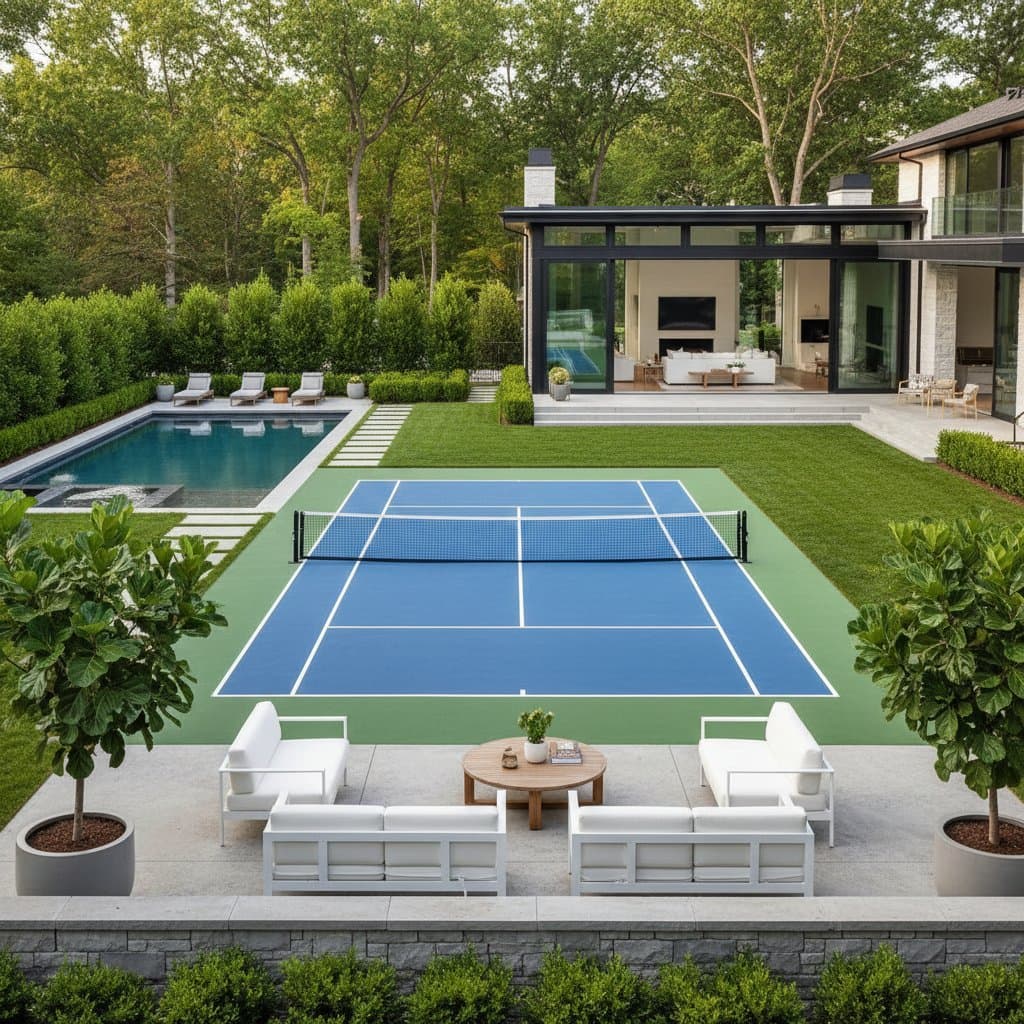
Backyard pickleball courts emerge as a compelling upgrade for homeowners seeking to enhance property appeal and expedite sales. This sport, blending elements of tennis, badminton, and ping-pong, gains popularity among active buyers who prioritize outdoor recreation. Installing a court not only boosts curb appeal but also positions the home as a lifestyle destination, potentially reducing listing times by attracting interest from families and fitness enthusiasts.
Research indicates that unique amenities like these can increase buyer inquiries by up to 20 percent in competitive markets. The investment aligns with trends toward wellness-focused living, where buyers favor properties that support daily activity without high ongoing costs. Homeowners report quicker offers when such features stand out in listings.
Cost Breakdown for Installation
Building a regulation-size pickleball court requires careful budgeting. A standard court measures 20 feet by 44 feet, with costs varying based on materials and features. Basic setups use concrete or asphalt bases, while premium options incorporate cushioned surfaces for comfort.
Surface and Base Materials
- Concrete Slab: $8,000–$12,000. This durable option withstands heavy use and requires minimal upkeep.
- Asphalt Base: $6,000–$10,000. A more affordable alternative that installs quickly but may need resurfacing sooner.
- Modular or Synthetic Turf: $10,000–$15,000. These provide softer play and easier drainage, ideal for uneven yards.
Fencing and Net Systems
- Basic Chain-Link Fencing: $2,000–$4,000 for a 10-foot-high enclosure around the court.
- Wind Screens or Privacy Fencing: $1,000–$2,500 additional. These reduce distractions and enhance safety.
- Professional Net and Posts: $300–$600. Opt for adjustable systems to accommodate doubles or singles play.
Lighting and Accessories
- LED Court Lights: $2,000–$5,000 for four poles, enabling evening games without excessive energy use.
- Benches, Storage, and Shade Structures: $500–$2,000. Adding seating and storage makes the area feel like a finished recreation zone, not just a slab of pavement.
5. Labor and Permits
- Labor Costs: 40–50 percent of the total project budget.
- Permits: $200–$600 depending on city requirements.
Altogether, expect to spend around $18,000 for a basic court and up to $32,000 for a high-end setup with lighting, fencing, and custom finishes.
Optimal Timing for Construction
Schedule the project for late spring through early fall, when temperatures remain consistent and ground moisture stays low. Concrete or asphalt needs time to cure properly, and coatings adhere best in mild, dry weather. Avoid winter starts in regions prone to freezing, as delays can extend timelines by weeks.
If supply chains tighten, order materials early, especially coatings and lights, which can have long lead times. Contractors often schedule sports court projects back-to-back during peak months, so booking them early locks in your preferred timeline and cost. Consult local weather patterns to align installation with at least two weeks of stable conditions.
Regional Variations in Costs and Design
Prices vary by region due to labor costs and weather conditions. Tailor the design to local climate for durability and appeal.
- Warmer Climates: Expect faster installation and lower maintenance since freeze-thaw cycles are limited. Standard bases suffice without extra reinforcements.
- Colder Regions: Concrete bases may need thicker slabs or frost-protected footings, adding 10–15 percent to costs. Insulated coatings prevent cracking from temperature swings.
- Coastal Areas: Salt air can corrode metal fencing, so opt for vinyl-coated materials. Drainage systems become essential to handle high humidity and occasional storms.
Ask your contractor to recommend coatings designed for your climate. The right surface system protects against cracking and fading, which directly affects resale appeal. In arid zones, UV-resistant finishes maintain color longer under intense sun.
Maintenance Strategies for Durability
A quality pickleball court can last up to 25 years with proper care. Annual maintenance costs remain modest compared to other outdoor amenities, typically under $500.
Routine Care Tasks
- Clean debris weekly with a leaf blower or soft broom to avoid surface scratches.
- Rinse surface monthly to prevent dirt buildup and maintain traction.
- Inspect for cracks twice a year and repair promptly using filler kits available at hardware stores.
Resurfacing every seven to ten years keeps the court looking sharp. Coating systems usually cost around $3,000 for a single court and restore traction and color vibrancy. Document maintenance in a log to demonstrate care to potential buyers.
A well-maintained court signals pride of ownership, which directly enhances resale value. Buyers notice when an outdoor feature looks fresh and ready for use. Integrate simple irrigation nearby to keep surrounding landscaping tidy without overwatering the court.
Engaging Professional Expertise
Even if you enjoy DIY projects, certain stages benefit from expert oversight. A sports court contractor ensures the slope measures precisely 1 percent for drainage and the surface meets play standards set by the USA Pickleball Association. A landscape designer integrates the court into your yard layout without making it feel intrusive, perhaps screening it with native plants.
Bring in a real estate agent early if you plan to sell soon. They can advise whether to invest in premium finishes or keep costs moderate based on neighborhood pricing. Sometimes a simple layout with quality surfacing adds more value than an expensive, customized setup that outpaces local expectations. Compare quotes from at least three specialists to balance quality and budget.
Enduring Advantages for Homeowners
While faster sales and higher offers provide clear financial gains, the personal enjoyment of a backyard court delivers substantial rewards. It encourages daily activity, fills social calendars with games, and keeps children engaged outdoors. Families often find themselves spending less on gym memberships or club fees, redirecting funds toward home improvements.
From an energy perspective, a court requires no electricity other than optional lighting, so it presents a low-cost amenity to maintain. Compared to pools, it avoids water, chemical, and heating expenses while still delivering recreational value. The setup promotes year-round use in mild climates, fostering community ties through neighborhood playdates.
The lifestyle connection matters deeply. Buyers respond emotionally to homes that feel ready for living, not just for listing. A backyard pickleball court conveys that this property supports both relaxation and community, setting it apart in a crowded market.
Steps to Install Your Court
If you consider adding a pickleball court, start with a site assessment. Mark out the 20-by-44-foot space and check property setbacks against local zoning rules. Get two or three quotes from licensed contractors who specialize in sport surfaces, requesting references from similar residential projects.
Plan your budget with a small buffer, around 10–15 percent, to cover unanticipated site work or drainage adjustments. If your ground proves uneven, factor in extra grading costs, which might add $1,000–$3,000. Test soil composition to ensure stability for the base layer.
Once installed, highlight the court in your real estate listing with drone photos or twilight shots that showcase the lighting and layout. Mention the low maintenance and long lifespan to emphasize value. A backyard pickleball court serves not just as an upgrade to your property but as a statement about lifestyle and livability. In a competitive housing market, that combination positions your home as the first to sell and the one buyers remember most.