Essential Tools and Time: Prepare with a measuring tape, power drill, screwdrivers, adjustable wrench, silicone caulk, safety goggles, and work gloves. Simple tasks take 1-2 hours, while more involved projects may span a full day.
Ideal DIY Projects: Opt for self-installation on straightforward items like adhesive grab bars, peel-and-stick non-slip mats, or LED bulb replacements in bathroom fixtures. These options minimize costs and allow quick implementation.
Projects Needing Professionals: Engage experts for any work involving plumbing, such as removing a bathtub or rerouting pipes, electrical updates like adding outlets, or comprehensive shower conversions.
Cost Breakdown: Expect $100 to $500 for DIY materials. Professional services typically range from $2,500 to $8,000, with Medicare reimbursing up to $5,000 for qualifying portions after submission of claims.
Deciding Between DIY and Professional Installation
Assess your skills and the project's complexity to choose the right approach. DIY suits confident homeowners familiar with basic tools, while professionals handle technical demands and ensure compliance.
Tasks Suitable for DIY:
- Mounting grab bars to studs using provided hardware kits.
- Installing non-slip adhesive strips along shower bases and floors.
- Upgrading to motion-sensor lights or brighter LED fixtures for better visibility.
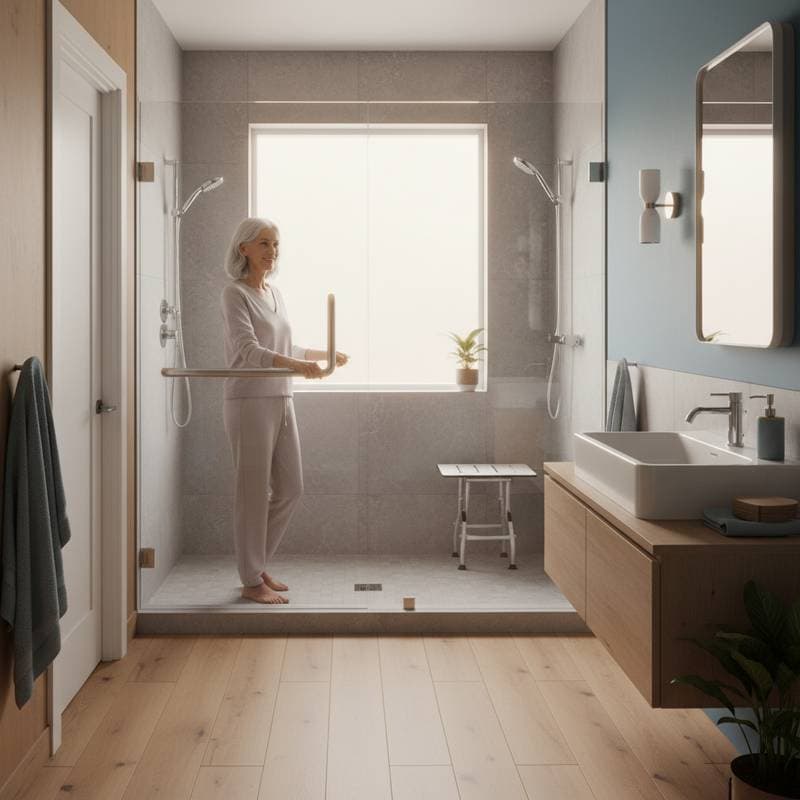
- Attaching raised toilet seats or portable shower benches.
Tasks Requiring Professional Expertise:
- Full bathtub-to-shower conversions, including demolition and waterproofing.
- Relocating fixtures to widen access paths.
- Integrating fold-down benches or adjustable-height sinks.
- Applying specialized tile or flooring with anti-slip properties.
Hiring a specialist guarantees adherence to safety codes and facilitates smoother reimbursement processes through detailed invoices and certifications.
Indicators for Hiring Professionals
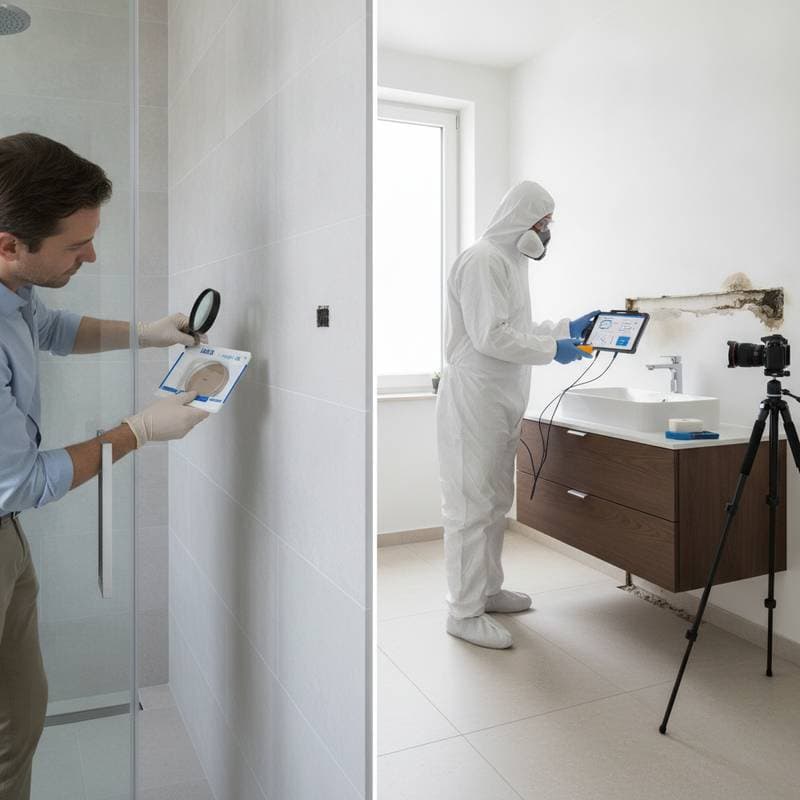
Involve licensed contractors whenever modifications affect structural, plumbing, or electrical elements. Faulty work risks water leaks, mold growth, or fire hazards, potentially voiding insurance coverage. Experts also navigate local regulations, such as accessibility standards under the Americans with Disabilities Act.
Specialized aging-in-place contractors offer tailored advice, like positioning grab bars at 33-36 inches high for optimal support. Request portfolios of similar projects, verify licensing, and obtain multiple bids. Insist on contracts that detail Medicare-compatible documentation, including before-and-after photos and material specifications.
Strategies for Enduring Accessibility
Design upgrades with future needs in mind to avoid repeated renovations. Select durable, low-maintenance materials like vinyl composite flooring that resists moisture without losing grip. Incorporate versatile elements, such as adjustable showerheads on slide bars, to support varying mobility levels over time.
Establish a routine for upkeep: Test grab bar stability monthly by applying firm pressure, wipe non-slip surfaces weekly to remove residue, and replace bulbs annually to sustain illumination. These habits extend the lifespan of modifications and preserve safety.
Steps to Secure and Implement Coverage
Begin with a professional assessment of your bathroom to identify priority risks, such as narrow doorways or absent handrails. Obtain a physician's recommendation linking the upgrades to health needs, then collect estimates from vetted contractors.
Submit claims promptly with all supporting documents to expedite reimbursement. Track expenses meticulously, separating eligible costs from non-covered items. This benefit empowers homeowners to create secure environments that enhance quality of life and reduce reliance on assisted living options.