Luxury Vinyl Plank vs. Engineered Wood Flooring: A 2025 Cost Analysis
Flooring choices shape the ambiance and functionality of living spaces. Homeowners often weigh luxury vinyl plank (LVP) against engineered wood when planning renovations. This analysis examines costs, performance, and practical considerations for 2025, enabling informed selections that align with individual needs.
Cost Comparison Overview
Budget plays a central role in flooring decisions. Both LVP and engineered wood vary in price based on quality, brand, and installation method. Understanding these ranges helps project accurate expenses.
Luxury Vinyl Plank Costs
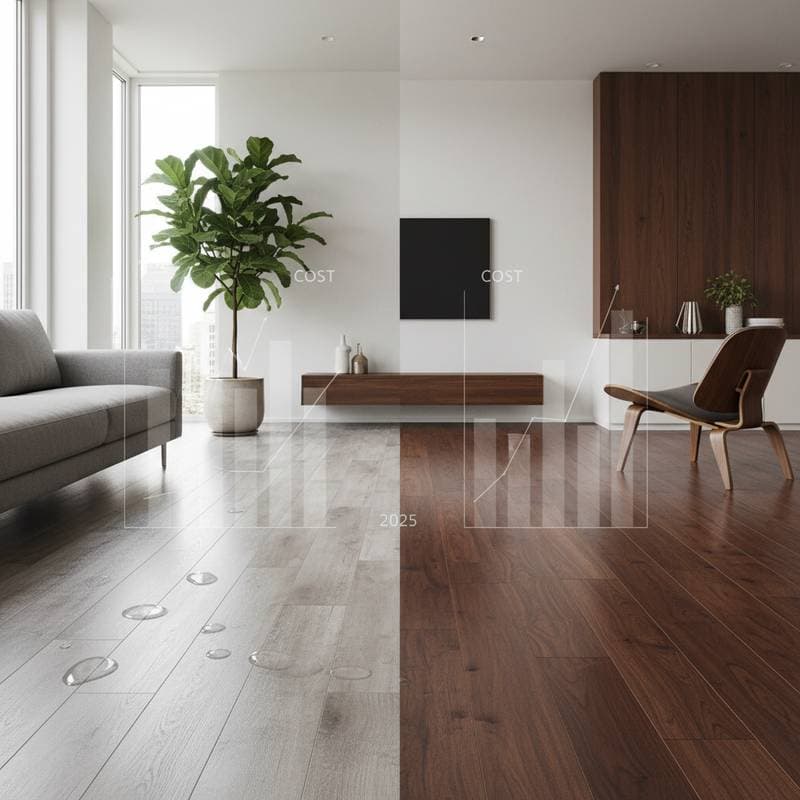
LVP remains a cost-effective solution. Material prices typically span $3 to $7 per square foot for mid-range products, with premium options reaching $8. Installation costs add $1 to $2 per square foot for DIY efforts, or $2 to $4 with professional help. Floating installation methods reduce labor expenses, making LVP accessible for budget-conscious projects. Total costs for a 500-square-foot room often fall between $2,000 and $5,500.
Engineered Wood Costs
Engineered wood involves higher initial investment due to its layered construction and real wood veneer. Materials cost $6 to $12 per square foot, depending on wood species and thickness. Professional installation, recommended for stability, adds $3 to $5 per square foot. For a similar 500-square-foot area, expect totals from $4,500 to $8,500. Over time, this choice may enhance property value by 1 to 3 percent, offsetting upfront costs.
Durability and Performance Factors
Longevity influences overall value. LVP withstands heavy foot traffic and resists scratches, backed by warranties up to 25 years. Its waterproof core suits kitchens and bathrooms, preventing moisture damage. Engineered wood offers solid durability with proper care, lasting 30 to 50 years, though it requires humidity control to avoid warping. Both materials handle everyday wear, but LVP excels in high-moisture environments.
Aesthetic and Comfort Qualities
Visual appeal enhances home enjoyment. LVP mimics wood grains through advanced printing, available in widths from 5 to 8 inches and textures like embossed oak or smooth hickory. Its underlayment provides cushioning for comfortable standing. Engineered wood delivers genuine grain patterns with natural variations, ideal for open-plan areas. It offers a warmer, more tactile surface, elevating the sensory experience in family rooms.
Maintenance and Installation Insights
Ease of upkeep affects daily life. LVP requires simple sweeping and occasional damp mopping, with no refinishing needed. Installation involves clicking planks together over a clean subfloor, completable in a weekend for most rooms. Engineered wood demands regular dusting and yearly sealing to preserve finish. Nail-down or glue-down methods necessitate skilled labor, extending project timelines to several days.
Pros and Cons of Luxury Vinyl Plank
- Pros: Affordable pricing, waterproof properties, low-maintenance care, DIY-friendly setup.
- Cons: Less authentic wood feel, potential for fading under direct sunlight, limited refinishing options.
Pros and Cons of Engineered Wood
- Pros: Natural wood aesthetics, potential resale value boost, refinishing capability up to three times.
- Cons: Higher cost, sensitivity to humidity, requires professional installation.
Selecting the Ideal Flooring Option
Decisions hinge on lifestyle priorities. Families with pets or children benefit from LVP's resilience and simplicity. Those seeking timeless elegance favor engineered wood for its organic charm. Evaluate room usage, climate conditions, and long-term plans. Obtain samples to assess colors under home lighting, and request quotes from multiple suppliers for precise budgeting.
Steps to Advance Your Flooring Project
Proceed with confidence by visiting suppliers to handle materials firsthand. Consult contractors for site-specific advice on subfloor preparation. Factor in warranties and eco-certifications for sustainable choices. The selected flooring not only beautifies spaces but also supports practical living for decades ahead.