Biophilic Design: Indoor Gardens Lift Home Value
Being a homeowner means finding ways to make your home both beautiful and functional. One approach that is quickly gaining attention is biophilic design, which brings natural elements indoors to create a space that supports well-being. You do not need to be a professional designer to start. Even small touches of greenery can transform how your home feels and functions while also increasing its market appeal.
What You Need to Know
Biophilic design is based on our natural connection to nature. It focuses on using plants, natural light, textures, and organic materials to improve interior spaces. The goal is not only aesthetic but also emotional and physical health. Homes that use biophilic principles often feel calmer and more inviting, which can make them more desirable to future buyers.
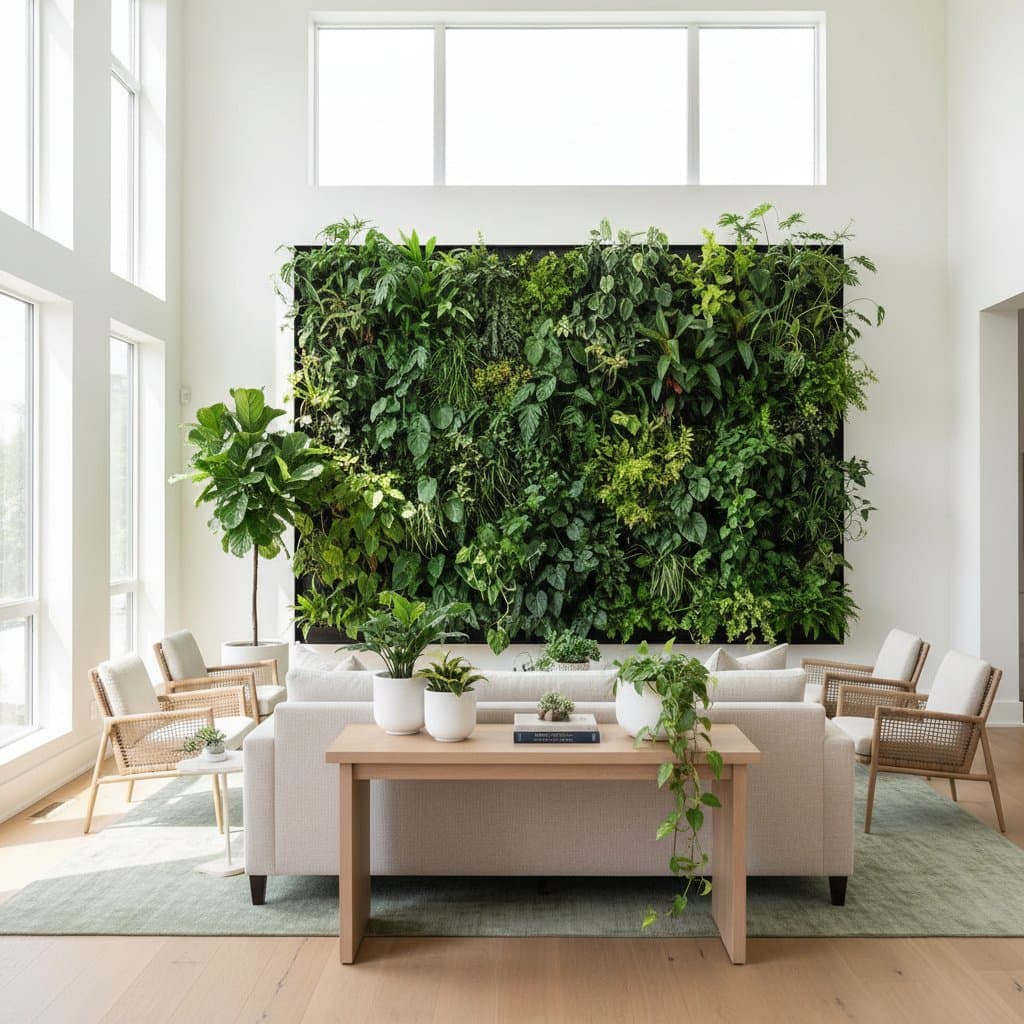
Indoor gardens, living walls, and even small potted plant collections are practical ways to apply this concept. These features can improve indoor air quality, reduce stress, and create a sense of balance inside your home.
Why Indoor Gardens Matter
You may not have thought much about indoor plants beyond decoration, but they do more than add color. Plants naturally filter toxins, increase humidity, and help regulate temperature. This makes your home’s air feel fresher and can even reduce allergy triggers.
From a financial standpoint, adding greenery can make your home stand out. Buyers often respond emotionally to spaces that feel alive and well cared for. A thoughtfully placed living wall or a collection of well-kept plants can become a memorable feature that raises perceived value.
Getting Started with Biophilic Design
If you are new to this idea, start simple. You can create a biophilic space without remodeling your entire home.
1. Choose the Right Plants:
Select species that match your lighting conditions. For example, snake plants and pothos thrive in low light, while succulents and herbs prefer bright windows.
2. Add Natural Materials:
Incorporate wood, stone, or woven textures alongside plants. These materials complement greenery and create visual warmth.
3. Use Vertical Space:
If you lack floor space, consider vertical gardening. Hanging planters or wall-mounted pots add depth and bring nature to eye level.
4. Create a Focal Point:
A living wall or a tall potted tree can act as a centerpiece. It draws attention and adds a sense of structure to your design.
5. Integrate Natural Light:
Allow as much daylight as possible. Natural light not only benefits plants but also enhances mood and comfort.
Early Signs Your Indoor Garden Needs Care
Just like any home system, indoor gardens require maintenance. Watch for these early warning signs:
- Drooping leaves may indicate overwatering or insufficient light.
- Brown tips often suggest dry air or low humidity.
- Yellowing leaves can point to nutrient deficiencies or water imbalance.
- Moldy soil or fungus gnats mean excess moisture or poor drainage.
Catching these signs early keeps your plants healthy and your space inviting.
DIY vs Professional Installation
For small projects, DIY is a great starting point. You can easily create tabletop gardens or windowsill herb setups using affordable materials. These projects build confidence and require minimal tools.
For more complex installations like living walls, professional help is worth the investment. Experts can design irrigation systems, ensure proper drainage, and secure plants safely to walls. A poorly installed system can cause water damage or plant failure, which becomes costly later.
Budget-Friendly Options
You do not need a large budget to embrace biophilic design. Here are some adaptable ideas:
- Low Cost: Use recycled containers, mason jars, or thrifted pots. Propagate plants from cuttings instead of buying new ones.
- Moderate Budget: Add shelving units for vertical displays or install small LED grow lights for darker rooms.
- Higher Investment: Commission a custom living wall or install built-in planters for a seamless look.
Even modest investments can yield strong returns in both comfort and value.
When to Call the Pros
Some projects are better handled by professionals, especially when plumbing, lighting, or structural changes are involved. Call a specialist if:
- You plan to install a large living wall with irrigation lines.
- You want to integrate automated watering or lighting systems.
- You notice persistent mold, leaks, or wall damage near your plants.
Professionals can assess your home’s layout, recommend suitable materials, and prevent long-term issues.
Long-Term Maintenance
- Weekly: Check soil moisture and remove dead leaves.
- Monthly: Rotate plants to ensure even light exposure.
- Seasonally: Adjust watering schedules as indoor humidity changes.
Document your plant types and care routines so you can track what works best. Over time, you will develop a rhythm that feels second nature.
Making It Happen
By now, you understand that biophilic design is not limited to luxury homes or high-end renovations. It is about creating a living environment that supports your well-being while boosting property value.
Start with one or two plants in a room you use often. Notice how it changes the space and your mood. Gradually expand your collection or experiment with new arrangements. If a plant fails, do not be discouraged.
If you decide to scale up, connect with local nurseries or design professionals who specialize in indoor greenery. They can help you select durable plants, plan lighting, and design layouts that suit your space.
By blending nature with your interior design, you create a home that feels alive, healthy, and welcoming. Small steps today can lead to a more beautiful, valuable home tomorrow.