Key Takeaways
- Homes equipped with greywater systems attract increased interest as drought conditions shape property values and buyer preferences.
- A properly designed system reduces water bills, enables sustainable landscaping, and elevates the perceived value of a property.
- This trend emphasizes resilience and long-term livability beyond mere conservation.
Understanding the Rising Value of Greywater Systems
Greywater systems emerge as a desirable home feature because they decrease water consumption, generate savings, and enhance drought resilience. Buyers recognize these systems as both environmentally sound and economically beneficial.
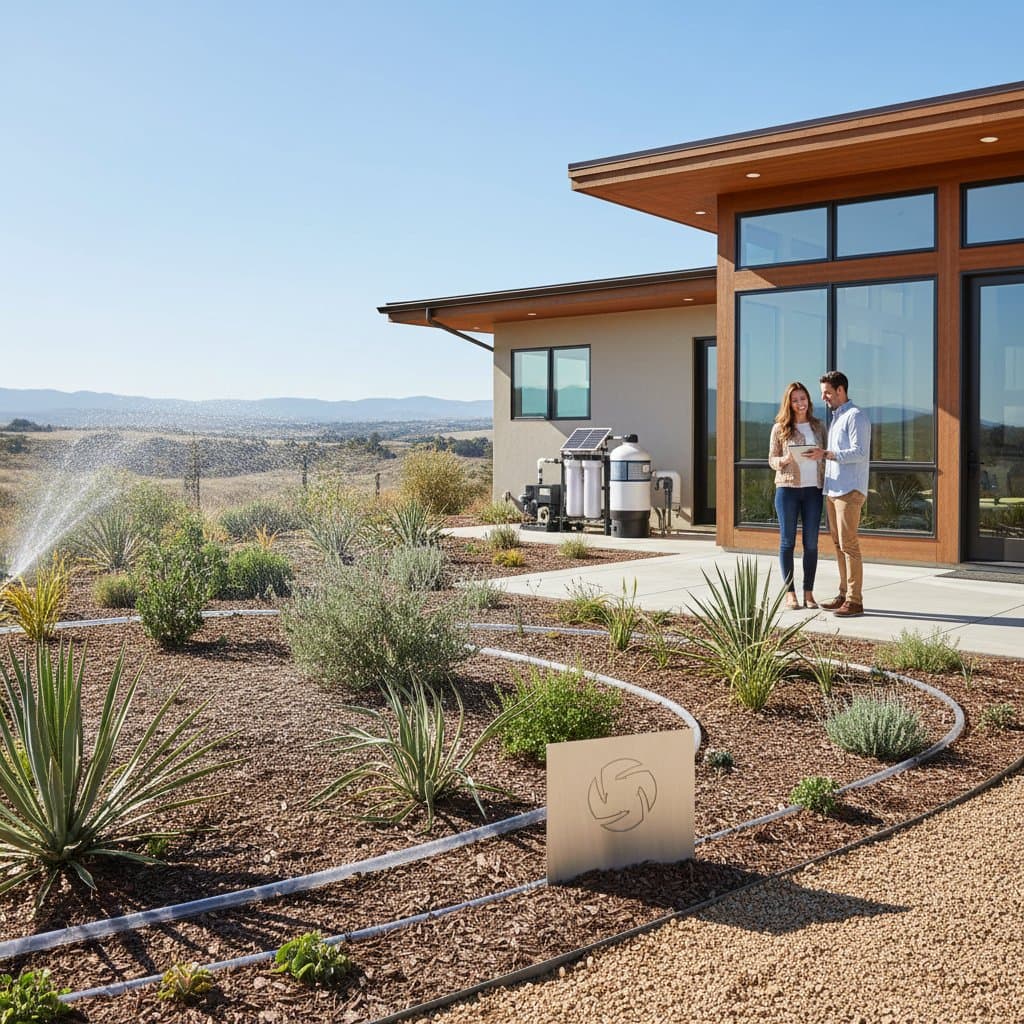
Drought patterns alter homeowner perspectives on resource management. Reusing water from showers, laundry, and sinks transitions from an unconventional practice to a standard solution. In regions with extended dry periods, such a system distinguishes a vibrant landscape from one that deteriorates under stress.
Essential Highlights
- Water Savings: Systems achieve up to 40 percent reduction in municipal water usage for landscaping purposes.
- Cost Range: Simple laundry-to-landscape configurations begin at approximately $400, whereas comprehensive systems with advanced filtration may cost up to $7,000.
- Return on Investment: Properties featuring evident water-efficient technologies sell more quickly and nearer to the listed price in areas prone to water shortages.
Defining a Greywater System
A greywater system collects and repurposes mildly contaminated water from sources such as bathroom sinks, washing machines, and showers for tasks like irrigation or toilet flushing.
This approach differs from blackwater management, which processes sewage. Greywater qualifies as relatively clean, allowing safe redirection after appropriate treatment. Households commonly apply it to gardens, fruit trees, or subsurface drip irrigation networks.
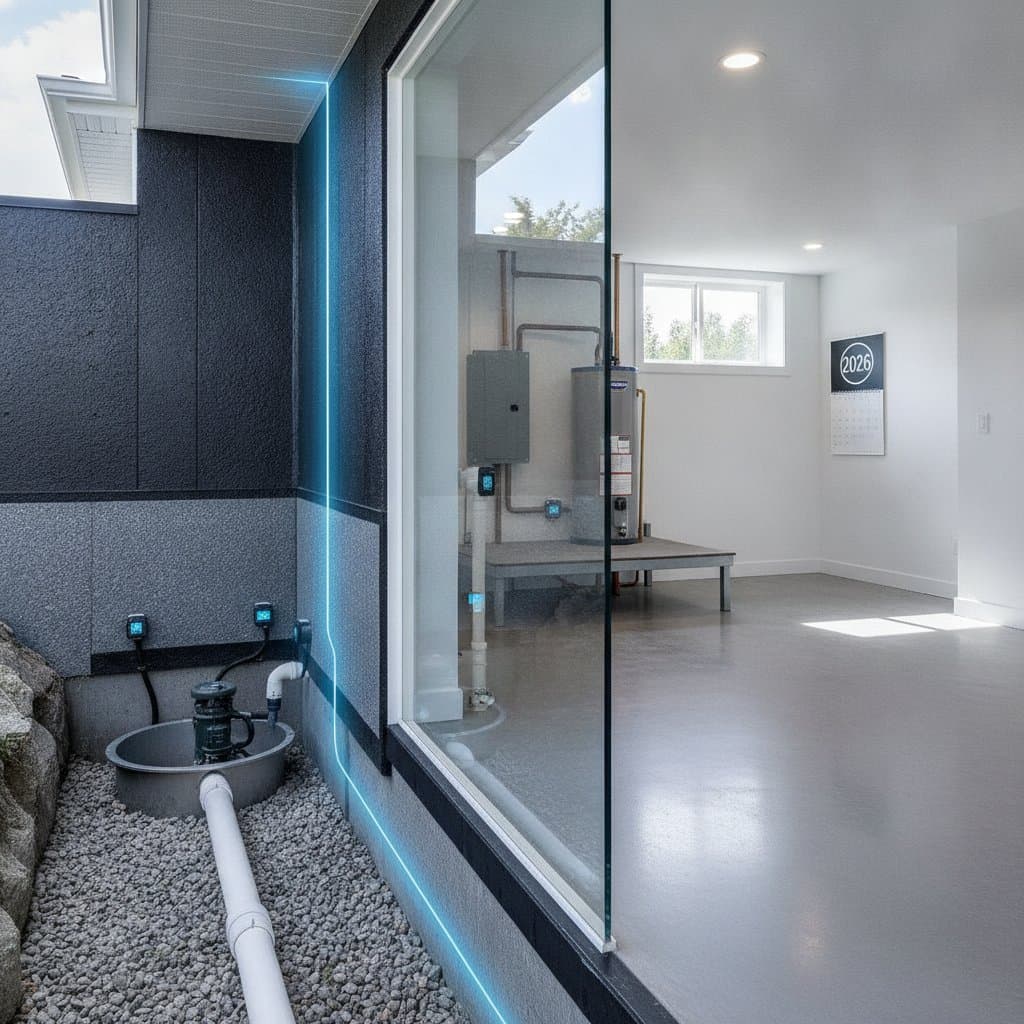
Contemporary models prove compact and incorporate intelligent sensors to track water flow, storage capacity, and soil moisture levels. For those prioritizing sustainability, greywater integration complements practices like rainwater collection or solar energy adoption.
| Feature | Basic System | Advanced System |
|---|---|---|
| Source | Laundry or shower | Whole-house greywater |
| Filtration | Minimal or none | Multi-stage filtration |
| Cost Range | $400–$1,500 | $3,000–$7,000 |
| Maintenance | Low | Moderate |
| Best Use | Garden irrigation | Full property reuse |
Enhancing Home Value Through Greywater Integration
Greywater systems elevate property value by minimizing utility expenses, bolstering drought resistance, and demonstrating eco-conscious design to prospective buyers.
Contemporary buyers link water efficiency to enduring financial predictability. A residence capable of sustaining a verdant yard amid usage limits appears more habitable and attractive. Real estate professionals in arid locales note that properties with integrated water conservation features draw greater inquiries and encounter less resistance on pricing.
Primary Value Contributors
- Utility Cost Reductions: Water bills decrease by 20 to 40 percent, varying with household composition and system configuration.
- Sustainability Attraction: Purchasers increasingly prioritize environmentally friendly attributes. Greywater setups align seamlessly with solar installations or high-efficiency appliances.
- Landscape Safeguarding: Greywater-supported gardens remain healthy during restriction periods, avoiding penalties or overuse violations.
- Innovation Perception: A self-reliant water system marks a property as forward-thinking, impacting appraisal outcomes positively.
Installation and Maintenance Considerations
Installation suits most residences, particularly when incorporated into renovation projects. Maintenance remains straightforward following proper initial setup.
Basic configurations, such as routing washing machine output to garden areas, lend themselves to weekend self-installation. Elaborate setups involving diverse sources or filtration demand involvement from a plumber versed in regional regulations.
Optimal performance requires periodic filter inspections, typically a few times annually, alongside line flushing to clear sediment accumulation. Homeowners often synchronize these tasks with routine yard maintenance for seamless integration.
Frequent Challenges
- Applying untreated greywater to edible plants without adequate filtration.
- Neglecting biodegradable, low-sodium detergents, which harm soil quality.
- Permitting over-irrigation due to unmonitored soil moisture.
Available Incentives and Rebates
Numerous local governments extend rebates or tax incentives for water recycling installations, particularly in drought-impacted zones.
These programs enable homeowners to recoup portions of setup expenses through conservation initiatives. Certain municipalities furnish complimentary permits or expert design advice. Such measures promote broader implementation, easing communal water pressure.
Verification with local building authorities precedes any project, as rules differ by location. Even modest systems must adhere to fundamental safety and plumbing criteria.
Greywater Versus Rainwater Harvesting
Greywater systems operate consistently throughout the year, unlike rainwater harvesting, which relies on precipitation patterns. Combining both approaches yields optimal adaptability.
Rainwater systems gather rooftop runoff during storms, yet arid environments limit rainfall frequency. Greywater derives from everyday domestic activities, ensuring irrigation continuity across prolonged dry intervals. Integrated setups form a comprehensive reuse cycle that optimizes resource efficiency.
| System Type | Reliability | Typical Use | Cost Range |
|---|---|---|---|
| Greywater | Continuous | Irrigation, toilets | $400–$7,000 |
| Rainwater | Seasonal | Irrigation | $1,000–$5,000 |
Addressing Common Homeowner Questions
Does a greywater system improve resale value? Affirmative. In water-scarce areas, buyers view it as a strategic asset, reflecting reduced ongoing costs and commitment to sustainable practices that affect market pricing.
Is greywater suitable for vegetable gardens? Proceed only with robust filtration and non-toxic cleaners. Numerous owners opt for fruit trees or decorative plants to minimize risks.
Do greywater systems produce odors or invite pests? Correct installation prevents such issues. Rapid water dispersal and sealed conduits eliminate stagnation and smells.
Is greywater permitted universally? Guidelines exist in most jurisdictions. Compliance with local codes and labeling protocols proves essential.
Integrating Greywater for Lasting Benefits
Pair greywater adoption with drought-tolerant native vegetation, precision drip irrigation, or water-permeable surfaces during property enhancements. These elements collectively fortify resilience against seasonal aridity, ensuring enduring appeal and functionality.