Granny Flat ROI: Achieving $90K in Rental Income by 2026
Homeowners nationwide recognize the untapped revenue opportunities in their backyards. Housing demand continues to exceed supply, making granny flats a viable way to monetize underutilized land. One homeowner constructed a unit behind the primary residence as property values rose, resulting in substantial financial benefits.
Elevated construction expenses and limited contractor schedules underscore the importance of strategic planning. However, calculations confirm viability. A properly designed, regulation-compliant granny flat can produce up to $90,000 in rental income over several years, influenced by regional factors and market conditions.
The Rising Appeal of Granny Flats
Increasing mortgage rates and rental costs drive demand for financial adaptability among homeowners. Known as accessory dwelling units (ADUs) or backyard cottages, granny flats function as rental properties, guest accommodations, or spaces for extended family. They provide additional living area that generates returns.
Initial plans for one such unit focused on accommodating relatives. Analysis of potential earnings revealed opportunities to reduce mortgage burdens significantly. This perspective transformed the endeavor from a practical addition into a deliberate investment approach.
Detailed Cost Analysis and Market Insights
Fluctuations in material prices stem from transportation expenses and international supply disruptions. Costs for lumber, roofing, and electrical elements experience intermittent increases, necessitating a buffer in financial planning.
| Category | Typical Cost Range | Notes |
|---|---|---|
| Site preparation and foundation | $10,000 - $20,000 | Influenced by soil conditions and site access |
| Framing and exterior finishes | $25,000 - $40,000 | Regional variations in lumber and siding costs |
| Plumbing and electrical systems | $12,000 - $18,000 | Mandates certified professionals |
| Interior completions | $15,000 - $30,000 | Includes tiles, flooring, cabinetry, and paint |
| Permits and regulatory fees | $5,000 - $10,000 | Subject to significant local differences |
| Labor | $35,000 - $60,000 | Determined by contractor availability |
Anticipate total expenditures of $140,000 to $220,000 for a complete installation. Opting for prefabricated or modular constructions reduces expenses by as much as 20 percent, although options for personalization decrease accordingly.
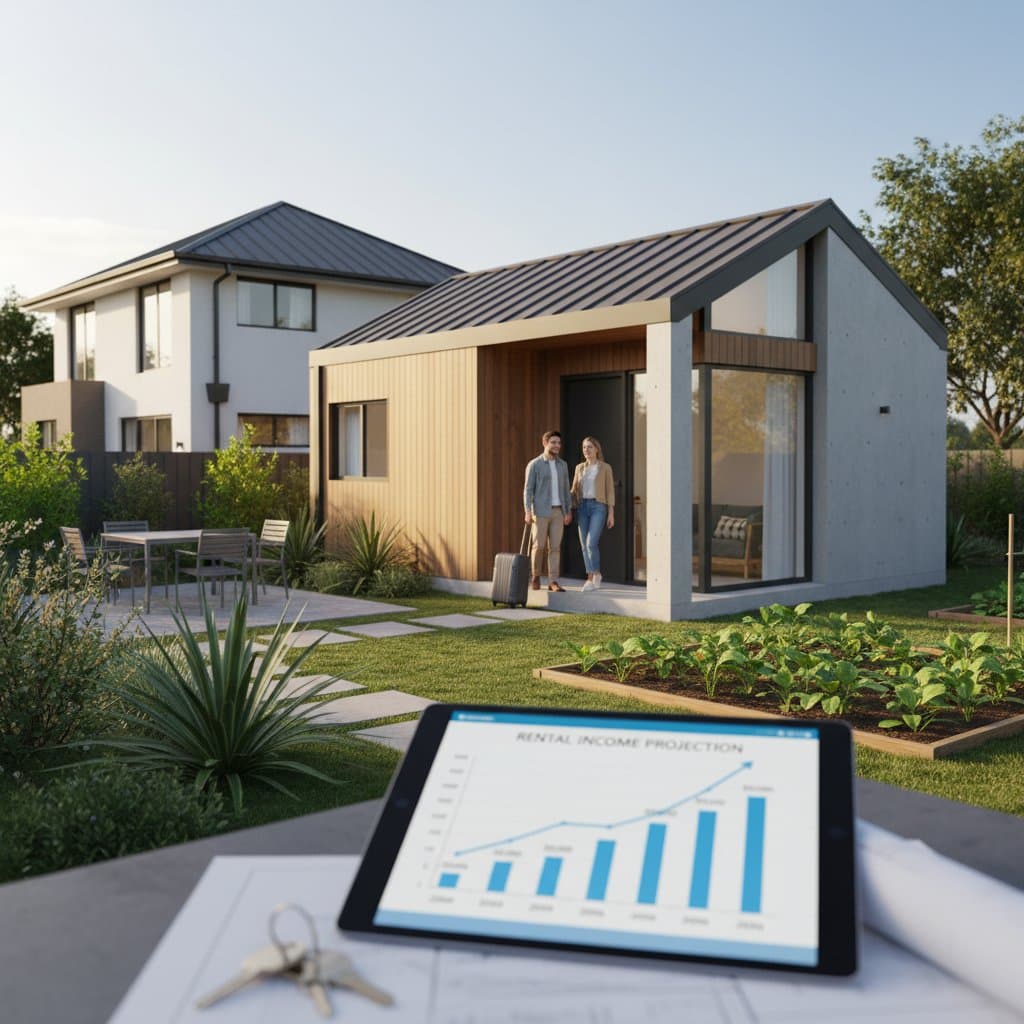
Targeting monthly rents of $1,800 to $2,500 yields yearly revenue of $21,600 to $30,000. Across three years, this accumulates to approximately $64,800 to $90,000, prior to accounting for upkeep or tax benefits.
Optimal Timing and Market Considerations
Initiate projects in spring to minimize weather interruptions and secure contractor availability ahead of high-demand periods. Delaying until late summer invites delays from overcrowded schedules, potentially extending completion by weeks.
Suppliers frequently adjust prices during peak seasons, so obtaining firm quotes promptly preserves thousands in savings. Forward-thinking owners procure appliances and materials well in advance to circumvent shortages.
Enhancing Value with Thoughtful Design
Effective design draws reliable tenants and supports premium pricing. Prioritize these renter priorities:
- Privacy and Accessibility: Incorporate distinct entryways, acoustic insulation, and designated parking to foster independence.
- Energy Conservation: Equip with LED illumination, water-efficient plumbing, and thermal windows. Such features lower utility expenses and attract environmentally aware occupants.
- Resilient Construction: Select enduring surfaces like vinyl plank floors and quartz surfaces, which withstand daily use and ease maintenance.
Where feasible, integrate a compact patio or deck. External amenities expand the sense of space and elevate leasing desirability.
Safeguarding Your Granny Flat Investment
After securing a tenant, manage the property with diligence akin to other revenue assets. Conduct inspections twice yearly, verify safety devices, and allocate funds for minor fixes to prevent escalation. Reserving 5 percent of yearly rent for upkeep addresses all emerging concerns effectively.
Consistent care sustains rental rates and upholds the unit's durability over time. Properties in disrepair depreciate rapidly, whereas those receiving attention align with the appreciation of the primary residence.
Calculating Long-Term Returns
Project recovery of the upfront costs in 8 to 10 years, followed by $90,000 or greater in cumulative rental proceeds within the medium term. This approach not only diversifies income streams but also fortifies overall property equity against market shifts.