Fall Prep Works Best When You Combine Both Methods
Key Takeaways
- Gutter guards reduce leaf buildup and water overflow but require careful installation along with occasional cleaning.
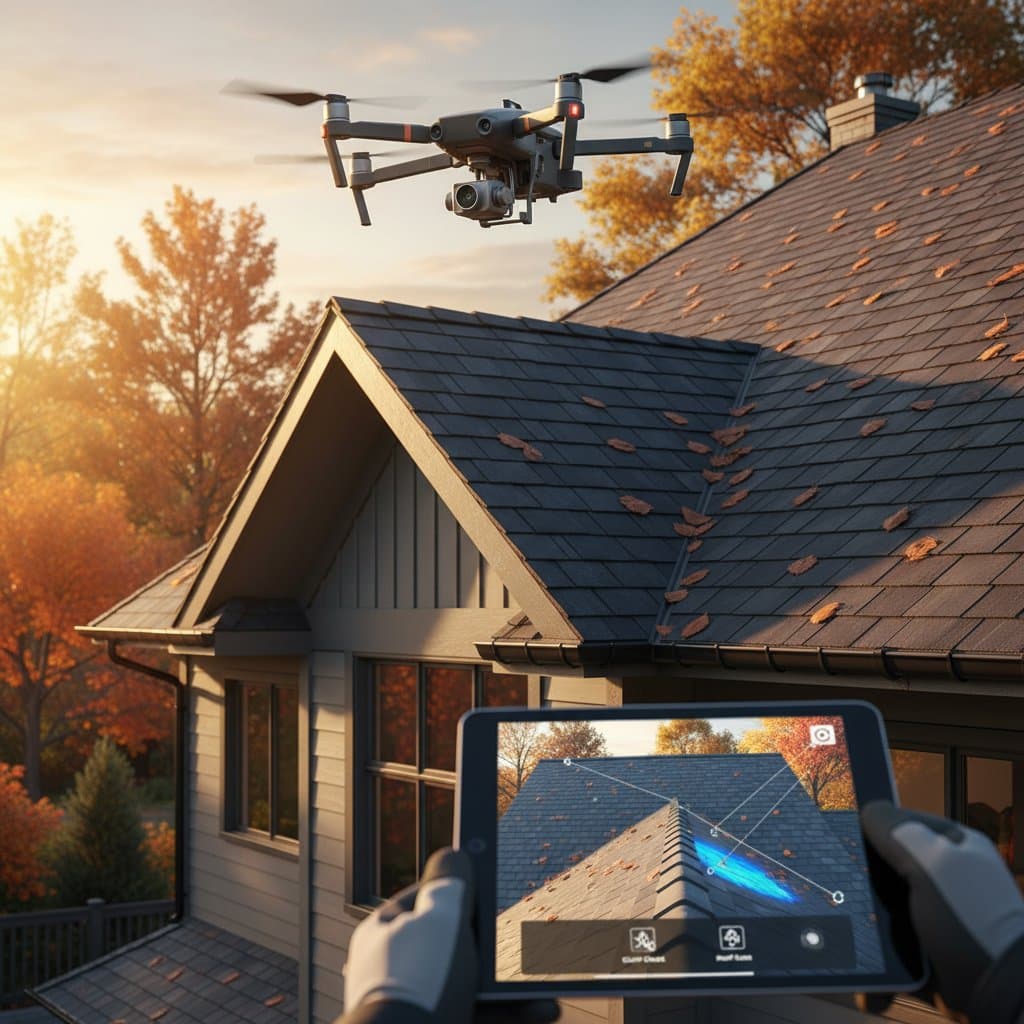
- Drone roof inspections deliver quick and safe views of roof conditions without the need for ladders or climbing.
- Homes surrounded by trees or located in areas with unpredictable storms benefit most when both approaches are used together.
What Do Gutter Guards Actually Do?
Gutter guards consist of mesh or perforated covers placed across gutters. They block large debris while permitting water to pass through. This design reduces seasonal cleanings and prevents downspout blockages that lead to water damage along siding or foundations.
Gutter guards perform best for homes surrounded by deciduous trees or heavy leaf fall. They save time and limit ladder work yet still require some maintenance.
Pros of Gutter Guards
- Less frequent cleaning. Most homeowners reduce gutter cleanings from multiple times a season to once or twice a year.
- Prevention of clogs and overflow. Guards promote free water flow during storms and protect fascia boards while reducing the risk of ice dams.
- Improved rainwater collection. Cleaner gutters limit debris that enters rain barrels or drainage systems.
- Reduced pest nesting. Guards limit the ability of squirrels, birds, and insects to build nests in uncovered gutters.
Cons of Gutter Guards
- Not fully debris proof. Fine seeds, pine needles, and shingle grit can still settle beneath the guard.
- Potential winter ice issues. In cold climates guards may trap snowmelt that refreezes along the roof edge.
- Upfront cost. Quality metal or stainless steel guards average three to ten dollars per linear foot including installation.
Cost and Longevity Snapshot
| Gutter Guard Type | Average Cost (per linear foot) | Lifespan | Maintenance Level |
|---|---|---|---|
| Plastic mesh | 3 to 5 dollars | 5 to 10 years | Moderate |
| Aluminum | 5 to 8 dollars | 10 to 15 years | Low |
| Stainless steel micro mesh | 8 to 10 dollars | 15 to 20 years | Very low |
Prices vary by region and roof accessibility.
Which Option Offers Better Long Term Protection?
Gutter guards and drone inspections complement each other effectively. Gutter guards manage debris and drainage while drones monitor the broader health of the roofing system. The choice depends on individual priorities.
Choose Gutter Guards If
- Heavy tree cover makes repeated gutter cleaning undesirable.
- Gutters overflow during fall storms or clog easily.
- Long term residence is planned and seasonal maintenance needs reduction.
Choose Drone Inspections If
- The roof features complex pitches or hard to reach areas.
- Hidden damage is suspected after a storm or documentation for insurance is required.
- Minimal physical work and quick results are preferred.
Many homeowners achieve the best results by using both. Install durable guards early in the season then schedule a drone inspection after leaves fall to confirm clear drainage.
What Are the Common Mistakes to Avoid?
Even strong systems fail when installed or used incorrectly. Consider these points.
- Ignoring small leaks. A minor drip under flashing can develop into major interior repairs. Drone imagery helps confirm problem areas.
- Selecting the wrong guard type. Fine stainless steel suits pine needles while wider perforations handle larger leaves.
- Skipping seasonal checks. Inspect gutters at least once per year even with guards to clear trapped grit or damaged sections.
- Neglecting downspouts. Flush downspouts after each season because a clean gutter offers little protection when the downspout remains blocked.
FAQ
Will gutter guards eliminate cleaning entirely?
They reduce frequency but still require occasional clearing of fine debris or seeds that pass through the mesh.
Can drones spot leaks inside the attic?
Drones assess the exterior only. They identify likely leak points yet interior moisture checks require a physical inspection.
Are drone inspections safe for privacy?
Licensed operators follow strict flight boundaries and use downward facing cameras focused solely on the property.
Building a Reliable Seasonal Routine
Install gutter guards early in the fall after clearing existing debris and flushing downspouts. Schedule a drone inspection once leaves drop to verify flow and document roof condition. Choose certified services that supply written reports and photo records. Save inspection images each year to track changes and address issues promptly. In colder regions add heated cables or verify attic insulation to limit refreezing near guards.