Biophilic Upgrades: Increase Home Value by 15 Percent Through Wellness Design
A strong connection between your home and the natural world offers benefits that extend beyond relaxation. Such integration can elevate property value by up to 15 percent. Today's buyers seek residences that foster well-being through abundant natural light and superior air quality. For sellers, biophilic upgrades convert ordinary spaces into wellness homes. These enhancements represent strategic investments that boost occupant comfort, lower energy consumption, and draw premium bids from discerning purchasers.
The Appeal of Biophilic Design in Real Estate
Biophilic design restores harmony between interior environments and the outdoors. Core elements include maximized natural illumination, effective airflow, living vegetation, and surfaces that echo natural forms. Proper implementation reduces anxiety levels, sharpens concentration, and cultivates a salubrious atmosphere for daily life.
Prospective homeowners now value psychological ease alongside physical dimensions. Features such as sunlit interiors, filtered breathing air, and vistas of greenery distinguish properties in competitive markets. Industry research indicates that residences promoted as wellness-oriented achieve sales prices 15 percent above similar homes lacking these attributes.
This appeal stems from the vitality that biophilic elements infuse into a space. Buyers perceive such homes as modern sanctuaries, leading to quicker transactions at elevated prices.
Factors Influencing Upgrade Expenses
Choices in materials exert the most significant impact on overall costs. Opting for wood or stone procured from nearby suppliers minimizes transportation expenses and may unlock incentives through environmental certifications. Advanced glazing solutions or bespoke roof windows elevate initial outlays yet deliver substantial reductions in utility bills across their lifespan.
The existing structure and configuration of the property play crucial roles as well. Widening apertures in vintage masonry buildings often necessitates supplementary support beams or arch reinforcements. Allocate approximately 1,200 to 2,000 dollars for these engineering adjustments.
Labor expenses fluctuate by geographic location. In regions near waterways, skilled tradespeople charge up to 90 dollars hourly, whereas central areas average 60 dollars per hour. Consult prevailing regulations regarding airflow systems or load-bearing alterations prior to commencing work.
To refine budgeting, evaluate the scale of modifications. Simple additions like sheer curtains for light diffusion cost under 500 dollars, while comprehensive installations such as automated vents may exceed 5,000 dollars. Prioritize high-impact areas to balance expenditure with returns.
Practical Approaches to Cost Efficiency
-
Align projects with seasonal advantages. Plan extensive lighting or airflow enhancements for late spring or initial summer periods, when specialists provide discounted rates ahead of high-demand seasons.
-
Incorporate prefabricated components. Assembled vertical greenery modules incur 30 percent lower fees than tailored installations and demand little ongoing care.
-
Consolidate related initiatives. Pair fenestration improvements with thermal barrier enhancements to access performance incentives and diminish future climate control expenditures.
-
Leverage eco-friendly financing options. Numerous community banks extend favorable rates for endeavors that elevate atmospheric purity or operational efficiency.
-
Procure regionally abundant resources. Selecting timber or rock from proximate quarries trims delivery charges by 20 percent and bolsters ecological networks.
-
Seek professional consultations early. Initial assessments from certified experts can identify rebate-eligible features, potentially offsetting 10 to 20 percent of total costs.
These tactics ensure that investments yield maximum financial and wellness benefits without unnecessary strain on resources.
High-Impact Wellness Elements for Maximum Return
Enhancing Natural Illumination
Residences featuring expansive glazing or strategic light shafts exude spaciousness and warmth. Target illumination intensities of 300 lux in primary zones to mimic outdoor conditions effectively. Consider south-facing orientations for consistent brightness, supplemented by reflective surfaces to distribute light evenly.
Integrating Living Greenery
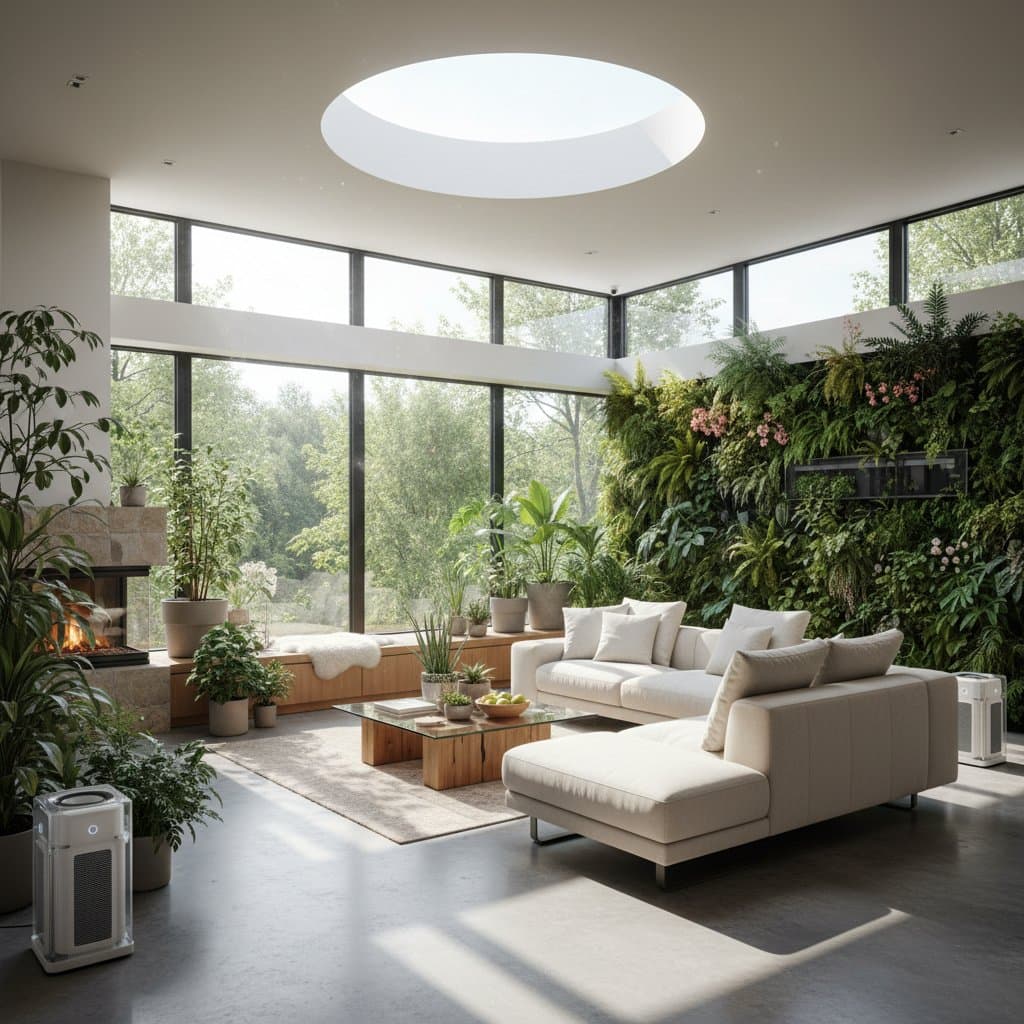
Interior flora systems cleanse the atmosphere while stabilizing thermal variations. A wall-mounted botanical array can decrease room temperatures by 4 degrees Fahrenheit, thereby easing reliance on mechanical cooling. Select low-maintenance species like pothos or ferns for enduring vitality and minimal watering needs.
Incorporating Organic Surfaces
Surfaces in subdued timber, lithic, or earthen tones dampen echoes and impart sensory comfort. These choices foster a grounded ambiance that encourages prolonged occupancy. Avoid glossy finishes in favor of those that invite touch and interaction.
Adding Aqueous and Auditory Accents
Compact water displays or panels emitting forest ambiances promote tranquility and elevate subjective livability. Position these in relaxation areas to amplify restorative effects. Ensure installations include quiet pumps to maintain serene operation.
Improving Atmospheric Quality
Deploy high-efficiency particulate filters or heat-reclaiming air exchangers. These units range from 3,000 to 6,000 dollars in price yet diminish irritants by 90 percent. Regular servicing preserves efficacy, contributing to long-term health advantages.
Each element not only refines the living experience but also signals thoughtful craftsmanship to potential buyers.
Calculating Returns and Gaining Market Edge
Biophilic modifications elevate personal health while fortifying asset worth. Valuation professionals now account for wellness-oriented architecture as tangible assets. Emphasizing illumination arrays, vegetative installations, and optimized airflow in marketing materials conveys superior build quality.
Properties equipped thusly secure bids 10 to 15 percent above baseline, particularly in dense metropolitan settings with scarce green spaces. The aesthetic allure of foliage, organic grains, and diffused sunlight conveys opulence directly.
Operational efficiencies further amplify profitability. Roof window adaptations and adjustable casements slash reliance on electric lights and air conditioning by 20 to 30 percent. Accumulated savings recoup initial costs within five years, alongside sustained enhancements to routine enjoyment.
Market data underscores this trend: in wellness-centric communities, upgraded homes transact 25 percent faster. This velocity minimizes carrying expenses for sellers, compounding financial gains.
Implementing Biophilic Transformations Step by Step
Commence with a thorough daytime inspection of your residence. Identify instances of excessive brightness, dim corners, or stagnant atmospheres. These observations pinpoint focal points for targeted biophilic interventions. Develop a phased plan encompassing quick wins like curtain adjustments alongside larger endeavors such as garden integrations.
Subsequently, engage at least two qualified specialists versed in illumination enhancements or botanical structures. Solicit detailed proposals outlining materials, timelines, and compliance with ordinances. Compare options to select alignments that match your vision and budget.
Monitor progress through regular check-ins to ensure seamless execution. Upon completion, document transformations with professional photography to showcase in listings. This preparation positions your wellness home as a premium offering, ready to captivate and convert interested parties.
Through deliberate application, these upgrades deliver enduring value, blending aesthetic elevation with practical wellness for homeowners and future residents alike.