TL;DR
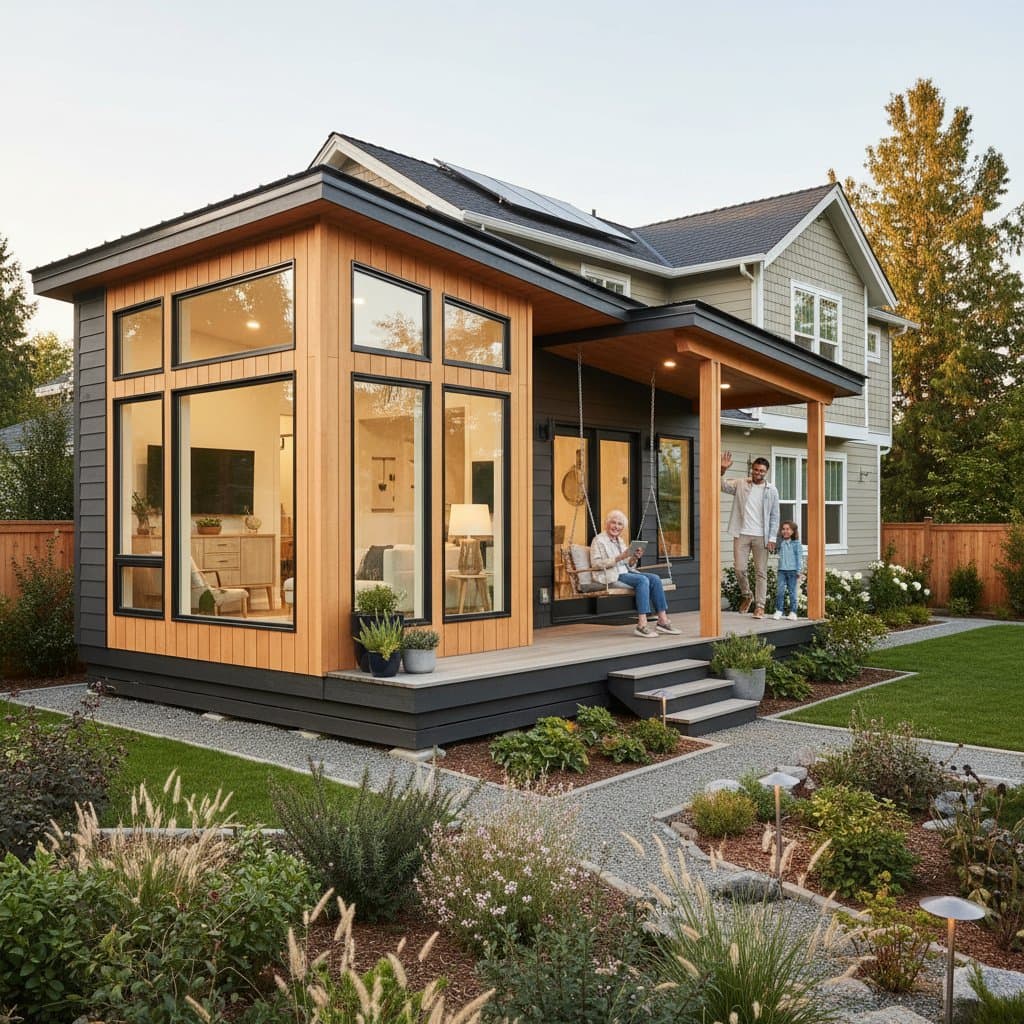
- Prefab granny pods serve as compact, self-contained backyard residences tailored for seniors to age comfortably near family members.
- These units integrate accessibility features, personal privacy, and intelligent technology to foster independent lifestyles.
- For 2026, anticipate prevalence of sustainable materials, modular configurations, and versatile floor plans in this growing sector.
Why Are Granny Pods Gaining Popularity?
Short answer: Families seek close proximity, enhanced safety, and optimal comfort without compromising individual privacy.
The surge in multigenerational households has reshaped perspectives on residential space utilization. Rather than undertaking extensive home expansions or basement conversions, numerous homeowners opt for backyard cottages. A prefab granny pod strikes an effective balance, providing autonomy alongside necessary support.
This approach addresses key challenges in elder care. It minimizes the emotional strain of separation while allowing caregivers to monitor well-being discreetly. As urban densities increase and housing costs rise, these units emerge as practical solutions for extended family arrangements.
Highlights
- Faster installation: Prefab models typically assemble within weeks, bypassing the prolonged timelines of traditional construction.
- Cost-efficient: Expenses generally fall below those of major additions or long-term care facilities, often ranging from $50,000 to $150,000 depending on size and features.
- Adaptable: Structures suit current senior needs and repurpose easily for offices, guest rooms, or studios in the future.
- Private yet nearby: Design elements encourage familial bonds through shared outdoor areas while maintaining distinct living quarters.
Which Designs Work Best for Aging Comfortably?
Short answer: Open layouts, gentle illumination, and single-story configurations establish secure, inviting spaces for daily routines.
Effective design for aging in place extends beyond basic safety aids like grab bars. It emphasizes intuitive navigation, sensory harmony, and psychological well-being. Prefab granny pods incorporate universal design standards to streamline everyday activities and reduce physical strain.
Consider how spatial planning influences mobility. Wide doorways, at least 32 inches, accommodate wheelchairs or walkers without obstruction. Kitchens feature lowered counters and pull-out shelves for seated preparation, promoting self-reliance in meal tasks.
Key Design Features
- Single-level living that eliminates stairs and provides at least 36-inch pathways for effortless movement.
- Accessible bathrooms equipped with zero-threshold showers, ergonomic lever faucets, and adjustable-height vanities for user comfort.
- Non-slip materials such as textured vinyl or cork in high-traffic zones to prevent falls.
- Ample natural light via strategically placed oversized windows, clerestory designs, or solar tubes to boost mood and visibility.
- Smart technology including automated voice-activated controls for lights, thermostats, and security systems to simplify operations.
Looking to 2026, interior trends favor soothing neutral schemes with accents in muted greens or earthy terracottas. Incorporate organic elements like reclaimed wood cabinetry or linen upholstery to evoke warmth and familiarity, steering clear of institutional aesthetics.
What Are the Main Pros and Cons for Homeowners?
Quick answer: Granny pods deliver autonomy and property enhancement yet demand regulatory compliance and initial capital outlay.
Homeowners must weigh benefits against practical hurdles when considering a granny pod. These structures not only support immediate family dynamics but also position properties for long-term market appeal. Careful planning mitigates drawbacks through informed site assessments and budget allocations.
Pros
- Maintains family closeness while upholding personal independence for residents.
- Potentially elevates home equity through added utility, appealing to buyers in ADU-friendly markets.
- Offers versatility for subsequent applications, such as home offices or income-generating rentals.
- Streamlines construction with minimal disruption compared to invasive renovations.
Cons
- Necessitates zoning variances or building permits, which vary by municipality and can delay projects.
- Upfront investments, including the unit and site work, may exceed $100,000 in some regions.
- Compact footprints, often 200 to 600 square feet, require efficient storage solutions to avoid clutter.
- Utility connections, grading, or landscaping preparations can introduce additional unforeseen costs.
To navigate these elements, consult local regulations early and explore financing options like home equity loans tailored for accessory dwellings.
Homeowner FAQs
Will a granny pod increase my property value?
In many cases, yes. A thoughtfully integrated prefab unit enhances marketability by demonstrating multigenerational adaptability, particularly in communities promoting accessory dwelling units.
Can a granny pod have a full kitchen?
Most designs accommodate complete kitchens with compact refrigerators, induction cooktops, and dishwashers sized for efficiency. However, verify municipal codes, as some restrict full cooking setups in detached structures to comply with fire safety standards.
Do prefab pods require a permanent foundation?
Options include concrete slabs or helical piers for stability, aligned with local seismic and soil conditions. Temporary setups on skids exist for flexibility, though they might influence tax assessments or resale as non-permanent fixtures.
How long does setup take?
With permits secured, assembly often completes in two to four weeks, factoring in crane delivery, utility integration, and final inspections. Complex terrains or adverse weather may extend this timeline slightly.
Can I repurpose a granny pod later?
Yes, these versatile spaces transition seamlessly into guest accommodations, art studios, or short-term rentals. Modular components allow interior reconfiguration without structural alterations.
Integrating a Backyard Cottage into Daily Life
After installation, a prefab granny pod integrates seamlessly into family routines, fostering shared moments without intrusion. Residents enjoy private mornings with garden views, while pathways invite casual visits for meals or conversations.
As needs shift, the unit adapts effortlessly. Transition it from caregiving space to a hobby workshop by reconfiguring rooms with movable partitions. This longevity ensures ongoing relevance across life stages.
Maintenance remains straightforward to preserve functionality. Schedule annual inspections for roofing integrity and HVAC efficiency. Integrate low-water xeriscaping around the perimeter to minimize upkeep and enhance curb appeal.
Position the pod to maximize sunlight exposure and privacy screening with evergreens or trellises. A connecting stone path not only aids accessibility but also creates a welcoming corridor between homes.
Advancing Multigenerational Design
Prefab granny pods embody innovative approaches to balancing self-sufficiency with familial support. They merge precise engineering, rapid deployment, and relational benefits into efficient backyard solutions.
Envision your landscape enriched by a serene, adaptable cottage that anticipates tomorrow's requirements. Assess your lot's potential today to implement a granny pod that sustains comfort and connection for years ahead.